 flip
flipTragemata of Figs, Honey and Walnuts
Tragemata of Figs, Honey and Walnuts
Why this dish? A friend of Pericles, Anaxagoras frequented the enlightened circles of Athens where, after the meal, a symposion was held: wine was mixed with water and conversation and tragemata were passed around. These fig and honey sweets accompanied discussions on the order of the world and the ordering Intelligence.
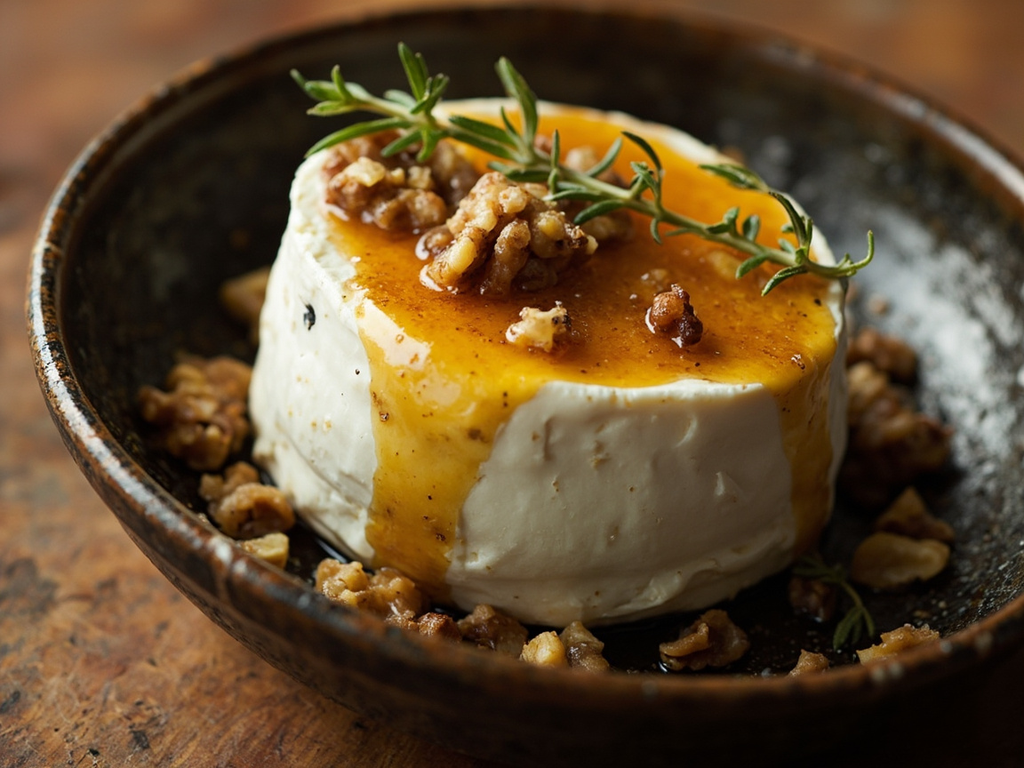
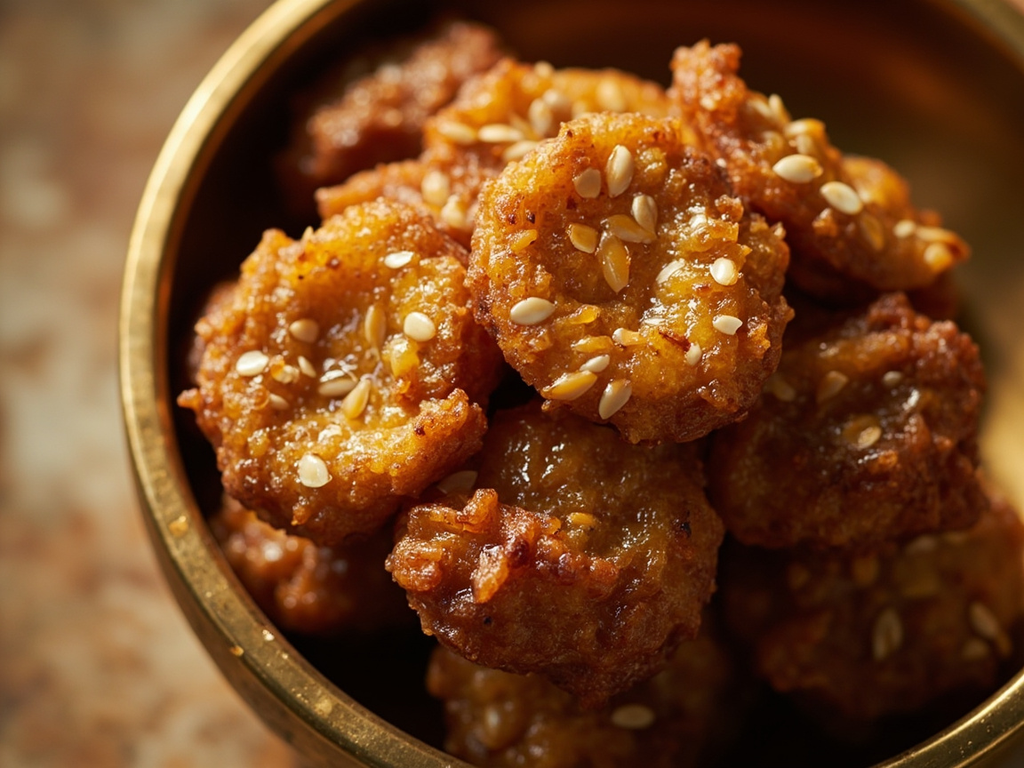
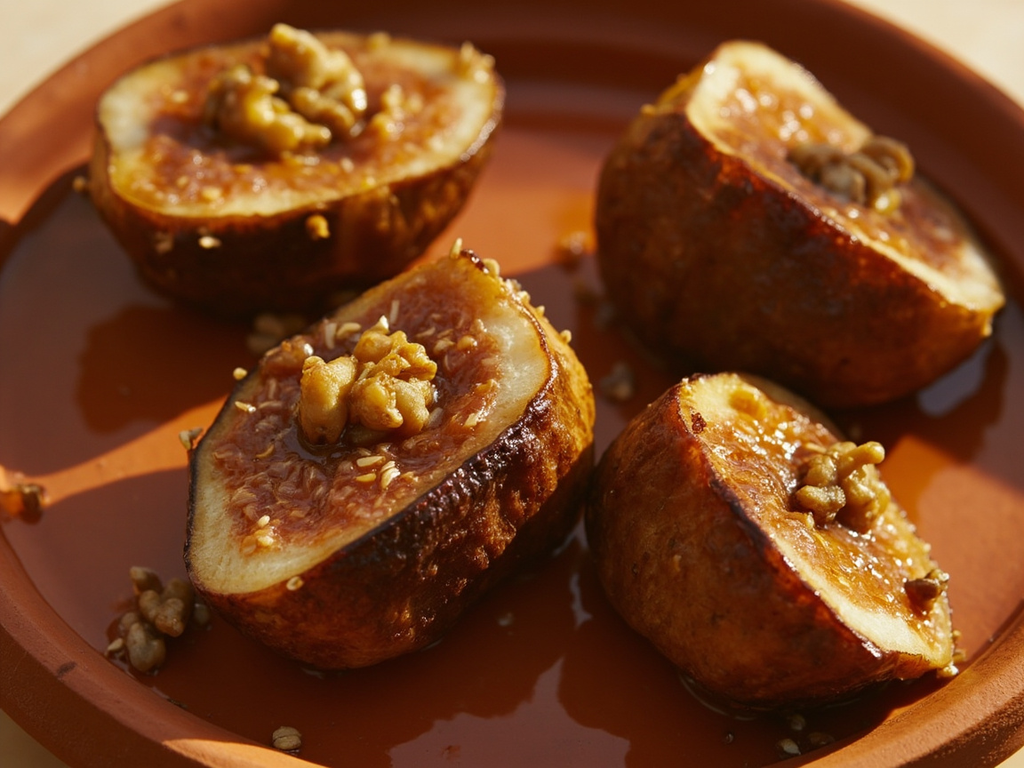
Dried figs stuffed with walnuts, rolled in honey and sesame, served at the end of the banquet to whet the thirst for wine and for words. The sweetness of the gods, without a trace of cane or cacao — unknown to the Greek world.
When the tables are removed and the libation has been poured, here is what I pass around: figs of summer, opened, filled with walnuts, bathed in the honey of Hymettus. Taste them while drinking diluted wine — not to get drunk, for drunkenness clouds the Nous, but to loosen the tongue and the mind. Honey is the closest thing to celestial fire a man can eat: it keeps within it the heat of the Sun, which I have said is but a blazing stone.
- •Dried figs — a cup (base)
- •Walnut kernels — a handful (stuffing)
- •Thyme or heather honey — to coat (sweet binder)
- •Sesame seeds — a pinch (coating)
- •Sweet wine (to moisten) — a splash (softener)
Tragemata of Figs, Honey and Walnuts
Dried figs stuffed with walnuts, rolled in honey and sesame, served at the end of the banquet to whet the thirst for wine and for words. The sweetness of the gods, without a trace of cane or cacao — unknown to the Greek world.
Why this dish? A friend of Pericles, Anaxagoras frequented the enlightened circles of Athens where, after the meal, a symposion was held: wine was mixed with water and conversation and tragemata were passed around. These fig and honey sweets accompanied discussions on the order of the world and the ordering Intelligence.
When the tables are removed and the libation has been poured, here is what I pass around: figs of summer, opened, filled with walnuts, bathed in the honey of Hymettus. Taste them while drinking diluted wine — not to get drunk, for drunkenness clouds the Nous, but to loosen the tongue and the mind. Honey is the closest thing to celestial fire a man can eat: it keeps within it the heat of the Sun, which I have said is but a blazing stone.
Ingredients (period version)
- Dried figs — a cup (base)
- Walnut kernels — a handful (stuffing)
- Thyme or heather honey — to coat (sweet binder)
- Sesame seeds — a pinch (coating)
- Sweet wine (to moisten) — a splash (softener)
Ingredients
- Soft dried figs — 12 pieces (base)
- Walnut kernels — 60 g (stuffing)
- Fragrant honey (thyme) — 4 tbsp (sweet binder)
- Sesame seeds — 2 tbsp (coating)
- Sweet wine or water — 2 tbsp (softener)
Method
- If the figs are too dry, plump them for 10 minutes in a little warm sweet wine (or water), then drain.
- Toast the sesame and walnuts in a dry pan for a few minutes.
- Slit each fig and insert a walnut kernel inside, then close.
- Warm the honey to make it runny, then roll each fig in it.
- Immediately roll them in the toasted sesame to coat.
- Let set for 15 minutes and serve at room temperature, as small bites.
How it was made : The tragemata ('things to nibble') concluded the meal and opened the symposion. Without sugar — cane would not reach the Mediterranean until much later — all Greek sweetness relied on honey and dried fruits. Attic figs were so renowned that smuggling them out supposedly gave rise to the word 'sycophant'.
The contemporary twist : Arrange them in a crown on a round plate, with a bay leaf in the center, in the style of a 'symposion crown' — a nod to the garlands worn by drinkers.
Anaxagoras of Clazomenae · Charactorium