 flip
flipMaza with Oil and Olives
Maza with Oil and Olives
Why this dish? Banished from Athens for daring to say that the Sun was merely an incandescent stone, Anaxagoras lived as a philosopher, scorning wealth and the opulent table. The barley maza, kneaded cold without oven baking, was the daily bread of the simple man who reserved his passion for contemplating the Nous rather than his belly.
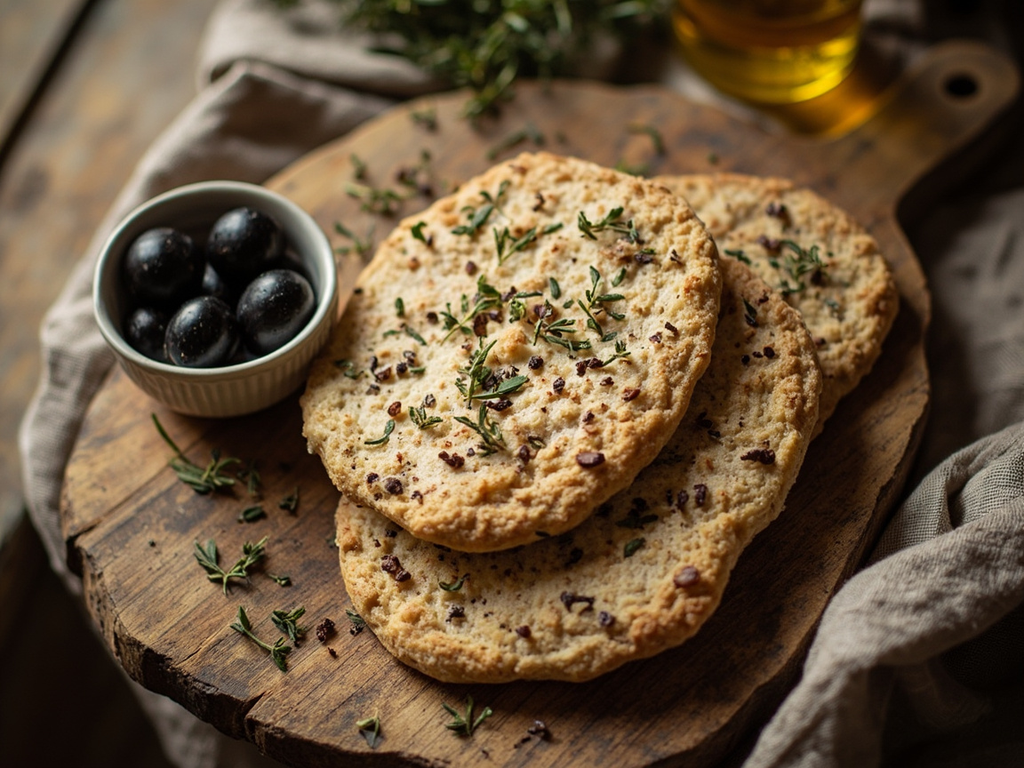
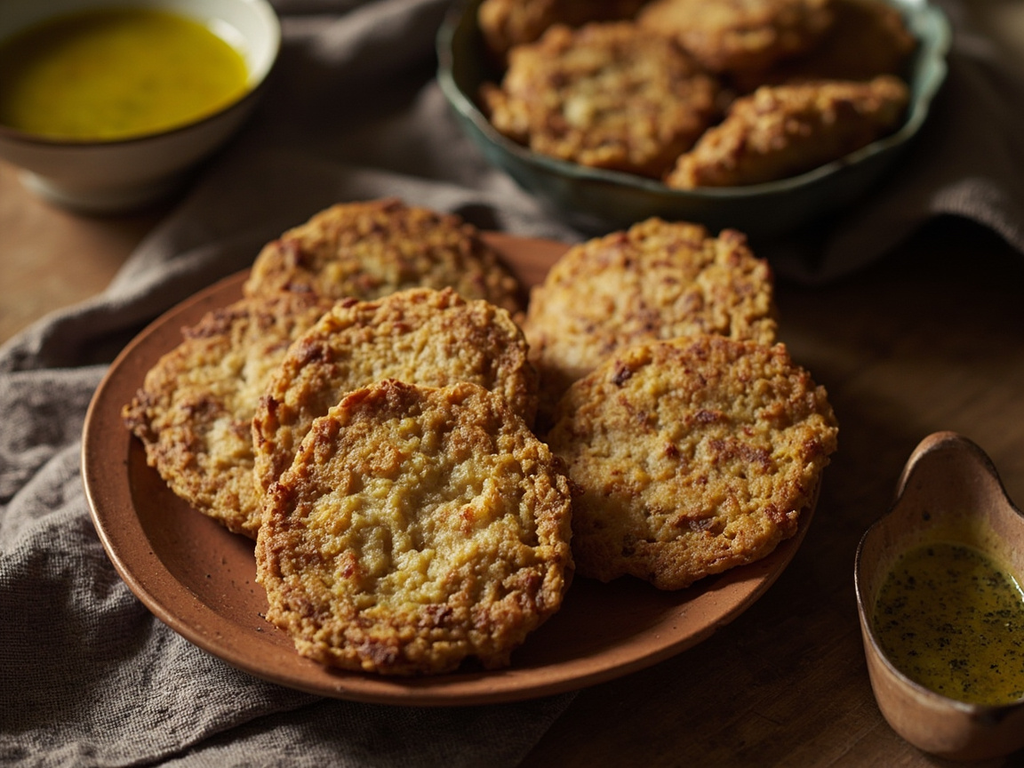
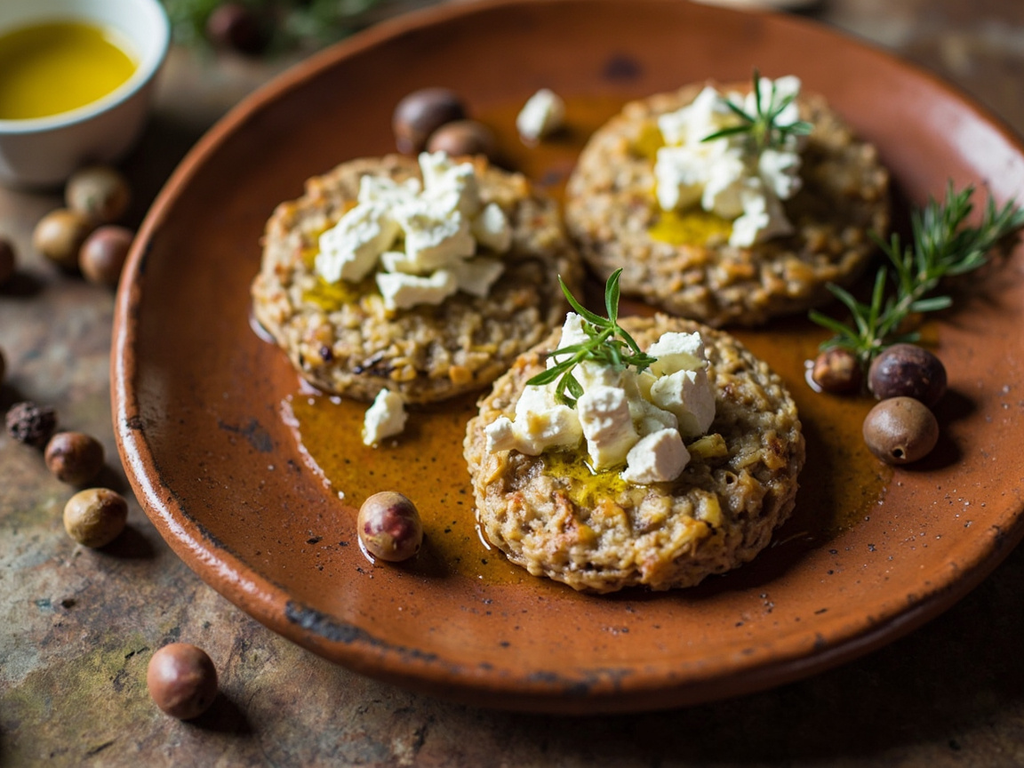
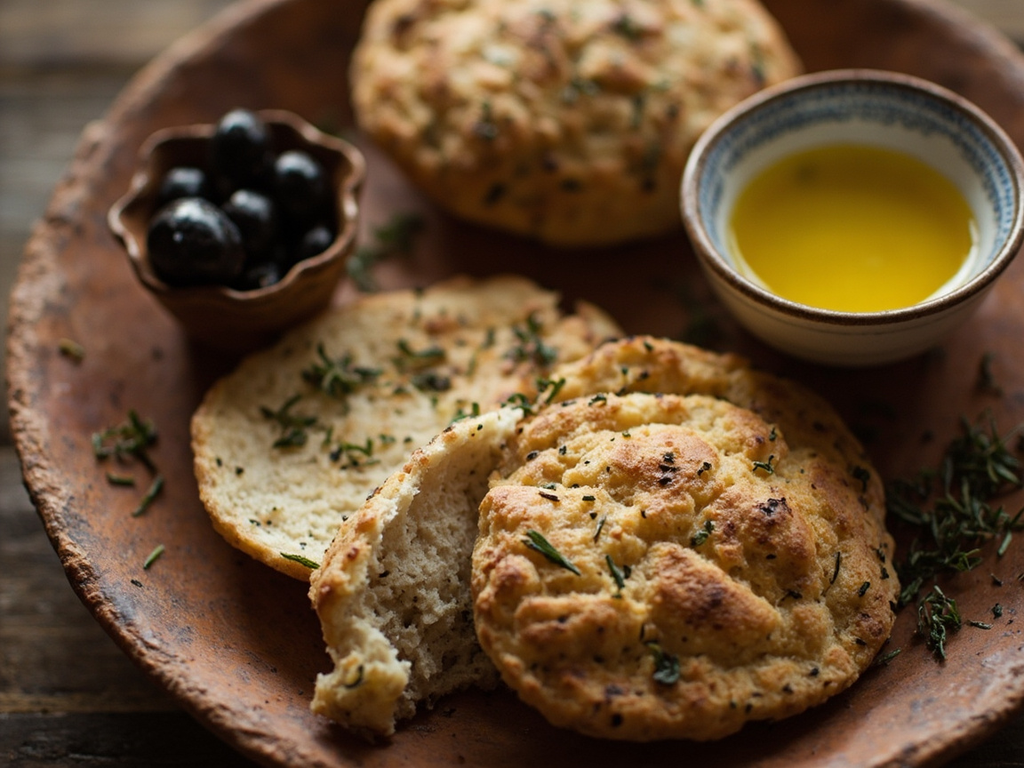
A dense flatbread of toasted and ground barley, kneaded with oil and a little water, eaten raw or barely firmed, accompanied by olives and a sliver of cheese. The thinker's meal: nourishing, immediate, unadorned.
Look at this cake: no baker's fire has touched it, yet it nourishes a man as surely as the Sun nourishes the wheat. At my table I grind dry barley, pour oil and a trickle of water, knead by hand, and there it is. The rich gorge on meats and grow heavy; I eat little and see clearly, for in everything there is a portion of everything, and in this humble barley there is already the sky that made it grow. Eat sparingly, and the Intelligence within you will remain master.
- •Toasted barley flour (alphita) — two handfuls (base)
- •Olive oil — as needed (binder and flavor)
- •Water — a little (kneading)
- •Black olives in brine — a portion (opson)
- •Dry goat cheese — a piece (opson)
- •Sea salt — a pinch (seasoning)
Maza with Oil and Olives
A dense flatbread of toasted and ground barley, kneaded with oil and a little water, eaten raw or barely firmed, accompanied by olives and a sliver of cheese. The thinker's meal: nourishing, immediate, unadorned.
Why this dish? Banished from Athens for daring to say that the Sun was merely an incandescent stone, Anaxagoras lived as a philosopher, scorning wealth and the opulent table. The barley maza, kneaded cold without oven baking, was the daily bread of the simple man who reserved his passion for contemplating the Nous rather than his belly.
Look at this cake: no baker's fire has touched it, yet it nourishes a man as surely as the Sun nourishes the wheat. At my table I grind dry barley, pour oil and a trickle of water, knead by hand, and there it is. The rich gorge on meats and grow heavy; I eat little and see clearly, for in everything there is a portion of everything, and in this humble barley there is already the sky that made it grow. Eat sparingly, and the Intelligence within you will remain master.
Ingredients (period version)
- Toasted barley flour (alphita) — two handfuls (base)
- Olive oil — as needed (binder and flavor)
- Water — a little (kneading)
- Black olives in brine — a portion (opson)
- Dry goat cheese — a piece (opson)
- Sea salt — a pinch (seasoning)
Ingredients
- Barley flour (or blended barley flakes) — 150 g (base)
- Extra virgin olive oil — 3 tbsp (binder and flavor)
- Warm water — 5-7 tbsp (kneading)
- Black olives (Kalamata type) — a dozen (accompaniment)
- Feta or dry goat cheese — 60 g (accompaniment)
- Salt — 1 pinch (seasoning)
Method
- If using barley flakes, blend them into a coarse flour; otherwise use barley flour.
- Lightly toast the flour in a dry pan for a few minutes to bring out its nutty flavor, then let cool.
- Mix the flour with salt, add the oil, then add water little by little while kneading until you get a smooth, compact dough.
- Shape a thick flatbread or small flattened balls; let rest for 15 minutes.
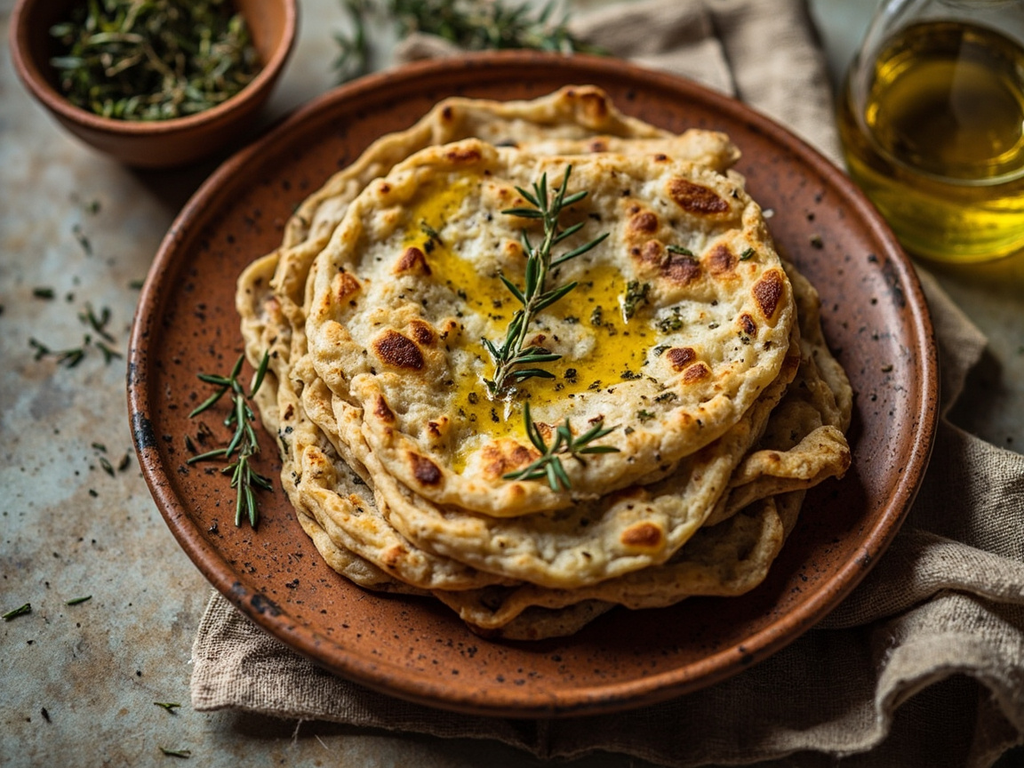
- Serve raw (ancient style) or firm up for 8-10 minutes in a dry pan over low heat.
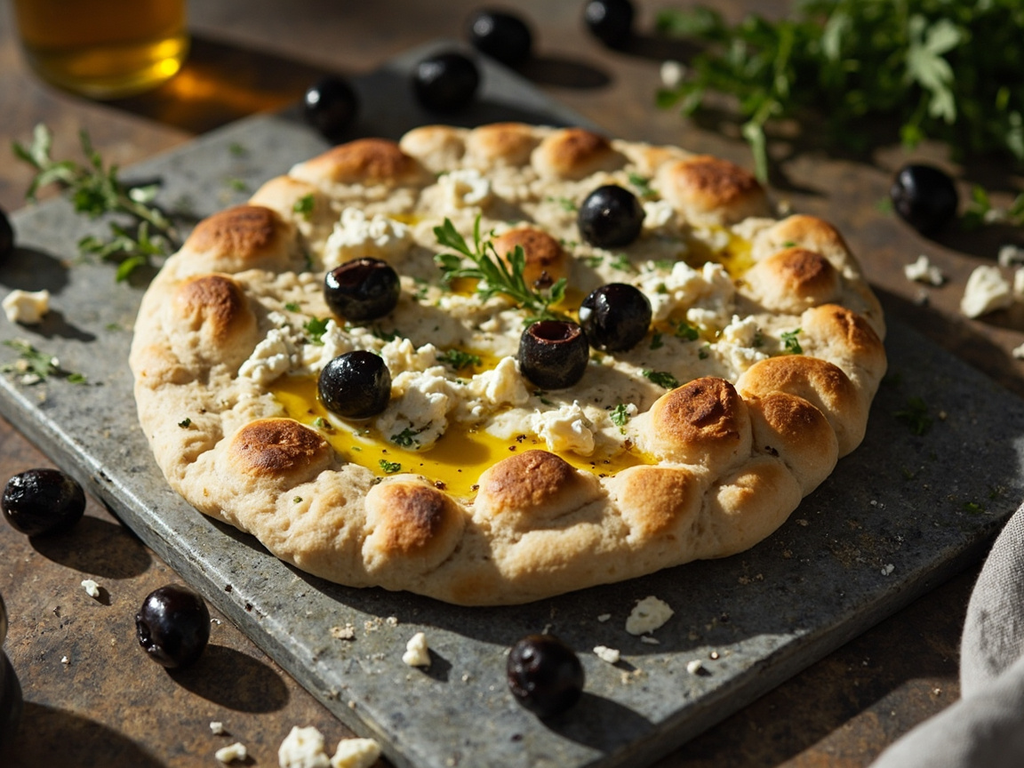
- Arrange the olives and crumbled cheese around it, drizzle with a final splash of oil.
How it was made : Maza was the unleavened bread of the ordinary Greek, distinct from artos (wheat bread baked in an oven, more expensive). Barley was toasted before grinding into alphita, then often kneaded without cooking: an instant food, perfect for those with neither oven nor time to spare.
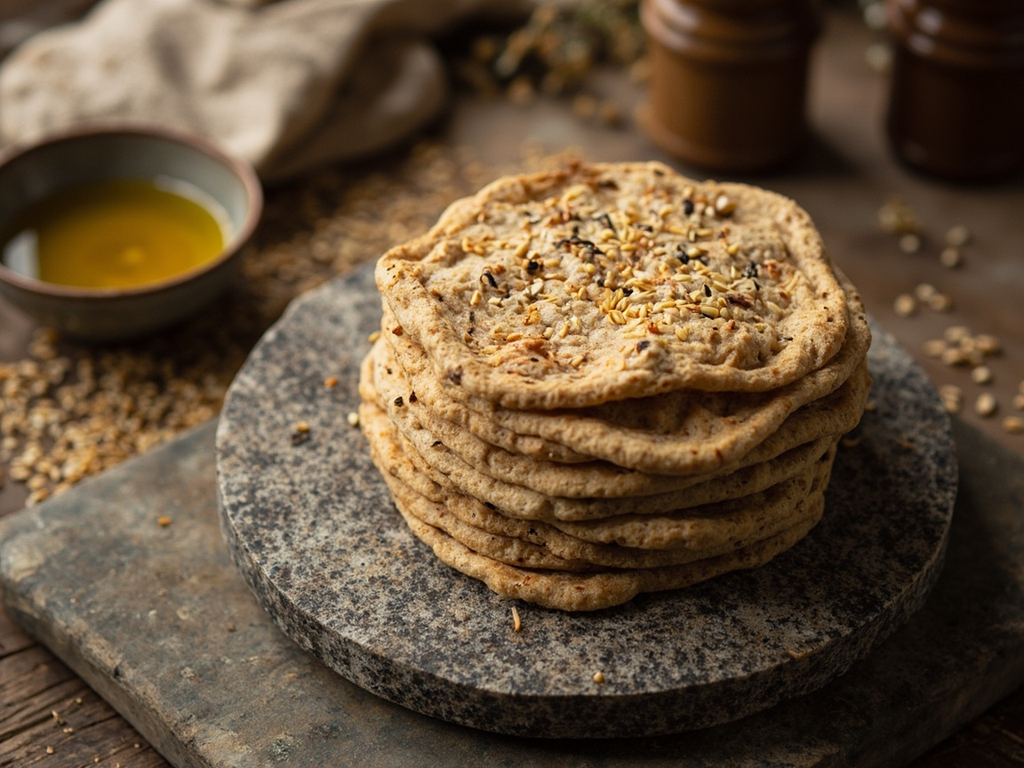
The contemporary twist : Present it as a 'philosopher's galette' on a slate board, olives separate in a small bowl, and offer a drizzle of honey for those who want to switch from savory to sweet in one gesture.
Anaxagoras of Clazomenae · Charactorium