Sitos kai opson
The ancient Greek meal is arranged not as starter-main-dessert, but around the sitos — the staple food derived from cereals (barley cake or wheat bread) — accompanied by the opson, the "that-which-goes-with-it": fish, olives, cheese, pulses. In Miletus, a port city of Ionia, the opson is often seafood. The evening meal (deipnon) can extend into a symposion, where men drink wine mixed with water while discussing the nature of things. The gods receive their share through libations and offering cakes.
Signature : The pneuma of leaven
Anaximenes saw in air (pneuma) the principle of all things: it rarefies into fire, condenses into water and earth. Milesian cuisine offers him a daily demonstration — dough that swells under the action of wild leaven is trapped air lifting matter. Beyond this technique, Ionian olive oil and thyme honey mark every table.
Anaximenes at the table
584 av. J.-C. — 527 av. J.-C.
5 period recipes
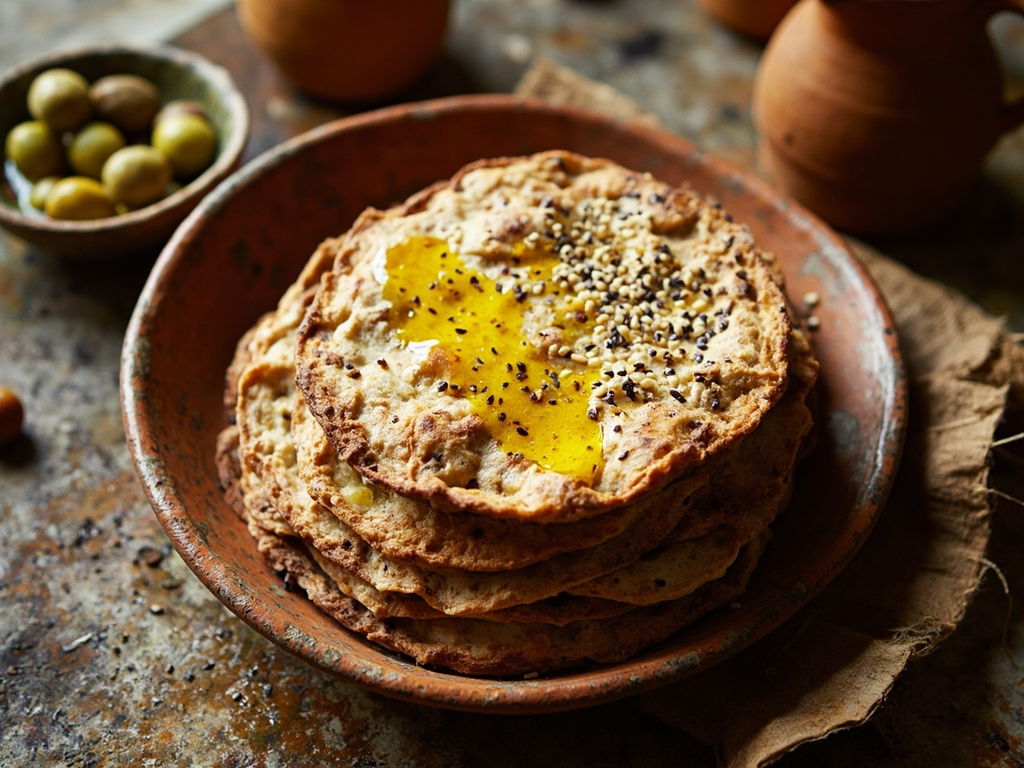 Everyday
Maza, the everyday barley cake
Sitos (the staple food)
☕ 🧂· 25 min
View the recipe
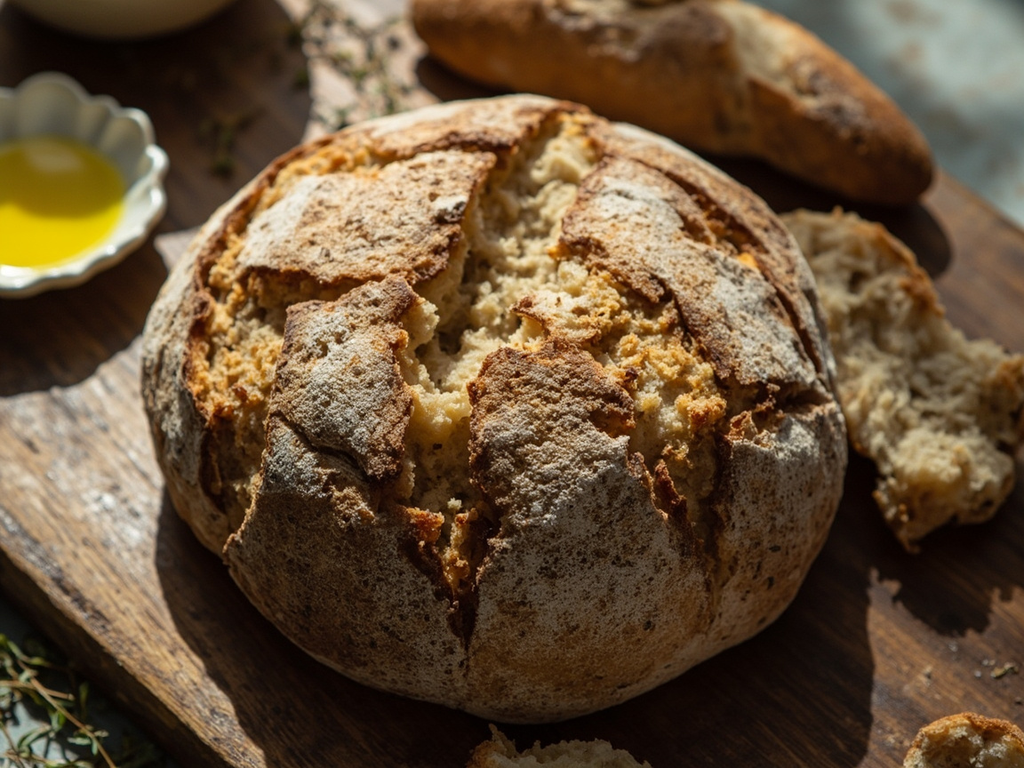 Festive
Artos zymitès, the leavened bread that breathes
Sitos for festive days (symposion bread)
🫙 🧂· 7 h (including rising)
View the recipe
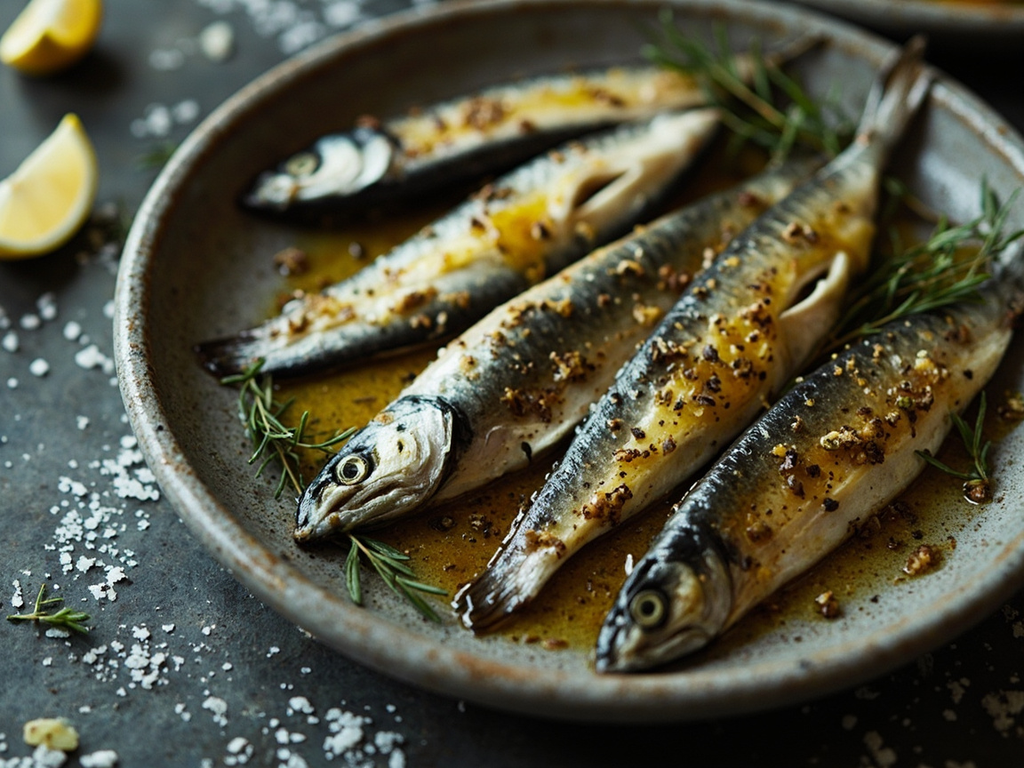 Preserving
Tarichos, the salted fish of Miletus port
Opson from the sea (preserved seafood accompaniment)
🧂 🍄· 30 min (+ 24-36 h salting)
View the recipe
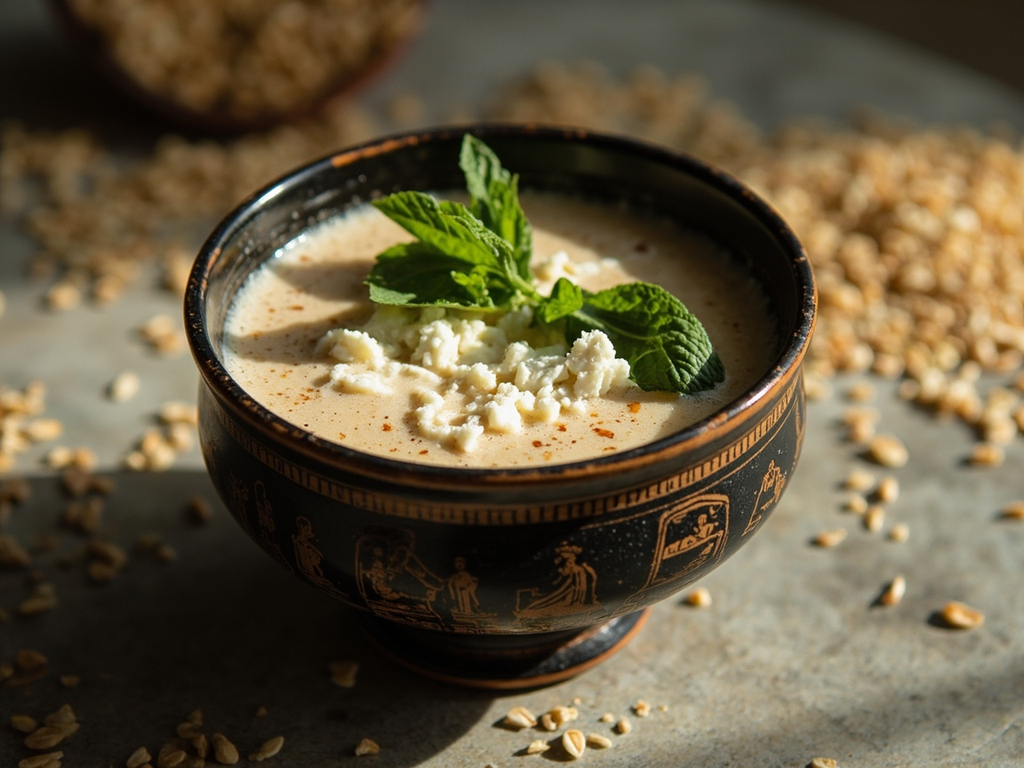 Travel
Kykeôn, the traveler's barley potion
Meal-drink (portable nourishing potion)
☕ 🧂· 10 min
View the recipe
 Offering
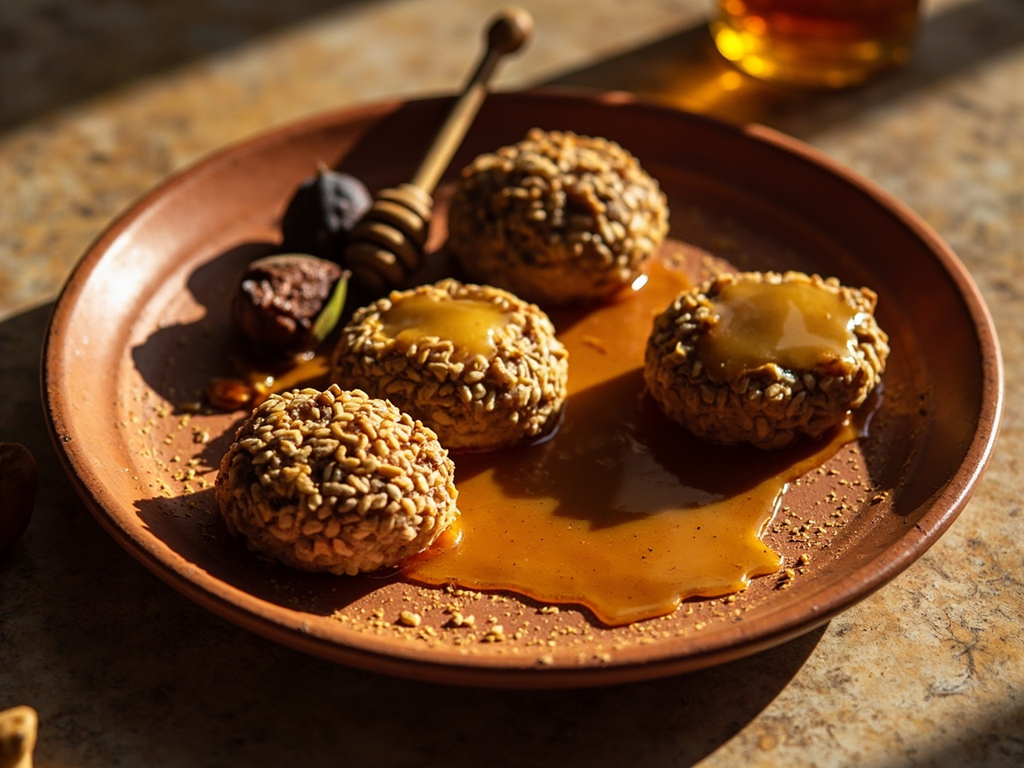
Pélanos with figs and honey, the offering to the gods
Offering (libation cake for the altar)
🍯 🫙· 35 min
View the recipe