 flip
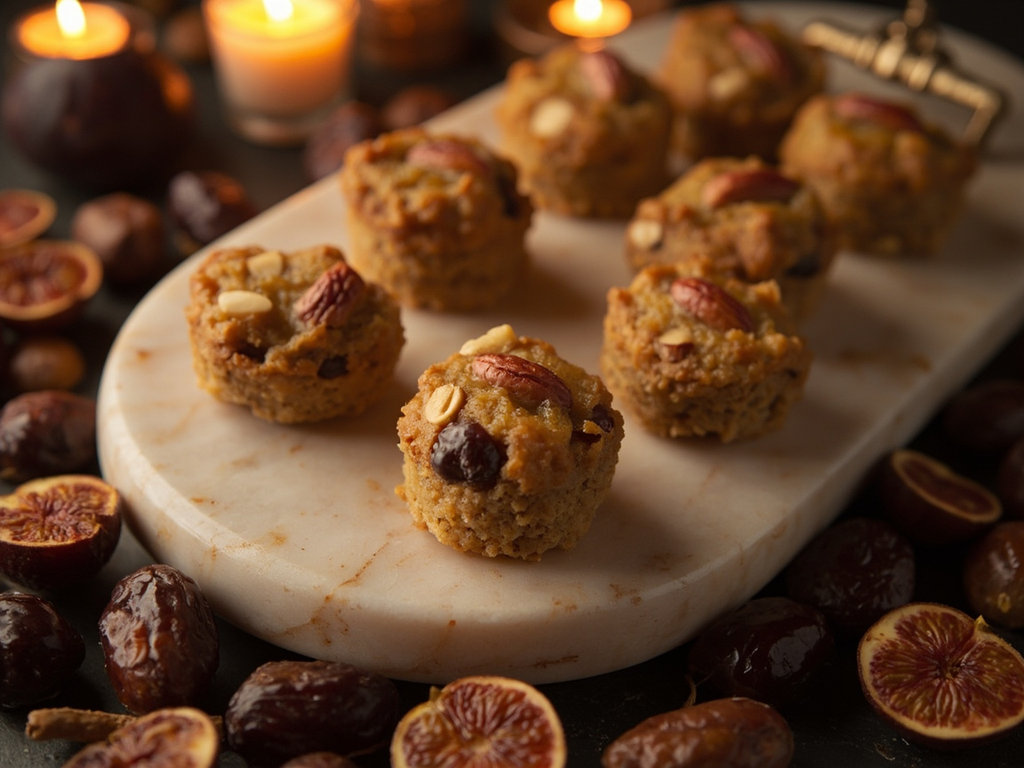
flipPélanos with figs and honey, the offering to the gods
Pélanos with figs and honey, the offering to the gods
Why this dish? Even the philosopher of air respects the city's rites: before an assembly on the agora or a consultation at the nearby oracle of Didyma, a cake of honey and figs is placed on the altar. Inspired by Greek offerings, this sweet dish honors the gods of Ionia without reproducing any sacred ritual.
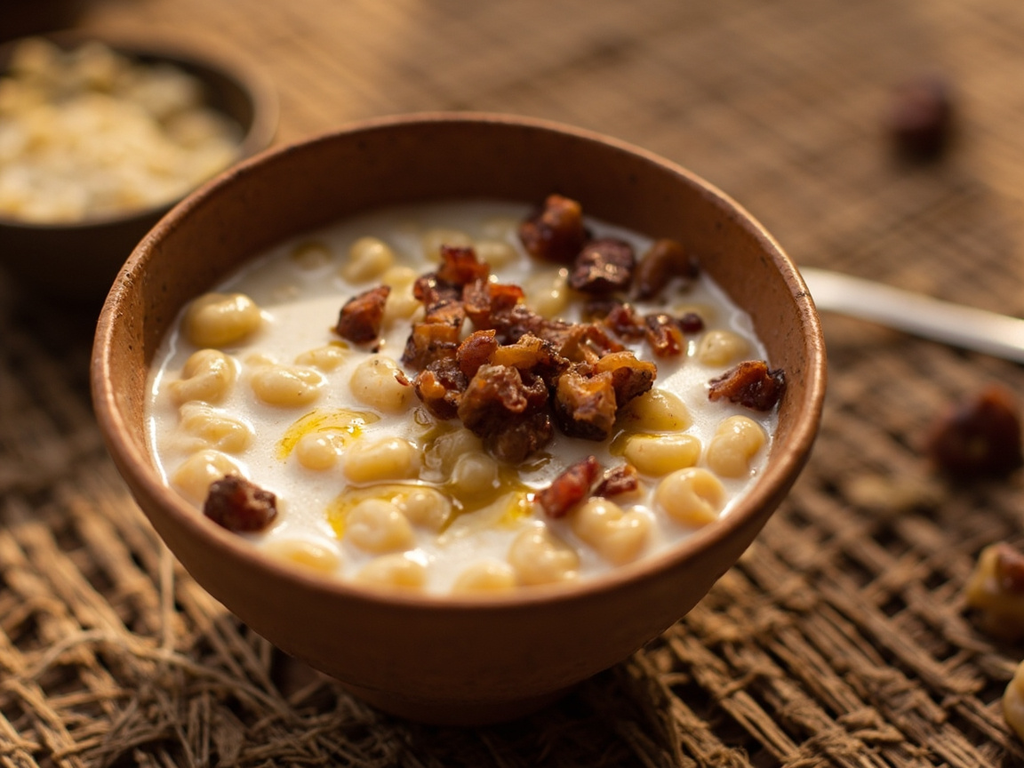
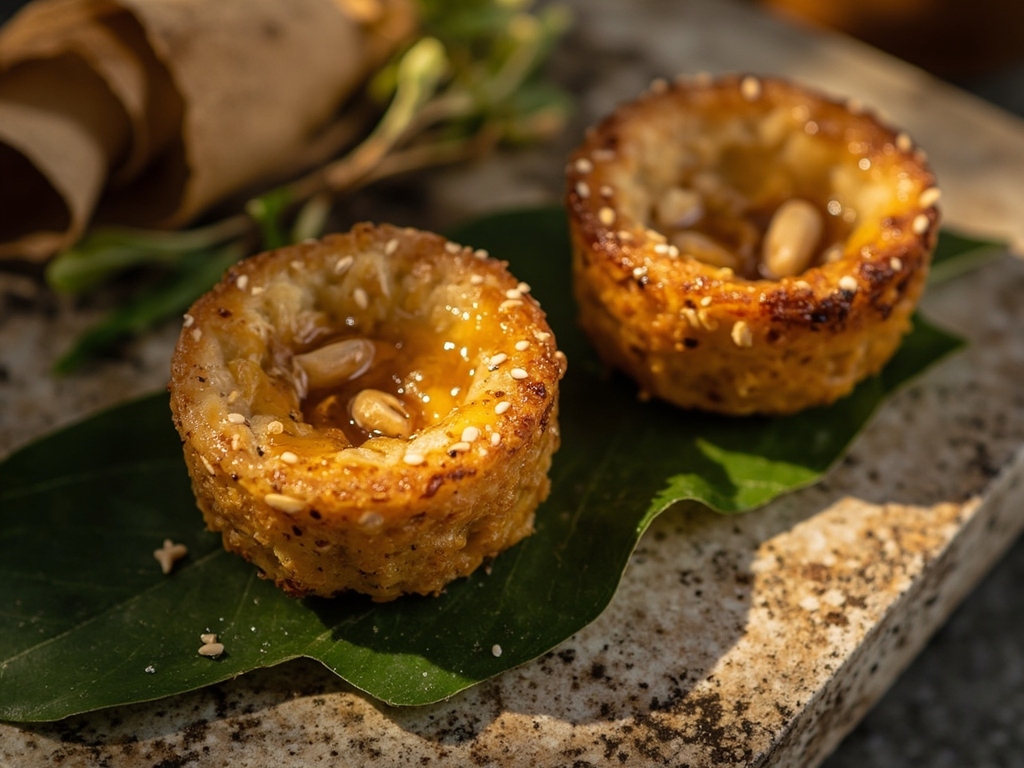
A small soft cake of flour, honey and dried figs, deposited as an offering on altars. Sweet and fragrant, it represented the gods' share in everyday Greek life — and later delighted the faithful.
The gods are not hungry like us, but the city requires we give them their portion: so I knead flour with thyme honey and figs that Ionian sun has dried. I place it on the altar before going to the agora, for it is fitting to greet the powers before questioning nature. Honey never spoils — it keeps within itself something incorruptible, like the air from which all proceeds. What remains after the offering, the child eats: thus the sacred also nourishes the living.
- •Wheat flour — a bowl (base)
- •Ionian thyme honey — generously (sweet binder)
- •Dried figs — a handful (filling)
- •Sesame seeds — a pinch (herb)
- •Olive oil — a drizzle (moistness)
Pélanos with figs and honey, the offering to the gods
A small soft cake of flour, honey and dried figs, deposited as an offering on altars. Sweet and fragrant, it represented the gods' share in everyday Greek life — and later delighted the faithful.
Why this dish? Even the philosopher of air respects the city's rites: before an assembly on the agora or a consultation at the nearby oracle of Didyma, a cake of honey and figs is placed on the altar. Inspired by Greek offerings, this sweet dish honors the gods of Ionia without reproducing any sacred ritual.
The gods are not hungry like us, but the city requires we give them their portion: so I knead flour with thyme honey and figs that Ionian sun has dried. I place it on the altar before going to the agora, for it is fitting to greet the powers before questioning nature. Honey never spoils — it keeps within itself something incorruptible, like the air from which all proceeds. What remains after the offering, the child eats: thus the sacred also nourishes the living.
Ingredients (period version)
- Wheat flour — a bowl (base)
- Ionian thyme honey — generously (sweet binder)
- Dried figs — a handful (filling)
- Sesame seeds — a pinch (herb)
- Olive oil — a drizzle (moistness)
Ingredients
- Wheat flour — 200 g (base)
- Honey (preferably thyme) — 100 g (sweet binder)
- Chopped dried figs — 120 g (filling)
- Sesame seeds — 2 tbsp (herb)
- Olive oil — 3 tbsp (moistness)
- Water — 50 ml approx (binder)
Method
- Chop the dried figs into small pieces.
- Mix the flour, honey, olive oil and a little water until you get a soft dough; incorporate the figs.
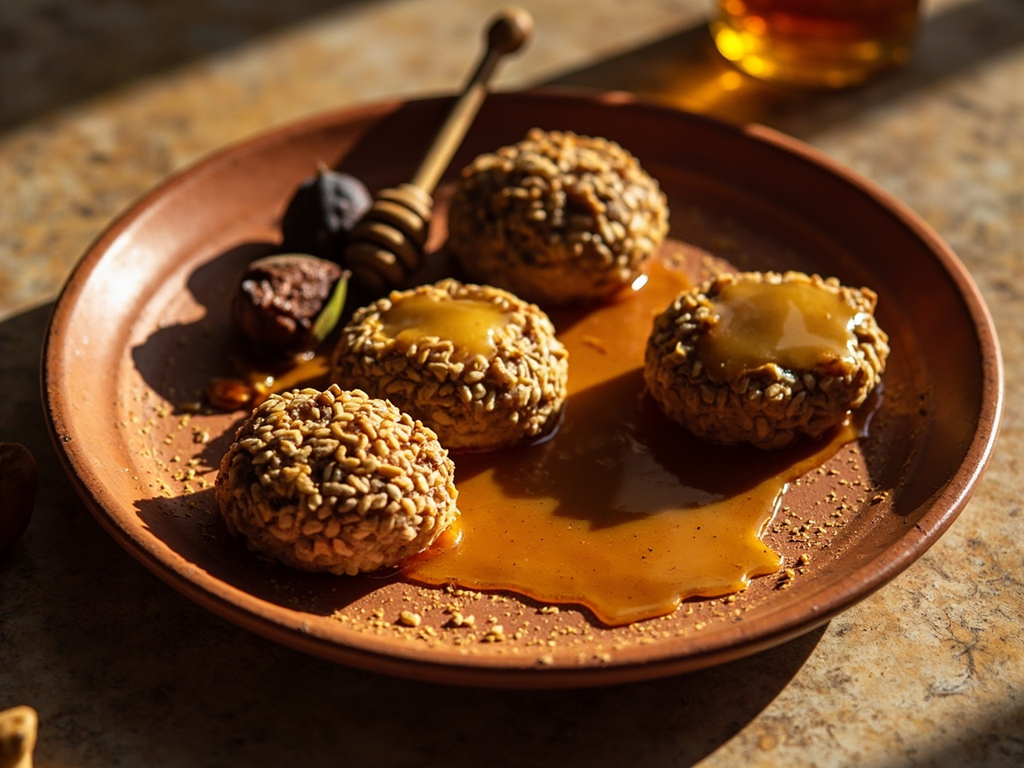
- Shape small round cakes and roll them in sesame seeds.
- Place on an oiled tray and bake at 180 °C for 18 to 20 minutes, until golden.
- Let cool slightly, drizzle with a final thread of honey and serve.
How it was made : The Greeks offered the gods cakes called pélanos or popana, made of flour, honey and sometimes cheese or dried fruit. Honey, considered incorruptible and precious, and the fig, an emblematic Greek fruit, were common offering foods. After the bloodless sacrifice, the cakes were shared and eaten by the participants.
The contemporary twist : Presented as bite-sized balls rolled in sesame and served as a banquet dessert "à la grecque", with a little fresh cheese and honey — energy bites from antiquity.
Sources : Andrew Dalby, Siren Feasts, Routledge, 1996 · Jean-Louis Durand, Sacrifice et labour en Grèce ancienne, La Découverte, 1986
Anaximenes · Charactorium