 Flip the card
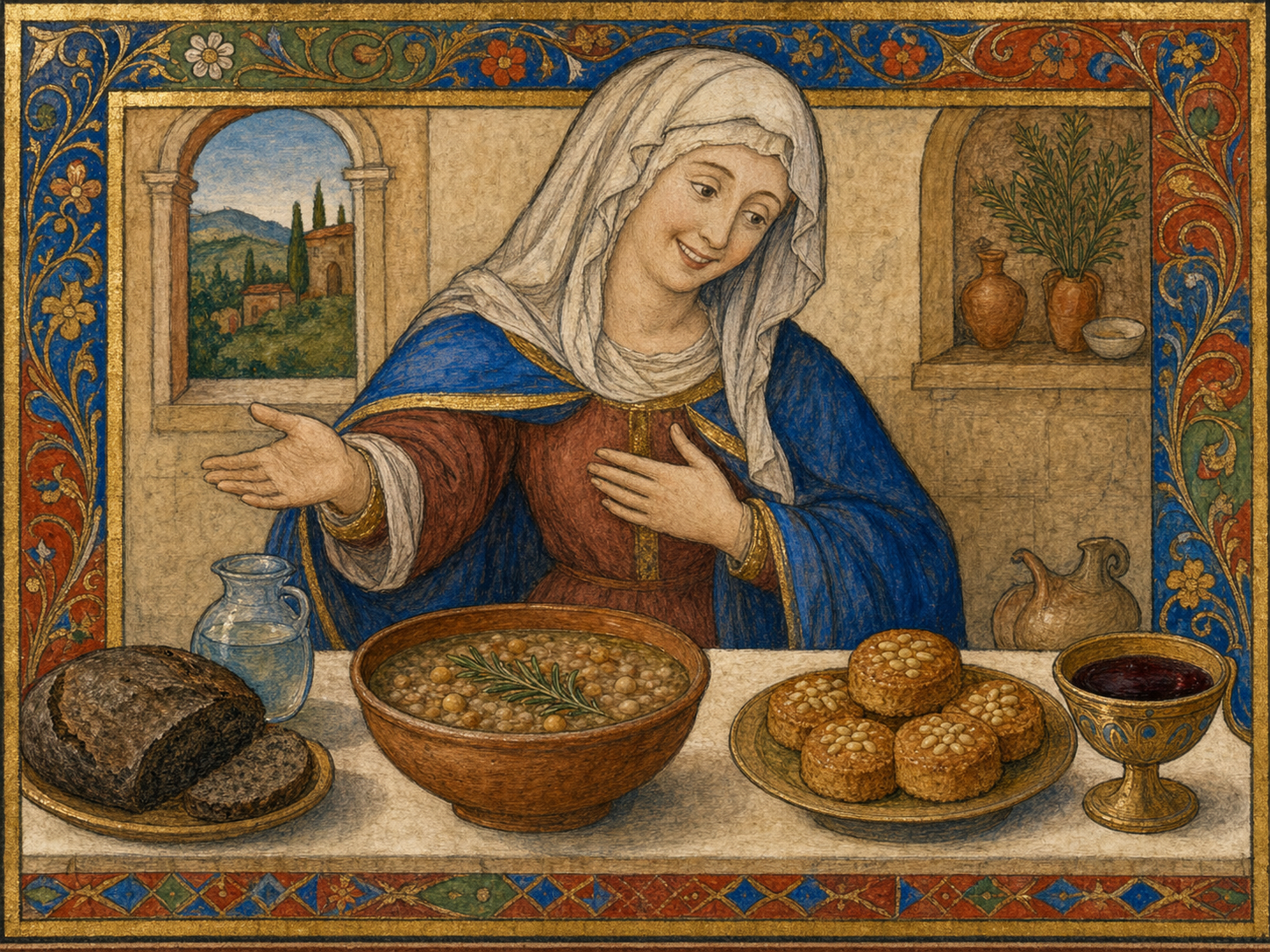
Angela of Foligno at the table
1248 — 1309
On the menu
The Table of the Third Order — the Refectory of Penance
Among the Franciscan tertiaries of Umbria, there is no French-style starter or dessert: there are days of abstinence and feast days, marked by the liturgical calendar. The ordinary fare is reduced to bread, water, and a legume pottage from the garden and the pantry (farro, chickpeas, broad beans, lentils), drizzled with a trickle of olive oil from the hills. On strict fast days, only bread and water; on major feasts (Easter, Saint Francis' Day), a little honey, dried fruit, or watered wine cheers the community. Food is always thought of as prayer: one eats little, shares, and offers to the poor and pilgrims.
Signature : Olive oil from the Umbrian hills
A trickle of green gold pressed around Foligno and Assisi, oil is the only luxury allowed: it perfumes bread, binds the pottage, and sanctifies frugality. It is the fat of the poor and the monk, present even when everything else is lacking.
click to flip back
Angela of Foligno at the table
1248 — 1309
4 period recipes
 Everyday
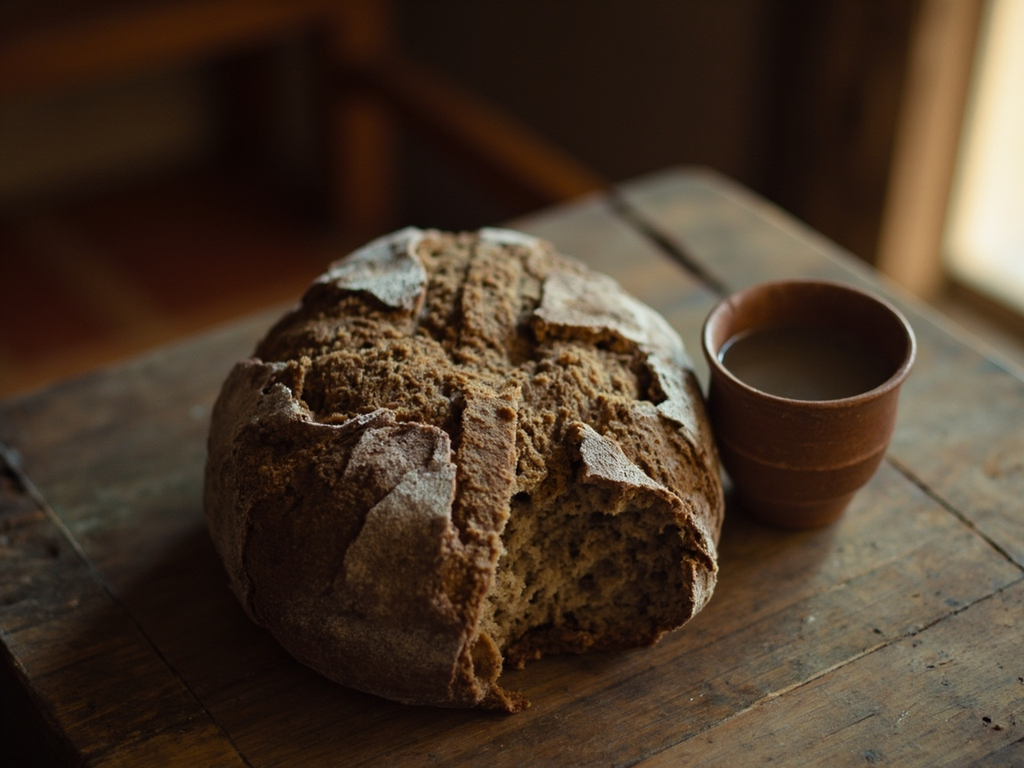
Pane e acqua — black penitential bread
Ordinary of a fast day (giorno di digiuno)
☕ 🧂· 1 h of work + 6 h of rising
View the recipe
 Festive
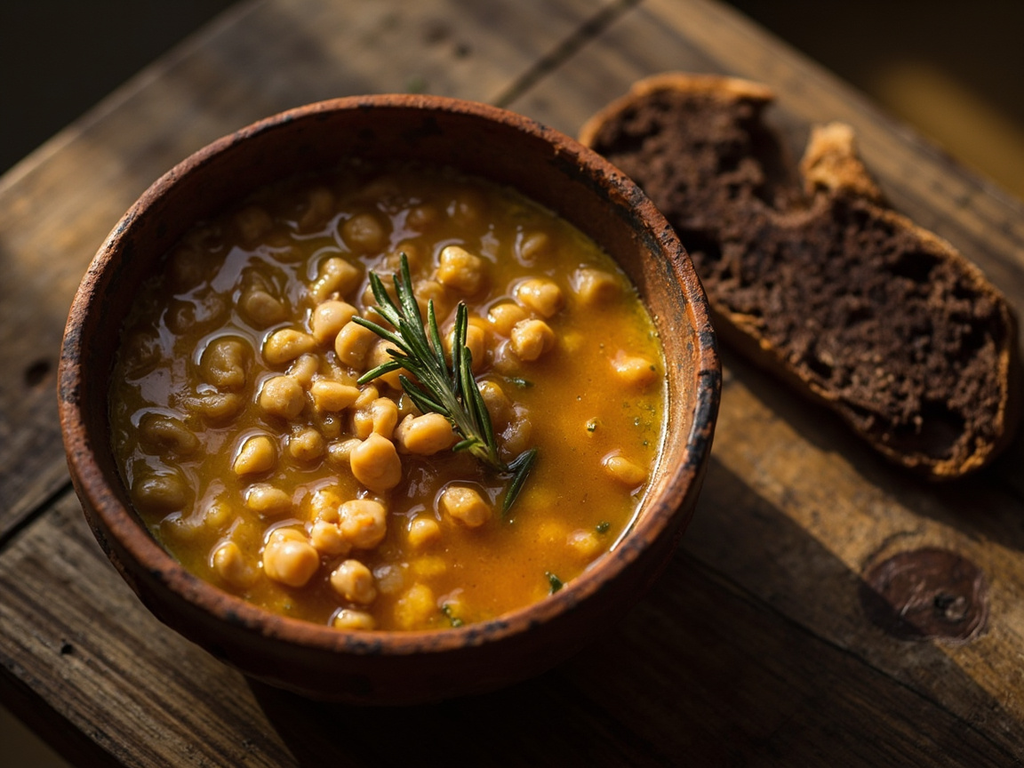
Minestra di farro e ceci — farro and chickpea soup with rosemary
Community dish for a feast day (giorno di festa)
🍄 🧂· 2 h 30 (excluding soaking)
View the recipe
 Offering
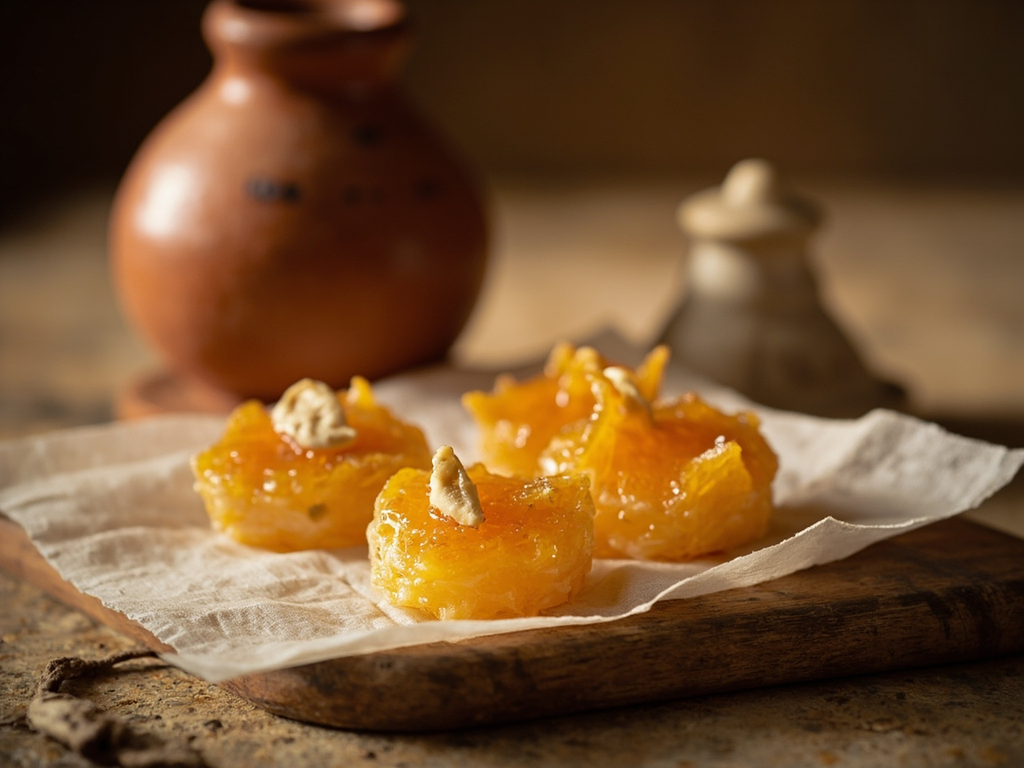
Pinoccate al miele — honey and pine nut cakes
Offering sweet for the poor and pilgrims (carità)
🍯· 30 min
View the recipe
 Remedy
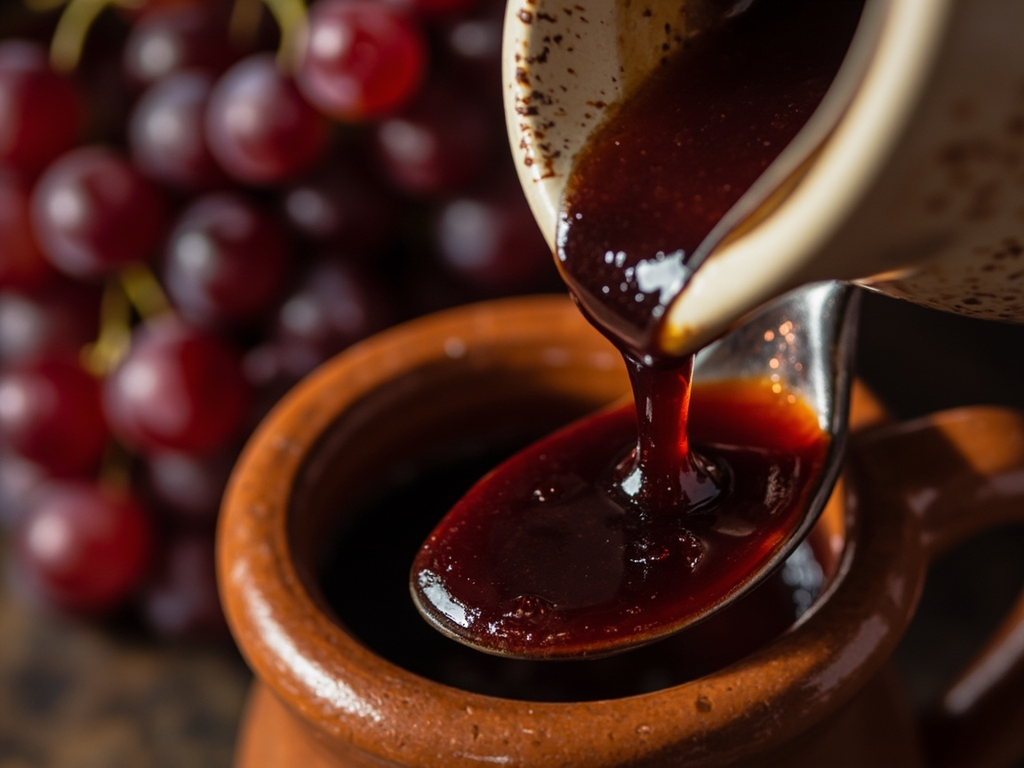
Sapa — cooked wine from reduced must, cordial for the sick
Remedy and cordial from the dispensary (medicina dolce)
🍯 🍋· 3 h (mostly reduction)
View the recipe