 flip
flipSapa — cooked wine from reduced must, cordial for the sick
Sapa — cooked wine from reduced must, cordial for the sick
Why this dish? Angela cared for the sick at the hospital of Foligno before visions absorbed her entirely. Sapa, a syrup of reduced must that every Umbrian household kept in reserve, was at once a sweetener, a preservative, and a comforting remedy: it was given, diluted in hot water, to those weakened by fever.
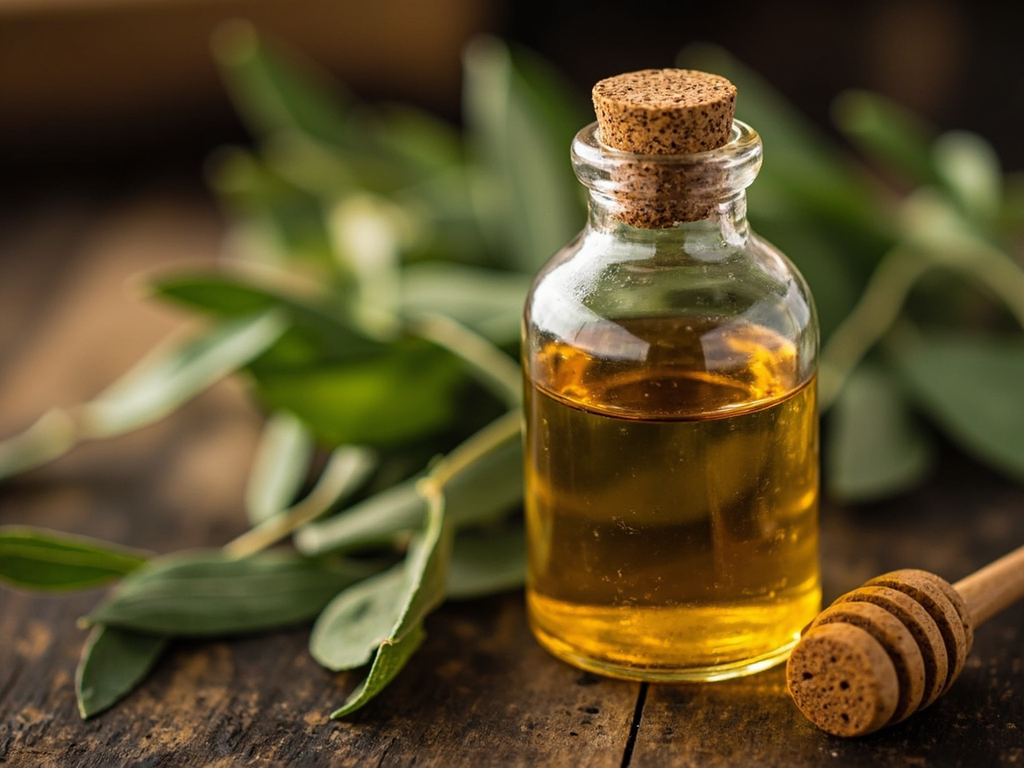
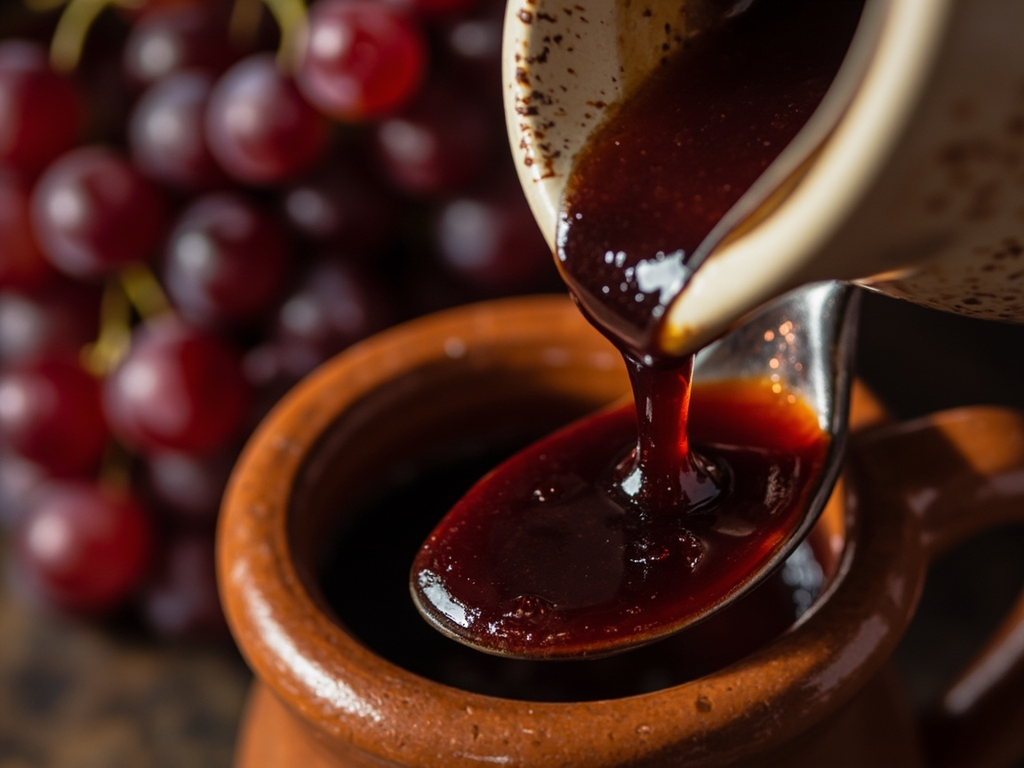
A thick amber syrup obtained by slowly reducing grape must, without any added sugar. Deliciously sweet and tangy, it keeps for months and is drunk diluted in hot water as a cordial, or drizzled over bread and porridges.
At the bedside of the sick, I always kept a pot of sapa, for this grape sweetness restores heart to those who have no strength left. You take the must from the harvest, boil it all day over a low fire until it thickens and darkens like a syrup, skimming constantly. A spoonful dissolved in hot water, and the feverish find a little balm in the body; the rest keeps the whole winter in a sealed jar. Nothing is wasted, everything becomes charity.
- •Fresh grape must (pressed, unfermented juice) — a full cauldron (sole ingredient)
Sapa — cooked wine from reduced must, cordial for the sick
A thick amber syrup obtained by slowly reducing grape must, without any added sugar. Deliciously sweet and tangy, it keeps for months and is drunk diluted in hot water as a cordial, or drizzled over bread and porridges.
Why this dish? Angela cared for the sick at the hospital of Foligno before visions absorbed her entirely. Sapa, a syrup of reduced must that every Umbrian household kept in reserve, was at once a sweetener, a preservative, and a comforting remedy: it was given, diluted in hot water, to those weakened by fever.
At the bedside of the sick, I always kept a pot of sapa, for this grape sweetness restores heart to those who have no strength left. You take the must from the harvest, boil it all day over a low fire until it thickens and darkens like a syrup, skimming constantly. A spoonful dissolved in hot water, and the feverish find a little balm in the body; the rest keeps the whole winter in a sealed jar. Nothing is wasted, everything becomes charity.
Ingredients (period version)
- Fresh grape must (pressed, unfermented juice) — a full cauldron (sole ingredient)
Ingredients
- Pure unsweetened grape juice (or fresh must in season) — 2 liters (sole ingredient)
Method
- Pour the grape juice (or filtered fresh must) into a wide, heavy-bottomed pot.
- Bring to a simmer and reduce over low heat, uncovered, skimming regularly.
- Allow 2 to 4 hours of reduction: the liquid should reduce to about one-fifth of its volume and coat a spoon.
- Watch closely at the end to prevent the syrup from sticking or caramelizing too much; it should remain amber and syrupy.
- Pour boiling into a sterilized jar, seal, and let cool. Store in a cool place.
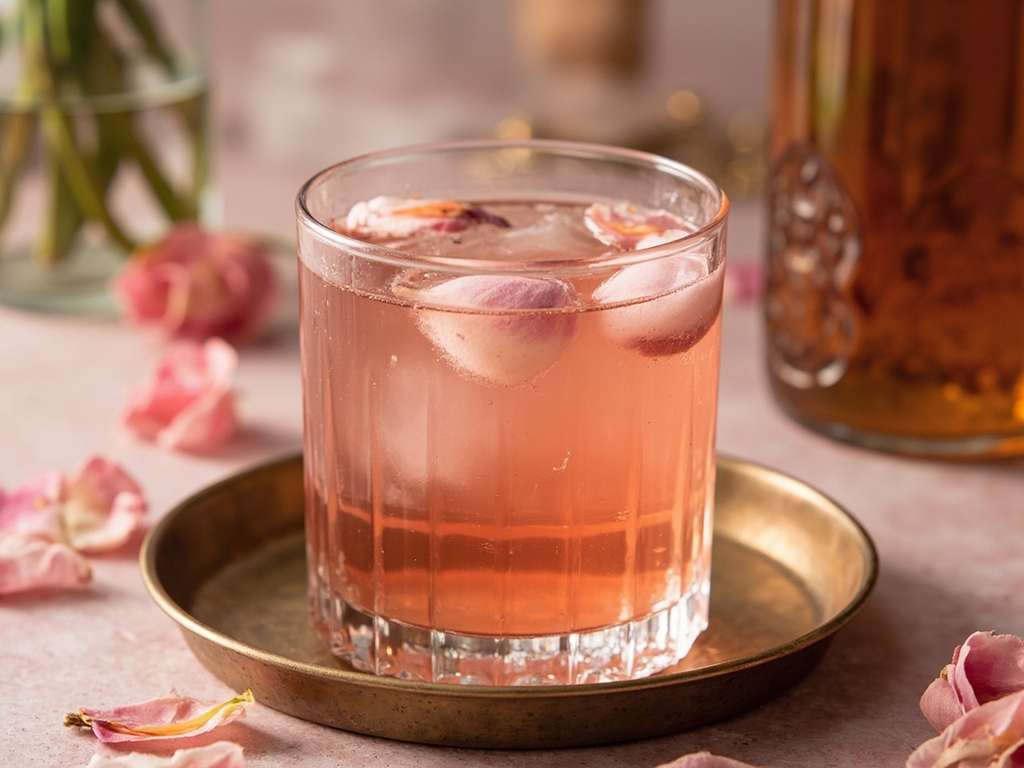
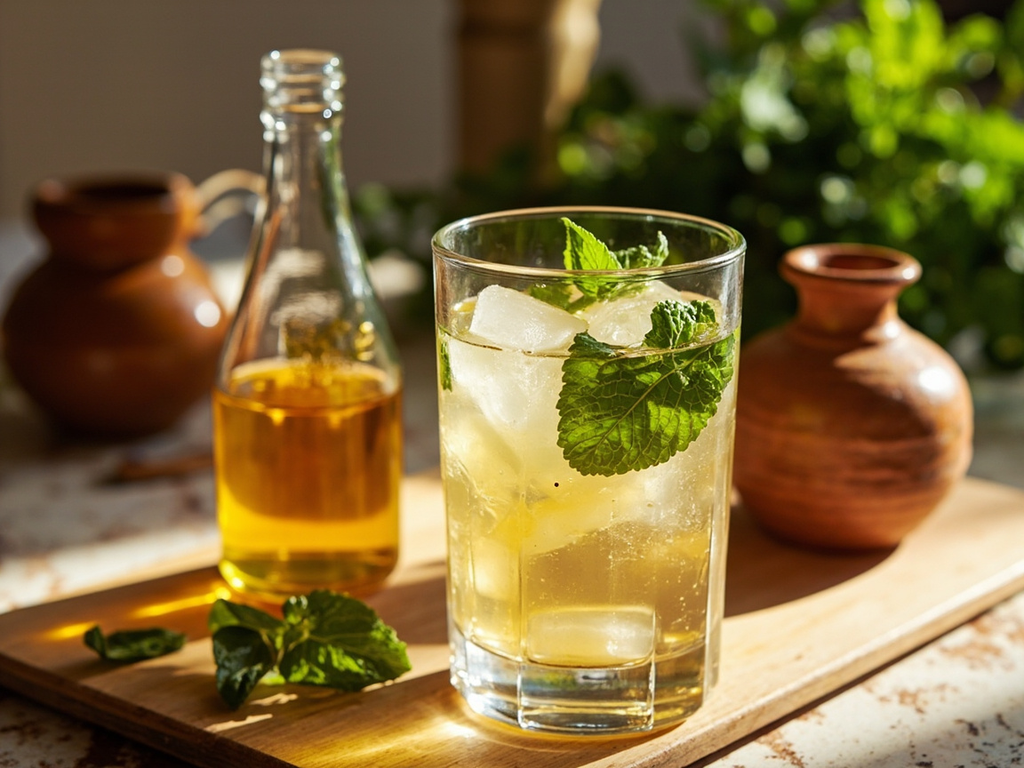
- For the cordial: dilute 1 to 2 tablespoons of sapa in a cup of hot water. As a syrup, drizzle over bread, fresh cheese, or porridge.
How it was made : Sapa (or saba, defrutum in Roman times) is one of Italy's oldest sweeteners and preservatives: lacking sugar, they concentrated the sweetness of grapes by cooking. Full pots were made at each vintage and lasted through winter. A gentle medicine of convents and countryside, it served as a restorative remedy, a cough syrup, and a sweetener on lean days when honey was scarce.
The contemporary twist : A few drops of sapa on fresh ricotta with a pinch of orange zest: a dessert three centuries before the word dessert was invented — and the direct cousin of balsamic vinegar, born from the same gesture.
Sources : Apicius, De re coquinaria (defrutum / sapa) · Massimo Montanari, La faim et l'abondance
Angela of Foligno · Charactorium