The Russian Meal: Zakuski, Pervoye, Vtoroye, and Tchaïepitié
The Russian table is not divided into starter-main course-dessert. One begins with *zakuski* (small savory bites, pickles, smoked fish), then *pervoye blyudo* (the "first course": a soup-staple, *shchi* or *borscht*), followed by *vtoroye blyudo* (the "second course": *kasha*, meat or fish). The meal ends not with dessert but with *tchaïepitié*, the tea ceremony around the samovar, where one slowly sips black tea accompanied by jams, *kissel*, and pastries. In Akhmatova's Leningrad of privations, this structure remained, reduced to essentials: a bit of *kasha*, a clear soup, and always, to the very end, the ritual of tea.
Signature : Smetana and Dill
Sour cream (*smetana*) crowns almost everything in Russian cuisine: it is poured into soup, over *kasha*, over potatoes. Paired with fresh dill (*ukrop*), it is the flavor signature that connects the humblest daily meal to the feast. Akhmatova, even on rations, kept the taste of these childhood flavors from Tsarskoye Selo.
Anna Akhmatova at the table
1889 — 1966
5 period recipes
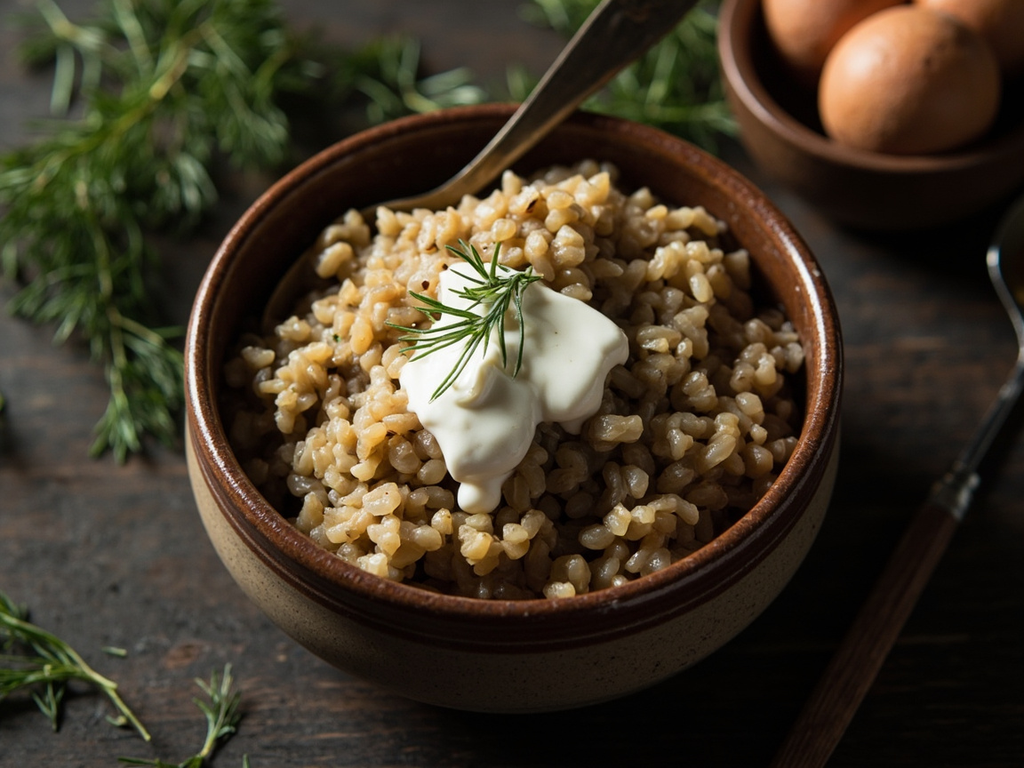 Everyday
Grechnevaya Kasha (Buckwheat Porridge)
Vtoroye blyudo — the nourishing "second course" of daily life
🧂 🍄· 30 min
View the recipe
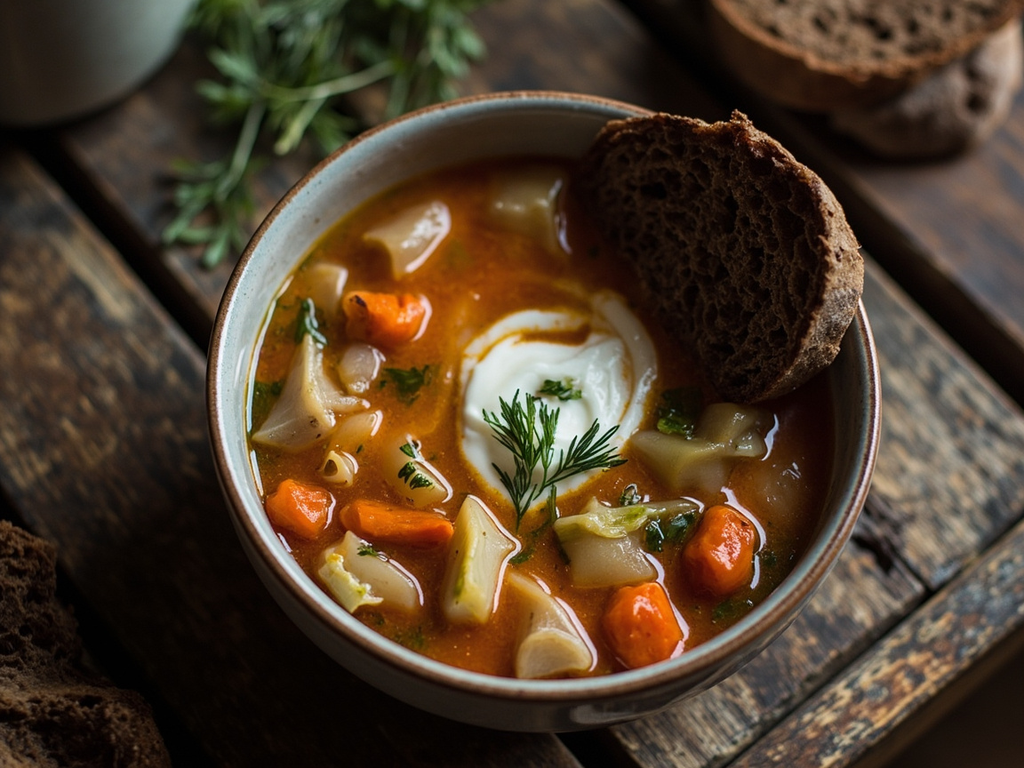 Everyday
Shchi of Fresh Cabbage with Smetana
Pervoye blyudo — the soup-staple that opens the meal
🍋 🧂· 45 min
View the recipe
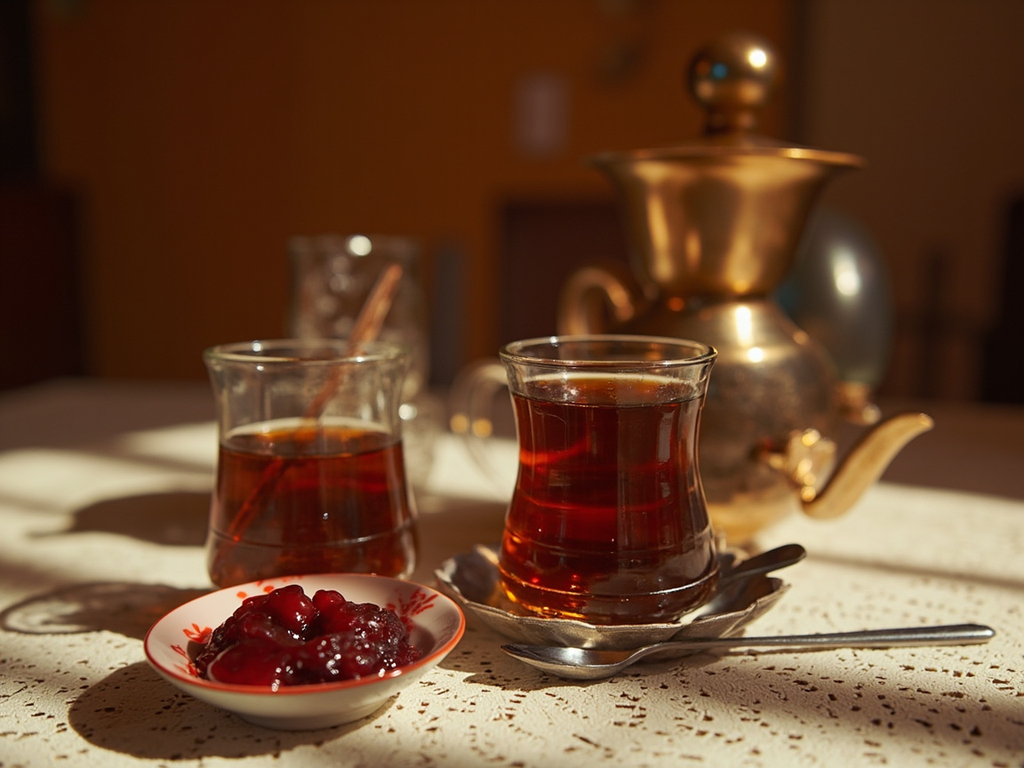 Drink
DrinkTchaïepitié with Samovar and Sour Cherry Jam
Tchaïepitié — the tea ceremony that closes and extends the meal
🍯 🍋· 1 h (jam) + service
View the recipe
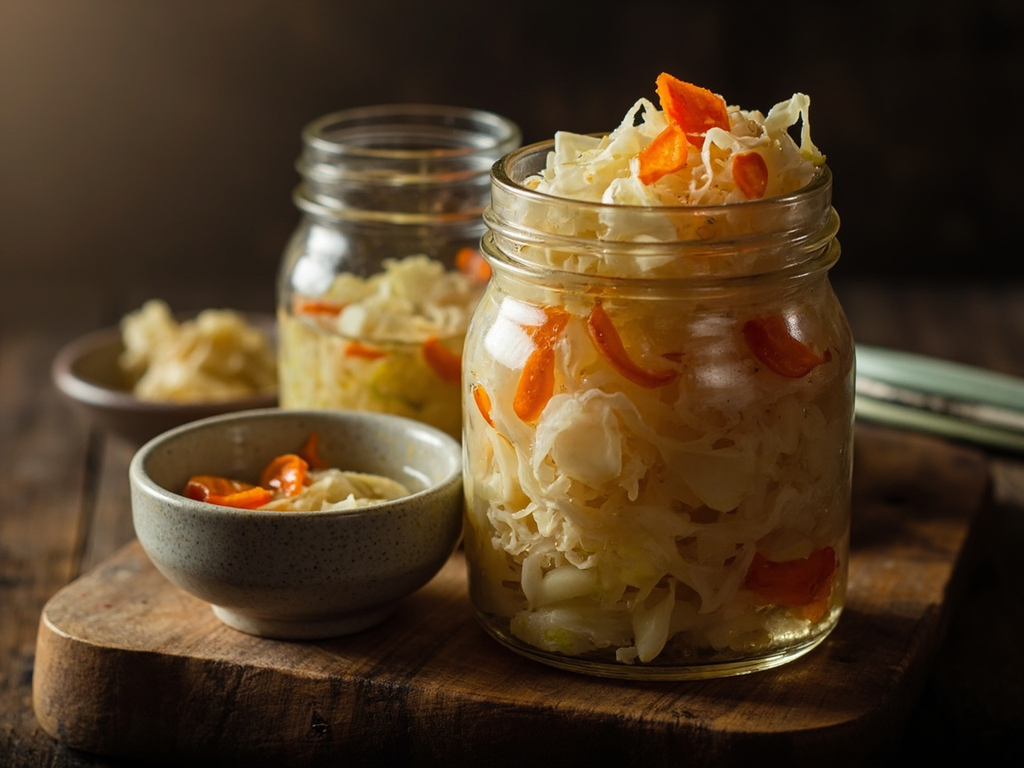 Preserving
Kvashenaya Kapusta (Lacto-Fermented Cabbage)
Zakuska for preservation — the pickle that whets the appetite and gets through winter
🫙 🍋 🧂· 30 min + 5 to 10 days fermentation
View the recipe
 Remedy
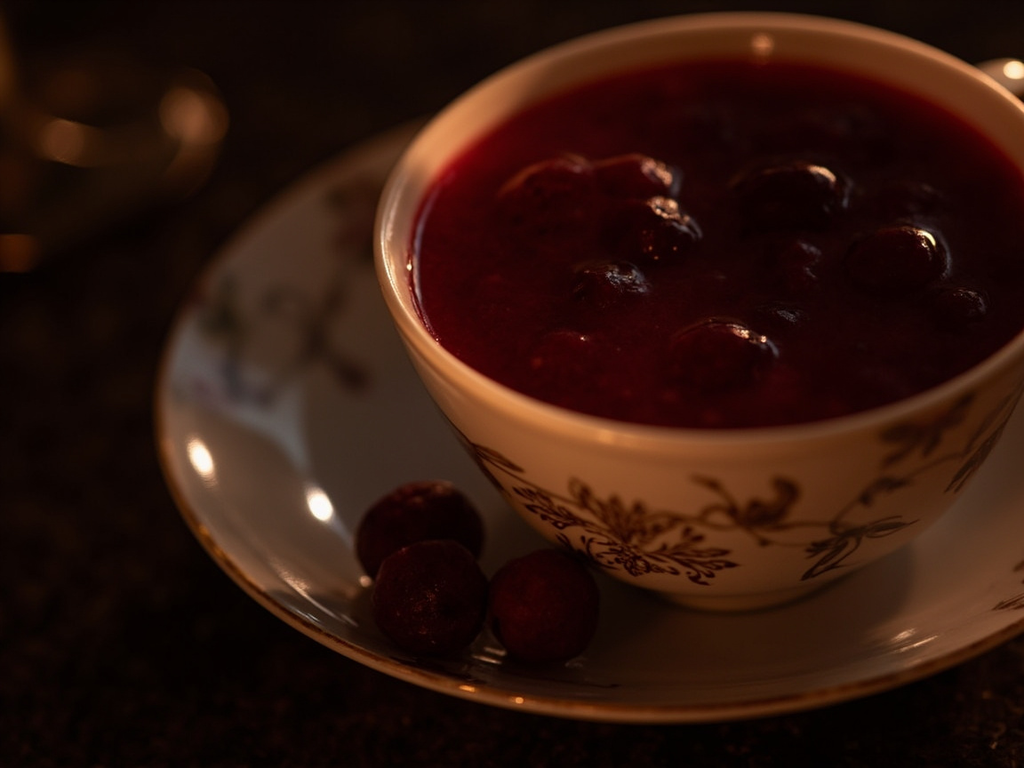
Kissel of Lingonberries
Closing comfort drink — between liquid dessert and Northern remedy
🍋 🍯· 20 min
View the recipe