The Russian Obed and the Eternal Samovar
The 19th-century Russian table unfolds in sequence: you begin with zakuski (small savory and marinated bites), then comes the pervoyé—the 'first,' always a steaming soup like shchi—then the vtoroyé, the 'second' dish of fish or meat, and you close almost every moment of the day around the singing samovar, with its tea and preserves. In a house like Melikhovo, the samovar never lets its embers die: it is the heart of the home from morning to night.
Signature : The Samovar and the Fermentation of Cabbage
Two techniques define this cuisine: the copper samovar, a kettle-stove that keeps water simmering all day for endless tea, and the lacto-fermentation of cabbage (kvashyonaya kapusta), which gives shchi its sharp acidity and allows one to survive the Russian winter. The sourness of cabbage and the bitterness of tea are the two flavors that punctuate Chekhov's daily life.
Anton Chekhov at the table
1860 — 1904
5 period recipes
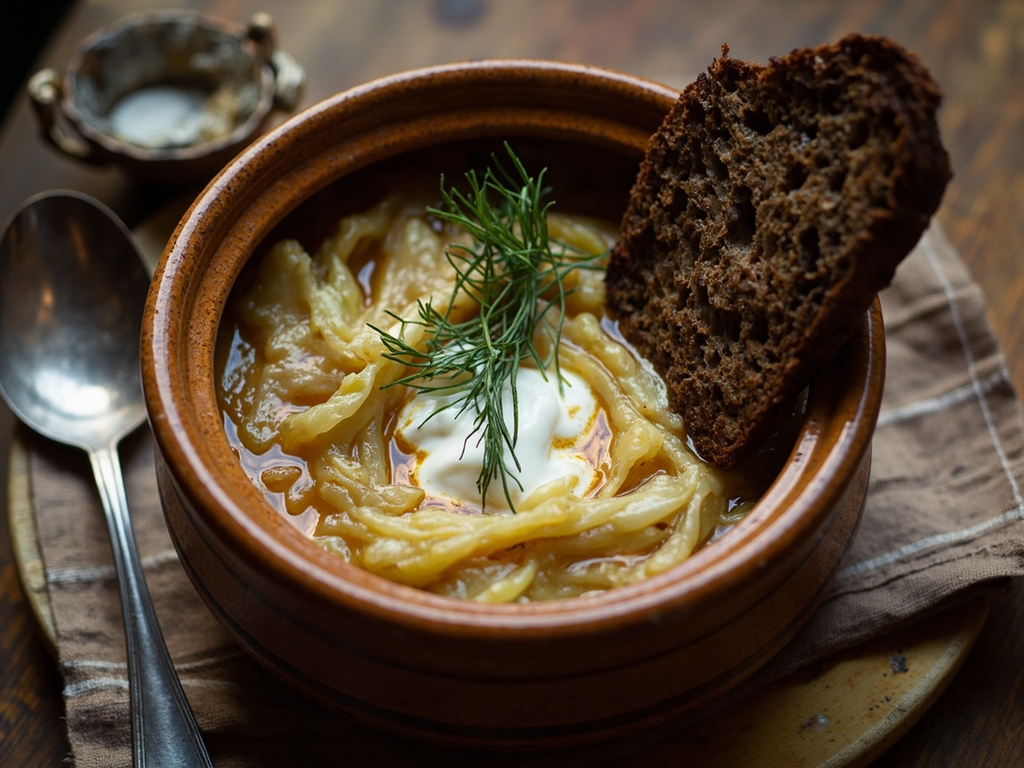 Everyday
Sour Cabbage Shchi
Pervoyé — the 'first' course, the soup that is the foundation of every Russian meal
🍋 🧂 🍄· 2 h 30
View the recipe
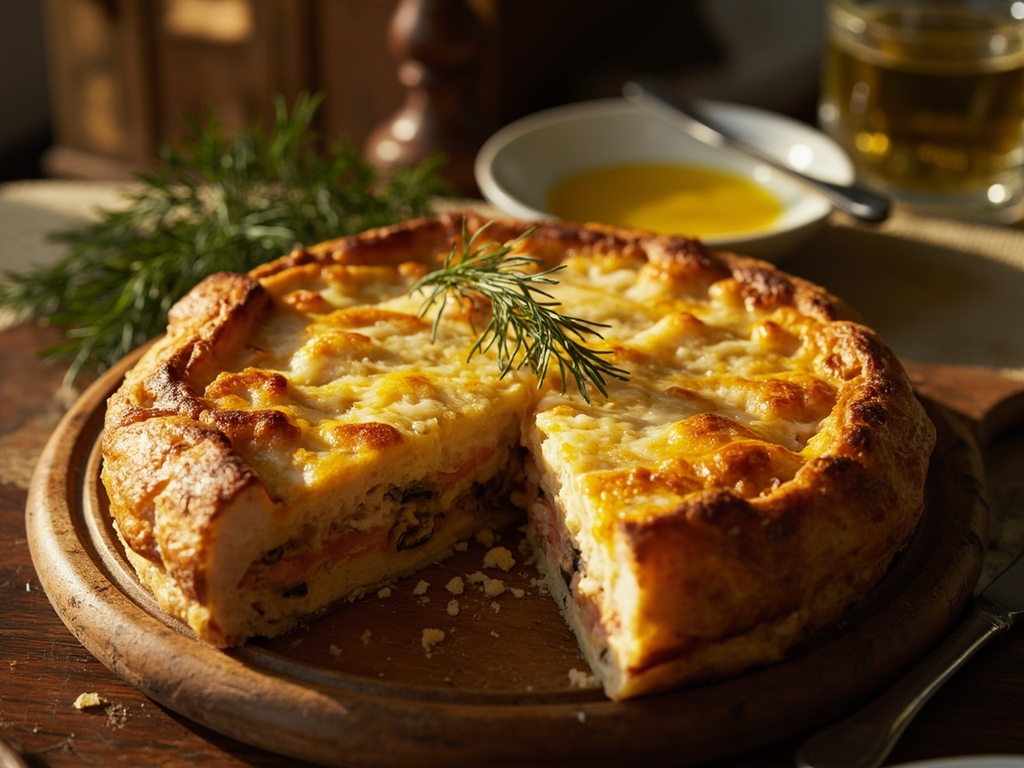 Festive
Fish Koulibiak
Vtoroyé de fête — the grand pie that reigns at the center of the table on festive days
🧂 🍄· 1 h 30
View the recipe
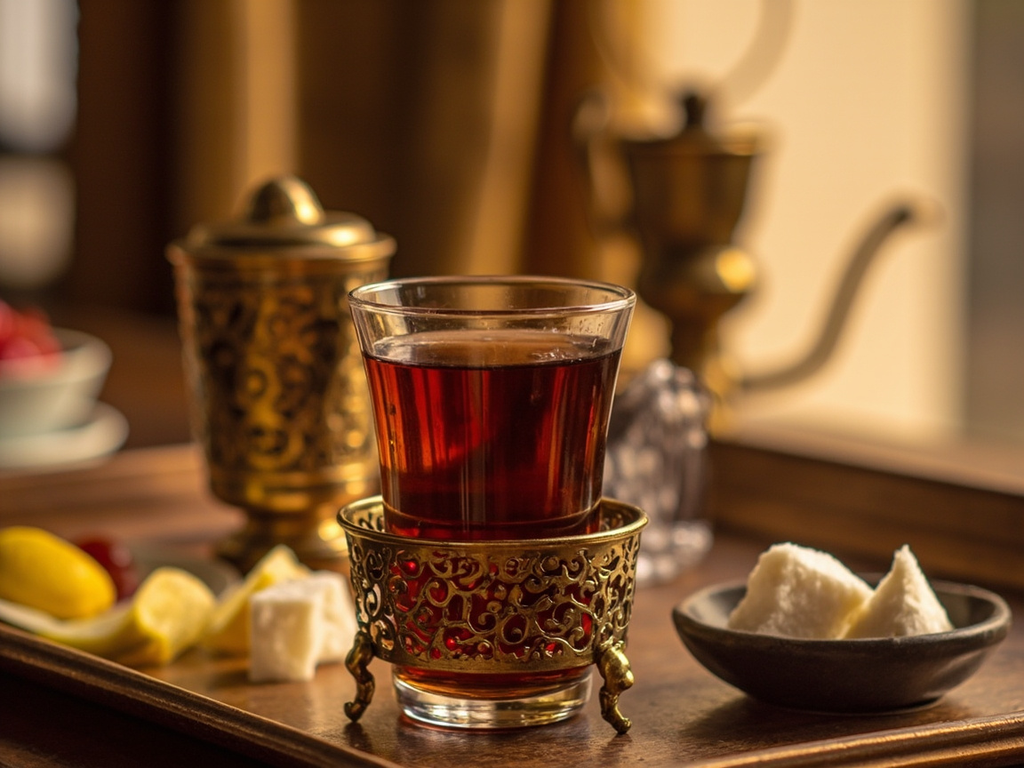 Drink
DrinkSamovar Tea
Tchai — the tea ritual that punctuates every hour of the Russian day
☕ 🍯· 15 min
View the recipe
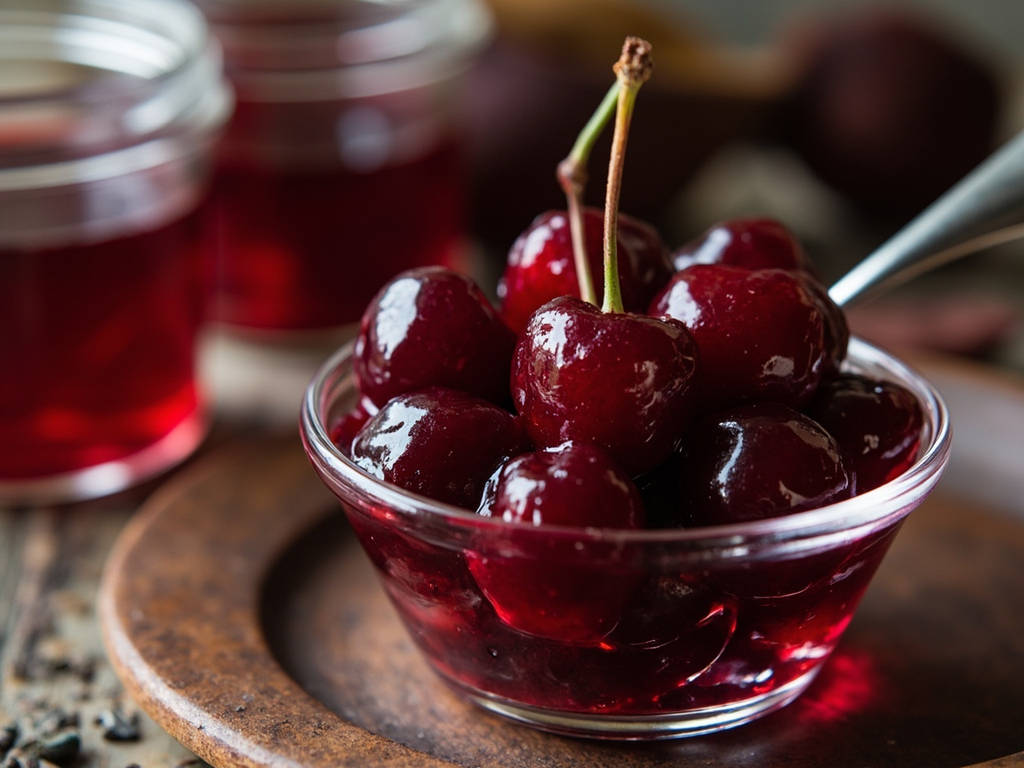 Preserving
Sour Cherry Varenye
Varenye — the preserve-reserve, treasure of the pantry and obligatory companion to tea
🍯 🍋· 1 h (over 2 days)
View the recipe
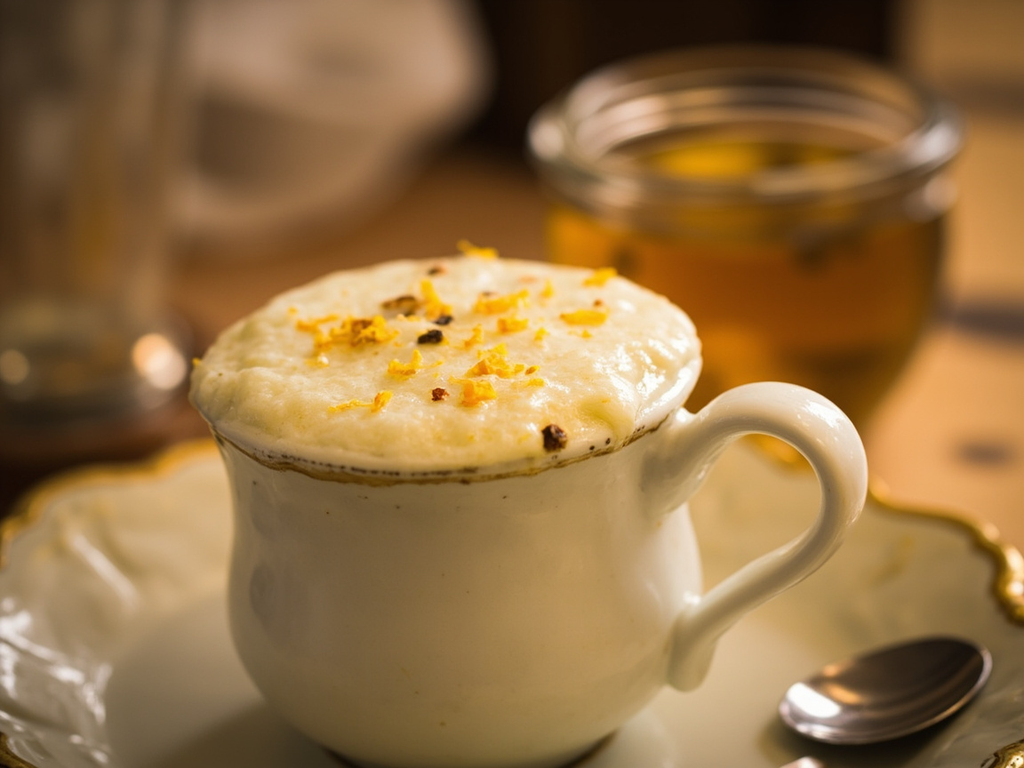 Remedy
Doctor's Gogol-Mogol
Lekarstvo domachneye — the home remedy, prepared in the heart of the home against sore throats
🍯· 10 min
View the recipe