The Roman Dinner (gustatio, mensa prima, mensa secunda)
The grand Roman meal unfolds in three stages: gustatio (savory appetizers—eggs, olives, salted meats, served with honeyed wine), mensa prima (main courses—fish, meats, vegetables dressed with garum), and mensa secunda (fresh and dried fruits, honey sweets). In the home of a wealthy man like Apollodorus, a Greek from Syria living in Rome, this Roman framework gladly welcomes the products of his native East—dates, dried fruits, and spices from the Damascus road.
Signature : Garum (liquamen)
Fermented fish sauce, the king condiment of all Roman cuisine: a salty, umami drop that was slipped into almost every dish, from the humblest to the most festive. Apollodorus, who oversaw building sites and banquets across the Empire, found its familiar taste from Rome to the banks of the Danube.
Apollodorus of Damascus at the table
50 — 120
5 period recipes
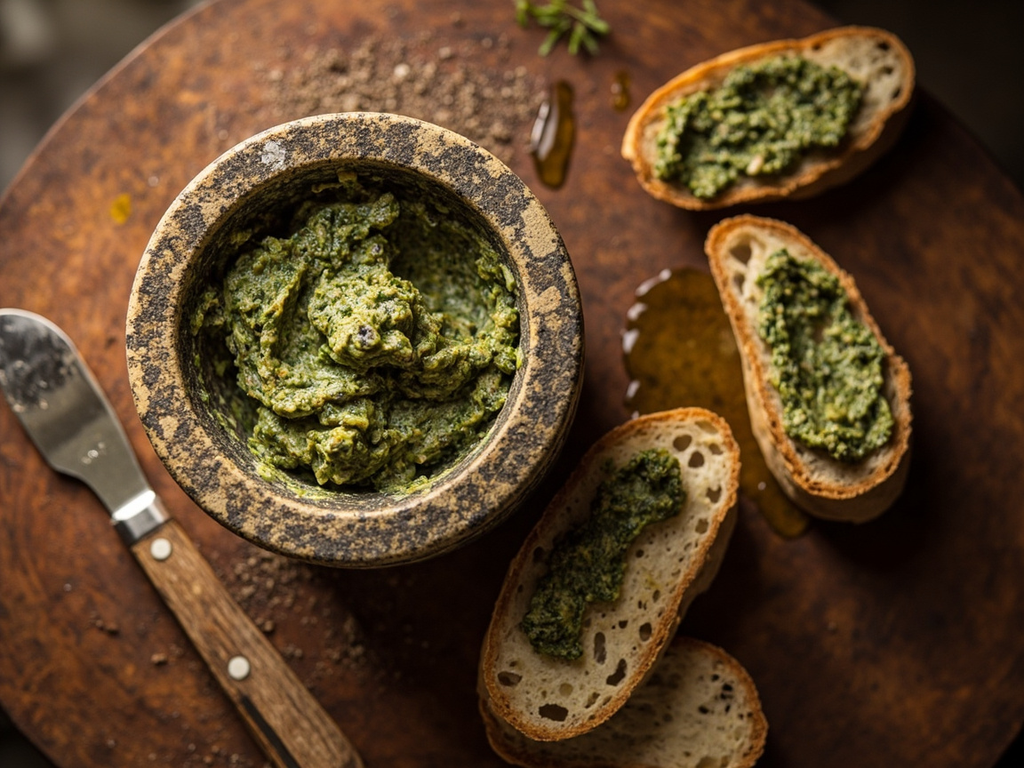 Everyday
Moretum, the Garlic Fresh Cheese of the Workshop
Gustatio — savory start to the everyday table
🧂 🍄 🫙· 15 min
View the recipe
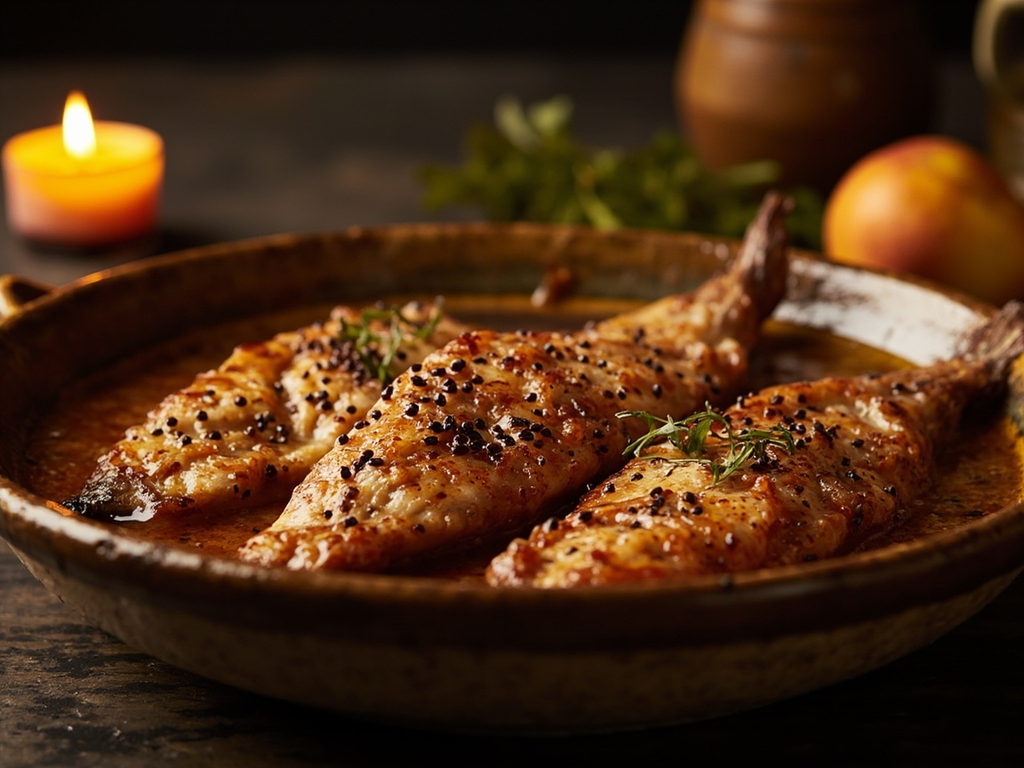 Festive
Patina of Red Mullet with Garum and Honey
Mensa prima — the main course of the banquet
🍄 🧂 🍯· 30 min
View the recipe
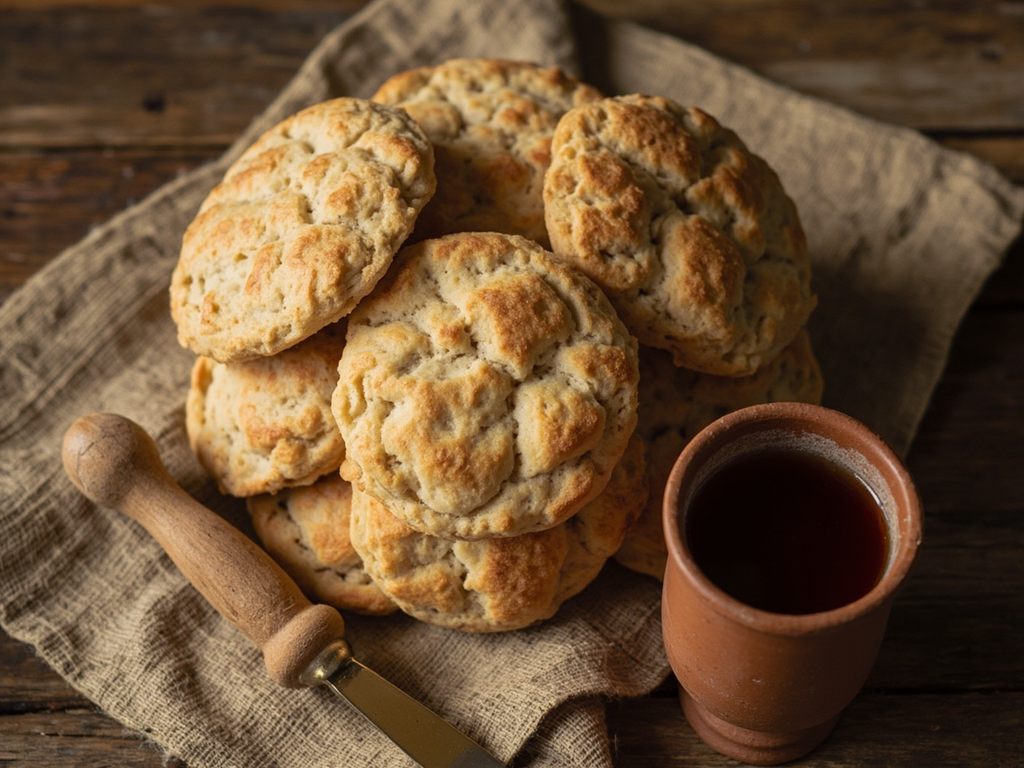 Travel
Buccellatum, the Biscuit of the Building Site and the Road
Cibaria viatica — travel and military march provisions
🧂· 3 h (including drying)
View the recipe
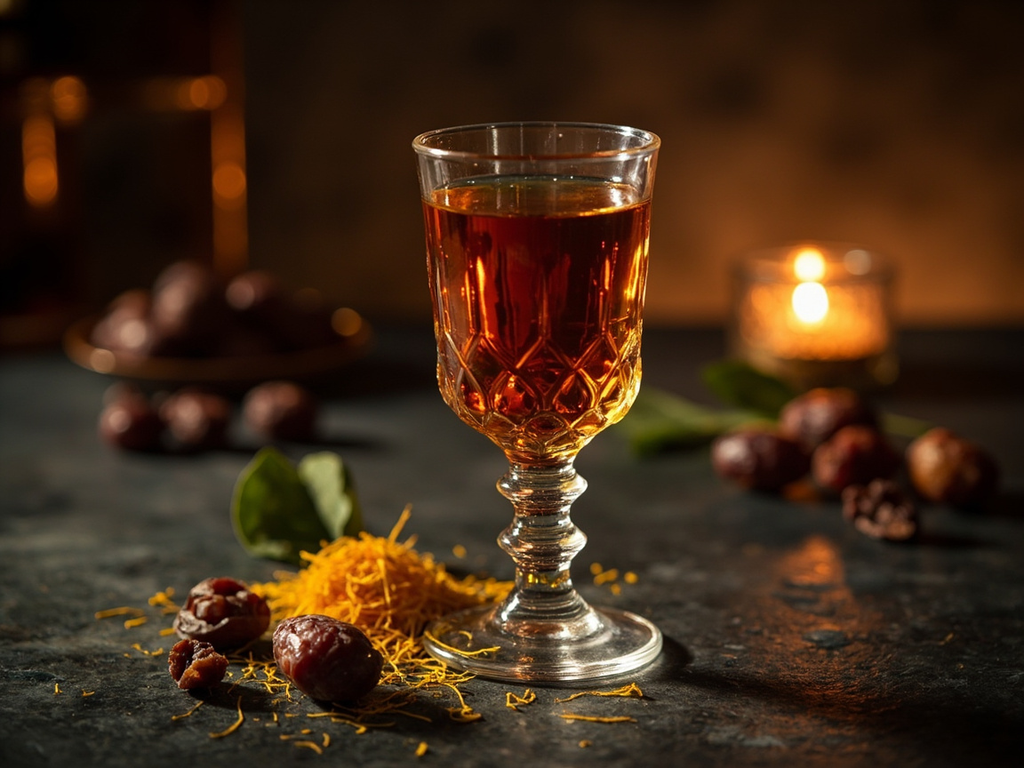 Drink
DrinkConditum Paradoxum, Spiced Honeyed Wine
Gustatio drink — aperitif and welcome wine of the banquet
🍯 🌶️· 20 min
View the recipe
 Preserving
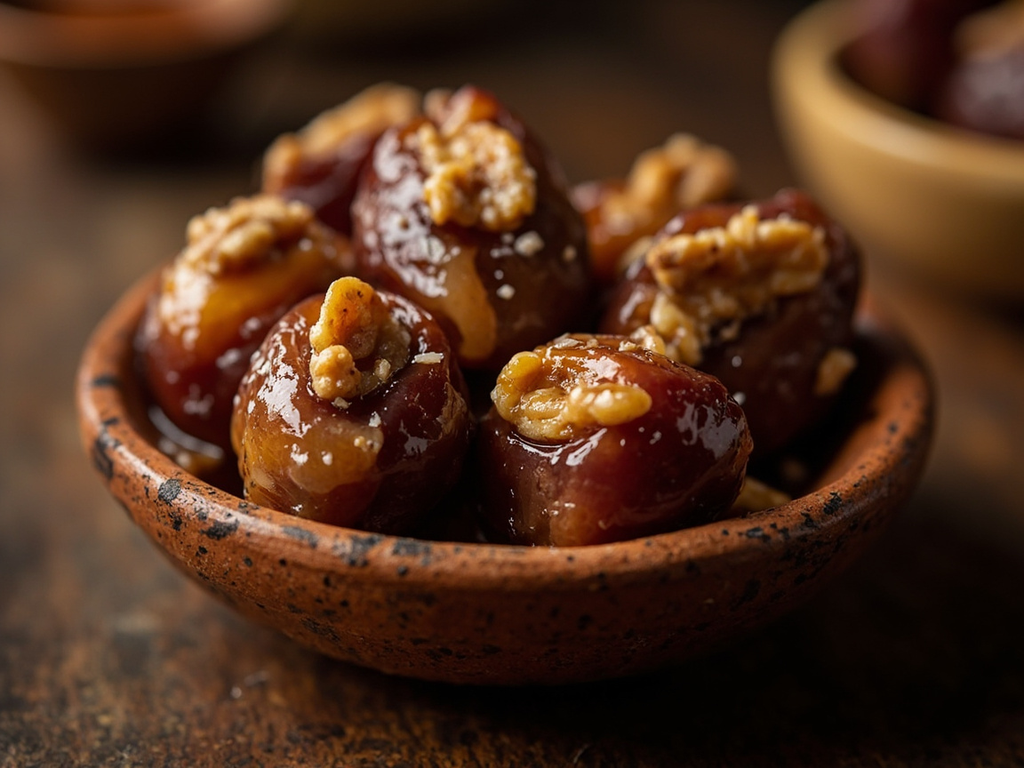
Damascus Dates Confit in Honey (dulcia domestica)
Mensa secunda — end-of-meal sweets, and sweet provisions that keep
🍯· 20 min
View the recipe