 flip
flipBuccellatum, the Biscuit of the Building Site and the Road
Buccellatum, the Biscuit of the Building Site and the Road
Why this dish? Apollodorus followed Trajan's legions to the Danube to throw his monumental bridge at Drobeta. On these military construction sites far from Rome, men ate the soldiers' hard biscuit, buccellatum: baked twice, it kept for weeks and traveled in packs.
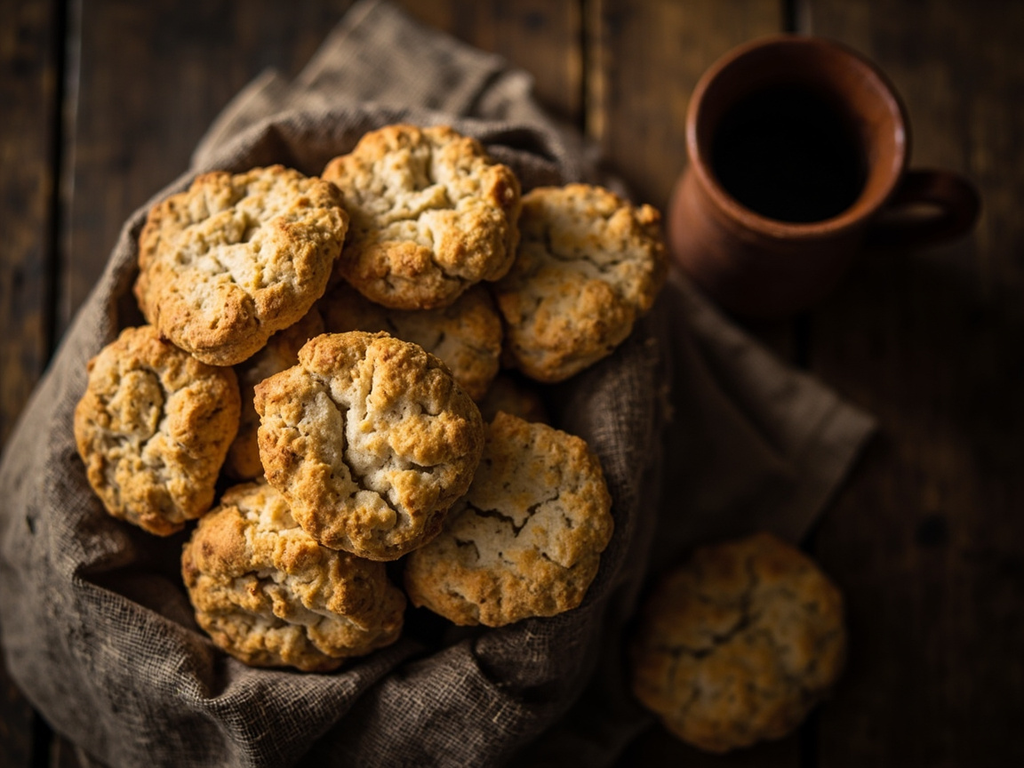
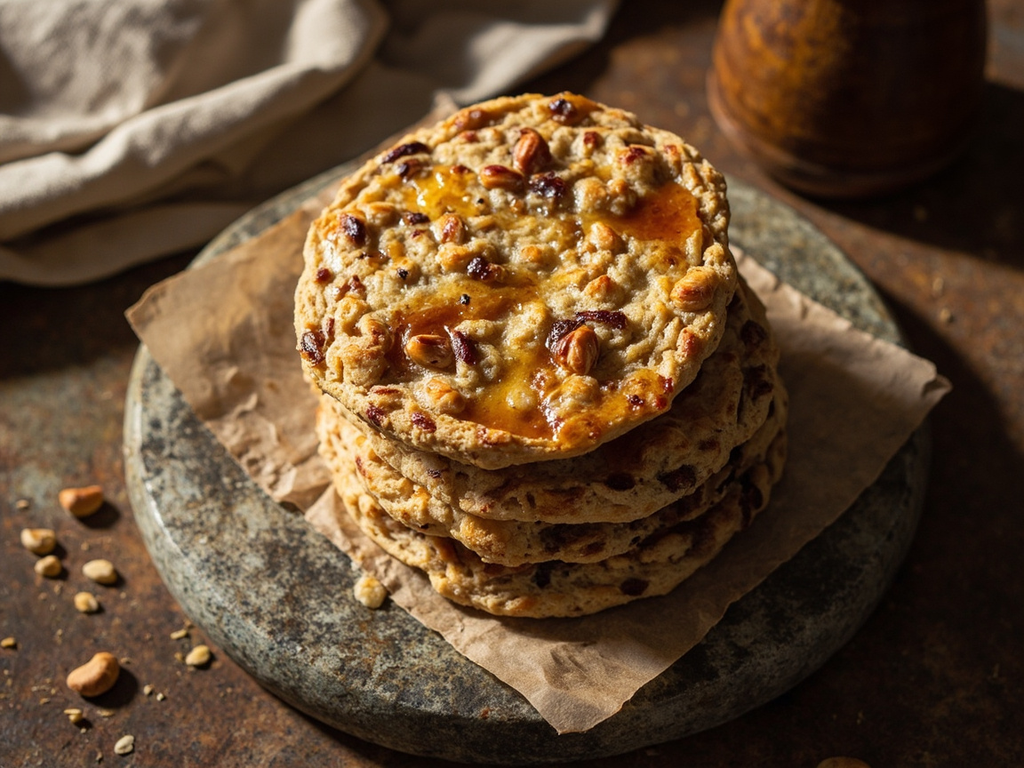
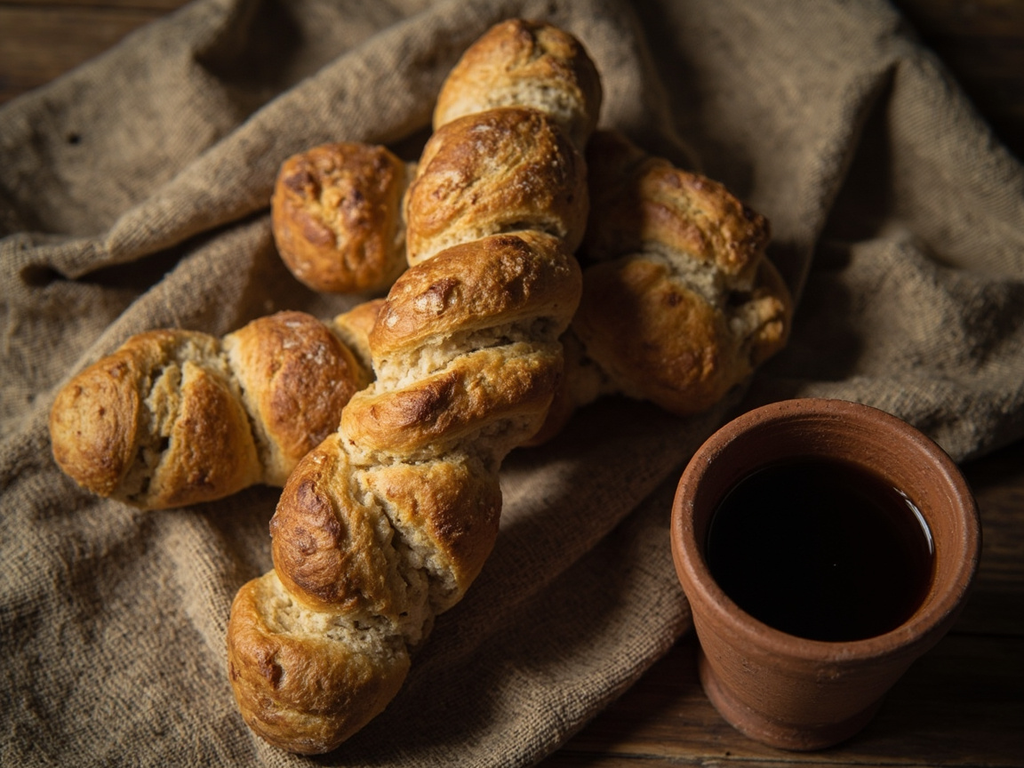
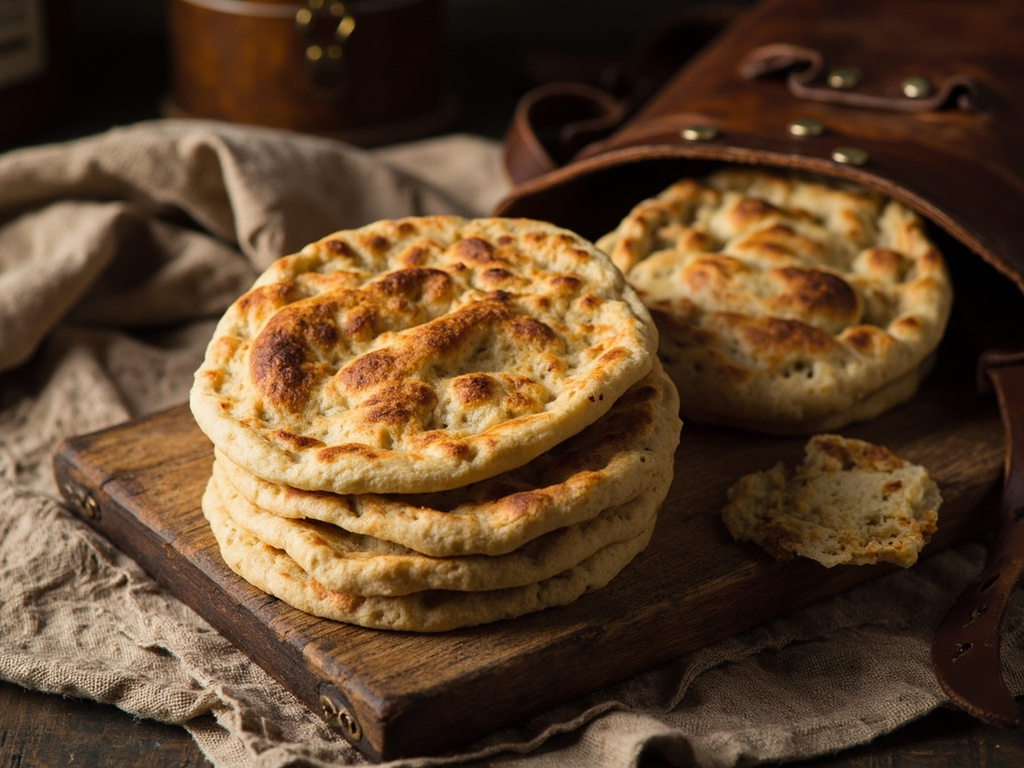
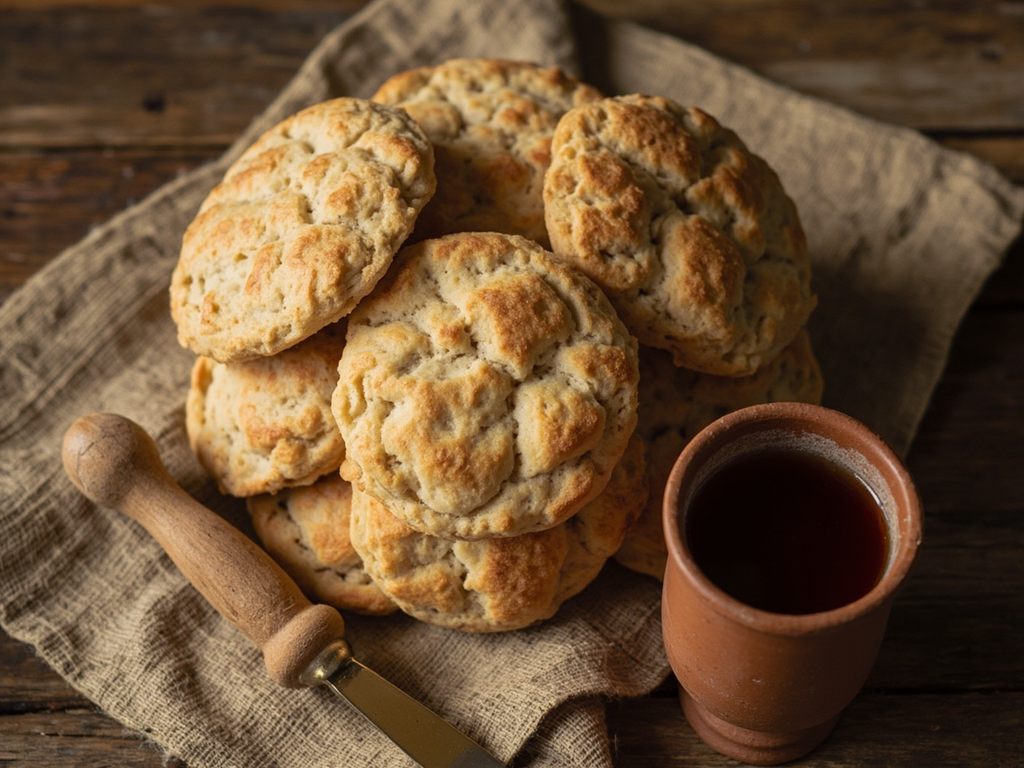
A flat bread baked twice until dry and hard, which keeps a long time and softens in water, wine, or soup. The basic ration of the Roman army on campaign and of long-distance travelers.
When I carried my bridge across the Danube, believe me, we did not dine on steaming patinae amid the piles and wooden centrings. We ate buccellatum, hard as a slab of travertine, which we dipped in diluted wine to make it surrender. Bake it twice, dry it well: it will sustain your march as my piles sustained the river. A soldier without his biscuit is a building site without its foundations.
- •Wheat flour (emmer or spelt) — as much as needed (base)
- •Water — enough (dough)
- •Salt — a pinch (flavor and preservation)
- •Sourdough (optional) — a little (slight rising)
Buccellatum, the Biscuit of the Building Site and the Road
A flat bread baked twice until dry and hard, which keeps a long time and softens in water, wine, or soup. The basic ration of the Roman army on campaign and of long-distance travelers.
Why this dish? Apollodorus followed Trajan's legions to the Danube to throw his monumental bridge at Drobeta. On these military construction sites far from Rome, men ate the soldiers' hard biscuit, buccellatum: baked twice, it kept for weeks and traveled in packs.
When I carried my bridge across the Danube, believe me, we did not dine on steaming patinae amid the piles and wooden centrings. We ate buccellatum, hard as a slab of travertine, which we dipped in diluted wine to make it surrender. Bake it twice, dry it well: it will sustain your march as my piles sustained the river. A soldier without his biscuit is a building site without its foundations.
Ingredients (period version)
- Wheat flour (emmer or spelt) — as much as needed (base)
- Water — enough (dough)
- Salt — a pinch (flavor and preservation)
- Sourdough (optional) — a little (slight rising)
Ingredients
- Wheat flour T80 (or half spelt) — 500 g (base)
- Warm water — about 260 ml (dough)
- Salt — 1 tsp (flavor and preservation)
- Sourdough or dry yeast — 1/2 packet (optional) (slight rising)
Method
- Mix flour, salt, and water (and the sourdough if using) into a firm dough; knead for 10 minutes.
- Let rest for 1 hour, then shape into small, flat, thick cakes or sticks.
- Bake a first time at 200°C for about 20 minutes until colored.
- Lower the oven to 110-120°C and dry the biscuits for 1 to 2 hours, until hard and dry.
- Let cool completely: they keep for weeks in a cloth. Dip them in soup, diluted wine, or broth before biting.
How it was made : Buccellatum (from buccella, 'small mouthful') was the dry ration of the Roman army, mentioned by late military writers. Like ship's biscuit or hardtack, its double baking drove out moisture: a biscuit that defied time and long marches.
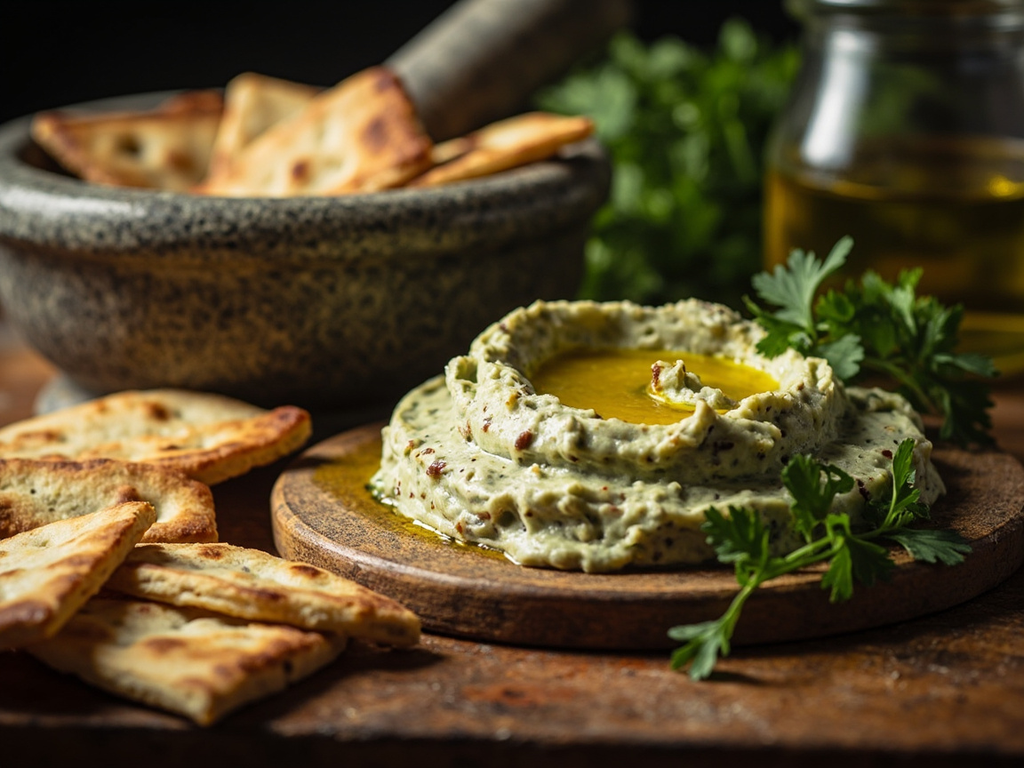
The contemporary twist : Sprinkled with cumin and sesame seeds before the second bake, it becomes a modern appetizer cracker to dip in moretum (recipe r1).
Sources : Vegetius, Epitoma rei militaris (Roman military rations)
Apollodorus of Damascus · Charactorium