 Flip the card
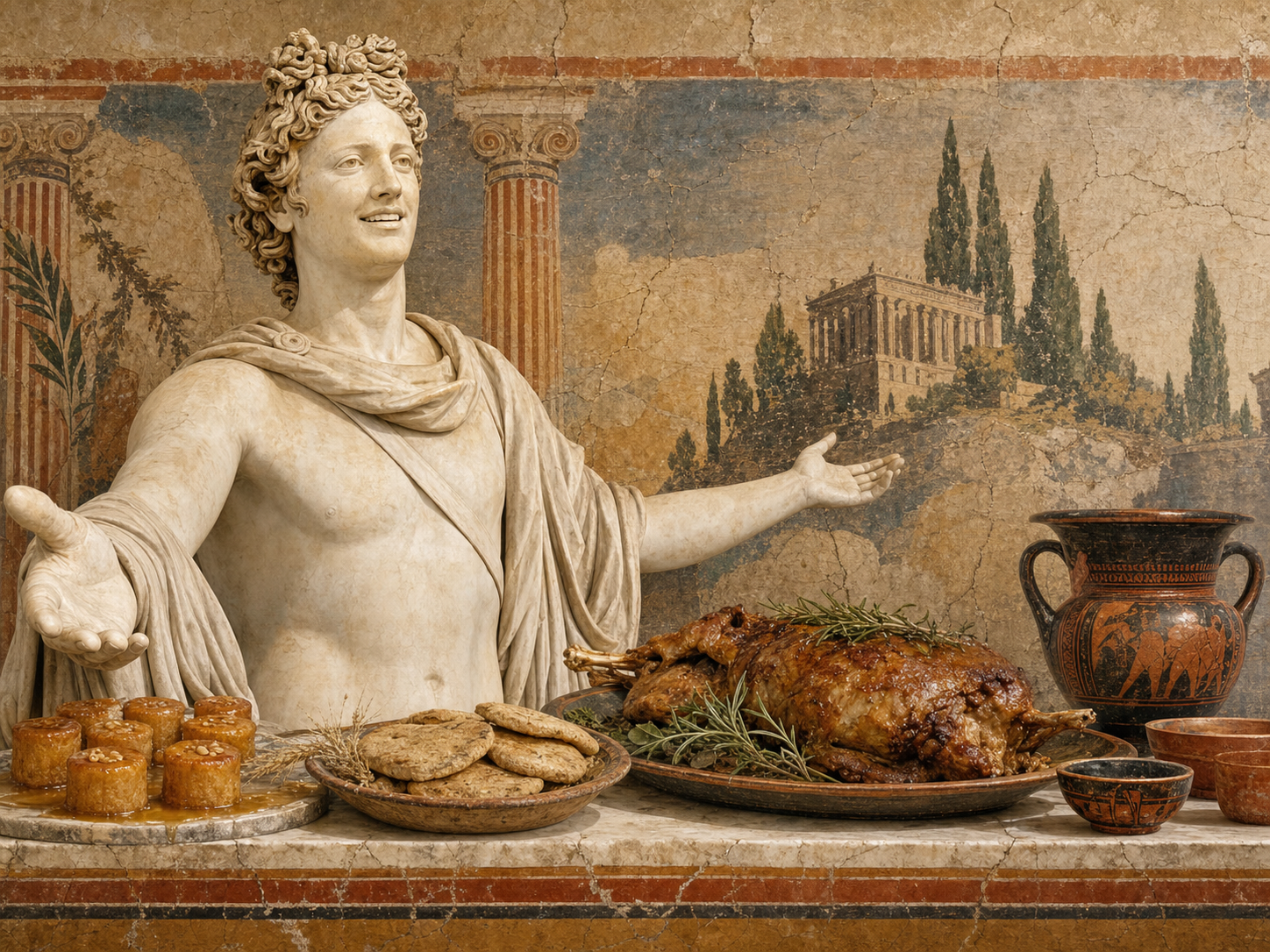
Apollo at the table
On the menu
From thysia to deipnon (the Greek meal shared with the gods)
In ancient Greece, there was no separation of starter, main course and dessert: they distinguished sitos (the cereal staple: barley maza, flatbreads) from opson (the accompaniment: olives, cheese, meat, fish). The meal often began with a thysia, a sacrifice offered to the gods, part of which burned for them and the other part nourished the men at the banquet. Then came the deipnon (evening meal), followed by the symposion where they drank wine mixed with water and poured libations. For a god like Apollo, pure offerings were added: honey cakes and bloodless libations placed on the altar at Delphi.
Signature : Laurel (daphne) and honey from Parnassus
The laurel is Apollo's sacred tree: the Pythia chewed its leaves before prophesying at Delphi, and the winners of the Pythian Games were crowned with it. Associated with the honey of the Greek mountains — a pure offering and the sweetness of the gods — it flavors both preserves and altar cakes. This is Apollo's fragrant mark in the kitchen.
click to flip back
Apollo at the table
5 period recipes
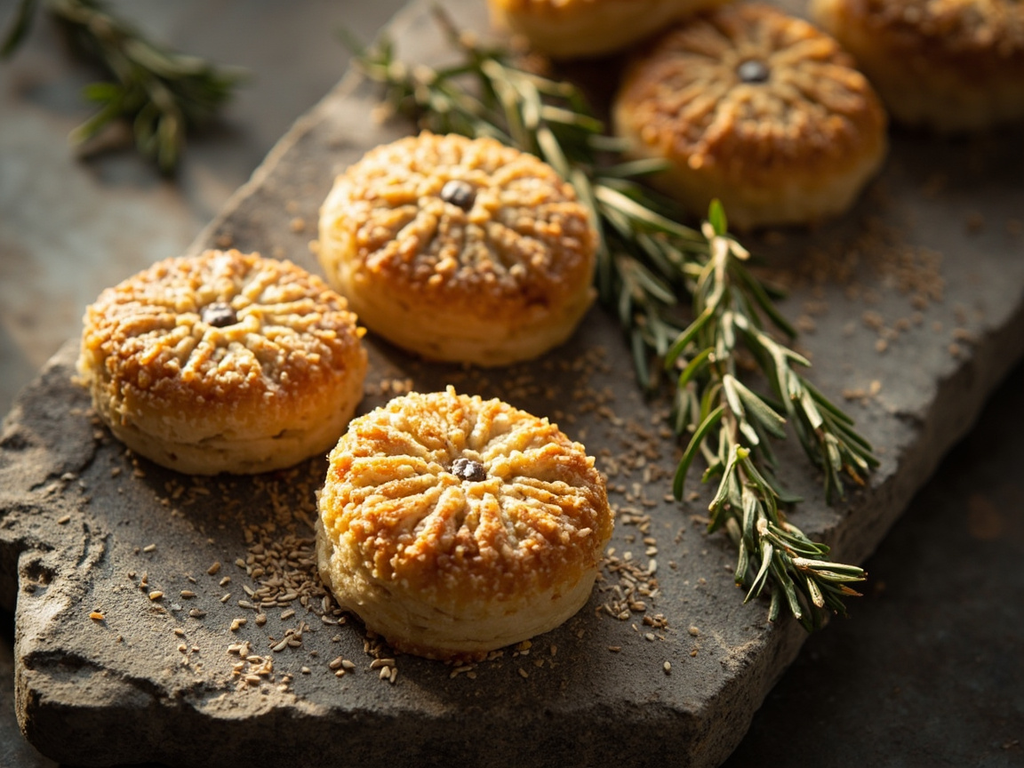 Offering
Popana melitoenta — small honey cakes for the altar
Pelanos / popana (bloodless offering placed on the altar)
🍯· 35 min
View the recipe
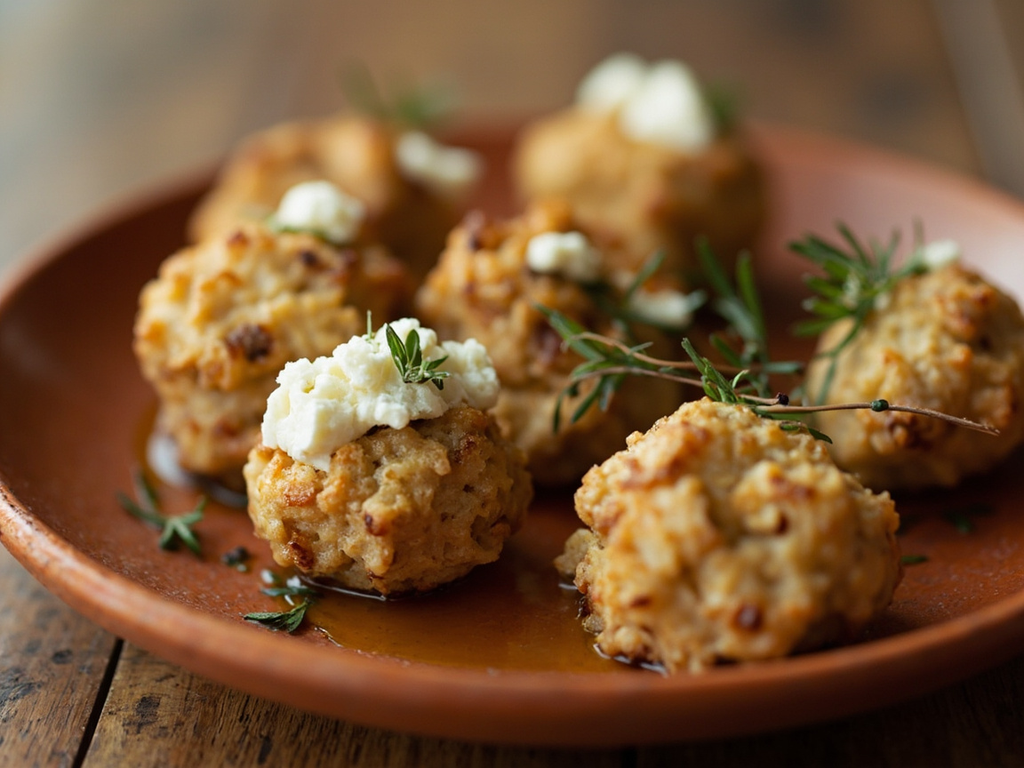 Everyday
Maza — daily barley dough
Sitos (the staple food, basis of every Greek meal)
☕ 🧂· 20 min
View the recipe
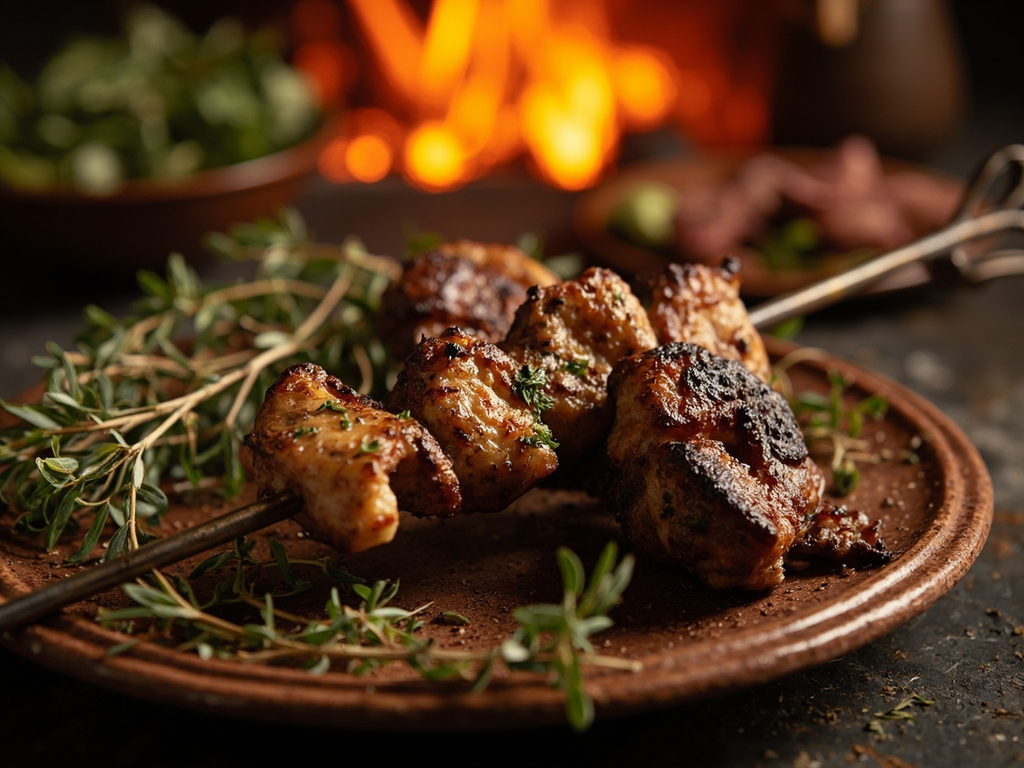 Festive
Roasted kid goat with herbs from Parnassus, the sacrificial portion
Festive opson from the thysia (sacrificial meat shared at the banquet)
🧂 🍄 🌶️· 1 h 15 (plus marinating)
View the recipe
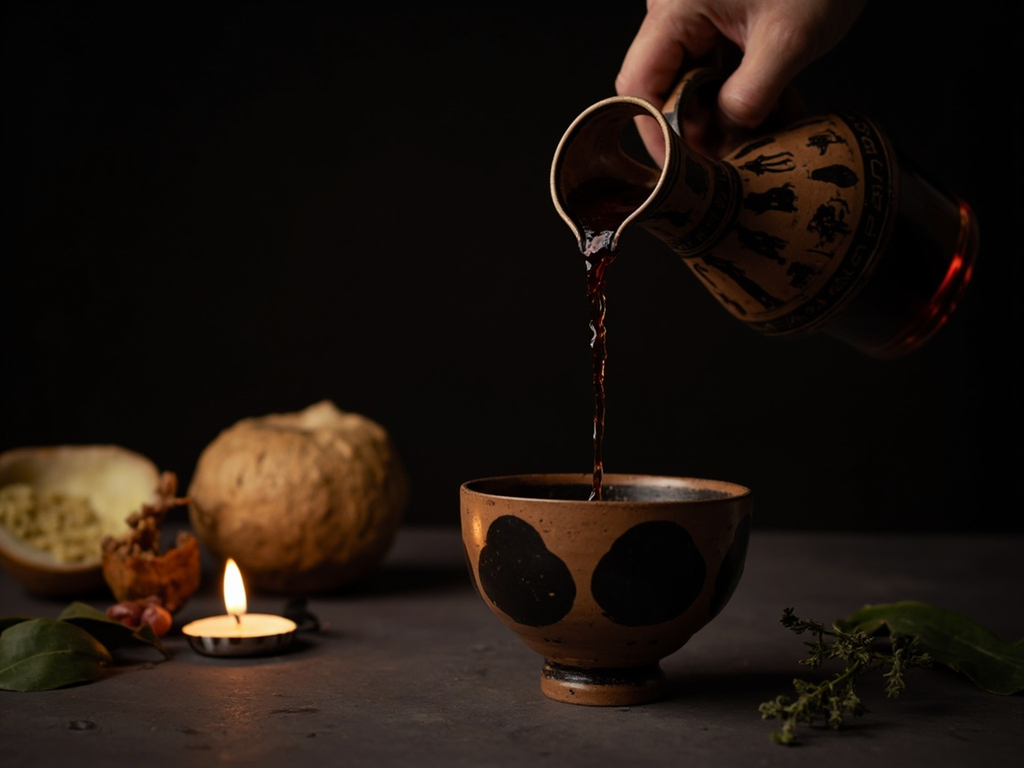 Drink
DrinkOinos — honeyed and resinated wine for libation
Drink of the symposion and libation poured to the gods
🍋 🫙· 15 min
View the recipe
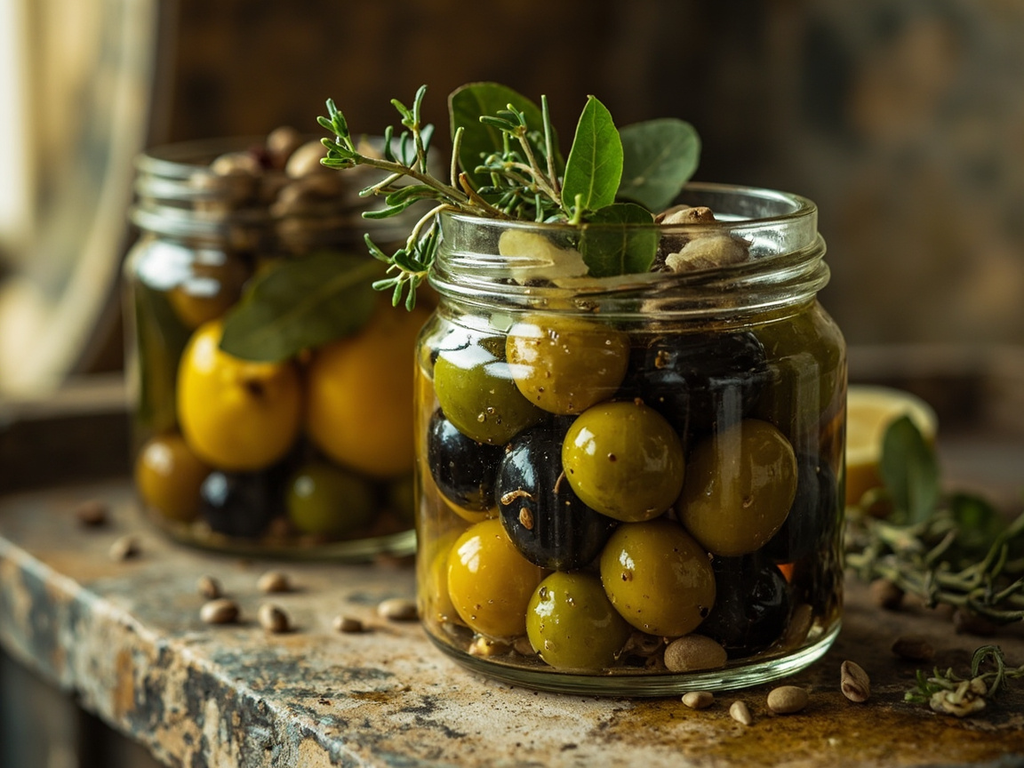 Preserving
Olives with bay leaf and fennel, preserved for the road
Opson de garde / vegetable tarichos (provisions preserved in brine)
🧂 ☕ 🫙· 30 min (+ 4 weeks fermentation)
View the recipe