 flip
flipOlives with bay leaf and fennel, preserved for the road
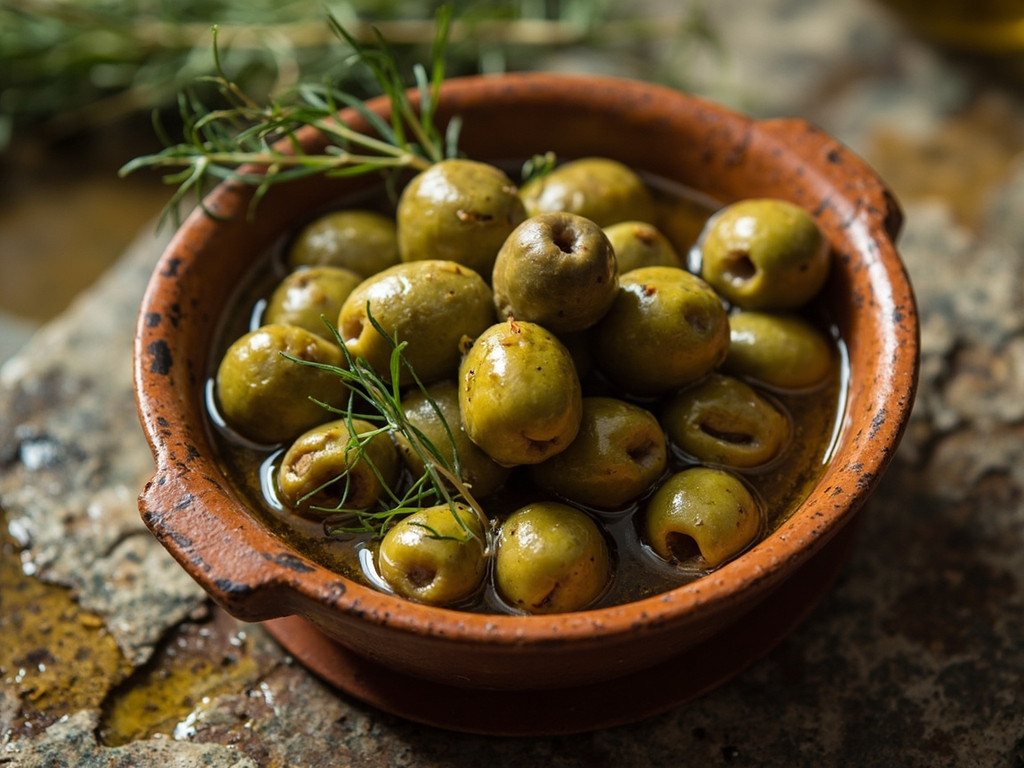
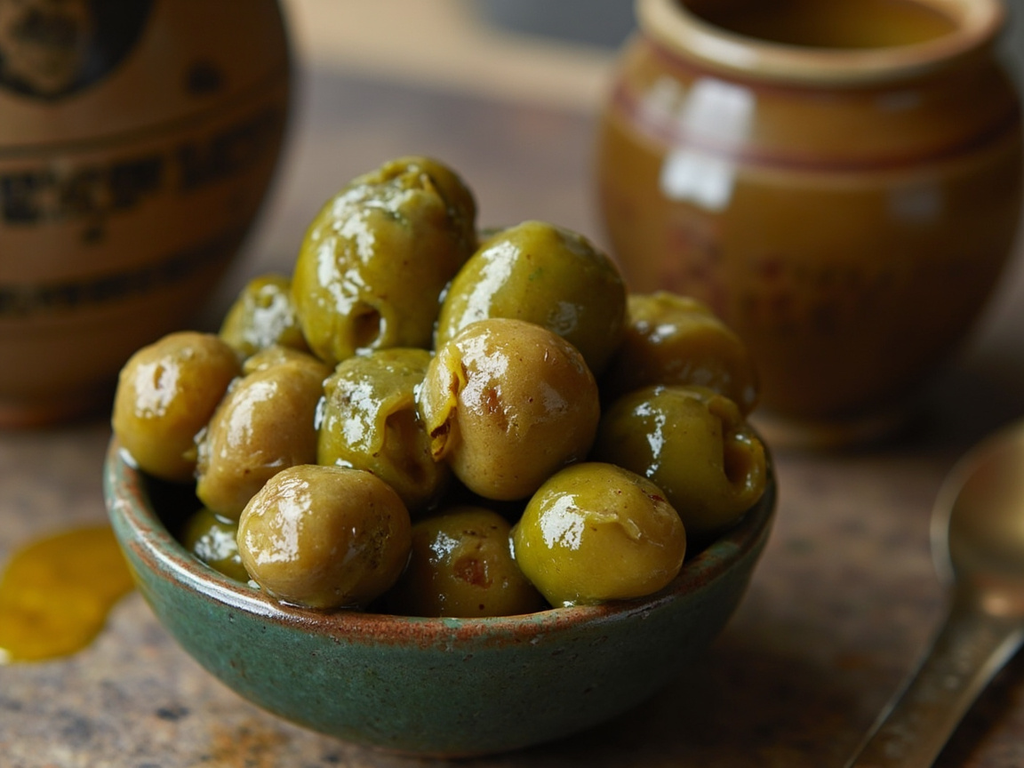
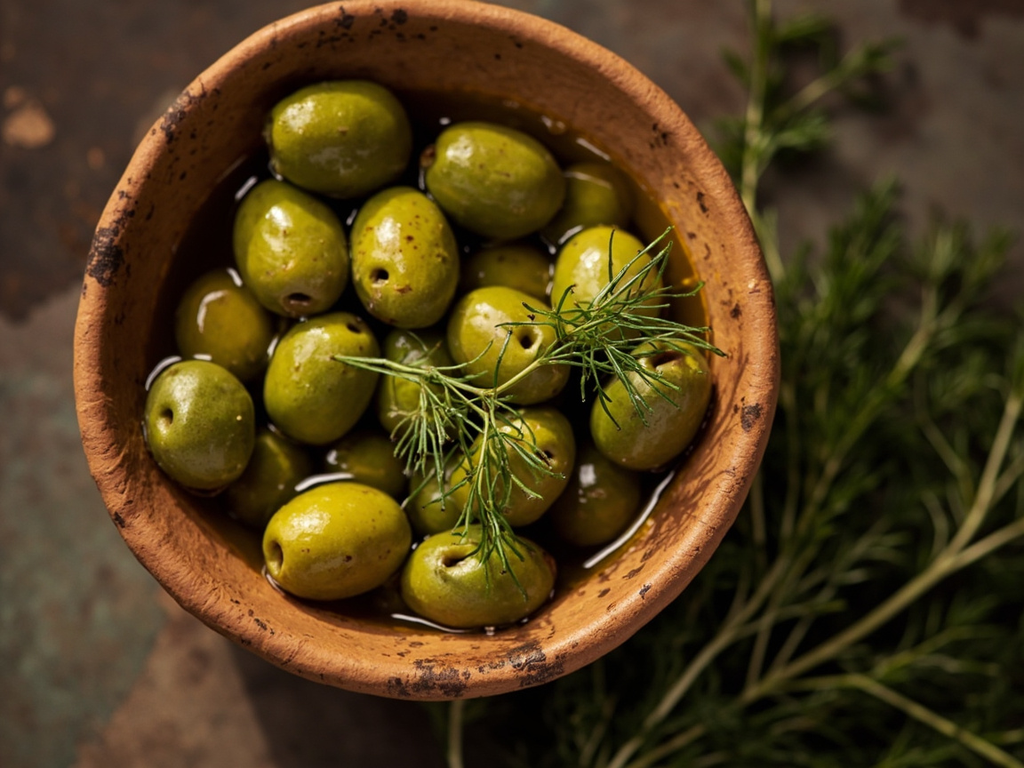
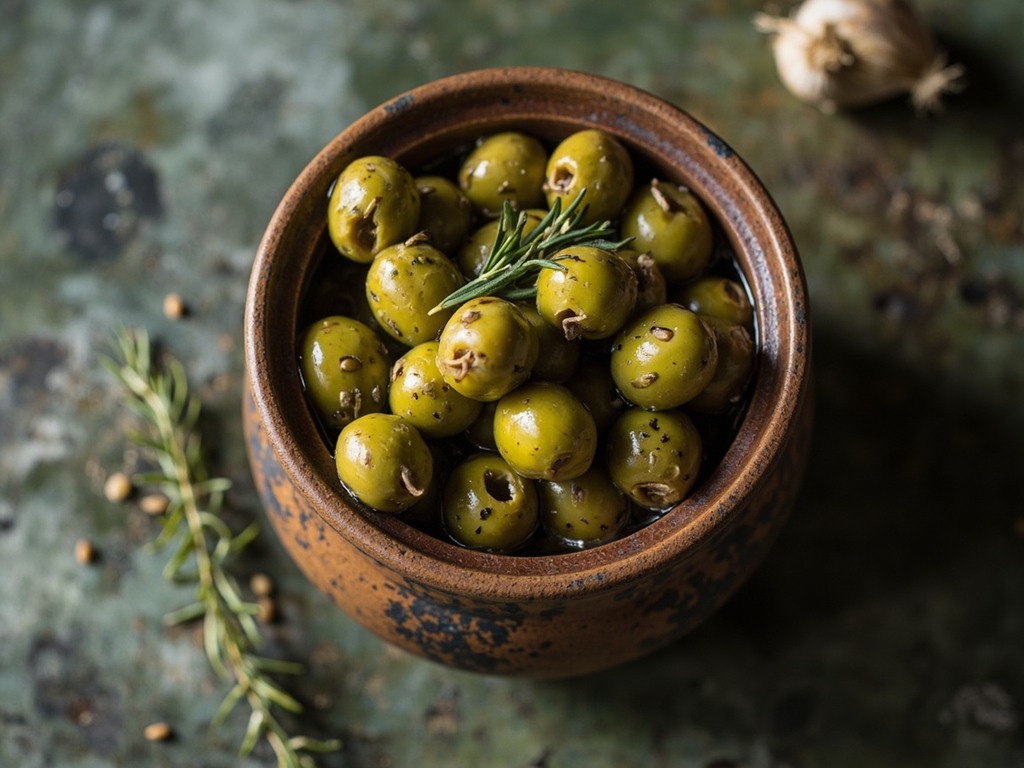
Olives with bay leaf and fennel, preserved for the road
Why this dish? The laurel, Apollo's tree, perfumes the most Greek of preserves. The pilgrim who walked for days towards Delphi carried olives and cheese: traveling food, faithful companion of the journey to the oracle.
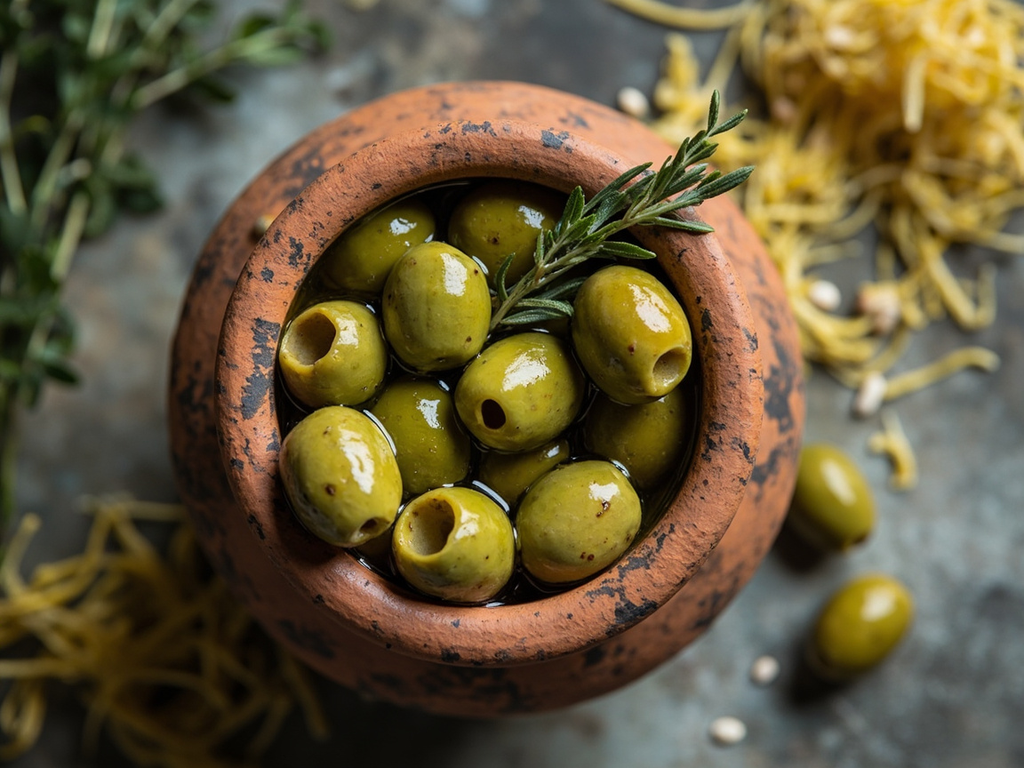
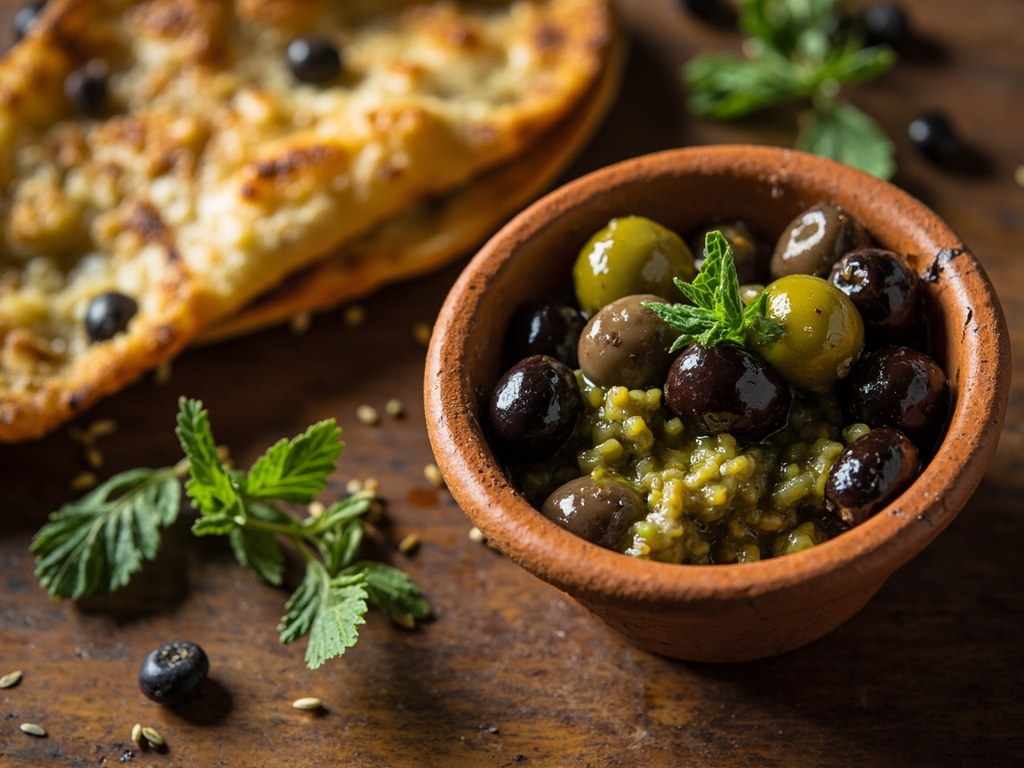
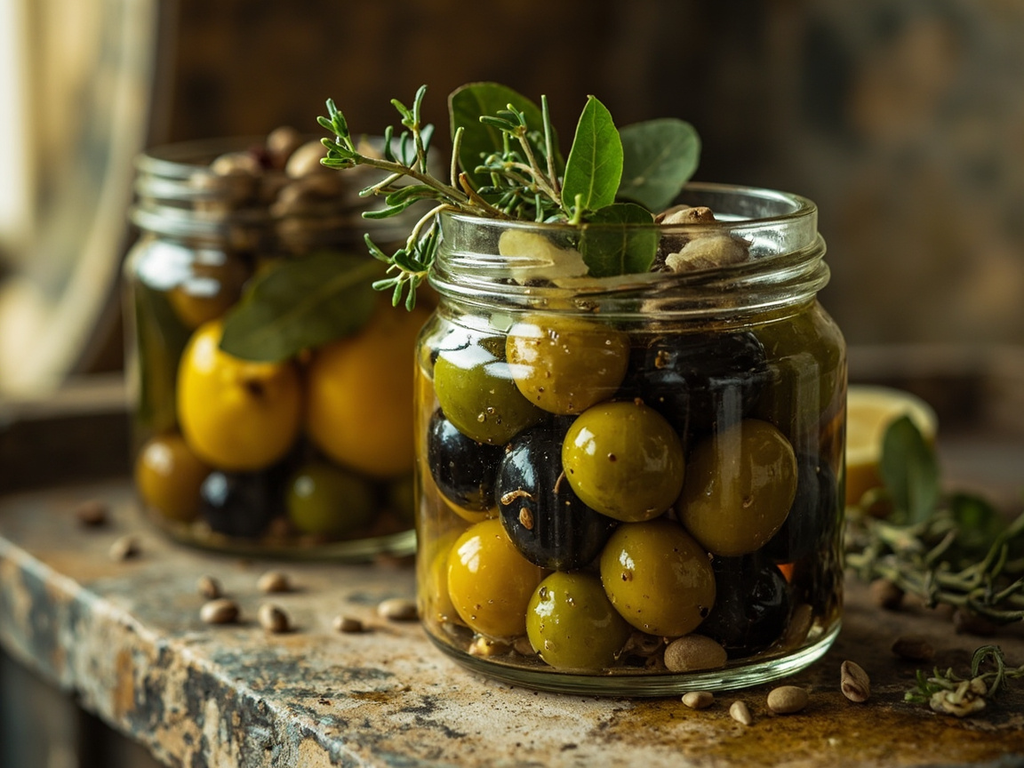
Olives debittered in brine, flavored with bay leaf, fennel and a touch of oil, preserved for weeks. The quintessential traveler's snack, salty and fermented, which accompanies maza.
The prudent traveler never leaves his house with an empty stomach or an empty bag. Pick the still-bitter olives, drown them in brine and slip in a leaf of my laurel: time will do the rest, as it ripens oracles. When you walk towards my home at Delphi, these olives and a piece of cheese will suffice. Salt preserves what the gods give you; waste it, and you offend the earth.
- •Fresh olives (green or black) — a full basket (preserved ingredient)
- •Sea salt — generously (brine and preservation)
- •Water — as needed (base of brine)
- •Bay leaves — several (Apollo's fragrance)
- •Fennel seeds and thyme sprigs — a handful (aromatics)
- •Olive oil — a film on the surface (air barrier)
Olives with bay leaf and fennel, preserved for the road
Olives debittered in brine, flavored with bay leaf, fennel and a touch of oil, preserved for weeks. The quintessential traveler's snack, salty and fermented, which accompanies maza.
Why this dish? The laurel, Apollo's tree, perfumes the most Greek of preserves. The pilgrim who walked for days towards Delphi carried olives and cheese: traveling food, faithful companion of the journey to the oracle.
The prudent traveler never leaves his house with an empty stomach or an empty bag. Pick the still-bitter olives, drown them in brine and slip in a leaf of my laurel: time will do the rest, as it ripens oracles. When you walk towards my home at Delphi, these olives and a piece of cheese will suffice. Salt preserves what the gods give you; waste it, and you offend the earth.
Ingredients (period version)
- Fresh olives (green or black) — a full basket (preserved ingredient)
- Sea salt — generously (brine and preservation)
- Water — as needed (base of brine)
- Bay leaves — several (Apollo's fragrance)
- Fennel seeds and thyme sprigs — a handful (aromatics)
- Olive oil — a film on the surface (air barrier)
Ingredients
- Raw untreated olives (green) — 500 g (main ingredient)
- Coarse sea salt — 100 g per liter of water (brine (10%))
- Water — about 1 liter (brine)
- Bay leaves — 4 (signature aromatic)
- Fennel seeds — 1 tsp (flavor)
- Thyme, lemon slices, garlic clove — to taste (aromatics)
- Olive oil — to cover the surface (protection)
Method
- Crack each raw olive with a knife, then let them soak in clear water for 7 to 10 days, changing the water daily (this removes bitterness).
- Prepare a 10% brine (100 g salt per liter of water), bring to a boil then cool completely.
- Pack the olives in a clean jar with bay leaf, fennel, thyme, lemon and garlic.
- Cover completely with cold brine, then pour a film of olive oil on the surface to seal from air.
- Close and let ferment in a cool place for at least 3 to 4 weeks.
- Taste: if still too bitter, extend; rinse lightly before serving.
How it was made : The olive is one of the pillars of the ancient Mediterranean diet, but raw it is inedible: the Greeks debittered it in water then preserved it in brine or dry salt. These preserves, along with cheese and salted fish (tarichos), allowed them to get through the year and to travel — preservation was a matter of survival as much as taste.
The contemporary twist : Gently warm a few olives with an orange zest and bay leaf just before serving: warm 'tapas' olives, a contemporary version of the Delphic provisions.
Sources : Cato the Elder, De Agricultura (ancient methods of preserving olives, Greco-Roman world) · Andrew Dalby, Food in the Ancient World from A to Z (Routledge, 2003)
Apollo · Charactorium