 Flip the card
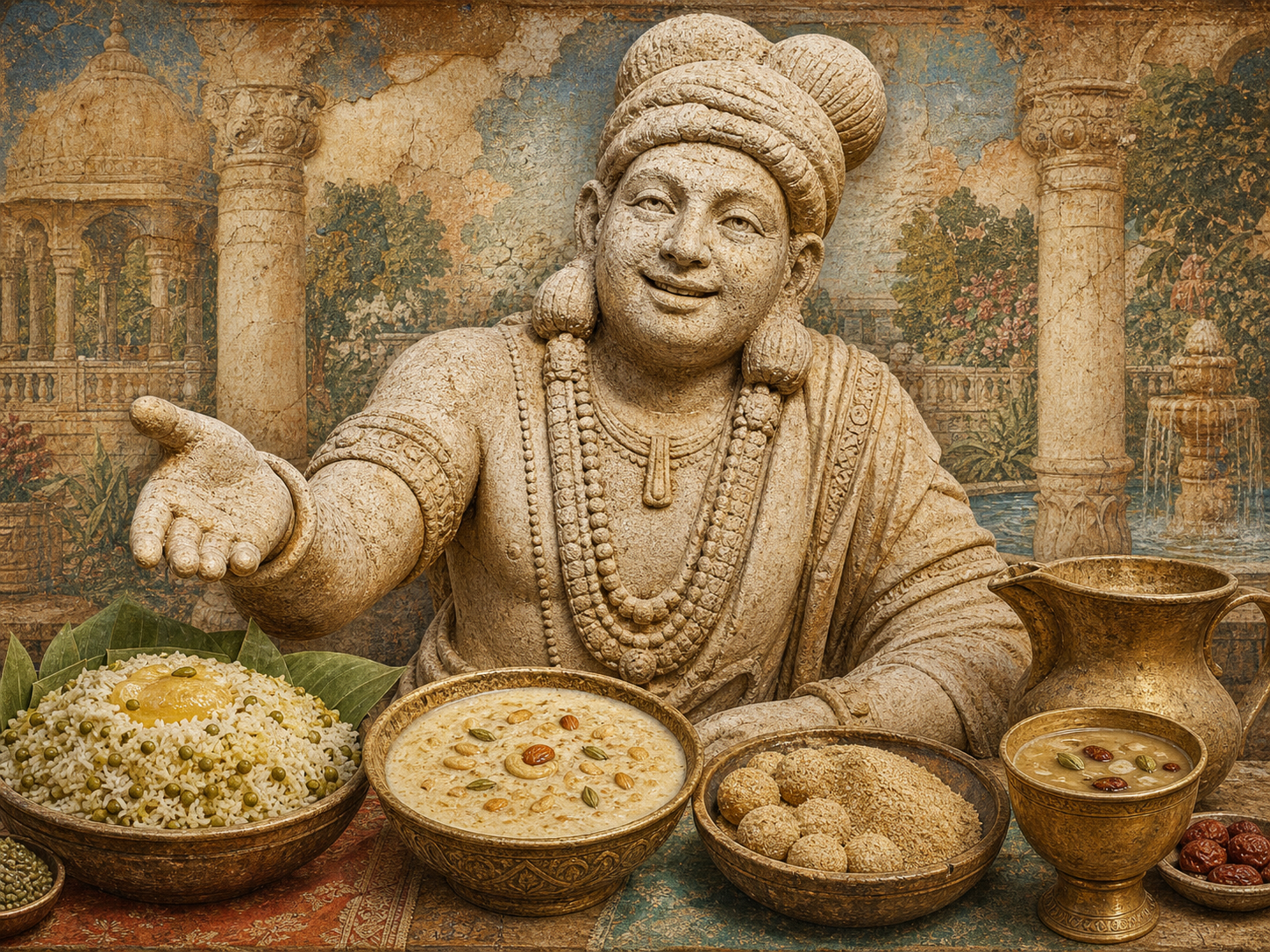
Ashoka at the table
303 av. J.-C. — 231 av. J.-C.
On the menu
Mauryan Bhojana (the meal ordered around odana)
At the Mauryan court, the meal is organized around anna, cooked grain (most often odana, rice). Around this foundation revolve supa (legumes), shaka (vegetables and leaves), dadhi (curd), and melted ghee poured at serving time. The meal ends with a milk-based sweet and a refreshing drink. Kautilya's Arthashastra even describes the administration of the royal kitchens: tasters, measured rations, hierarchy of dishes. After Ashoka's conversion, this meal became markedly vegetarian, with meat almost banished from the imperial table.
Signature : Ghee (ghṛta) and cane sugar (śarkarā)
Clarified butter is the fatty and sacred soul of all ancient Indian cuisine: it is poured over rice, used to fry spices, and anointed on offerings. Alongside it, cane sugar—India is the birthplace of crystallized sugar—gives sweets their identity. No chili here: the bite comes from long pepper (pippali), black pepper, ginger, and asafoetida (hing).
click to flip back
Ashoka at the table
303 av. J.-C. — 231 av. J.-C.
5 period recipes
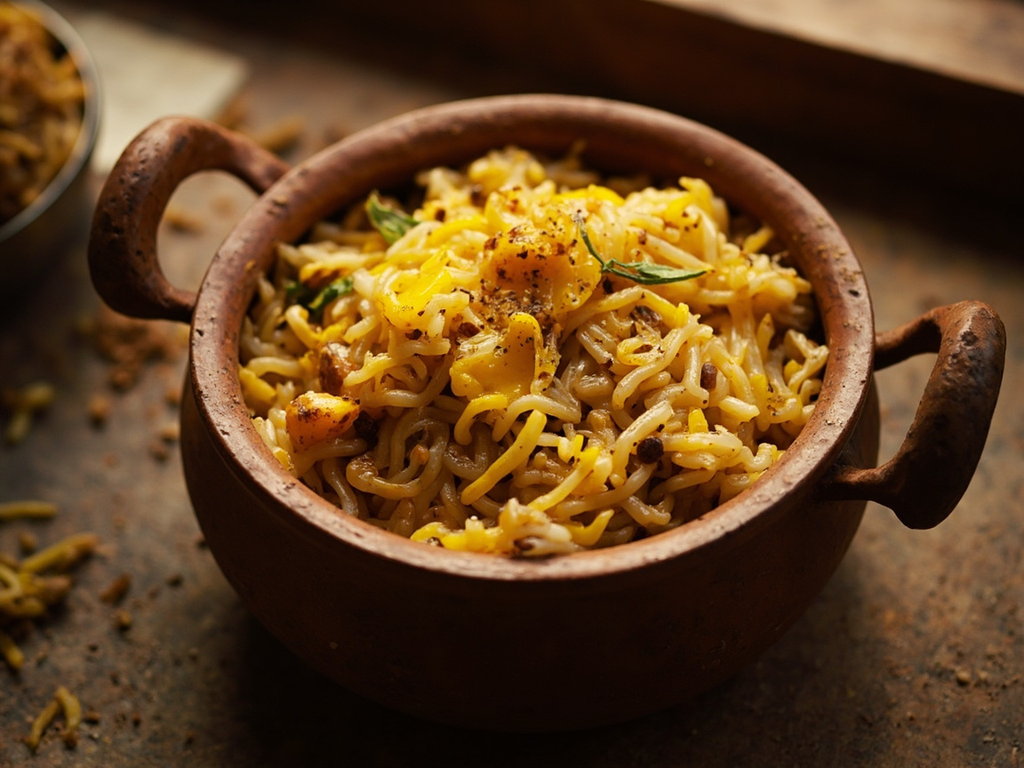 Everyday
Mudgaudana — rice and mung beans with ghee
Anna-supa (the grain-legume foundation of bhojana)
🧂 🍄· 40 min
View the recipe
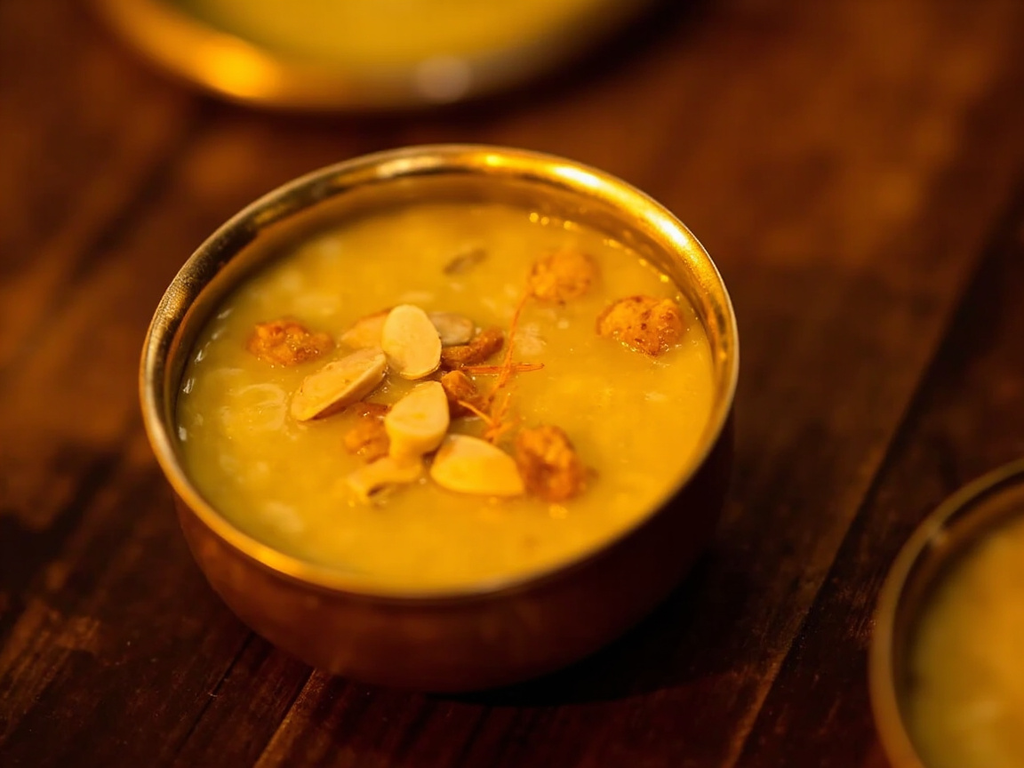 Festive
Pāyasa — rice pudding with cane sugar and cardamom
Madhura-anta (the milk sweet that closes and sanctifies the meal)
🍯· 55 min
View the recipe
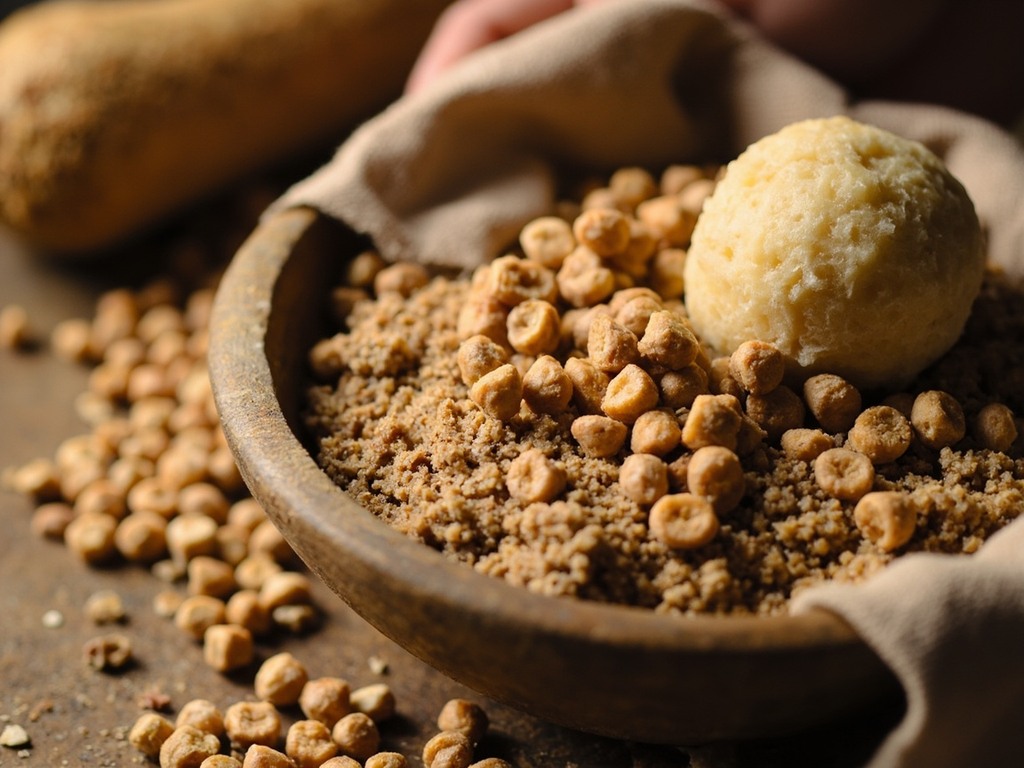 Travel
Saktu — roasted barley flour for travelers
Pathéya (the road provision, the traveler's food)
🧂· 10 min
View the recipe
 Drink
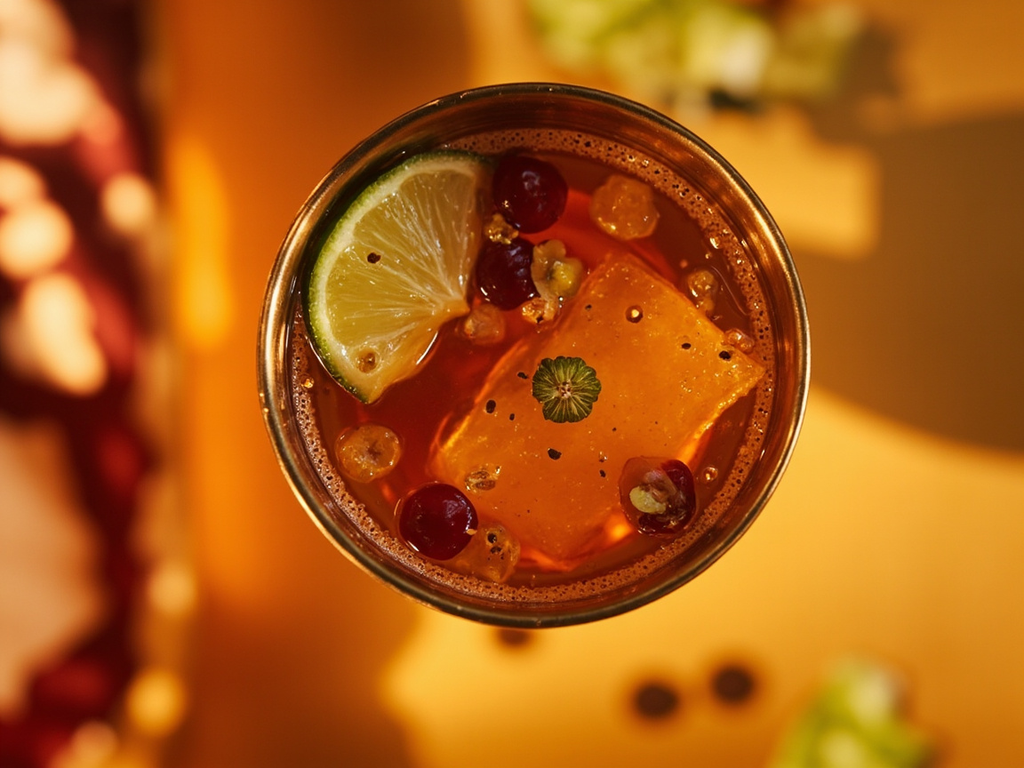
DrinkPānaka — refreshing drink with cane, cardamom, and jujube
Pāna (the refreshing beverage served as accompaniment)
🍯 🍋· 15 min (+ 1 h chilling)
View the recipe
 Remedy
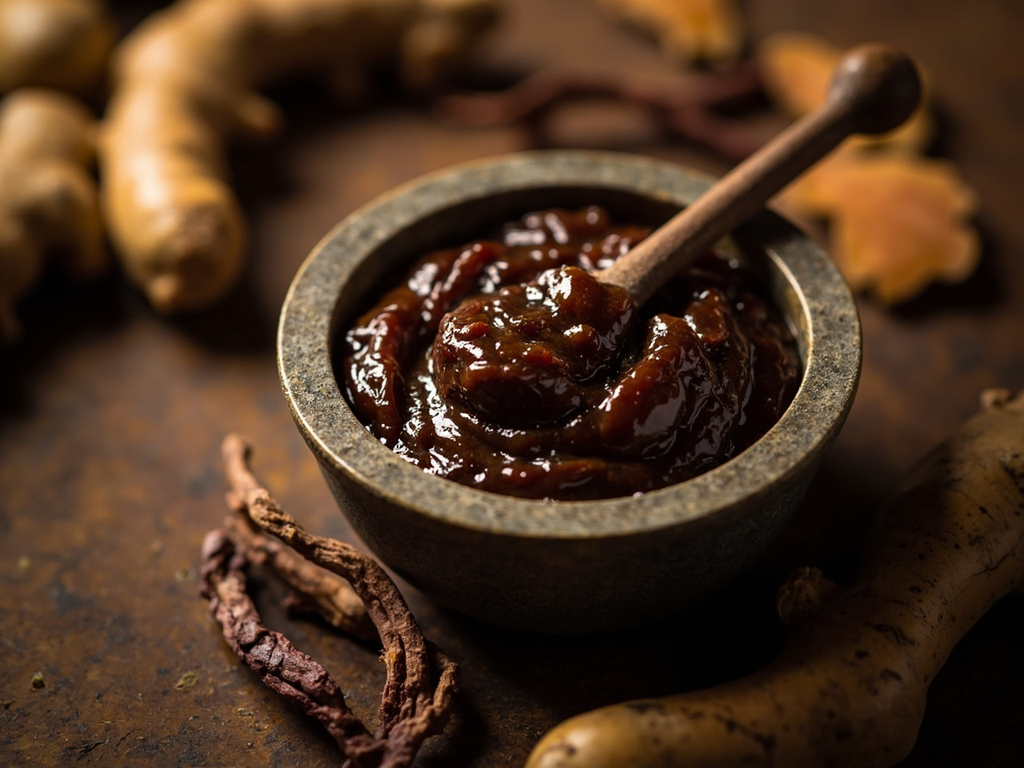
Pippalī-madhu — long pepper electuary with honey
Auṣadha-anna (the food-remedy of Ayurvedic medicine)
🌶️ 🍯· 10 min
View the recipe