The Mesopotamian Naptanu
At the Assyro-Babylonian table, meals were not served in a 'starter-main-dessert' order. The naptanu ('the meal') was organized around three pillars set out together: akalu (barley bread or flatbread), sikaru (beer), and the main dish of fish or stewed meat. The finest portion was first offered to the gods and spirits on the household altar; the rest was shared. Date sweets and fruits did not close the meal but accompanied it, placed in the center for everyone to pick from.
Signature : Siqqu (fermented fish sauce)
A key condiment of ancient Mesopotamia, siqqu is a brine of small fish (sometimes locusts) fermented for a long time — the Near Eastern ancestor of garum. A few drops provide the deep, salty umami that defines the entire cuisine of the Tigris and Euphrates, from the kitchens of Nineveh to the palaces of Babylon.
Asmodeus at the table
5 period recipes
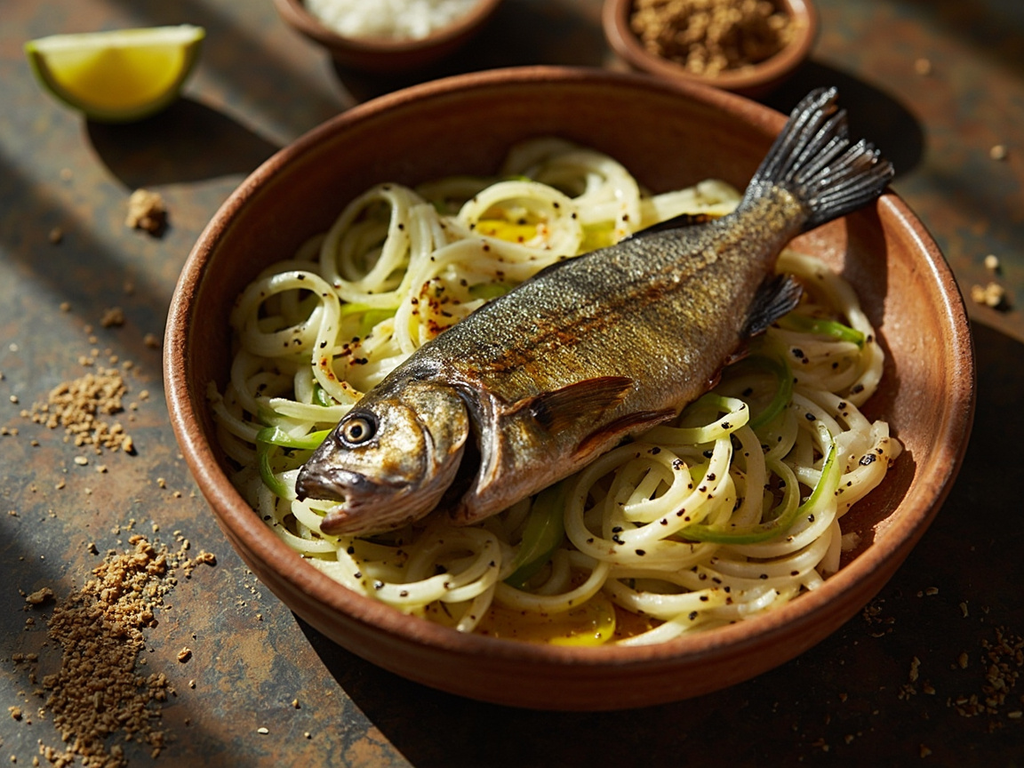 Everyday
Tigris Fish with Leeks and Sesame
Daily river dish of the naptanu
🧂 🍄· 40 min
View the recipe
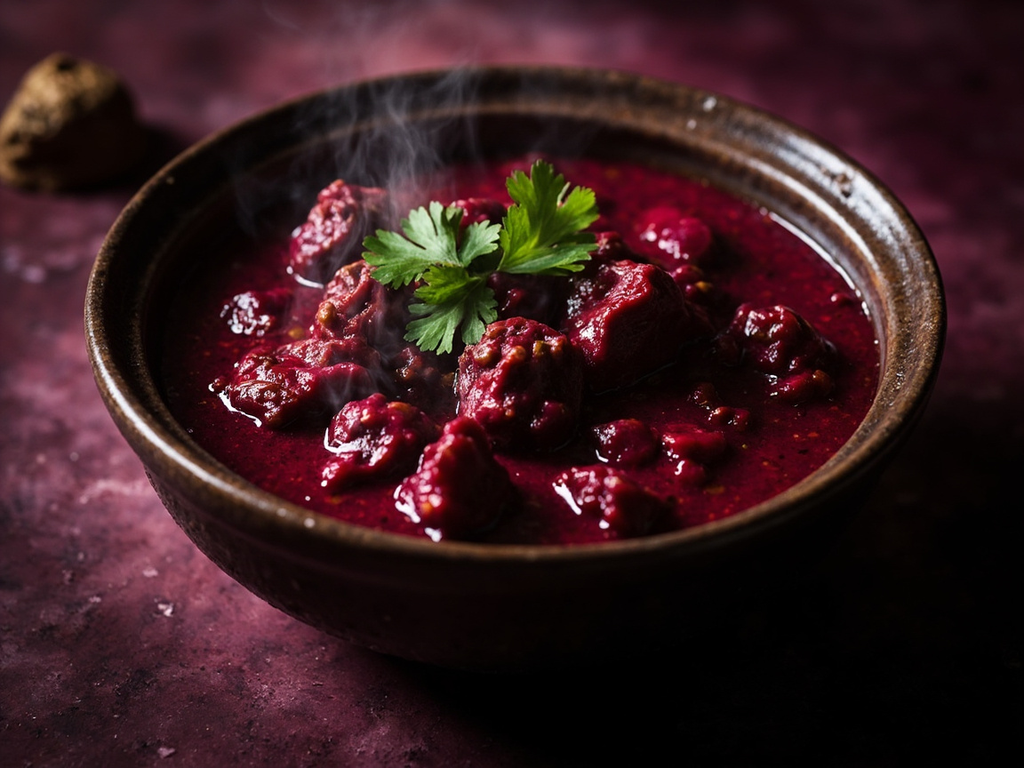 Festive
Tuh'u, Purple Stew of Babylon
Meat dish of Babylonian royal banquets
🧂 🍄 🍋· 2 h
View the recipe
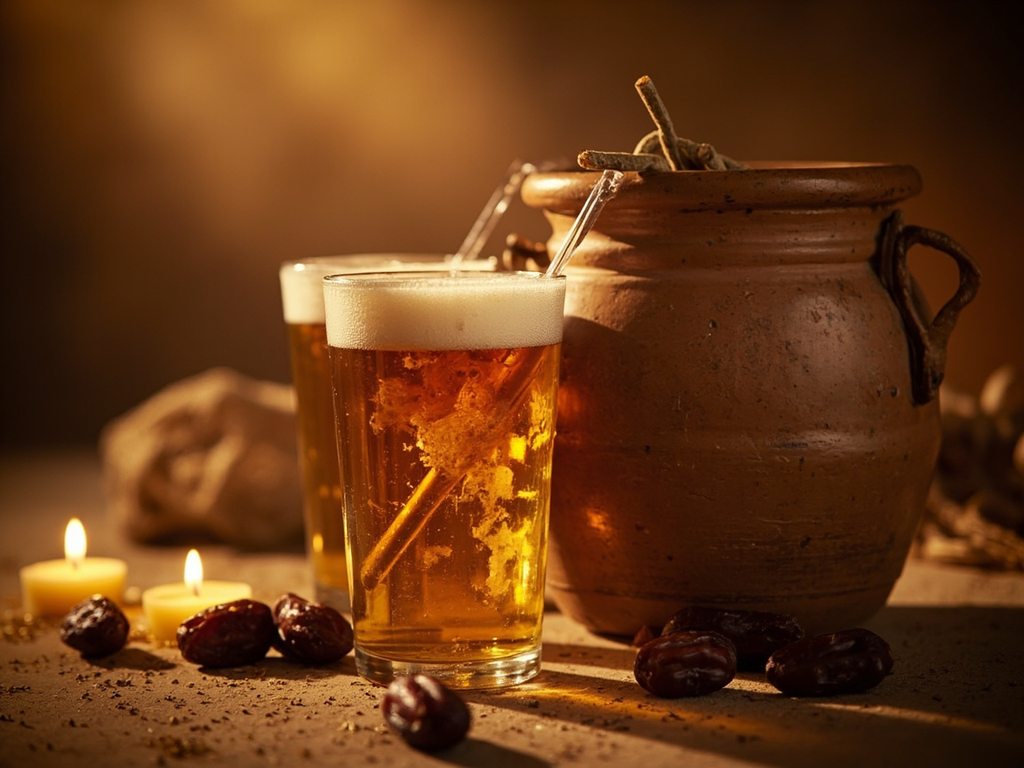 Drink
DrinkSikaru, the Barley Beer Drunk Through a Straw
Ritual and daily beverage of the naptanu
🫙 🍯 ☕· 4 days (fermentation)
View the recipe
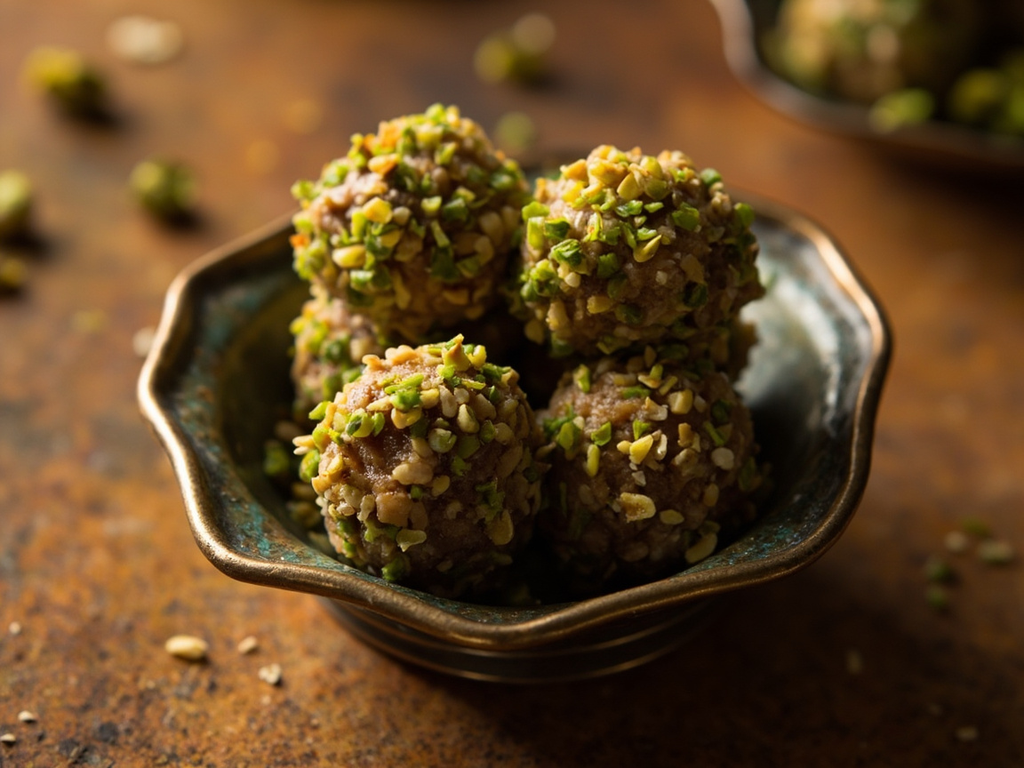 Offering
Mersu, Date and Pistachio Cake
Offering sweet placed at the center of the table
🍯· 30 min
View the recipe
 Travel
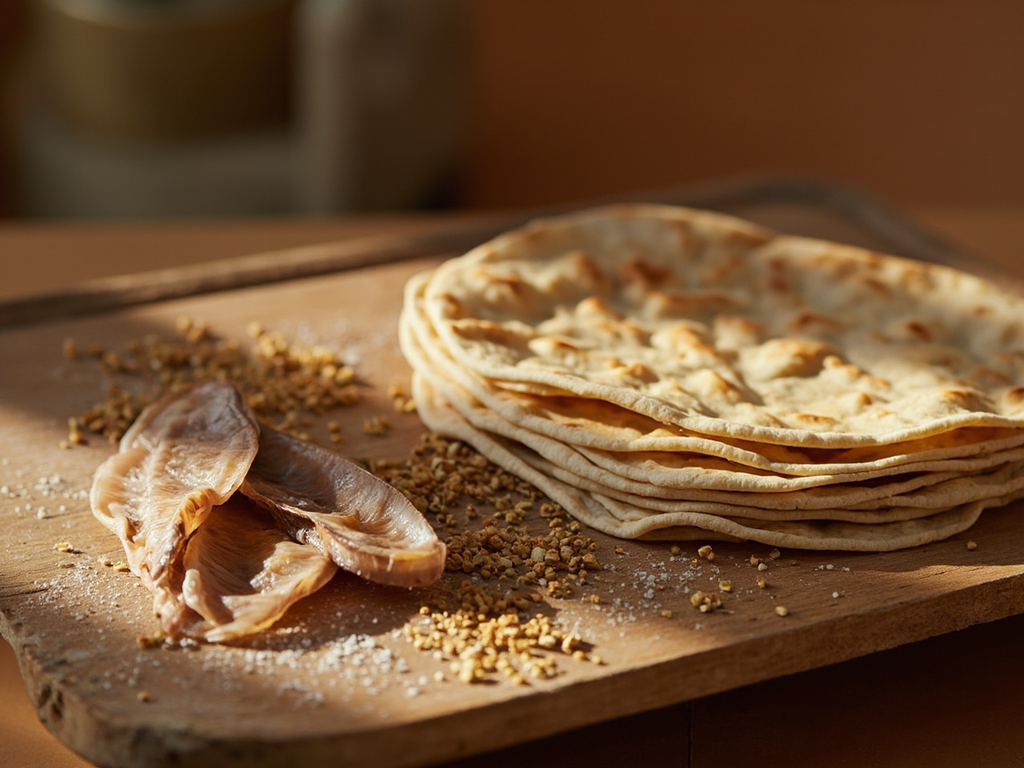
Barley Flatbreads and Dried Fish for the Traveler
Road provisions along the Tigris
🧂 ☕· 1 h (+ fish drying)
View the recipe