 Flip the card
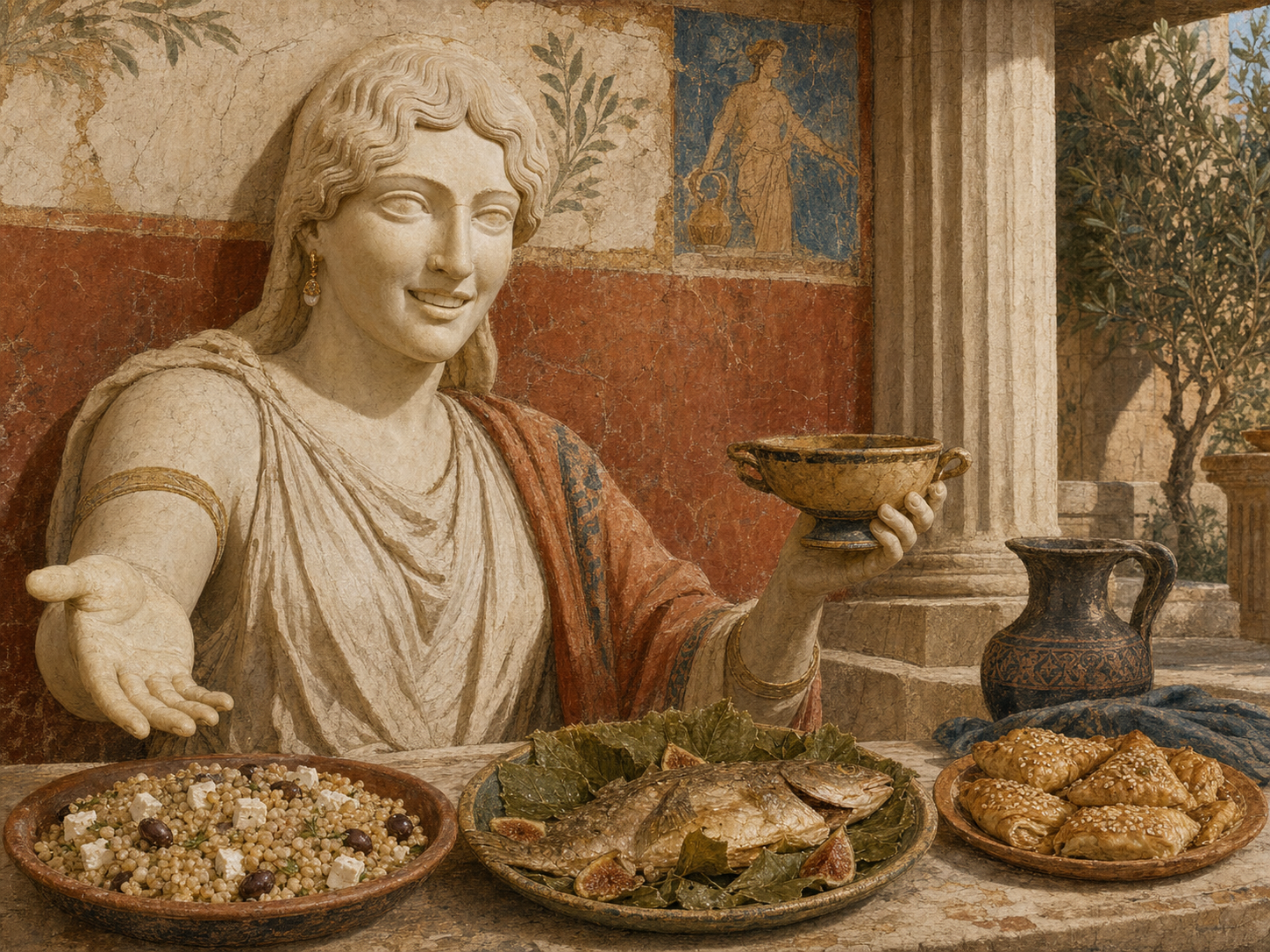
Aspasia at the table
469 av. J.-C. — 399 av. J.-C.
On the menu
Deîpnon & symposion
The classic Greek meal is divided into two parts: the deîpnon, the main evening meal where one eats the sîtos (barley or wheat bread, the foundation of the meal) accompanied by the opson (everything that 'relishes' the bread: olives, fish, vegetables, cheese); then the symposion, the refined drinking party where wine mixed with water is consumed amid philosophical conversations, accompanied by tragḗmata (sweet or savory snacks). Aspasia, whose salon gathered Socrates and the finest minds, lived at the heart of this second scene.
Signature : Hymettus honey and Attic olive oil
Two treasures of Athens: olive oil, the green gold of Attica that perfumes and binds all dishes, and the thyme-scented honey from the bees of Mount Hymettus, which sweetens cakes and softens wine. They are the hallmark of the 5th-century Athenian table.
click to flip back
Aspasia at the table
469 av. J.-C. — 399 av. J.-C.
5 period recipes
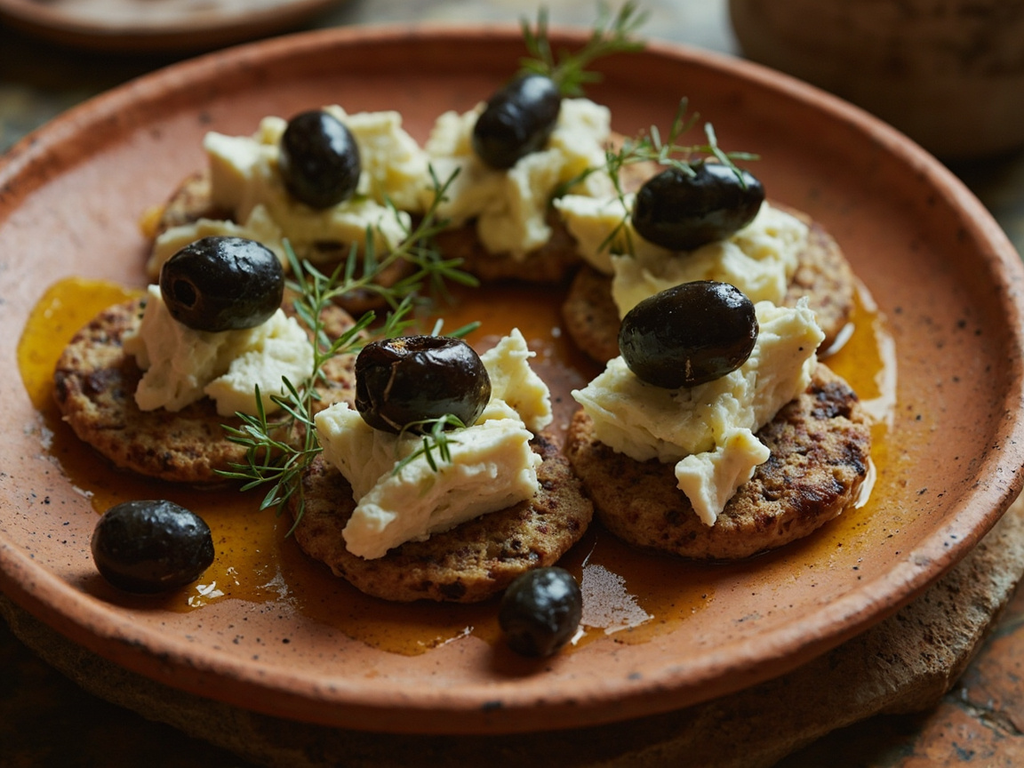 Everyday
Barley mâza with olives and goat cheese
Sîtos of the deîpnon (the daily bread-staple)
🧂 🍄· 30 min
View the recipe
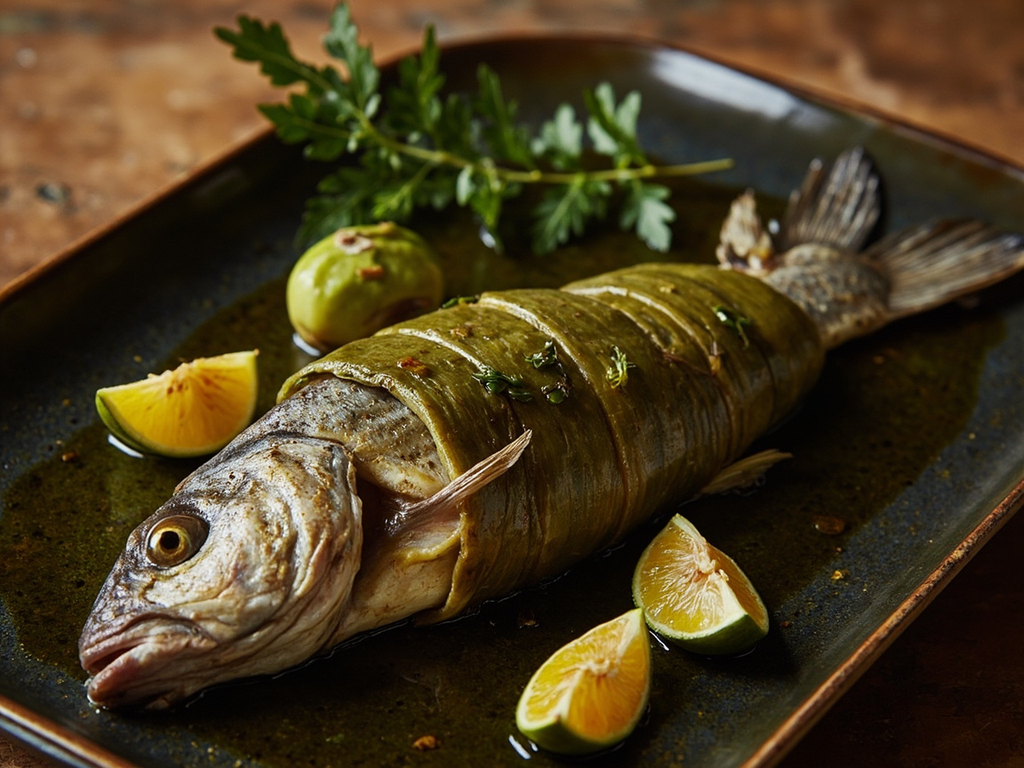 Festive
Thrýon: Aegean sea bream braised in fig leaves
Festive opson of the deîpnon (the noble dish that crowns the meal)
🍄 🧂· 40 min
View the recipe
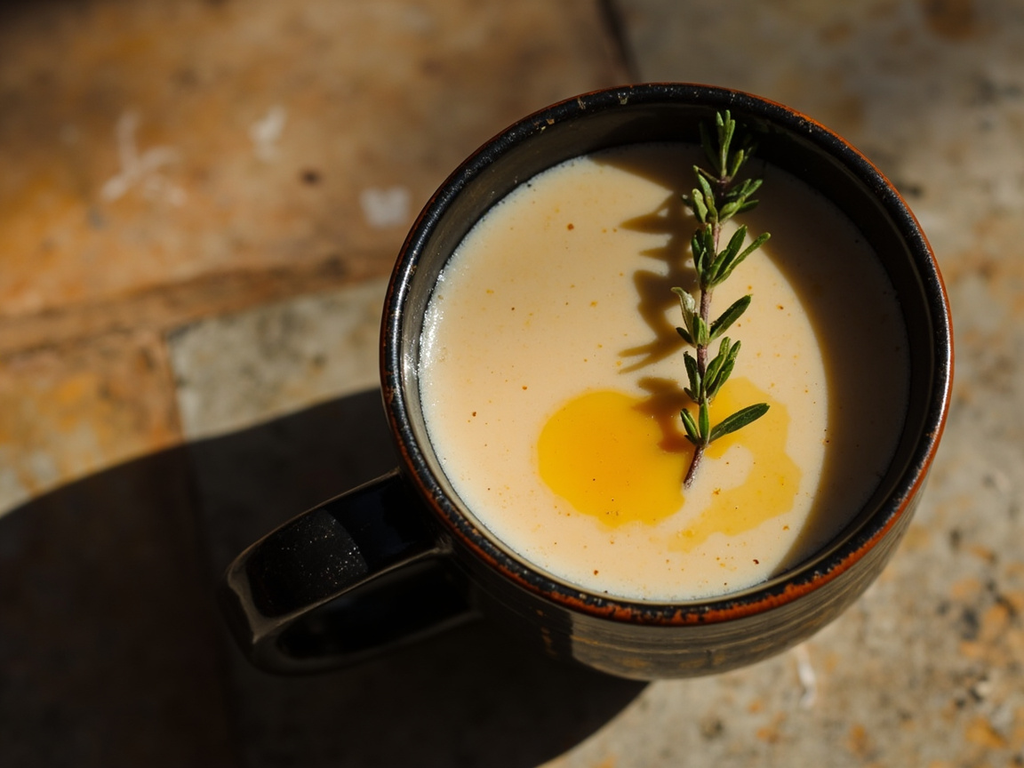 Travel
Traveler's kykéon with barley, honey, and thyme
Kykéon (portable meal-drink)
🍄 🍯· 10 min
View the recipe
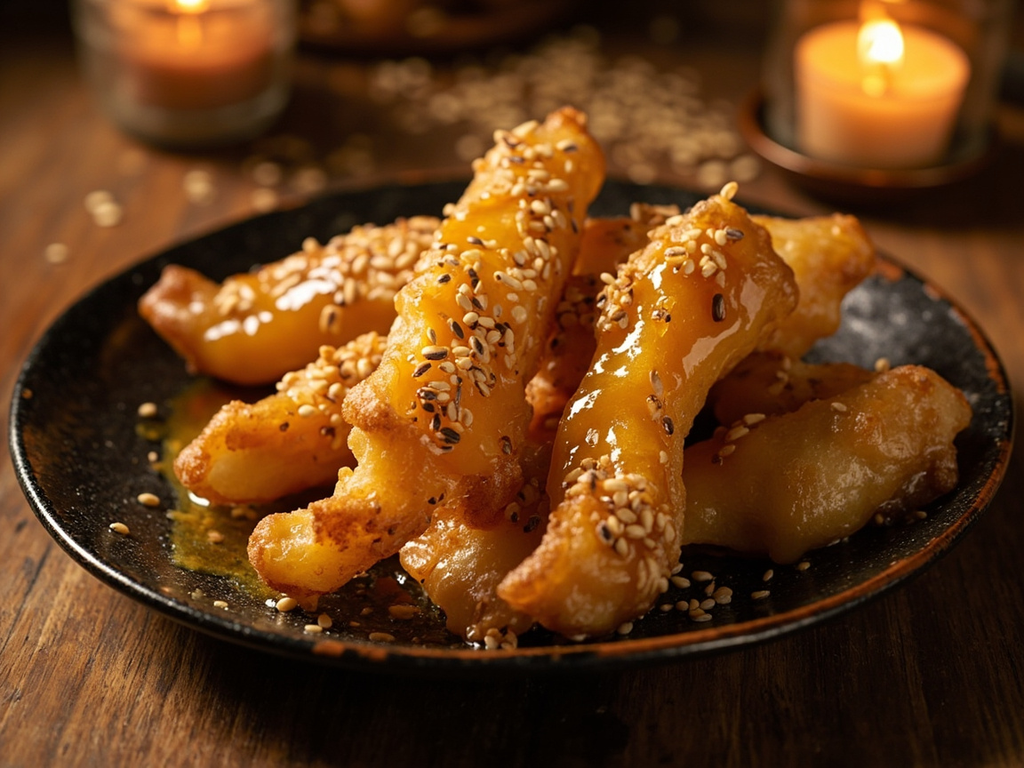 Festive
Itria with honey and sesame, for the symposion
Tragḗmata of the symposion (sweet snacks of the drinking party)
🍯· 45 min
View the recipe
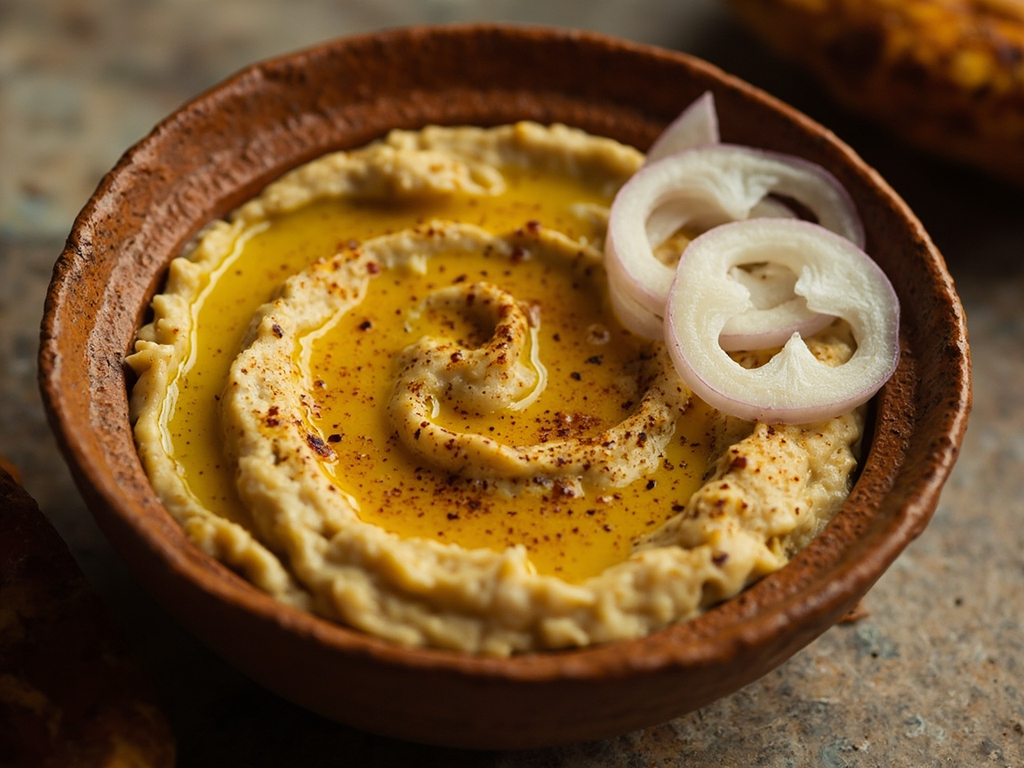 Preserving
Etnos of fava beans and split peas with oil and cumin
Fortifying opson of the deîpnon (the people's staple purée)
🍄 🧂· 1 h 10
View the recipe