The Feast at the Table of Tyre (Phoenician mâdâ)
In the Phoenician cities of Sidon and Tyre — home of Astarte, whose demonized form is Astaroth — meals were not served in successive courses, but as a shared, spread-out table: flatbreads broken by hand, bowls of olive oil and fermented fish sauce, dishes of legumes, dried fruits and salted fish, all accompanied by diluted wine. Sacred foods (honey cakes) were first presented to the goddess on the altar before being shared. This is a cuisine of merchants and sailors: everything must keep, travel, and be shared.
Signature : Fermented Fish Sauce (forerunner of Punic garum)
The Phoenicians and their colonies (Carthage, Gades) mastered the art of salting and fermenting fish in brine, the ancestor of Roman garum. This golden, salty, deeply umami brine flavored almost everything: it is the signature of the ancient Levantine coastal cuisine from which Astarte/Astaroth originates.
Astaroth at the table
5 period recipes
 Offering
Cakes for the Queen of Heaven (honey, sesame and fig)
Kavanim — sweet offering placed on the altar before sharing
🍯· 40 min
View the recipe
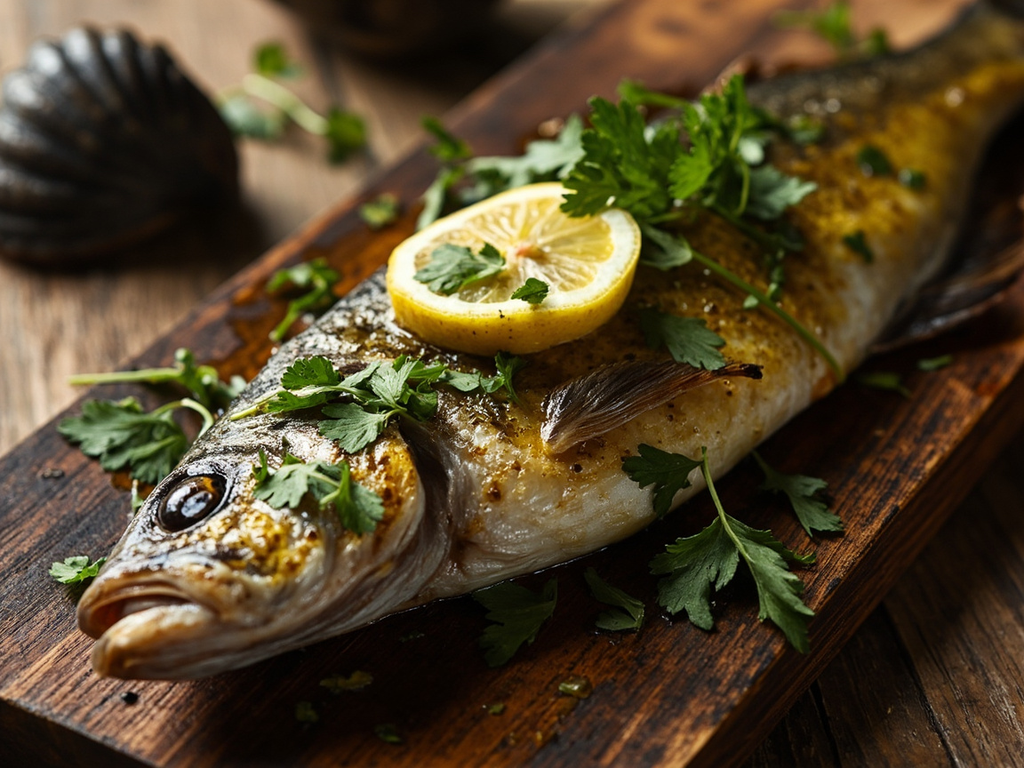 Festive
Grilled Fish of Tyre with Brine and Herbs
Centerpiece of the mâdâ — the shared fish at the heart of the festive table
🍄 🧂· 30 min
View the recipe
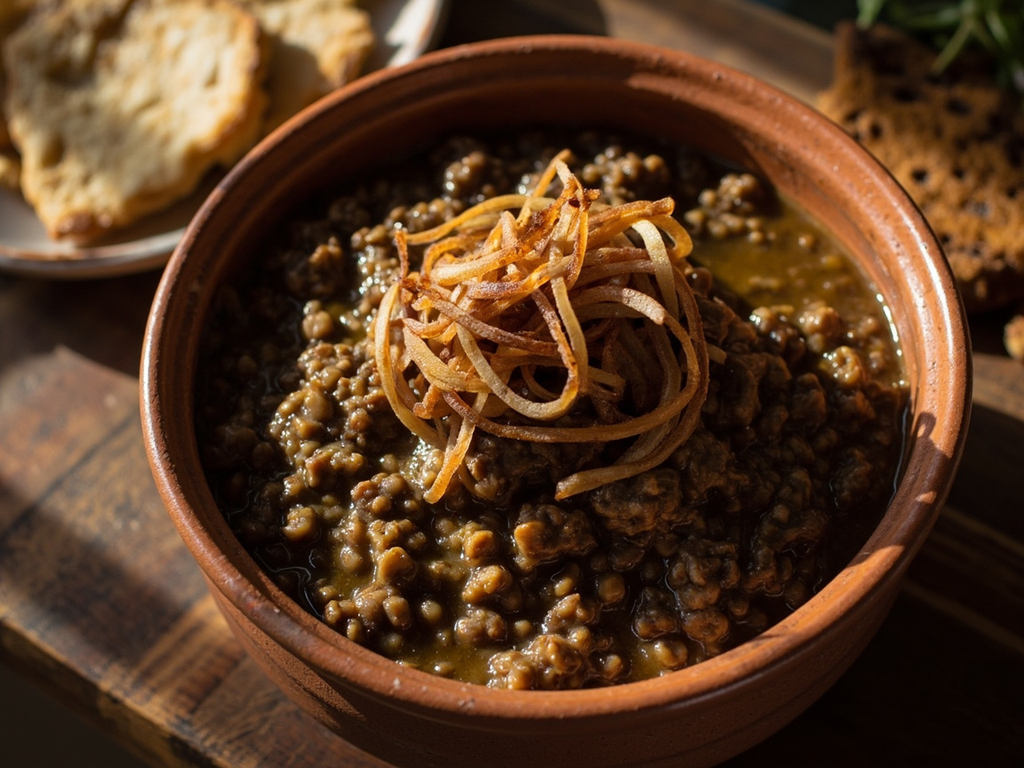 Everyday
Lentil Porridge with Cumin and Oil
Daily bowl — the legume staple of the merchant and sailor's meal
🧂 🌶️· 50 min
View the recipe
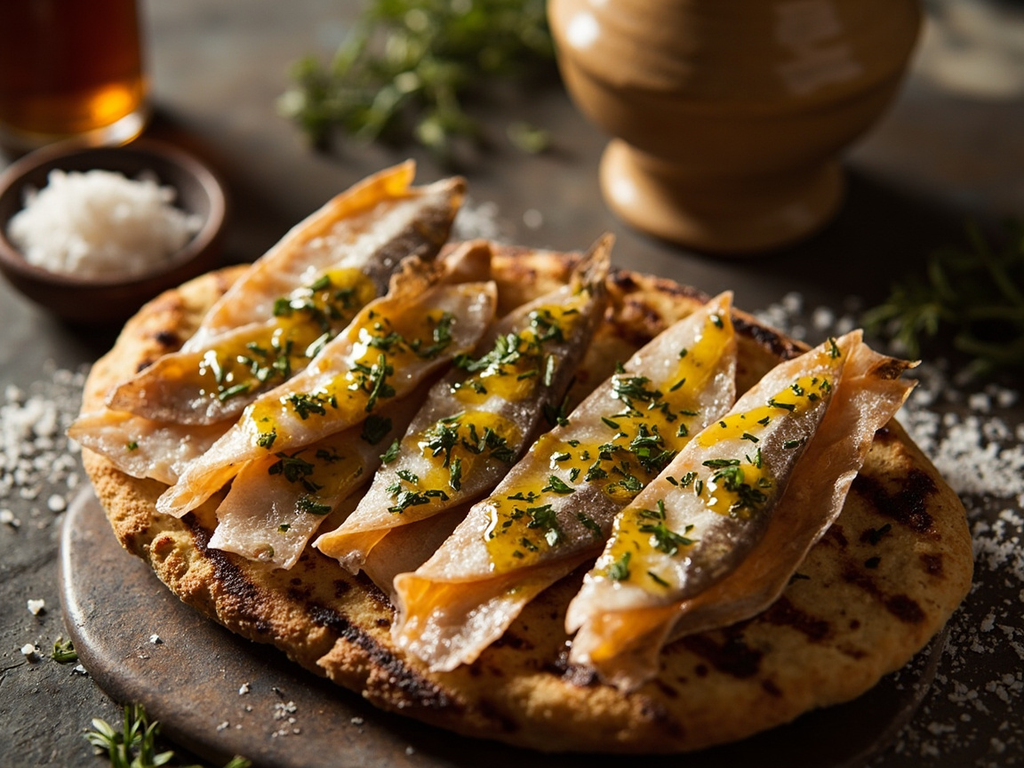 Preserving
Sailors' Salted Fish
Hold provision — the salted preserve that travels and keeps for months
🫙 🧂 🍄· 30 min work + 24 to 48 h salting
View the recipe
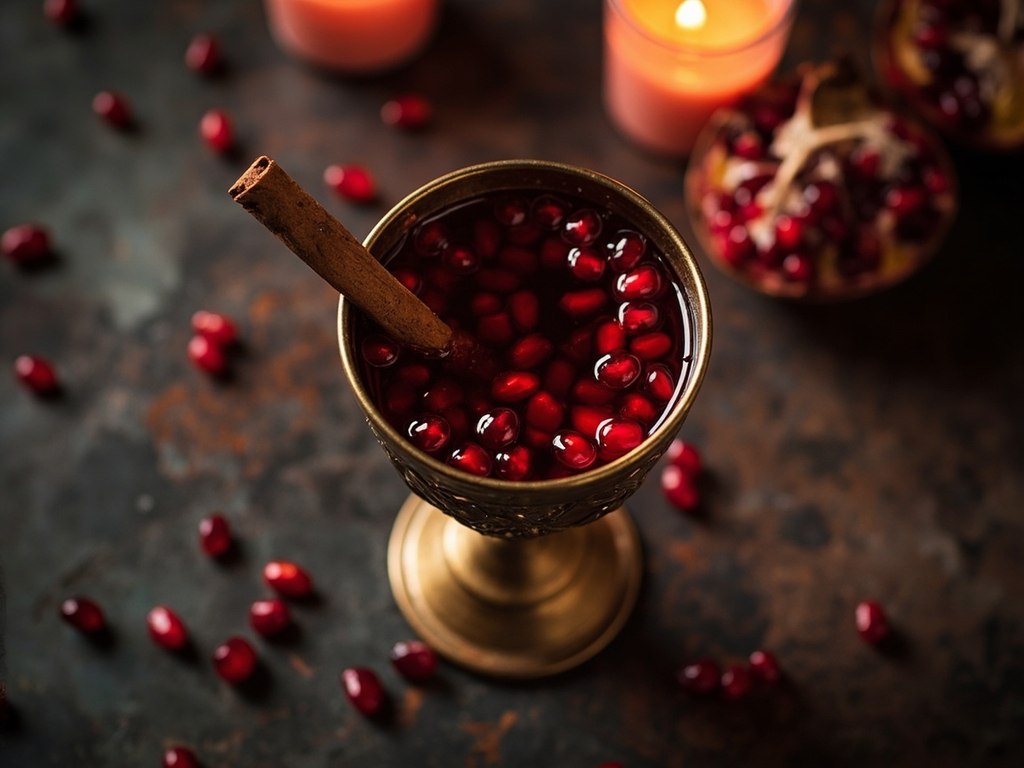 Drink
DrinkHoneyed Wine with Cinnamon and Pomegranate
Shared cup — the drink that opens and accompanies the banquet
🍋 🍯 🌶️· 20 min
View the recipe