 flip
flipCakes for the Queen of Heaven (honey, sesame and fig)
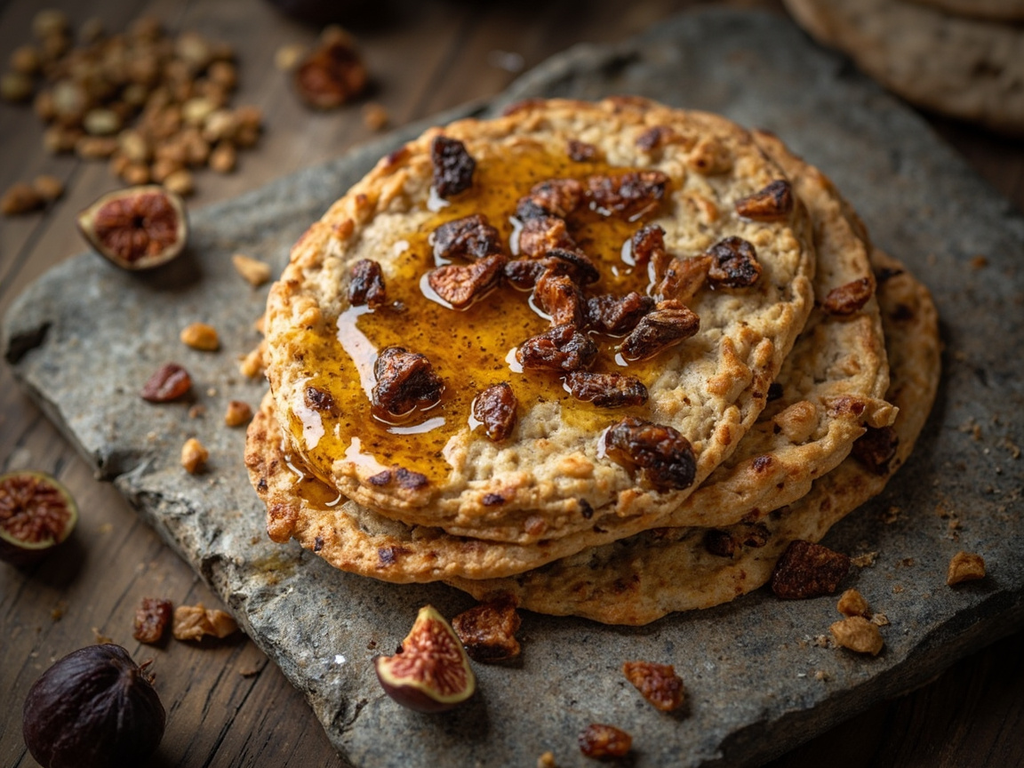
Cakes for the Queen of Heaven (honey, sesame and fig)
Why this dish? Astaroth is the demonized form of Astarte, the 'Ashtoreth' of the Bible. The Hebrew prophets denounce the women who kneaded cakes for the 'Queen of Heaven' (Jeremiah 7:18 and 44:19): these honey and fig cakes are the distant, inspired echo of that cult which medieval theology transformed into a demon.
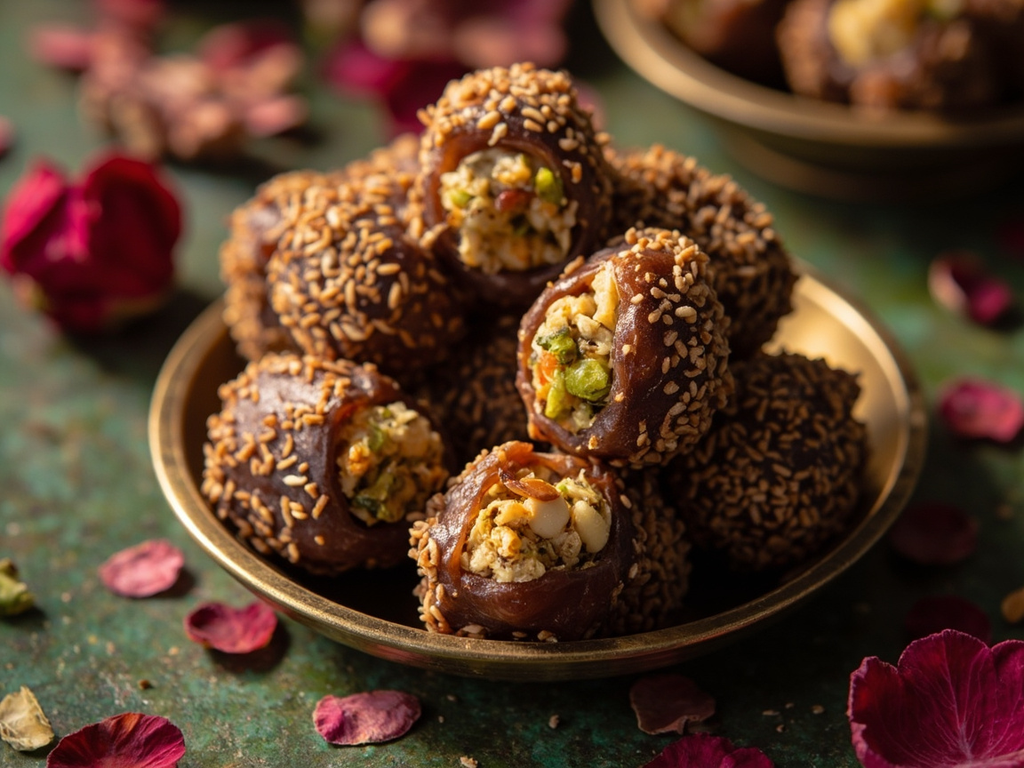
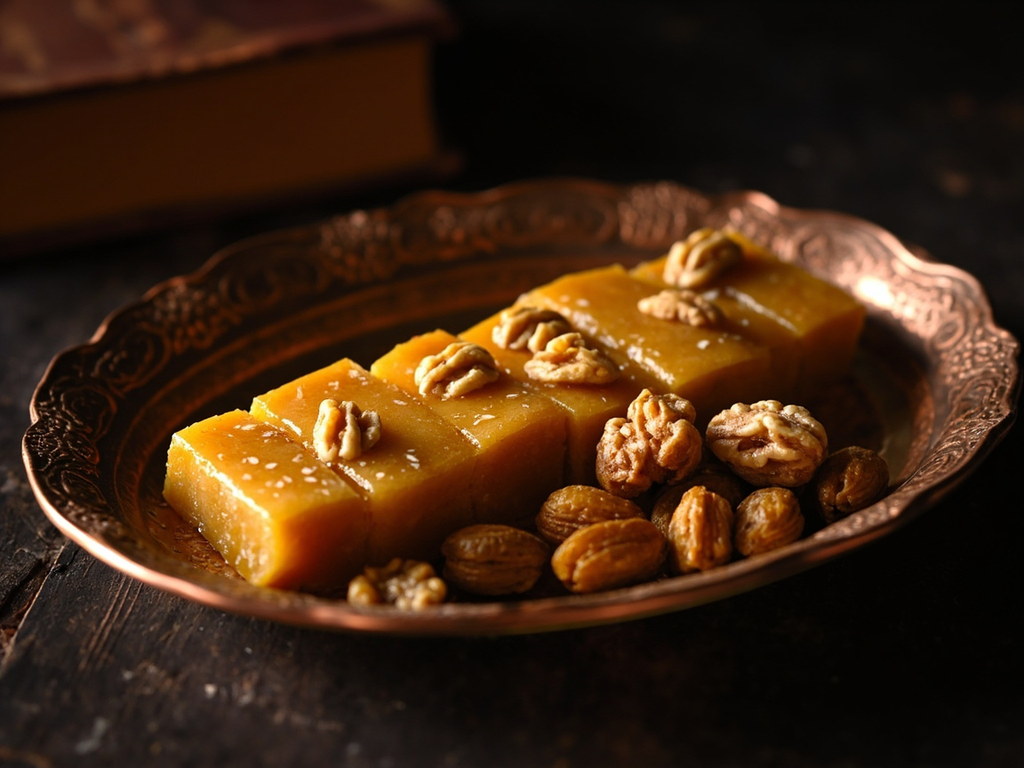
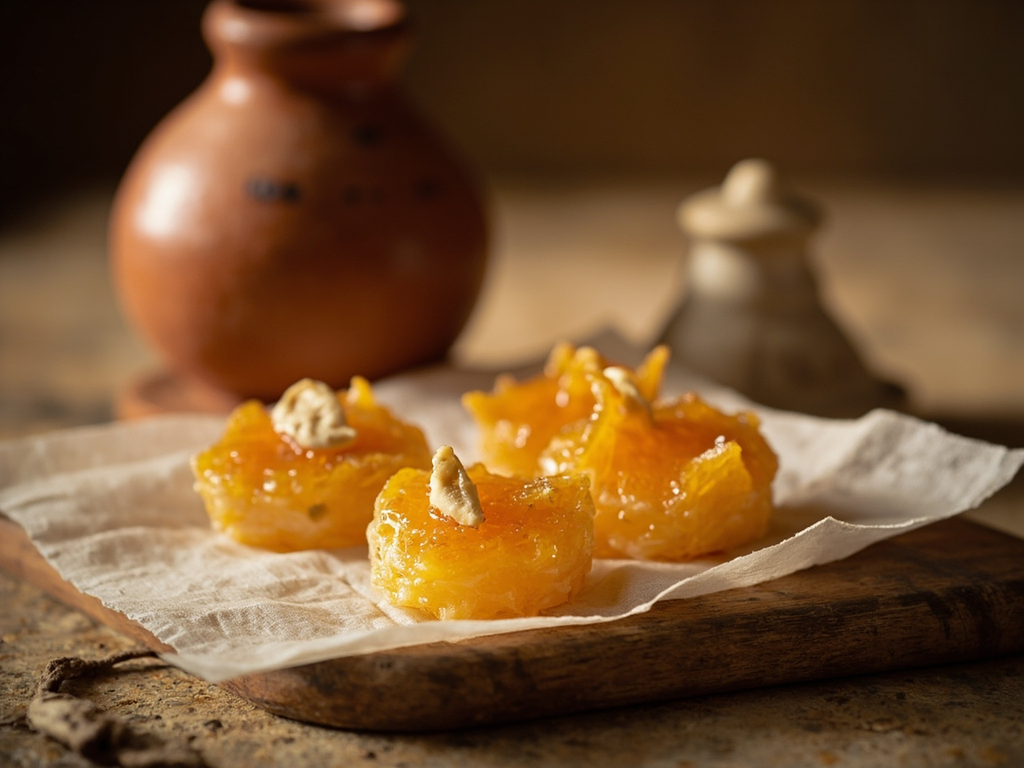
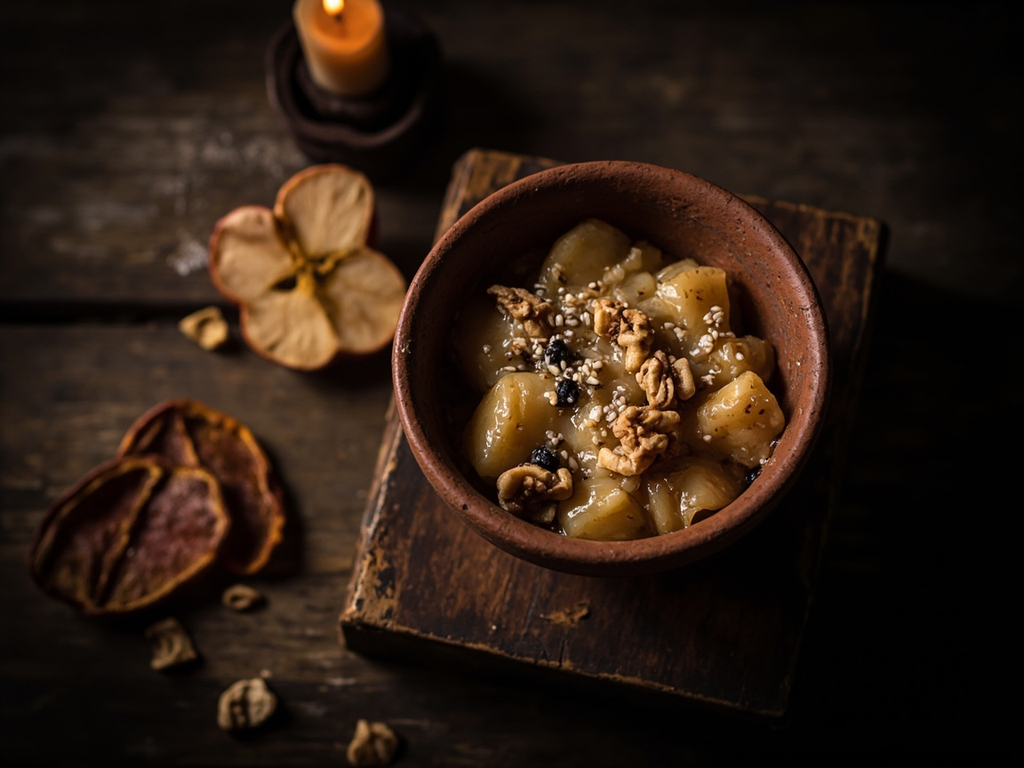
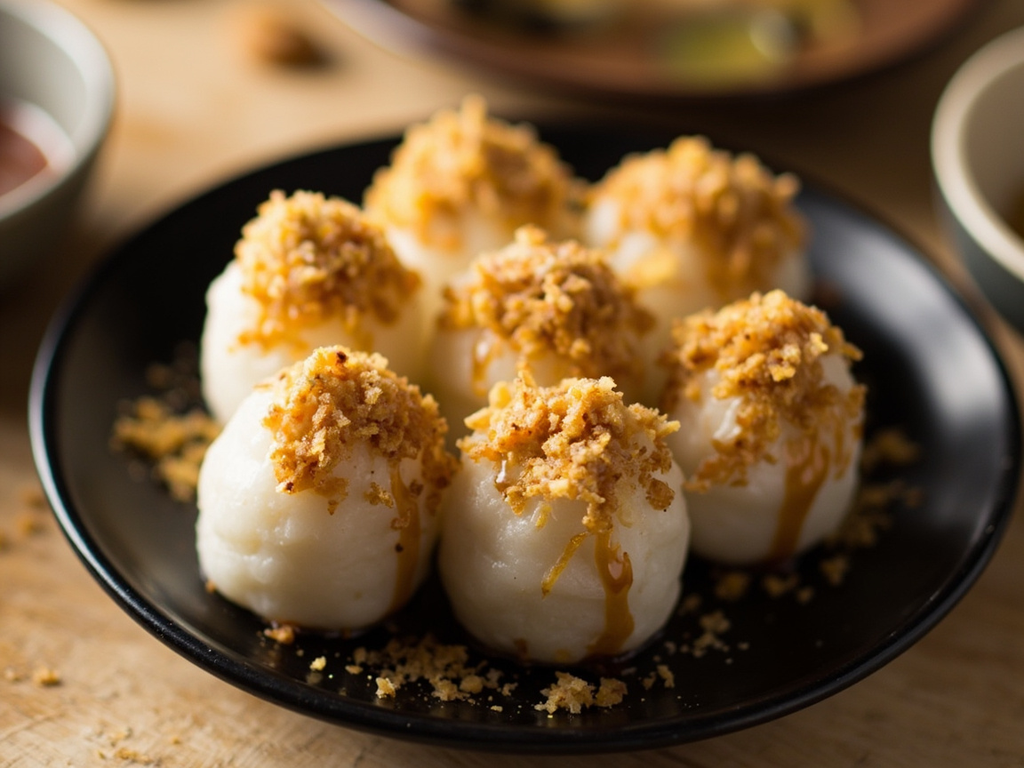
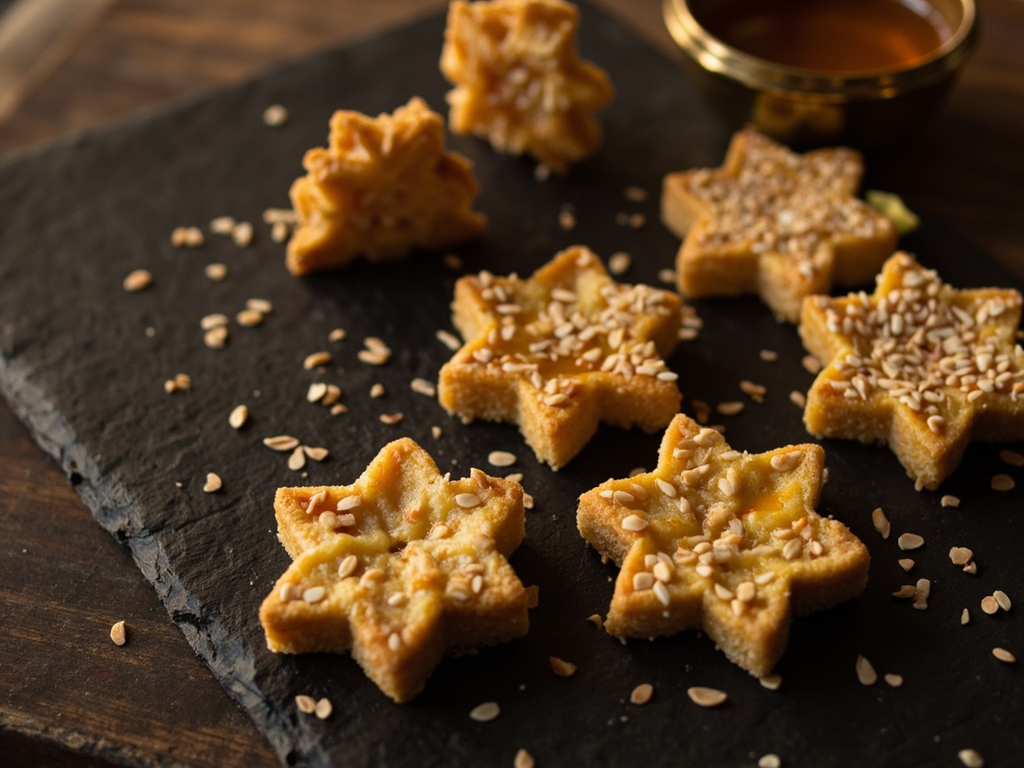
Small dense golden cakes, flavored with honey, dried fig and toasted sesame. Sometimes shaped like a star or crescent, attributes of the goddess. Tender and sticky, they keep for days — perfect for an offering that is later shared.
Approach, mortal, and behold what was once placed upon my altars in Sidon. Before your priests made me a prince of darkness, the city's daughters kneaded for me these cakes of honey and fig, and marked them with the star, my sign. The sesame was toasted until it sang under the tooth, and all was bound with the thickest honey. Offer them, and remember that I was a goddess before I was a devil.
- •Spelt or wheat flour — a good bowlful (base)
- •Dried figs — a generous handful, chopped (softness and sweetness)
- •Thick honey — enough to bind (binder and sweetness)
- •Toasted sesame seeds — two large pinches (crunchy signature)
- •Olive oil — a drizzle (fat)
- •Spring water — as needed (hydration)
Cakes for the Queen of Heaven (honey, sesame and fig)
Small dense golden cakes, flavored with honey, dried fig and toasted sesame. Sometimes shaped like a star or crescent, attributes of the goddess. Tender and sticky, they keep for days — perfect for an offering that is later shared.
Why this dish? Astaroth is the demonized form of Astarte, the 'Ashtoreth' of the Bible. The Hebrew prophets denounce the women who kneaded cakes for the 'Queen of Heaven' (Jeremiah 7:18 and 44:19): these honey and fig cakes are the distant, inspired echo of that cult which medieval theology transformed into a demon.
Approach, mortal, and behold what was once placed upon my altars in Sidon. Before your priests made me a prince of darkness, the city's daughters kneaded for me these cakes of honey and fig, and marked them with the star, my sign. The sesame was toasted until it sang under the tooth, and all was bound with the thickest honey. Offer them, and remember that I was a goddess before I was a devil.
Ingredients (period version)
- Spelt or wheat flour — a good bowlful (base)
- Dried figs — a generous handful, chopped (softness and sweetness)
- Thick honey — enough to bind (binder and sweetness)
- Toasted sesame seeds — two large pinches (crunchy signature)
- Olive oil — a drizzle (fat)
- Spring water — as needed (hydration)
Ingredients
- Spelt flour — 200 g (base)
- Chopped dried figs — 100 g (softness and sweetness)
- Honey — 80 g + a little for glazing (binder and sweetness)
- Sesame seeds — 40 g (crunchy signature)
- Olive oil — 3 tbsp (fat)
- Warm water — 4 to 6 tbsp (hydration)
Method
- Toast the sesame seeds in a dry pan until golden and fragrant, then set aside.
- Mix the flour, oil and honey, add the chopped figs and half the sesame seeds.
- Add warm water little by little until a soft, non-sticky dough forms.
- Shape into small cakes (or stars by hand), sprinkle with the remaining sesame seeds.
- Bake for 15 to 18 minutes at 180°C until golden, then brush with warm honey.
How it was made : In the ancient Levant, there was no oven with regulated heat: these cakes were baked on a clay griddle (tabûn) placed on embers, or directly against the hot wall of a bread oven. Honey and fig ensured preservation, and sesame — cultivated for millennia in Mesopotamia and the Levant — was the oil and treat of both the poor and the temple.
The contemporary twist : Arrange them like a constellation on a dark slate, with a single cake marked by a star of golden sesame in the center: 'The Queen of Heaven's Cakes'.
Sources : Bible, Jeremiah 7:18 and 44:19 (cakes for the Queen of Heaven / Ashtoreth)
Astaroth · Charactorium