 flip
flipSailors' Salted Fish
Sailors' Salted Fish
Why this dish? The Phoenicians, whose great goddess Astarte was the protector of sailors, crisscrossed the entire Mediterranean. Their wealth rested as much on purple dye as on salted fish, a trade good and shipboard provision. This is the dish that concretely links Astaroth to his maritime cities.
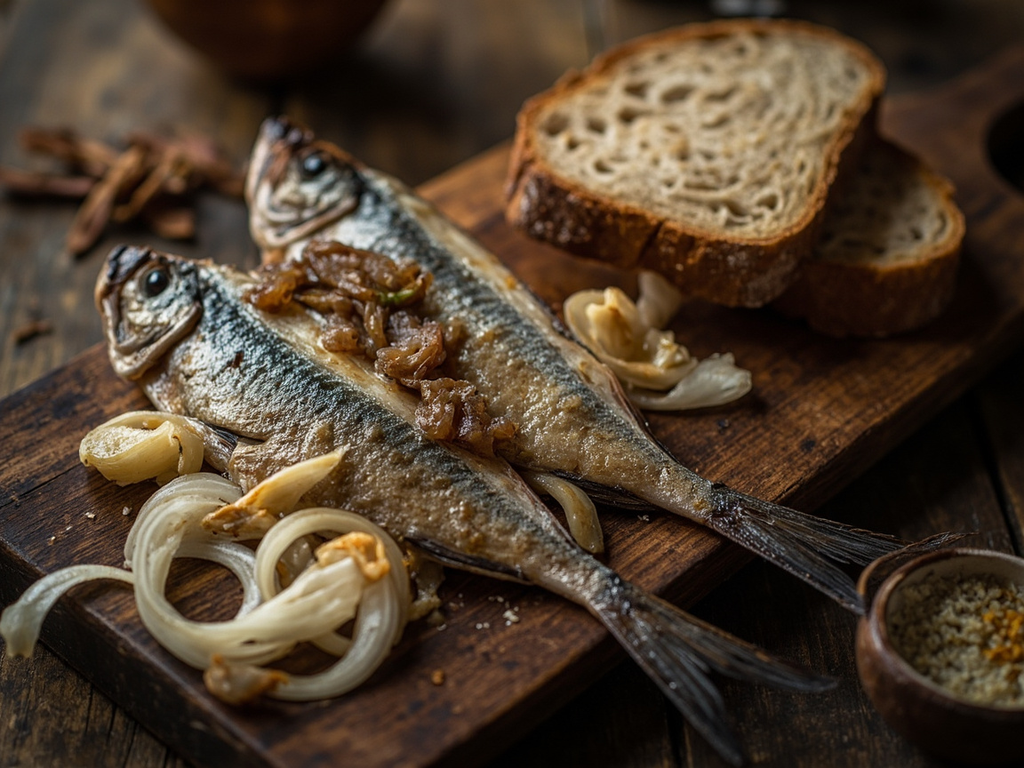
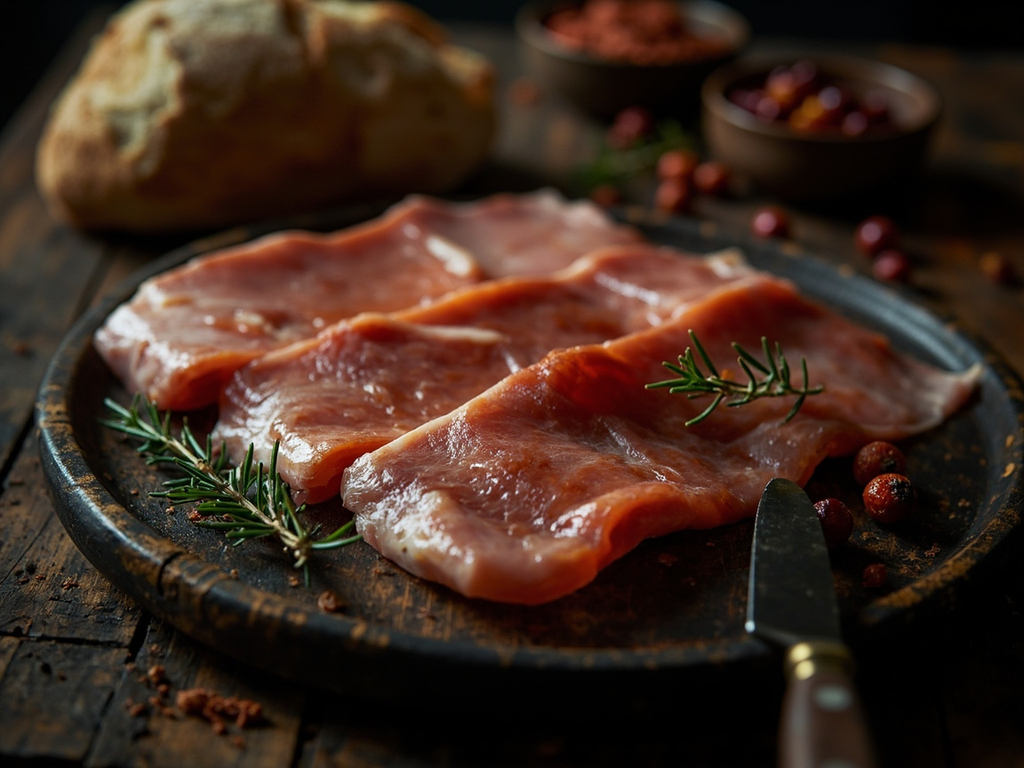
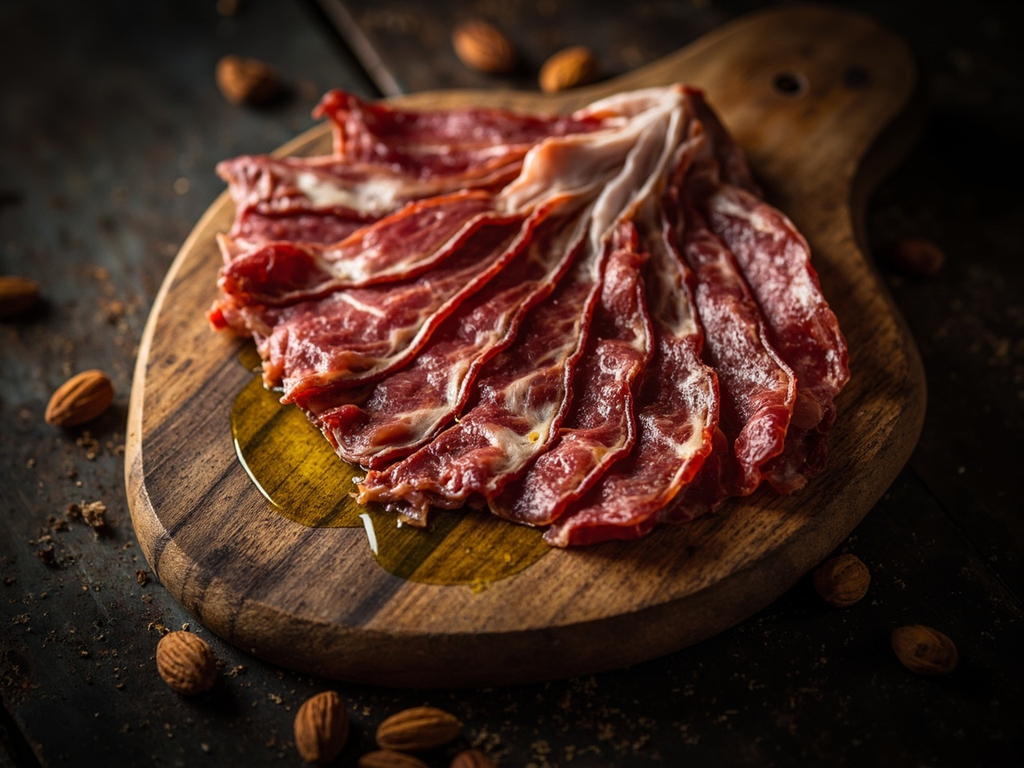
Fillets of oily fish packed in salt for several days, then dried. The flesh becomes firm, amber, intensely salty and umami — it is desalted, drizzled with oil and eaten in thin slices on bread. The preserve that enabled a people to travel.
Do you want to know how my people conquered the sea? Through salt, mortal. The fish was laid in salt as a corpse is laid in the tomb, and it emerged incorruptible, ready to cross the waves to the Pillars of Hercules. Soak it, anoint it with my oil, place it on bread: you will taste the patience of the sailors who carried my name from shore to shore.
- •Oily fish (tuna, mackerel, sardine) — in fillets (base to preserve)
- •Sea salt — in abundance (salting agent)
- •Olive oil — for serving (softens and binds)
- •Dried oregano or thyme — a pinch (aroma)
Sailors' Salted Fish
Fillets of oily fish packed in salt for several days, then dried. The flesh becomes firm, amber, intensely salty and umami — it is desalted, drizzled with oil and eaten in thin slices on bread. The preserve that enabled a people to travel.
Why this dish? The Phoenicians, whose great goddess Astarte was the protector of sailors, crisscrossed the entire Mediterranean. Their wealth rested as much on purple dye as on salted fish, a trade good and shipboard provision. This is the dish that concretely links Astaroth to his maritime cities.
Do you want to know how my people conquered the sea? Through salt, mortal. The fish was laid in salt as a corpse is laid in the tomb, and it emerged incorruptible, ready to cross the waves to the Pillars of Hercules. Soak it, anoint it with my oil, place it on bread: you will taste the patience of the sailors who carried my name from shore to shore.
Ingredients (period version)
- Oily fish (tuna, mackerel, sardine) — in fillets (base to preserve)
- Sea salt — in abundance (salting agent)
- Olive oil — for serving (softens and binds)
- Dried oregano or thyme — a pinch (aroma)
Ingredients
- Very fresh mackerel or sardine fillets — 4 (base to preserve)
- Coarse sea salt — 500 g (full coverage) (salting agent)
- Olive oil — for drizzling at serving (softens and binds)
- Dried oregano — 1 pinch (aroma)
Method
- Spread a layer of coarse salt in a dish, lay the fillets skin-side down, then cover completely with salt.
- Refrigerate for 24 to 48 hours: the salt draws out moisture and firms the flesh.
- Rinse the fillets, then soak in cold water for 1 to 2 hours (change the water once) to desalt.
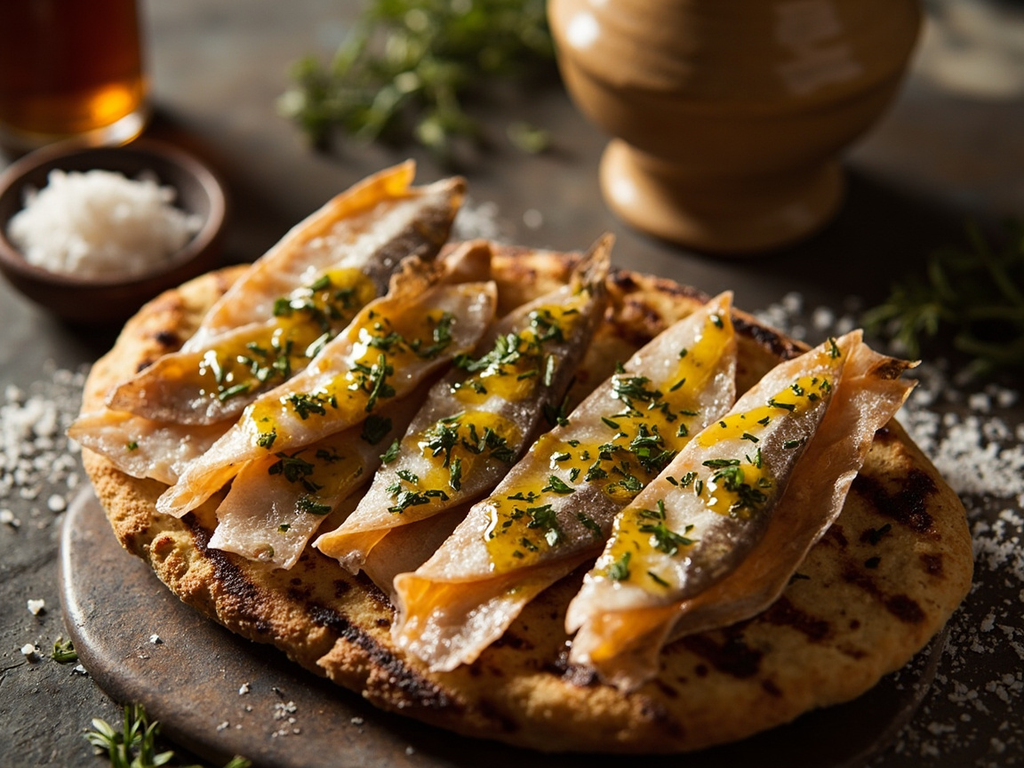
- Pat dry, slice into thin strips, arrange on a plate.
- Drizzle with olive oil, sprinkle with oregano; eat on flatbread.
How it was made : Fish salting is attested throughout the Phoenician and Punic Mediterranean: Gades (Cadiz) and Carthage exported salted tuna and mackerel in amphorae. Salt was harvested from salt pans, and dried fish was an essential shipboard provision for long voyages — without it, there would have been no Phoenician colonies.
The contemporary twist : Serve as 'ancient tapas': thin amber slices on grilled bread sticks, a drizzle of oil and a lemon zest — the Mediterranean ancestor of marinated anchovies.
Sources : Strabo, Geography (salted fish from Gades and Punic trading posts)
Astaroth · Charactorium