Persian Sofreh
In Qajar Persia, people do not eat at a table but around the sofreh, a long cloth spread on the floor or carpet. Dishes are placed all together, without a starter-main-dessert order: rice, bread, cheese, fresh herbs, jams, and tea coexist. Each person serves themselves as they wish, and sharing bread always opens the meal. In the frugality of exile, this sofreh often shrinks to little: bread, white cheese, and a glass of tea.
Signature : Saffron and Rose Water
Two signatures of Persian cuisine that Bahá'u'lláh knew: saffron (za'farán), red gold that gilds festive rice, and rose water (goláb) distilled from the roses of Kashan, which perfumes sweets and drinks. Even modest, the Persian table knows how to be delicate.
Bahá'u'lláh at the table
1817 — 1892
5 period recipes
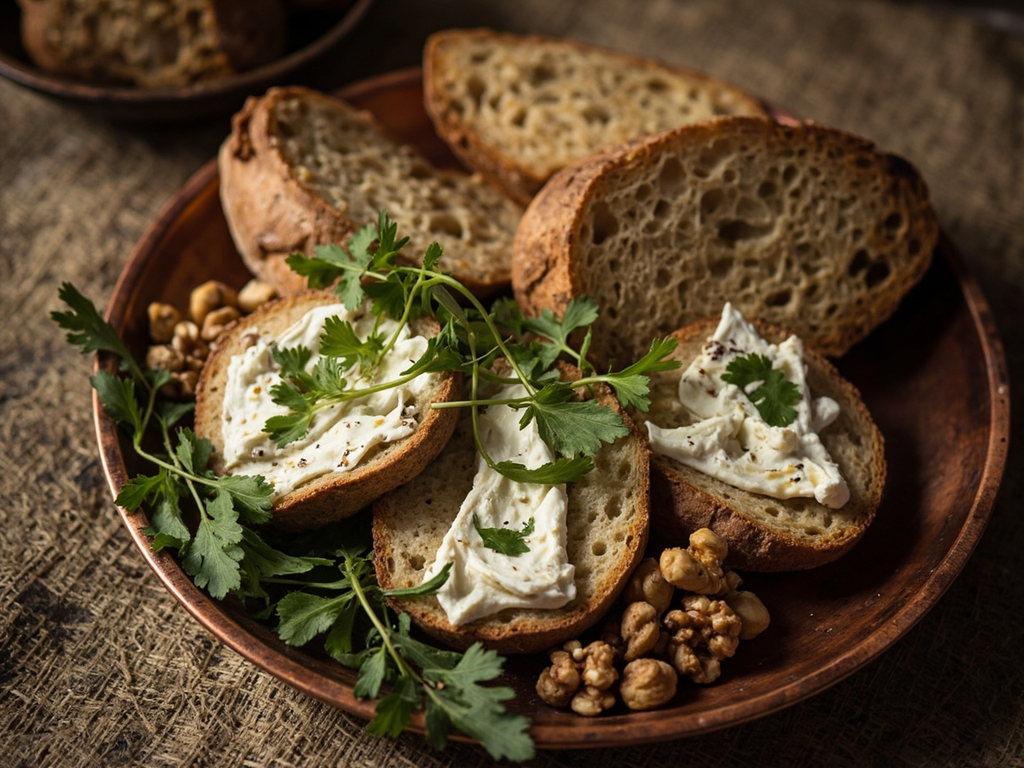 Everyday
Nán-o-panír — Morning Bread, Cheese and Herbs
Sobhâne (the simple sofreh meal, no hierarchy of dishes)
🧂 🫙 🍋· 10 min
View the recipe
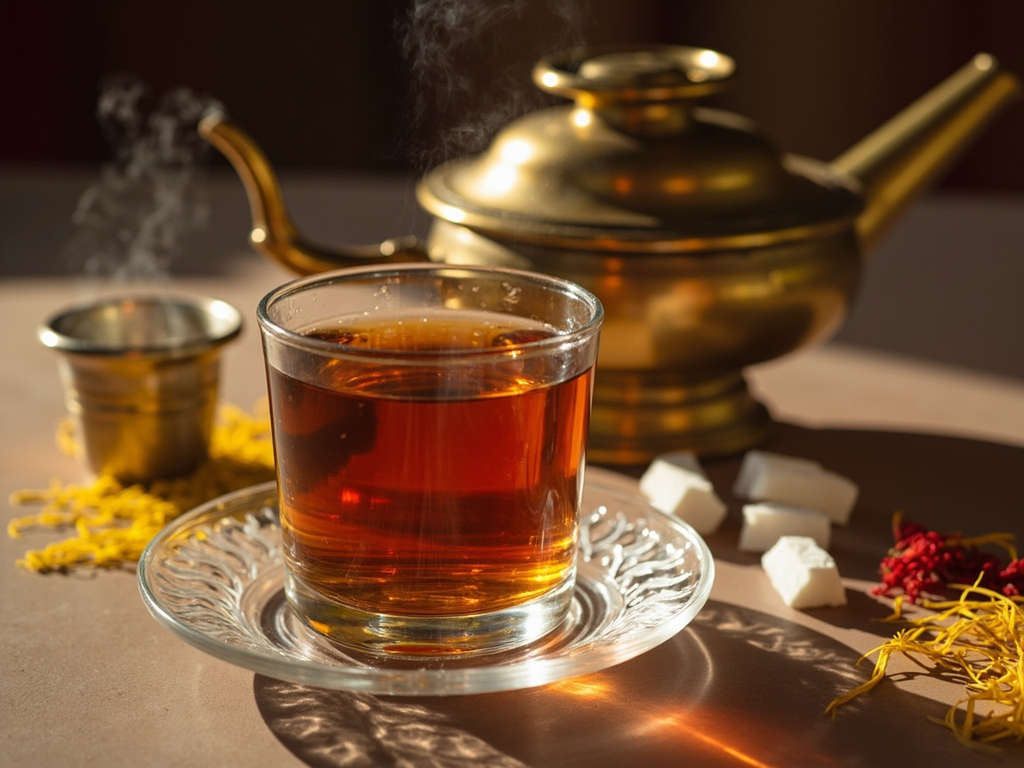 Drink
DrinkSamovar Chái — Persian Saffron and Cardamom Tea
Chái (tea that punctuates everything, from morning to evening, always present on the sofreh)
☕ 🍯· 20 min
View the recipe
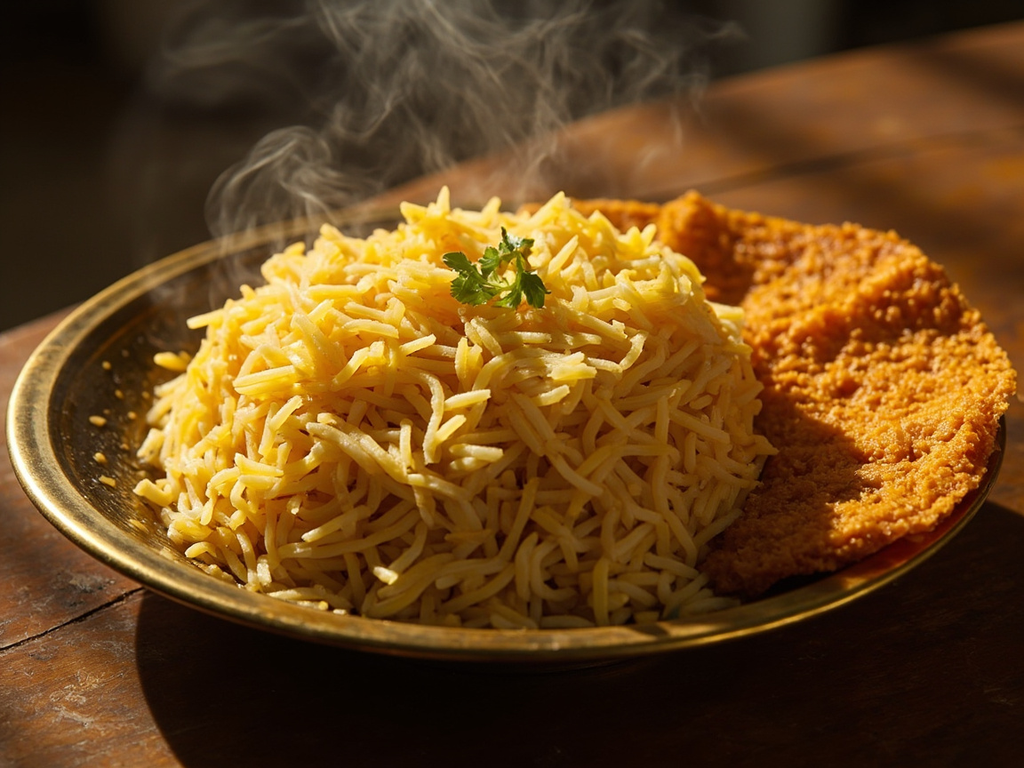 Festive
Chelow ba za'farán — Festive Persian Saffron Rice
Polow/Chelow (the rice foundation of the sofreh, heart of any ceremonial meal)
🧂 🍄· 2 h (including soaking)
View the recipe
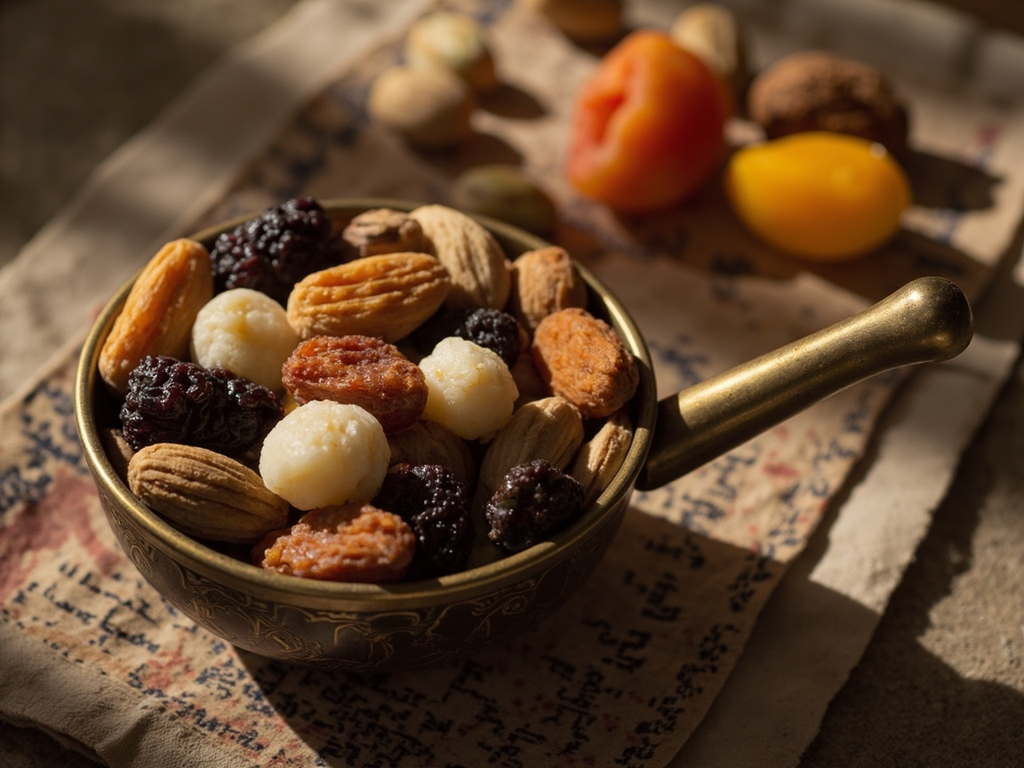 Travel
Tút khoshk va ájíl — Dried Mulberries and Exile Mix
Ájíl (the mix of dried fruits and seeds, travel provision and hospitality offering)
🍯· 10 min
View the recipe
 Remedy
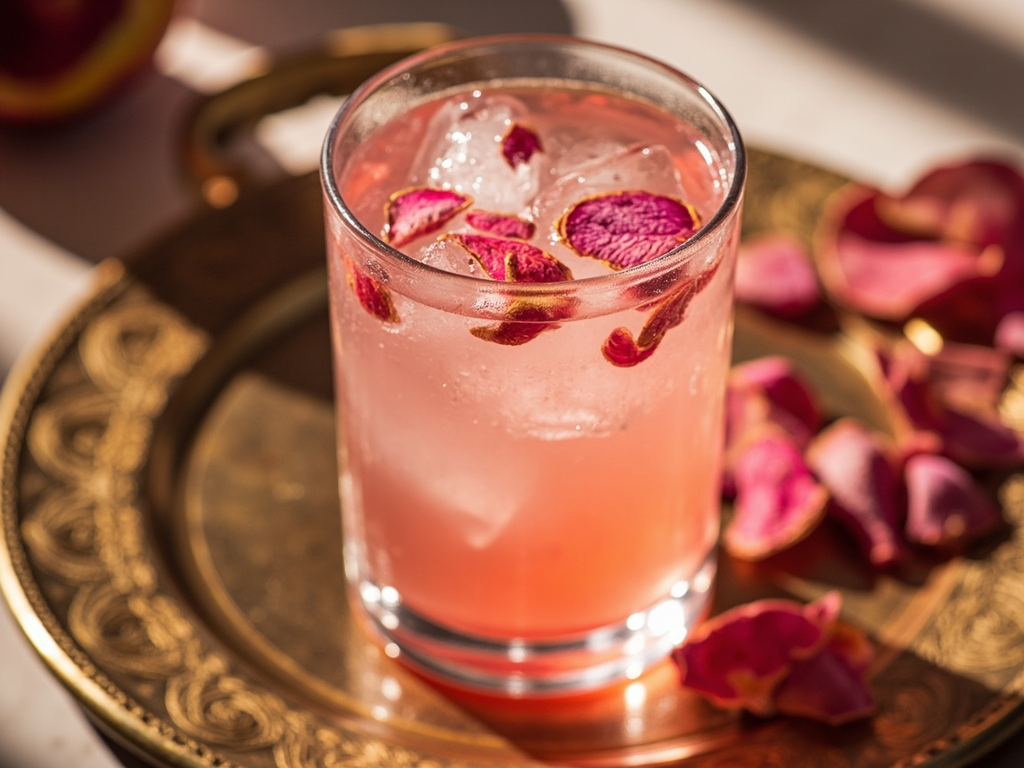
Sharbat-e goláb — Rose Syrup with Cool Water
Sharbat (refreshing syrup drink of hospitality, served as a sign of welcome)
🍯 🍋· 20 min
View the recipe