 flip
flipTút khoshk va ájíl — Dried Mulberries and Exile Mix
Tút khoshk va ájíl — Dried Mulberries and Exile Mix
Why this dish? His biography recalls a diet of dried fruits during successive exiles, from Tehran to 'Akká. Dried fruits and nuts (ájíl) were the quintessential food of the traveler and captive: light, durable, energy-rich — exactly what was needed for long, uncertain roads across the Ottoman Empire.
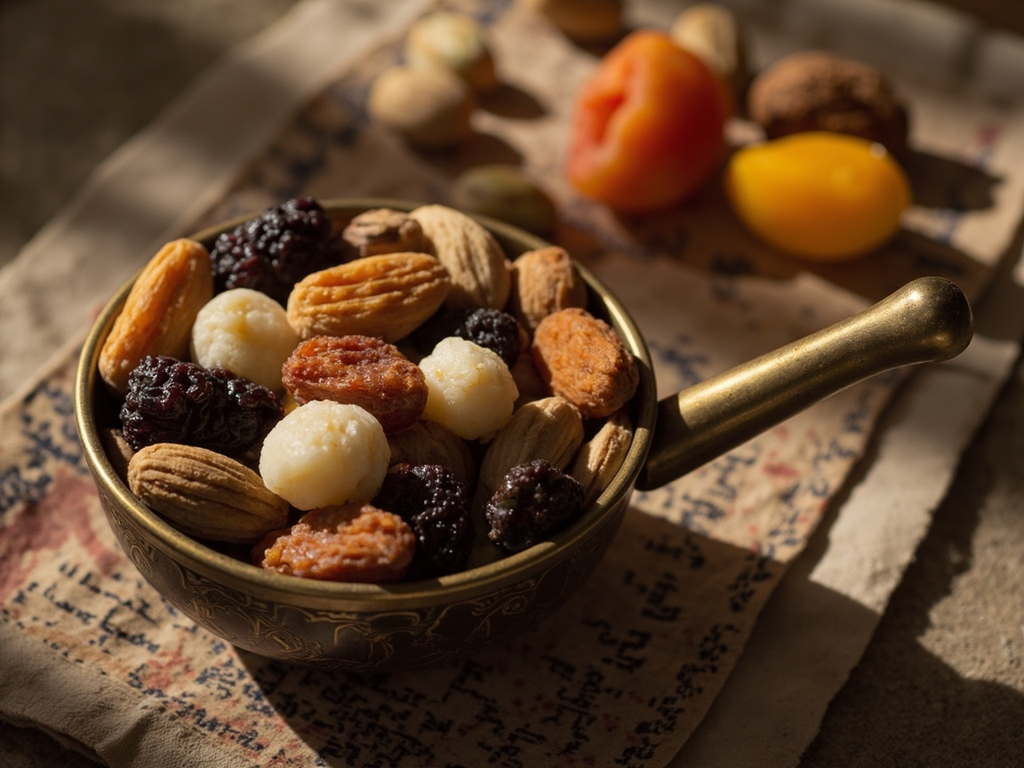
A Persian mix of dried fruits and nuts: white mulberries sweet as honey, apricots, raisins, almonds, pistachios, and walnuts. The ideal provision that keeps for months and is nibbled on the road or offered to guests.
When the road is long and bread scarce, here is the traveler's companion. Slip into your pouch these white mulberries that the sun has candied on the tree — they are sweet as a blessing and do not spoil. A handful of this mix, a little spring water, and the walker holds out until evening. To the almonds and pistachios I add raisins, for God has placed in these small things enough to sustain man on the paths of exile.
- •Dried white mulberries (tút) — a good portion (natural sweetness)
- •Dried apricots — a few (soft fruit)
- •Raisins — a handful (sugar)
- •Almonds — a handful (richness, satiety)
- •Pistachios — a handful (crunch)
- •Walnuts — a few halves (energy)
Tút khoshk va ájíl — Dried Mulberries and Exile Mix
A Persian mix of dried fruits and nuts: white mulberries sweet as honey, apricots, raisins, almonds, pistachios, and walnuts. The ideal provision that keeps for months and is nibbled on the road or offered to guests.
Why this dish? His biography recalls a diet of dried fruits during successive exiles, from Tehran to 'Akká. Dried fruits and nuts (ájíl) were the quintessential food of the traveler and captive: light, durable, energy-rich — exactly what was needed for long, uncertain roads across the Ottoman Empire.
When the road is long and bread scarce, here is the traveler's companion. Slip into your pouch these white mulberries that the sun has candied on the tree — they are sweet as a blessing and do not spoil. A handful of this mix, a little spring water, and the walker holds out until evening. To the almonds and pistachios I add raisins, for God has placed in these small things enough to sustain man on the paths of exile.
Ingredients (period version)
- Dried white mulberries (tút) — a good portion (natural sweetness)
- Dried apricots — a few (soft fruit)
- Raisins — a handful (sugar)
- Almonds — a handful (richness, satiety)
- Pistachios — a handful (crunch)
- Walnuts — a few halves (energy)
Ingredients
- Dried white mulberries (Persian/Middle Eastern grocery) — 100 g (sweetness)
- Dried apricots — 80 g (softness)
- Raisins — 60 g (sugar)
- Whole almonds — 80 g (satiety)
- Unsalted pistachios — 60 g (crunch)
- Walnut halves — 60 g (energy)
Method
- Check that the dried fruits are well dried and sound (white mulberries should be pliable but not sticky).
- Mix dried fruits and nuts in a large bowl, without adding anything.
- For a softer version, briefly soak apricots and raisins in a little warm water, then drain well.
- Store in an airtight container away from light: keeps for several weeks.
- Serve in small cups upon a guest's arrival, or portion into packets for the road.
How it was made : Ájíl is a Persian institution: a mix of dried fruits and roasted seeds offered to visitors and taken on journeys. Dried white mulberries (tút) were a poor man's sugar, dried right on the tree. In a region and era without refrigeration, drying was THE technique for preserving fruit through winter and long distances.
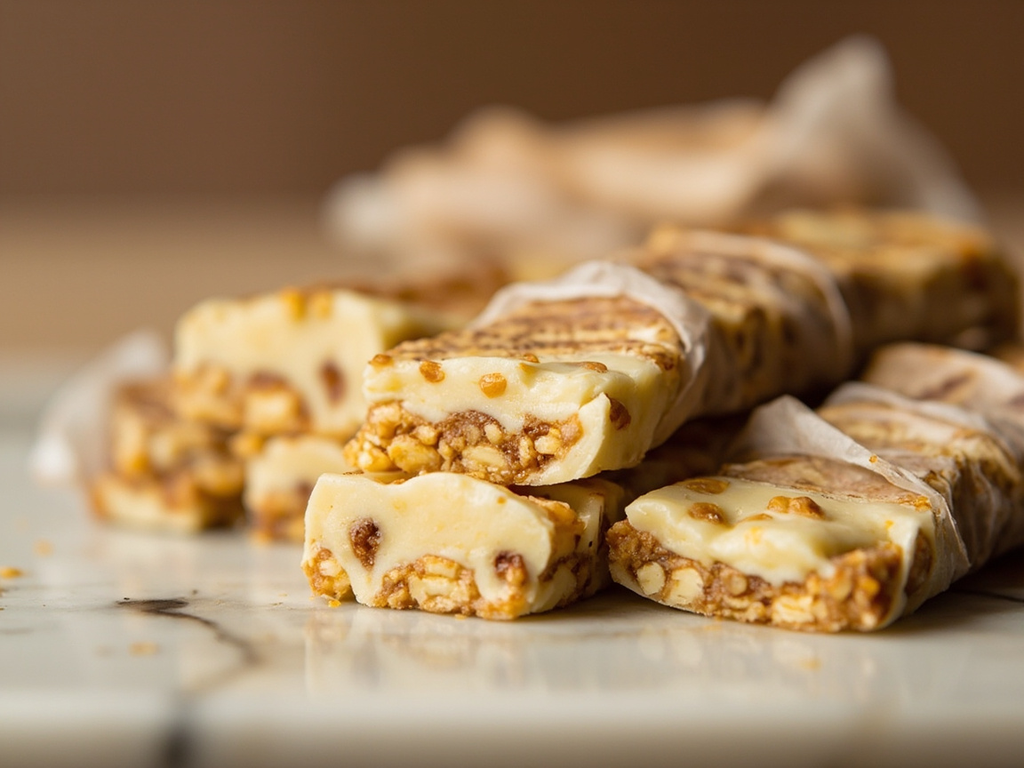
The contemporary twist : Blend the mix with a little honey and rose water, press into small "traveler's energy bars" rolled in crushed pistachios.
Sources : Najmieh Batmanglij, Food of Life · Margaret Shaida, The Legendary Cuisine of Persia
Bahá'u'lláh · Charactorium