The Dishes of the Refectory and the Medieval Banquet
In the Middle Ages, meals were not served as 'starter-main course-dessert' but as a succession of courses. In the quiet of the monastic refectory — where monks illuminated the bestiaries that depict me — the common pottage was eaten, simple and meatless. At the lordly table, by contrast, several courses of roast meats and spectacular entremets were laid out, those illusion-dishes meant to astonish, of which I am one of the favorite models. Between the two reigned the remedies and electuaries of the apothecary, and the spiced wines drunk to close the meal and 'seal the stomach'.
Signature : Rue (Ruta graveolens)
The bitter herb par excellence of medieval gardens. Bestiaries claim that the weasel rubs itself with rue before facing me, and that only this plant survives my venom. Antidote, condiment, and amulet: no herb is more intimately linked to me. Its green, camphoraceous bitterness marks several dishes here.
Basilisk at the table
4 period recipes
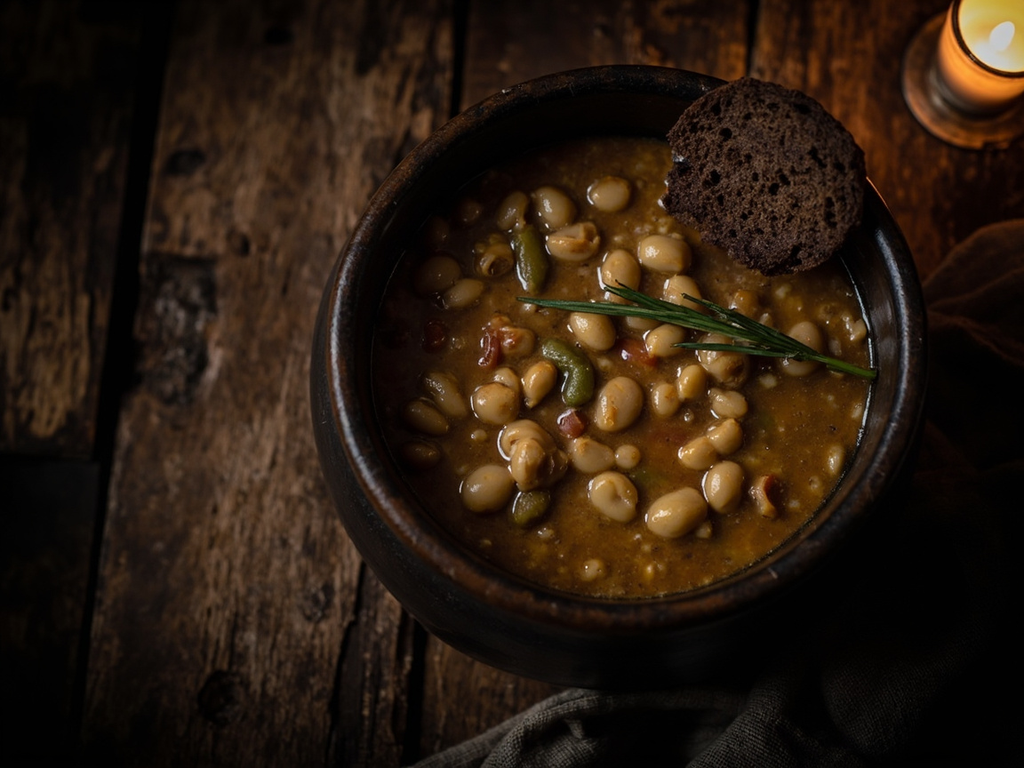 Everyday
Meatless Pottage of the Scriptoria with Rue
The common pottage of the refectory (monastic meatless course)
🧂 ☕· 1 h 20
View the recipe
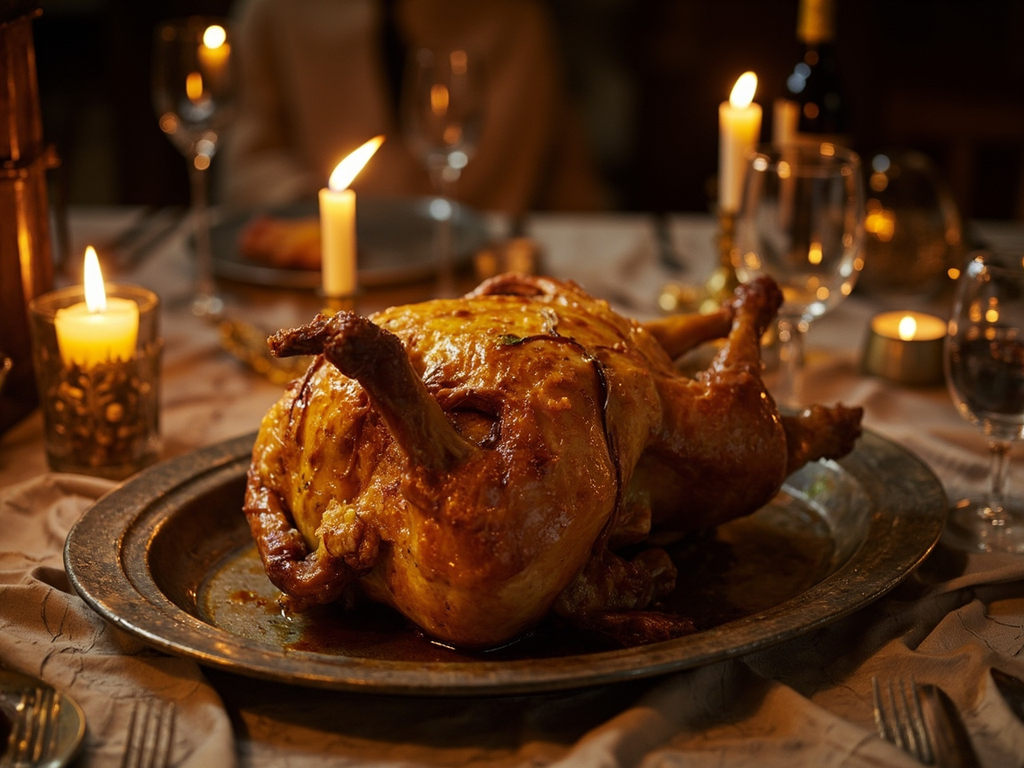 Festive
Cockentrice, the Illusion Entremets of the Banquet
Roast entremets (spectacular course of the lordly table)
🧂 🍄 🌶️· 2 h 30
View the recipe
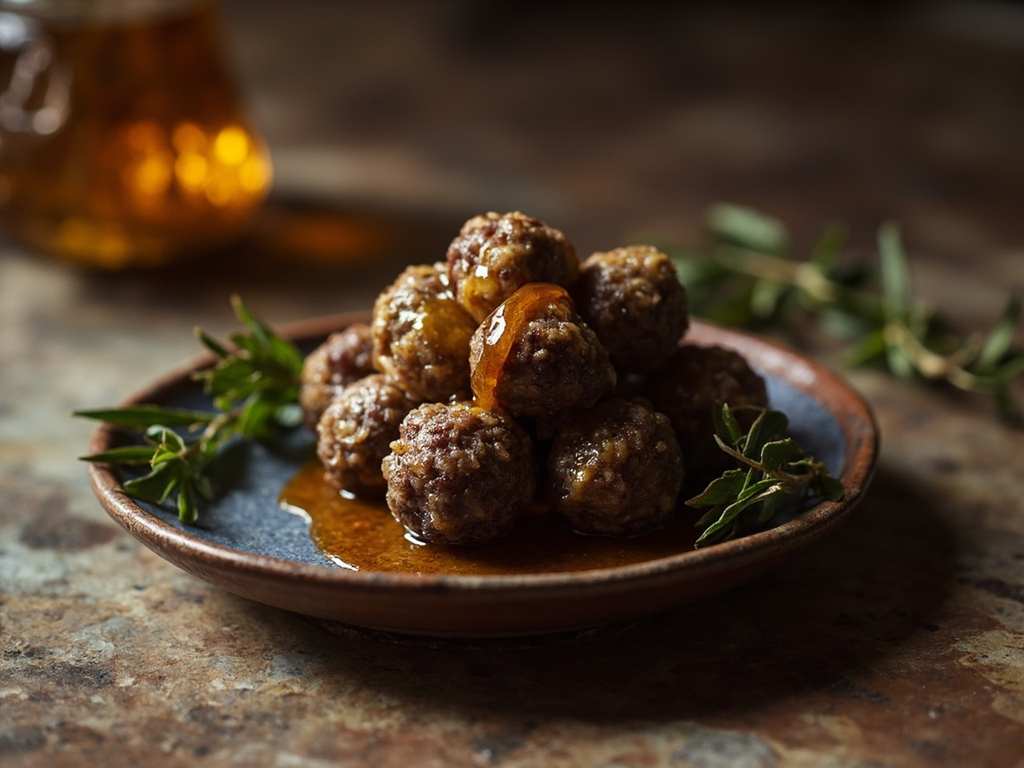 Remedy
Electuary of Rue with Honey and Figs (the Antidote)
Apothecary's electuary (remedy taken by the spoonful)
☕ 🍯· 20 min (+ resting)
View the recipe
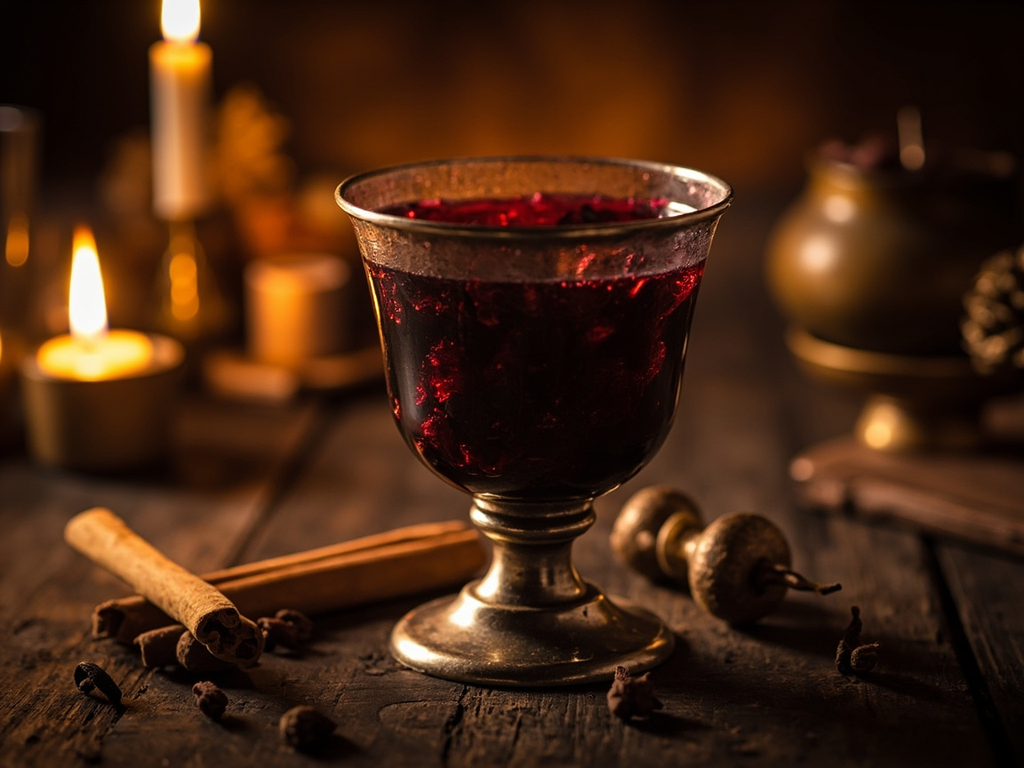 Drink
DrinkHippocras with Ginger and Grains of Paradise
Closing wine (the 'boute-hors' at the end of the banquet)
🌶️ 🍯· 15 min (+ 2 h infusion)
View the recipe