 flip
flipElectuary of Rue with Honey and Figs (the Antidote)
Electuary of Rue with Honey and Figs (the Antidote)
Why this dish? Against my venom, the ancients prescribed rue — the herb with which the weasel arms itself to face me. They made a sweet-bitter paste with figs, walnuts, and honey, heir to the antidote attributed to Mithridates. The remedy devised expressly against the king of serpents.
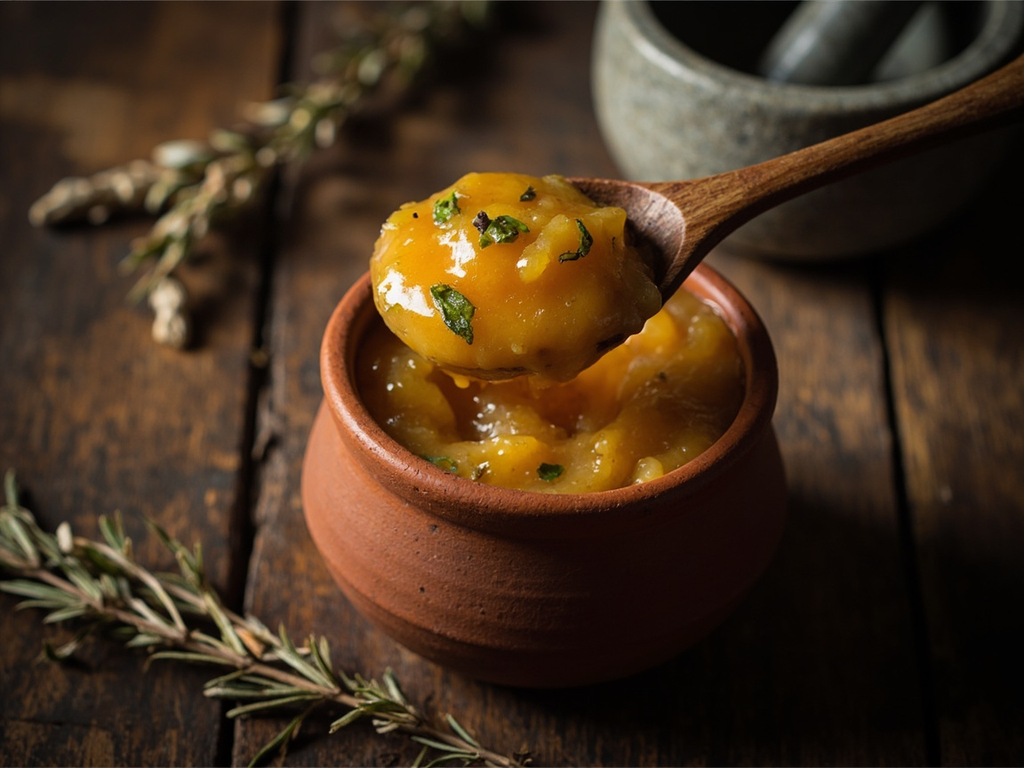
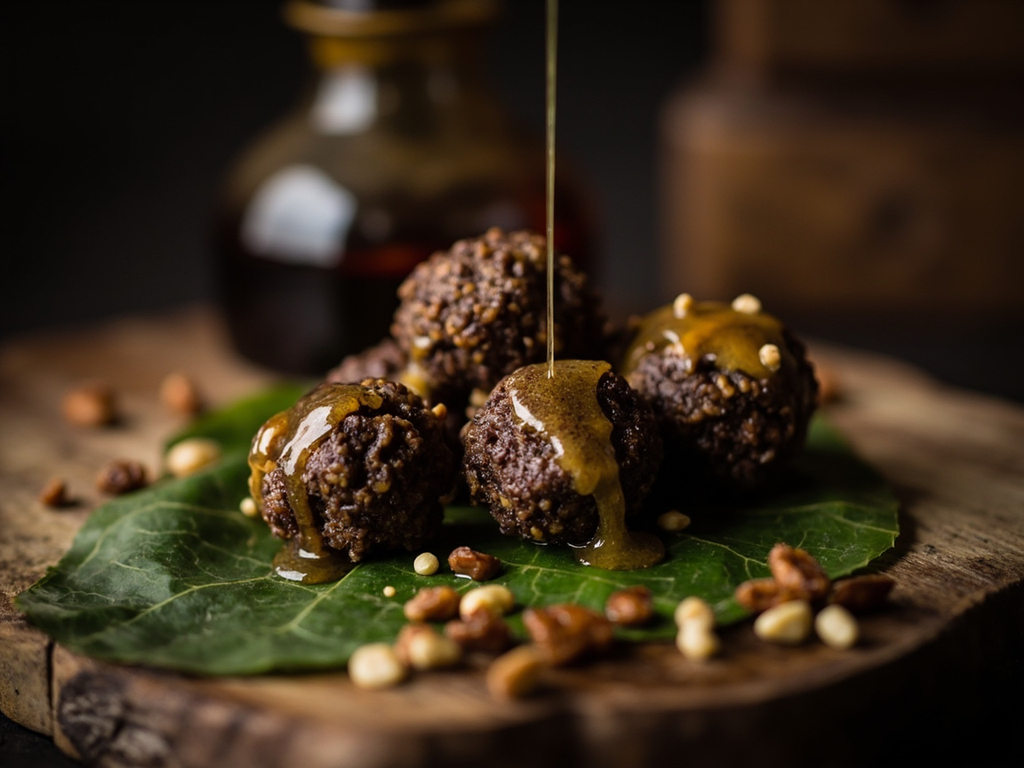
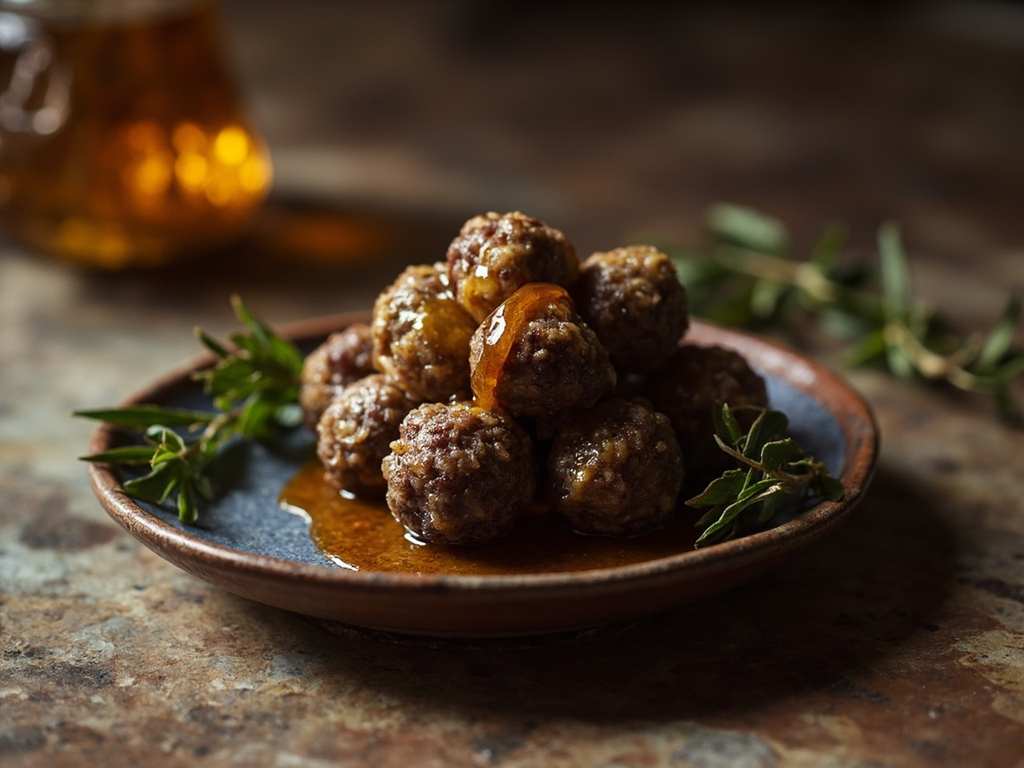
A thick, sticky paste, halfway between confectionery and medicine: figs, walnuts, salt, and rue pounded in honey. One takes a spoonful in the morning. Sweet at first, then the green bitterness of rue rises — the signature of the counterpoison.
Ah, you think you can defend yourself from me? Learned men pound fig, walnut, and rue in honey, and swallow this paste in the morning while murmuring the name of Mithridates. It is sweet on the tongue, then bitterness seizes you — that is how one recognizes a true counterpoison. Take a spoonful if it reassures you. I know what an herb is worth against a king.
- •Dried figs — about twenty (sweet base, binder)
- •Walnut kernels — a handful (body, noble bitterness)
- •Rue leaves — a few (signature, antidote virtue)
- •Salt — a pinch (awakening of flavors)
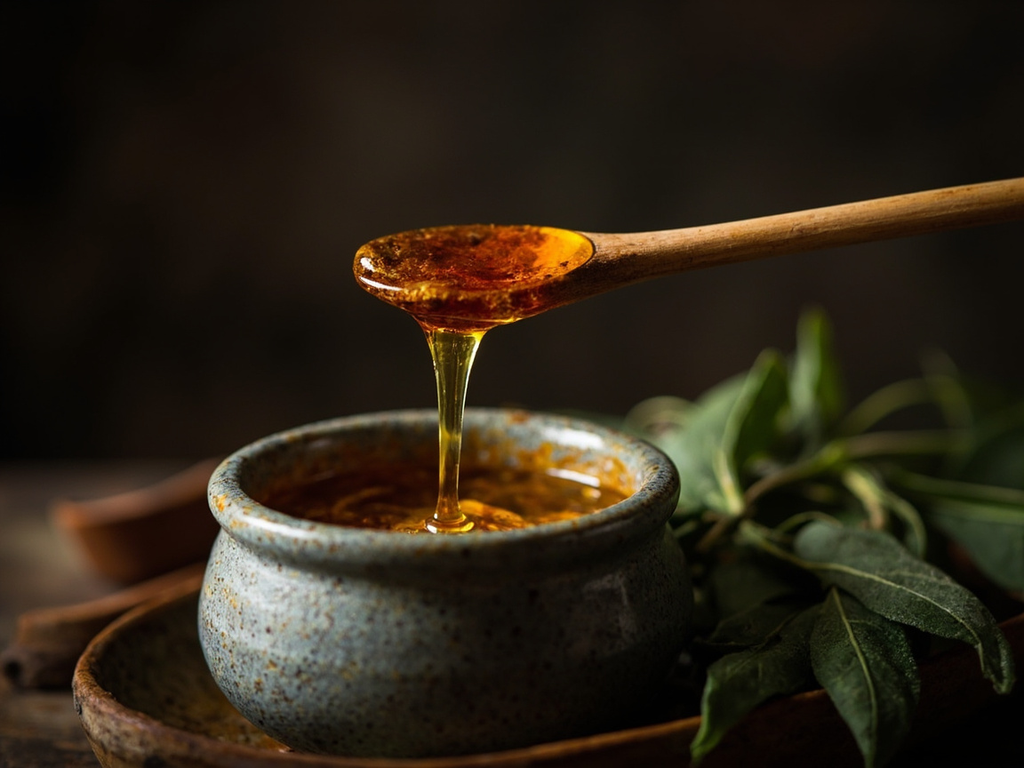
- •Honey — enough to bind (preservation and sweetness)
Electuary of Rue with Honey and Figs (the Antidote)
A thick, sticky paste, halfway between confectionery and medicine: figs, walnuts, salt, and rue pounded in honey. One takes a spoonful in the morning. Sweet at first, then the green bitterness of rue rises — the signature of the counterpoison.
Why this dish? Against my venom, the ancients prescribed rue — the herb with which the weasel arms itself to face me. They made a sweet-bitter paste with figs, walnuts, and honey, heir to the antidote attributed to Mithridates. The remedy devised expressly against the king of serpents.
Ah, you think you can defend yourself from me? Learned men pound fig, walnut, and rue in honey, and swallow this paste in the morning while murmuring the name of Mithridates. It is sweet on the tongue, then bitterness seizes you — that is how one recognizes a true counterpoison. Take a spoonful if it reassures you. I know what an herb is worth against a king.
Ingredients (period version)
- Dried figs — about twenty (sweet base, binder)
- Walnut kernels — a handful (body, noble bitterness)
- Rue leaves — a few (signature, antidote virtue)
- Salt — a pinch (awakening of flavors)
- Honey — enough to bind (preservation and sweetness)
Ingredients
- Soft dried figs — 200 g (base)
- Walnut kernels — 80 g (body)
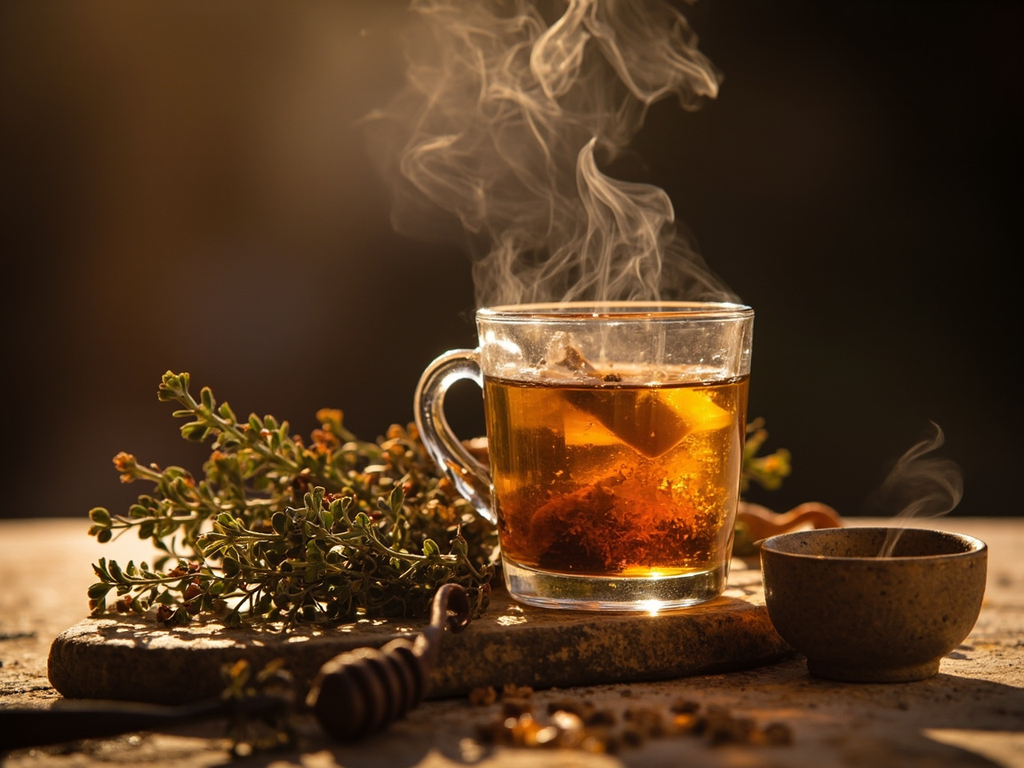
- Fresh rue — 4-5 leaves only (signature (dose cautiously))
- Fine salt — 1 pinch (seasoning)
- Honey — 2 to 3 tbsp (binder and preservation)
Method
- Roughly pound or blend the figs, walnuts, and rue leaves with the pinch of salt.
- Add honey little by little until a thick, homogeneous paste forms.
- Shape into small balls or press into a pot; let rest overnight for the flavors to meld.
- Store in a cool place; consume one small spoonful at a time (rue remains a potent active: use moderately, avoid during pregnancy).
How it was made : Pliny the Elder reports an antidote called 'of Mithridates' mixing two walnuts, two figs, twenty rue leaves, and a grain of salt, pounded together: taken on an empty stomach, it was supposed to protect against poisons. Medieval pharmacopoeia, heir to Pliny and Dioscorides, perpetuated rue as a great protective herb — hence its constant link with the basilisk in bestiaries.
The contemporary twist : Rolled into truffles and dusted with walnut powder, these balls become an 'antidote' mignardise to offer at the end of a meal — assertive green bitterness.
Sources : Pliny the Elder, Natural History, book XXIII (antidote of Mithridates) · Dioscorides, De materia medica (rue) · Isidore of Seville, Etymologiae, book XII (the basilisk)
Basilisk · Charactorium