The Chilean Criollo Table
In early 19th-century Chile, meals were not thought of as 'starter, main, dessert' but followed the rhythm of the home and the countryside: the midday *almuerzo* (cazuelas, guisos, and empanadas), the afternoon *onces* (bread and a hot or sweet drink), and, for soldiers marching towards Chacabuco and Maipú, the *rancho* — the harsh camp ration of charqui, mote, and ash-baked flatbread. Sweet and sour notes came from dried fruits and grape must, not from a separate course.
Signature : Harina tostada and ají in Criollo cooking
Two markers of the Chilean taste of the time: *harina tostada* (dry-toasted wheat flour, which perfumes flatbreads and drinks with a roasted hazelnut note) and *ají*, the native mildly spicy chili that enlivens meats and sauces. In Chile, land of the Americas, these New World products are at home — no anachronism.
Bernardo O'Higgins at the table
1778 — 1842
5 period recipes
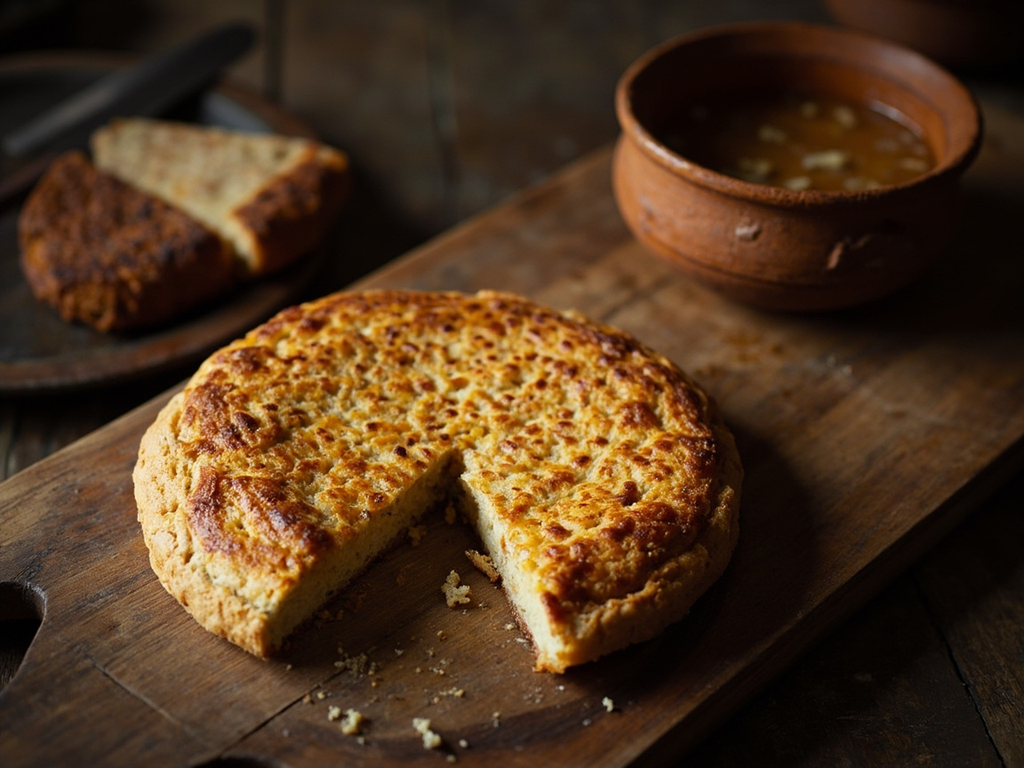 Everyday
Tortilla de rescoldo (ash-baked flatbread)
Pan de campo — daily bread at home and in the rancho
🧂· 1 h
View the recipe
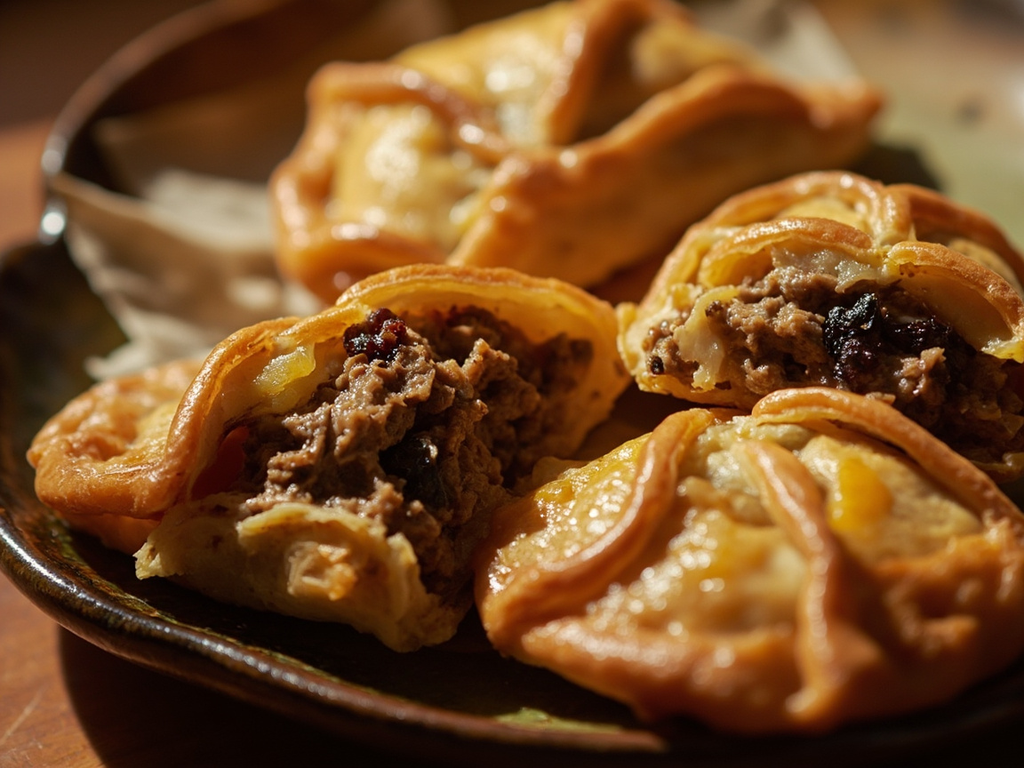 Festive
Empanadas de pino
Plato de fiesta — the centerpiece of festive tables and national celebrations
🧂 🌶️· 2 h (plus pino resting time)
View the recipe
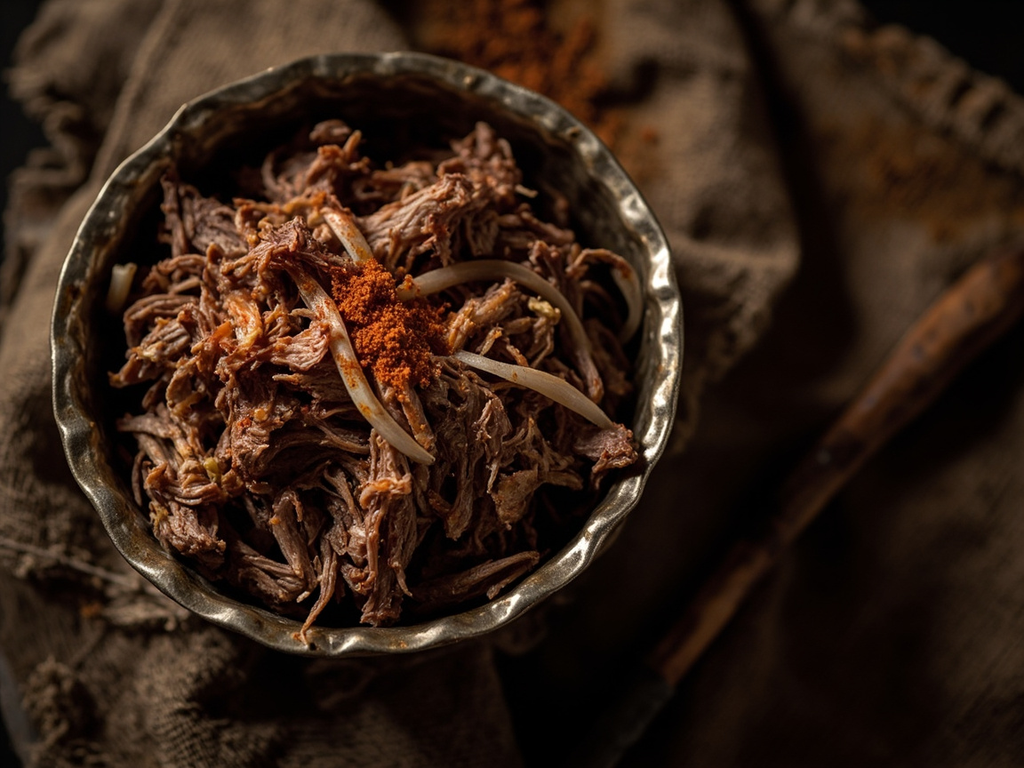 Travel
Charqui con mote (dried beef and hulled wheat)
Rancho de campaña — the soldier's march ration on the Andean road
🧂 🍄· 1 h 30 (excluding drying time)
View the recipe
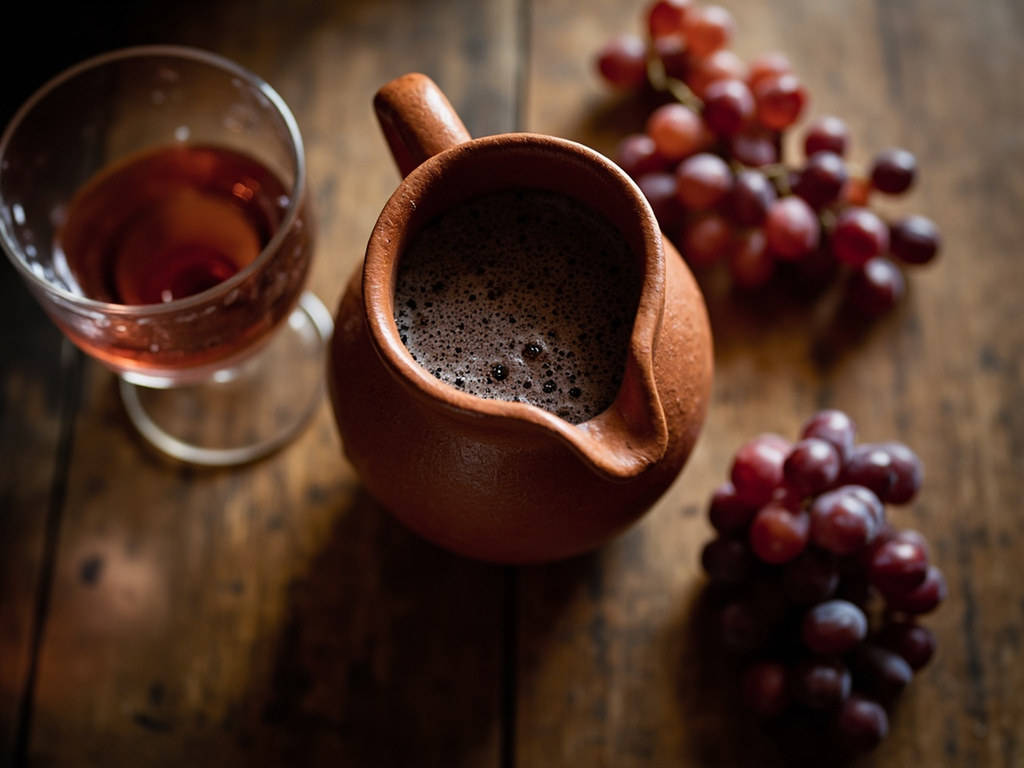 Drink
DrinkChicha de uva (fermented grape must)
Bebida criolla — the shared drink of festivities and gatherings
🫙 🍯· 20 min (plus 2 to 4 days fermentation)
View the recipe
 Street food
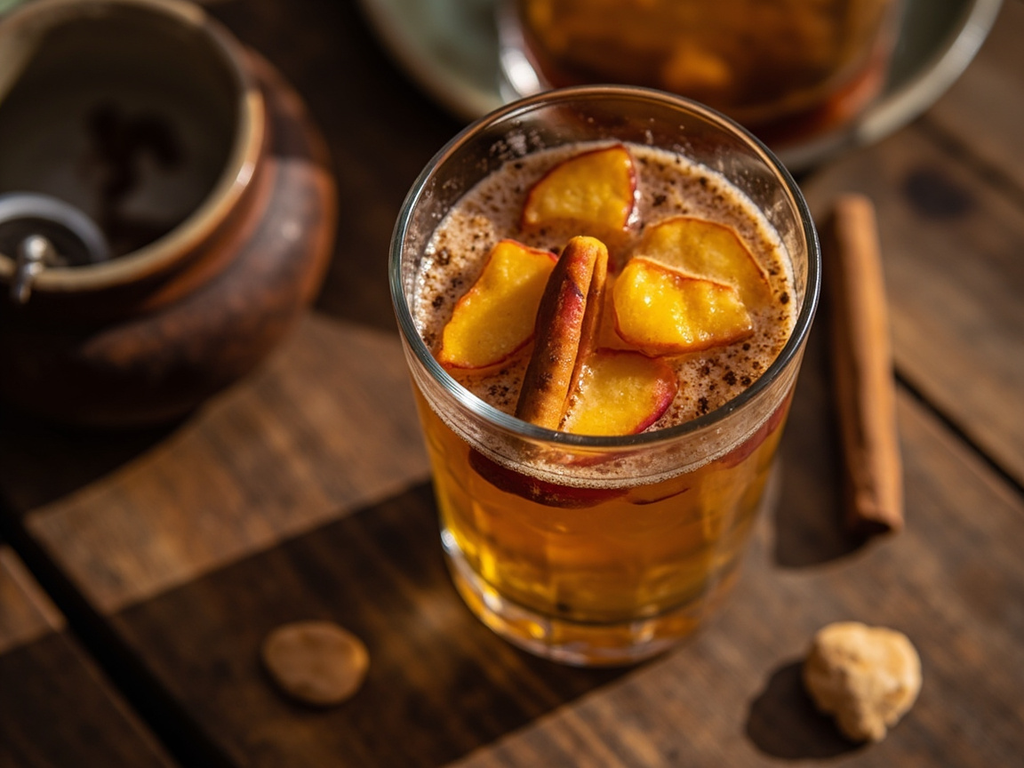
Mote con huesillos (wheat and dried peach in syrup)
Refresco de calle — the refreshing sweet sold in squares and along roads
🍯 🍋· 1 h 30 (plus soaking time)
View the recipe