 flip
flipChicha de uva (fermented grape must)
Chicha de uva (fermented grape must)
Why this dish? Central Chile has been vine country since colonial times, and grape chicha accompanied all the celebrations of the fatherland. On estates like Las Canteras, grapes were pressed in autumn; young chicha, sweet and slightly sparkling, was drunk before it became wine.
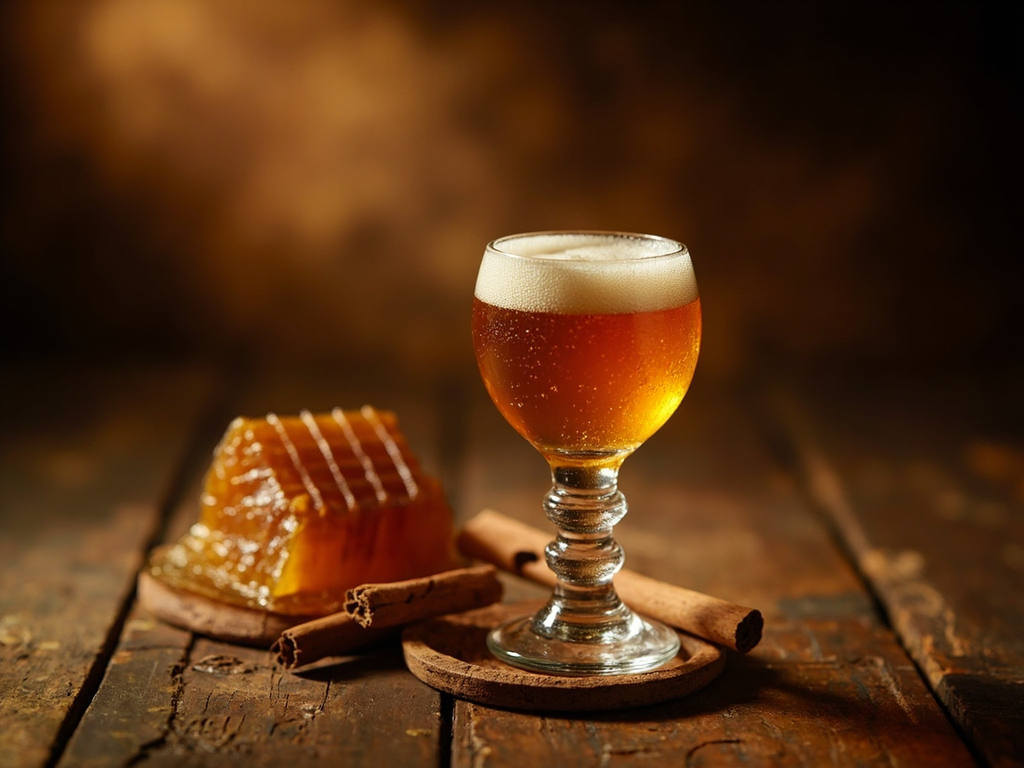
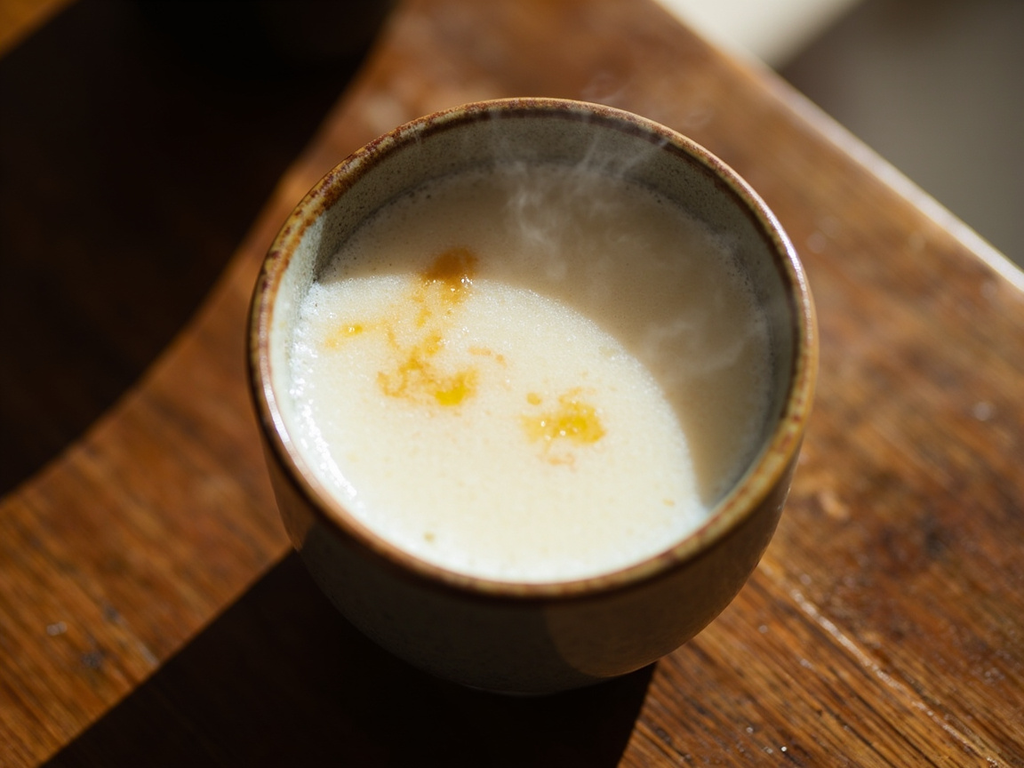
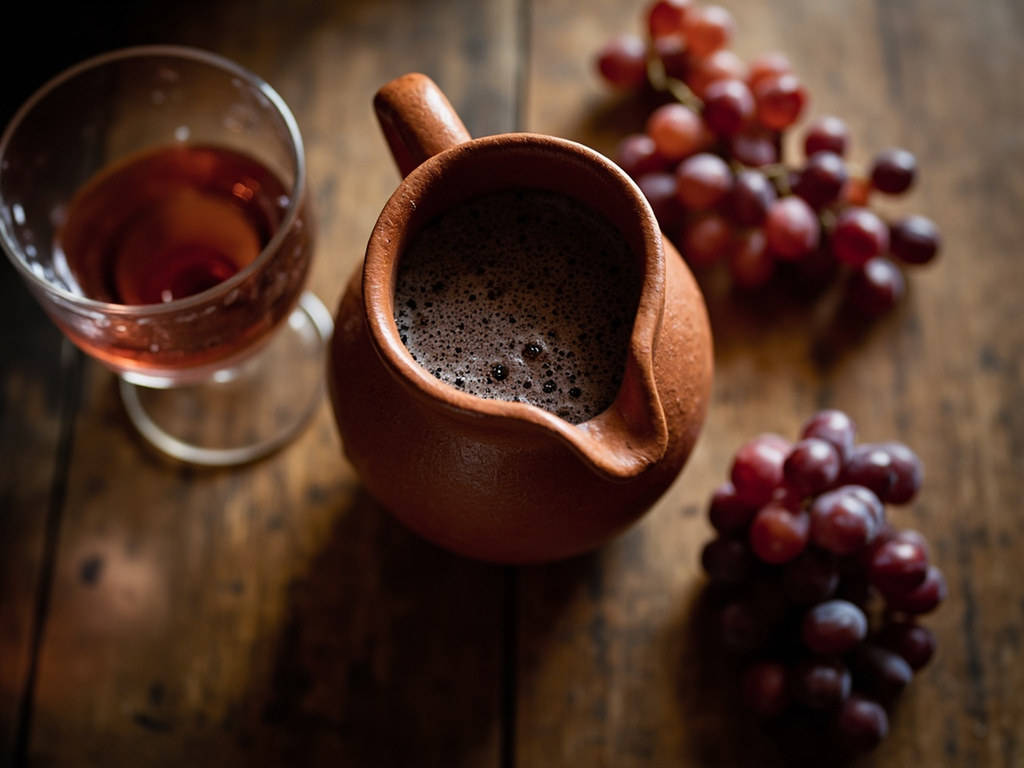
Freshly pressed grape juice allowed to begin fermenting: cloudy, sweet, barely effervescent and tart, with a nascent alcoholic edge. The quintessential convivial drink of Chilean harvests.
Chile is blessed by the gods for its vines, and no autumn passes without pressing the grape. Chicha, you see, is the must in its first youth, still sweet, that has not had time to become severe wine. We drank it chilled at the celebrations of the fatherland, in earthenware jugs, and it loosened tongues as well as hearts. Drink it young, for it does not keep long — like joy, it must be seized in its hour.
- •Ripe grapes (local variety) — in abundance (raw material)
- •Natural grape yeasts — present on the skin (spontaneous fermentation)
Chicha de uva (fermented grape must)
Freshly pressed grape juice allowed to begin fermenting: cloudy, sweet, barely effervescent and tart, with a nascent alcoholic edge. The quintessential convivial drink of Chilean harvests.
Why this dish? Central Chile has been vine country since colonial times, and grape chicha accompanied all the celebrations of the fatherland. On estates like Las Canteras, grapes were pressed in autumn; young chicha, sweet and slightly sparkling, was drunk before it became wine.
Chile is blessed by the gods for its vines, and no autumn passes without pressing the grape. Chicha, you see, is the must in its first youth, still sweet, that has not had time to become severe wine. We drank it chilled at the celebrations of the fatherland, in earthenware jugs, and it loosened tongues as well as hearts. Drink it young, for it does not keep long — like joy, it must be seized in its hour.
Ingredients (period version)
- Ripe grapes (local variety) — in abundance (raw material)
- Natural grape yeasts — present on the skin (spontaneous fermentation)
Ingredients
- Very ripe black or white grapes — 2 kg (raw material)
- Sugar (optional, if grapes are not sweet enough) — 1 to 2 tablespoons (support fermentation)
- Filtered water (optional) — a little, to adjust (fluidity)
Method
- Quickly rinse the grapes without rubbing (to preserve the natural yeasts on the skin).
- Crush the grapes by hand or with a pestle to extract the juice, skins included.
- Roughly strain the must into a clean jar or crock, without filling to the brim.
- Cover with a cloth and let ferment at room temperature for 2 to 4 days, tasting: the chicha is ready when it becomes sweet-sparkling and slightly alcoholic.
- Strain finely and refrigerate; drink young, within a few days. (Non-alcoholic version: press the grapes and serve the fresh juice without fermenting.)
How it was made : In Chile, *chicha* referred to grape (and sometimes apple) must in early fermentation. It was produced in large quantities at harvest time, in earthenware jars, and consumed locally before it turned into wine. It is a seasonal, fragile drink, deeply tied to the agricultural calendar.
The contemporary twist : Served sparkling in a frosted glass with a frosted grape cluster as garnish; in a family version, simply freshly pressed grape juice, renamed 'sweet chicha'.
Sources : Eugenio Pereira Salas, Apuntes para la historia de la cocina chilena, 1943 · José del Pozo, Historia del vino chileno
Bernardo O'Higgins · Charactorium