Mikhuna — the two meals of the Sapa Inca's court
Among the Incas, meals are not served in successive courses (appetizer/main/dessert) but as two large meals a day: one in the morning after sunrise, one in the late afternoon. All the food is placed at once on woven mats, directly on the ground, and everyone sits around it. For the coya, dishes are served in qeros (ceremonial goblets), fine ceramic plates, and for grand occasions, gold and silver tableware. Quinoa soups, tubers cooked under ash, boiled corn (mote), roasted llama or guinea pig meats, dried fish from the coast, and sweet fruits make up a single tableau, accompanied continuously by chicha poured by the acllacuna, the chosen women.
Signature : Uchu — the Andean chili
The small Andean chili (uchu in Quechua) seasons almost all Inca savory dishes, from the humblest to the most royal. Dried, ground on a grinding stone (batán), or added fresh, it brings the heat that defines the taste of the Tawantinsuyu table. Native to the Andes, it is not anachronistic here: it is the spicy heart of Inca cuisine long before the arrival of the Spanish.
Coya Pacsa at the table
5 period recipes
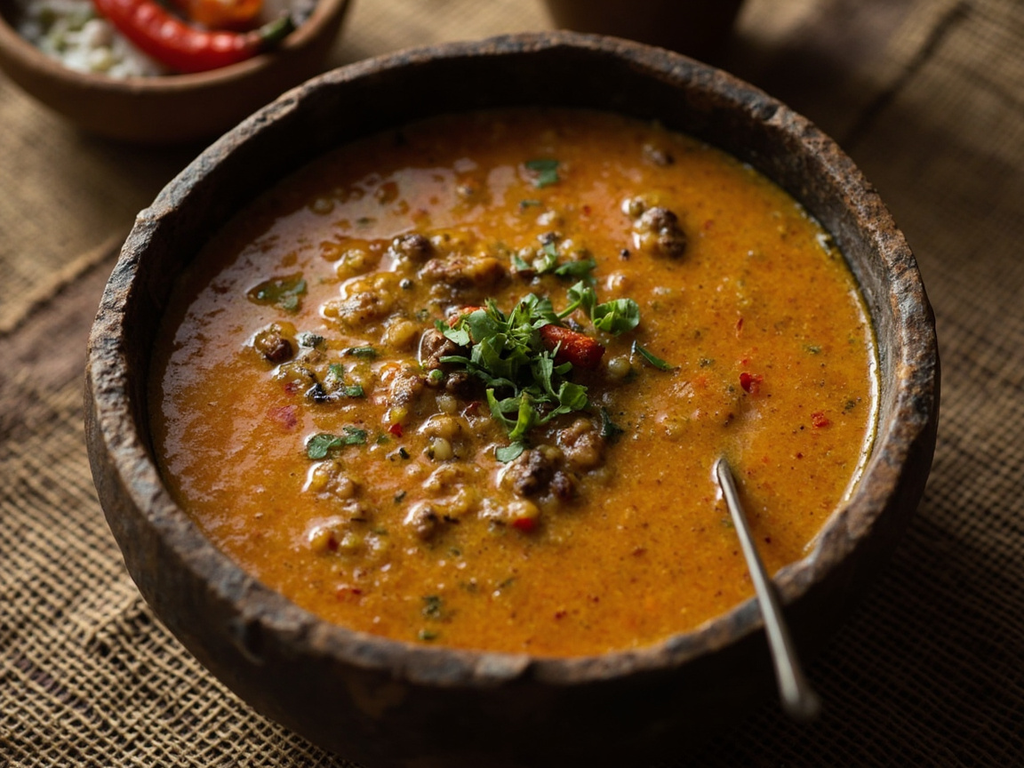 Everyday
Lawa de quinua — quinoa foundation soup
Mikhuy of the morning (thick base soup, served at the first meal)
🧂 🍄· 40 min
View the recipe
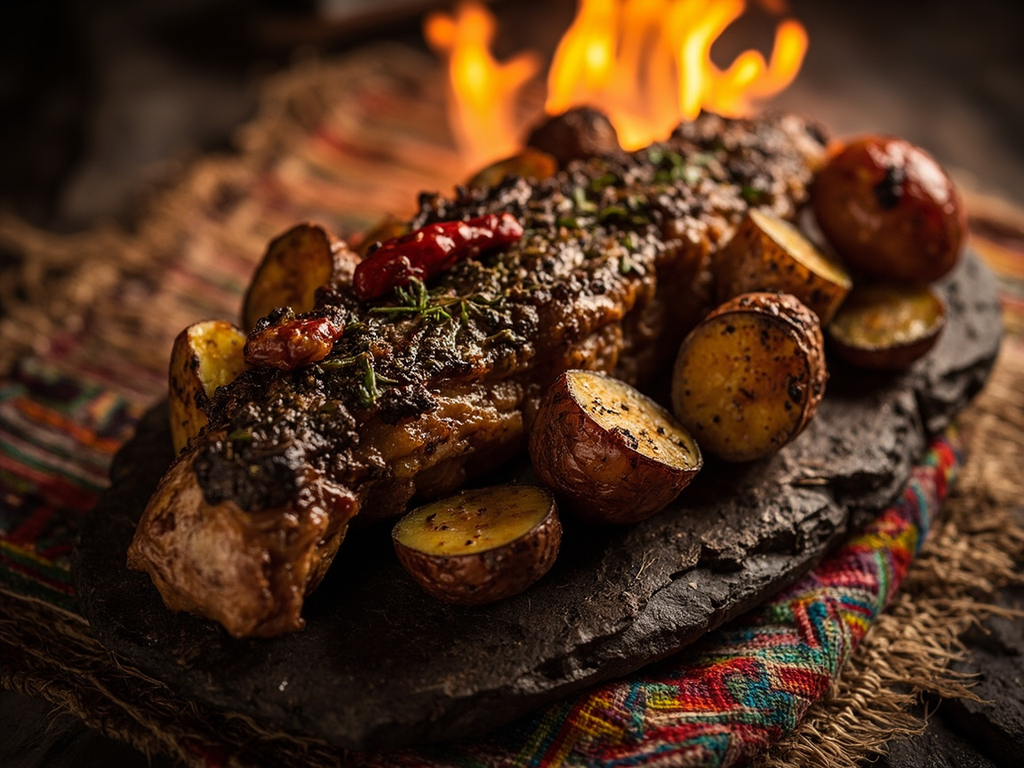 Festive
Watia de cobaye et papas sous la cendre
Mikhuna de fête (rôti cuit en four de terre, pour le second repas des grandes occasions)
🧂 🌶️· 1 h 30 (with marinade)
View the recipe
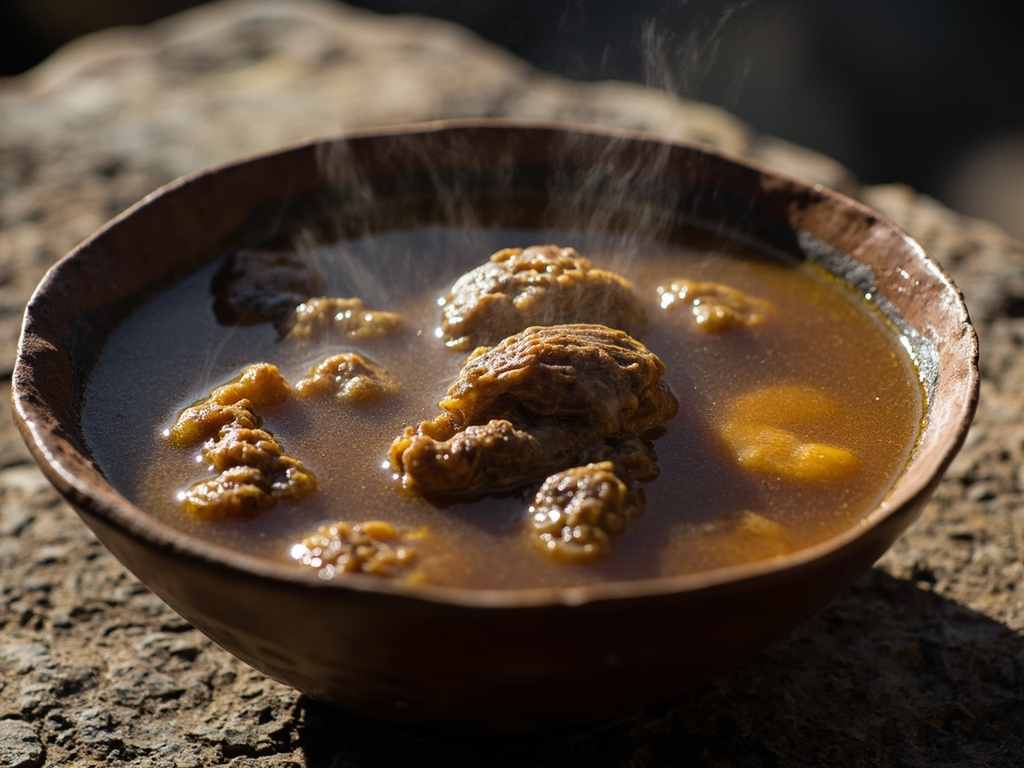 Preserving
Chuño — freeze-dried potatoes from the heights
Provision des qollqa (aliment de conservation, réhydraté pour accompagner les repas)
🧂 🍄· 2 days (authentic method) or 1 h (store-bought chuño)
View the recipe
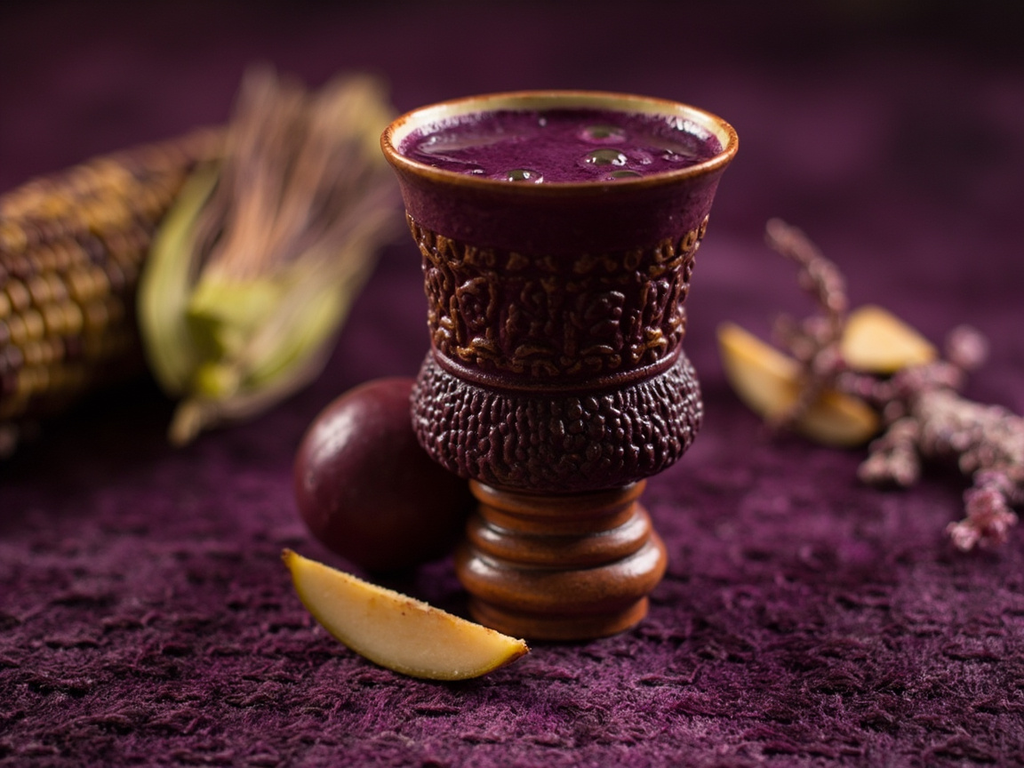 Drink
DrinkAqha de maíz morado — purple corn chicha
Boisson de la mesa (chicha versée en continu pendant les repas et les fêtes)
🍋 🫙· 1 h (sweet version)
View the recipe
 Offering
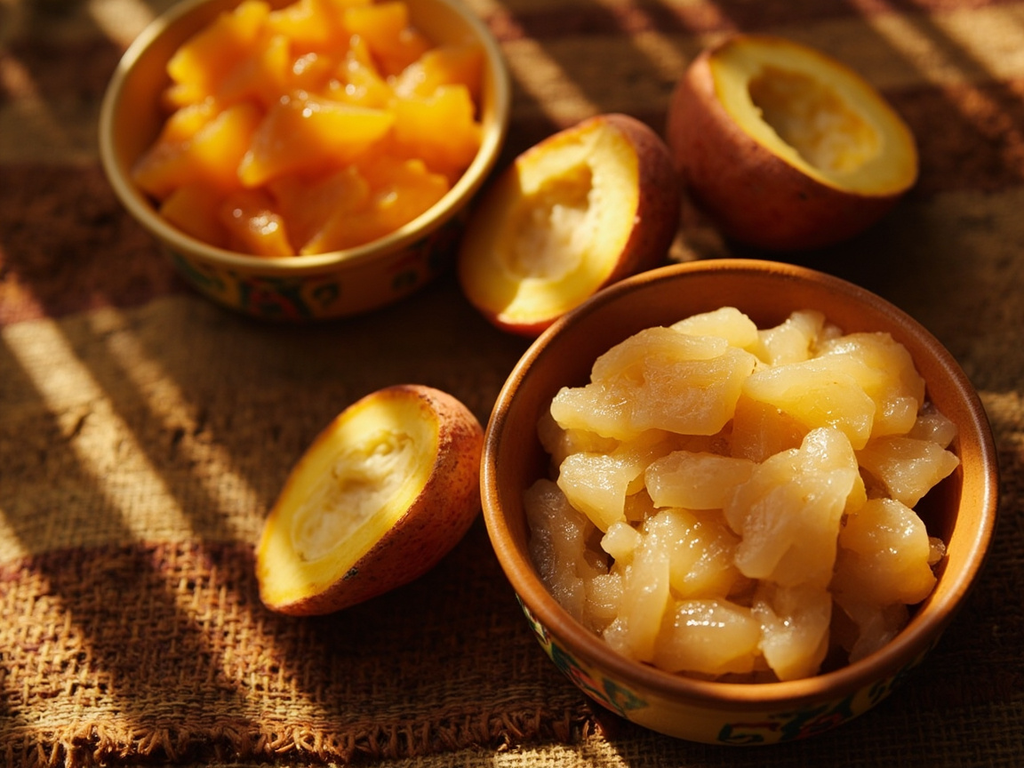
Offrande de chirimoya et lúcuma au Soleil
Mucha — petites offrandes de fruits doux présentées aux divinités puis partagées
🍯 🍋· 15 min
View the recipe