 flip
flipAqha de maíz morado — purple corn chicha
Aqha de maíz morado — purple corn chicha
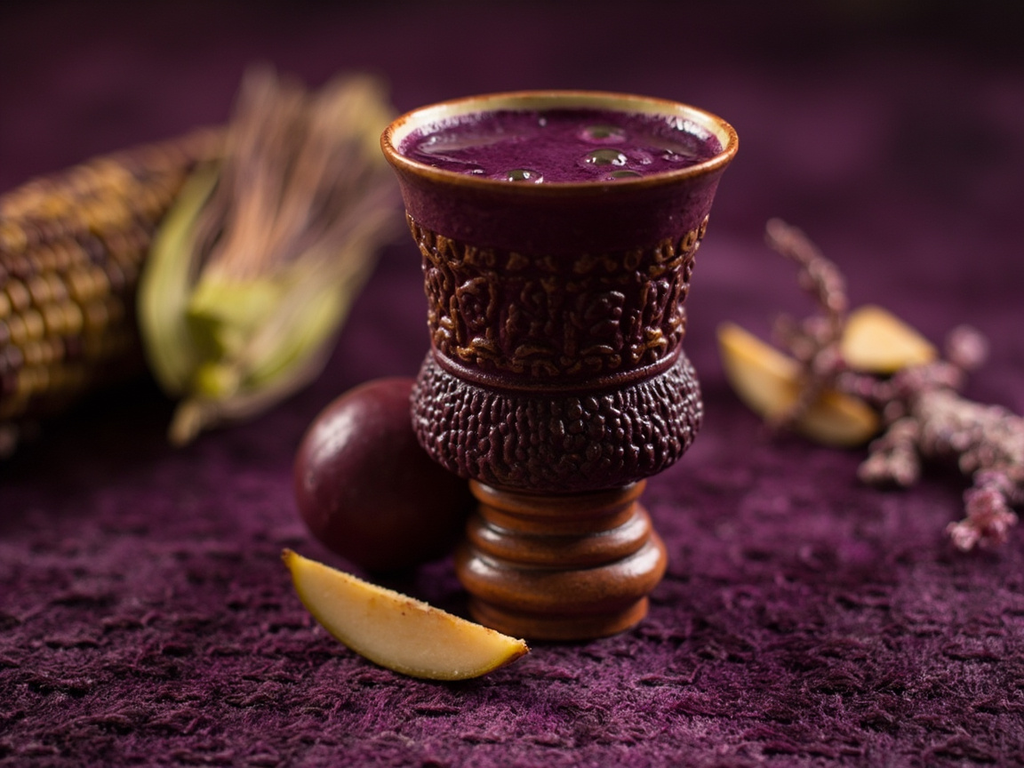
Why this dish? Chicha (aqha in Quechua), prepared by the acllacuna — the chosen women of the Acllawasi of Cusco — accompanied every meal of the coya and every ceremony of the empire. Purple corn, intensely colored, yielded a chicha of great prestige, poured into qeros during royal banquets.
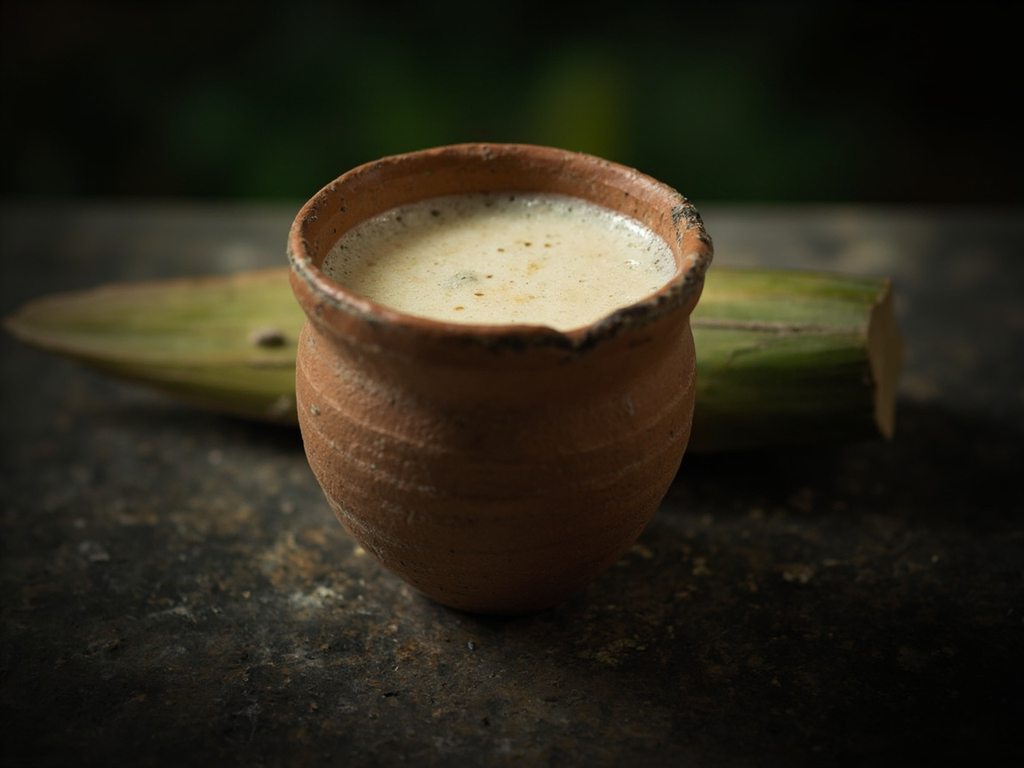
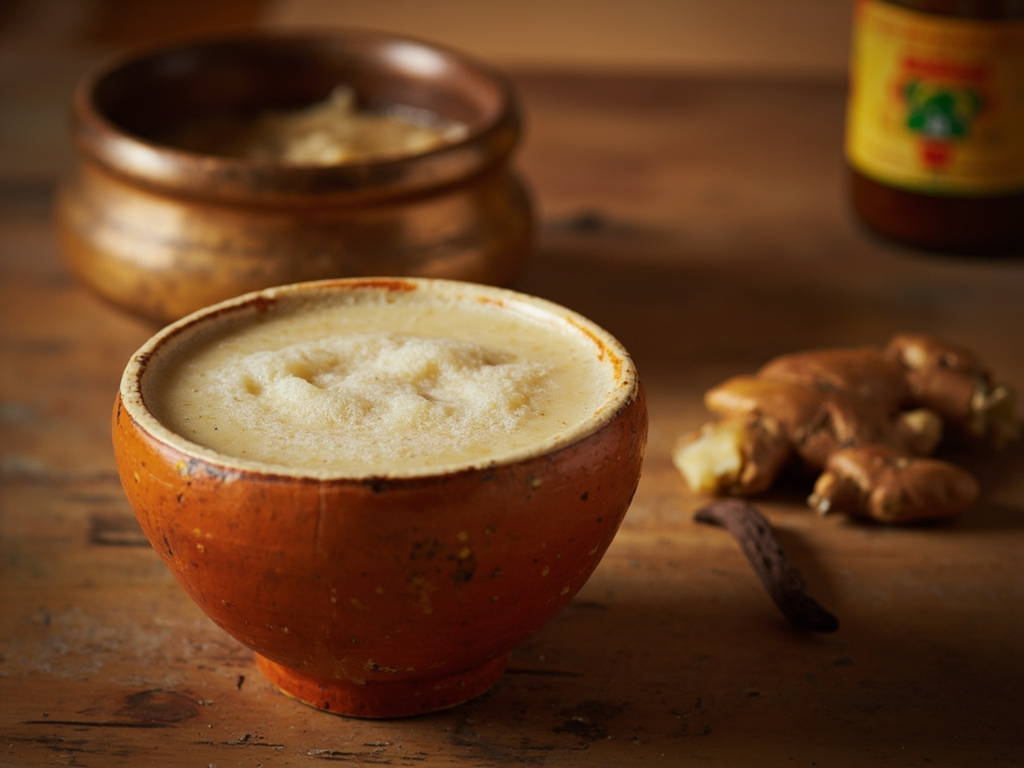
A gently fermented purple corn drink, tangy and slightly effervescent, deep purple. Much more than a beverage: a social and ritual marker, shared to seal alliances, festivities, and offerings to the Sun.
My acllacuna, the virgins of the Sun, prepare the aqha with a care that no man could equal. We sprout and boil the maíz morado, then let time do its work until the drink softly sparkles and turns sour. Before I wet my lips, I always pour a few drops to the earth, for Pachamama drinks first — whoever forgets her will see his cup empty of happiness.
- •Purple corn (maíz morado), whole ears — a good amount (sweet, fermentable base)
- •Spring water — to cover (infusion and cooking)
- •Malted/chewed corn (muko) or sprouted corn — one portion (triggers fermentation)
- •Time and gentle warmth — several days (fermentation)
Aqha de maíz morado — purple corn chicha
A gently fermented purple corn drink, tangy and slightly effervescent, deep purple. Much more than a beverage: a social and ritual marker, shared to seal alliances, festivities, and offerings to the Sun.
Why this dish? Chicha (aqha in Quechua), prepared by the acllacuna — the chosen women of the Acllawasi of Cusco — accompanied every meal of the coya and every ceremony of the empire. Purple corn, intensely colored, yielded a chicha of great prestige, poured into qeros during royal banquets.
My acllacuna, the virgins of the Sun, prepare the aqha with a care that no man could equal. We sprout and boil the maíz morado, then let time do its work until the drink softly sparkles and turns sour. Before I wet my lips, I always pour a few drops to the earth, for Pachamama drinks first — whoever forgets her will see his cup empty of happiness.
Ingredients (period version)
- Purple corn (maíz morado), whole ears — a good amount (sweet, fermentable base)
- Spring water — to cover (infusion and cooking)
- Malted/chewed corn (muko) or sprouted corn — one portion (triggers fermentation)
- Time and gentle warmth — several days (fermentation)
Ingredients
- Dried purple corn (ears or kernels) — 500 g (coloring and sweet base)
- Water — 2.5 L (infusion)
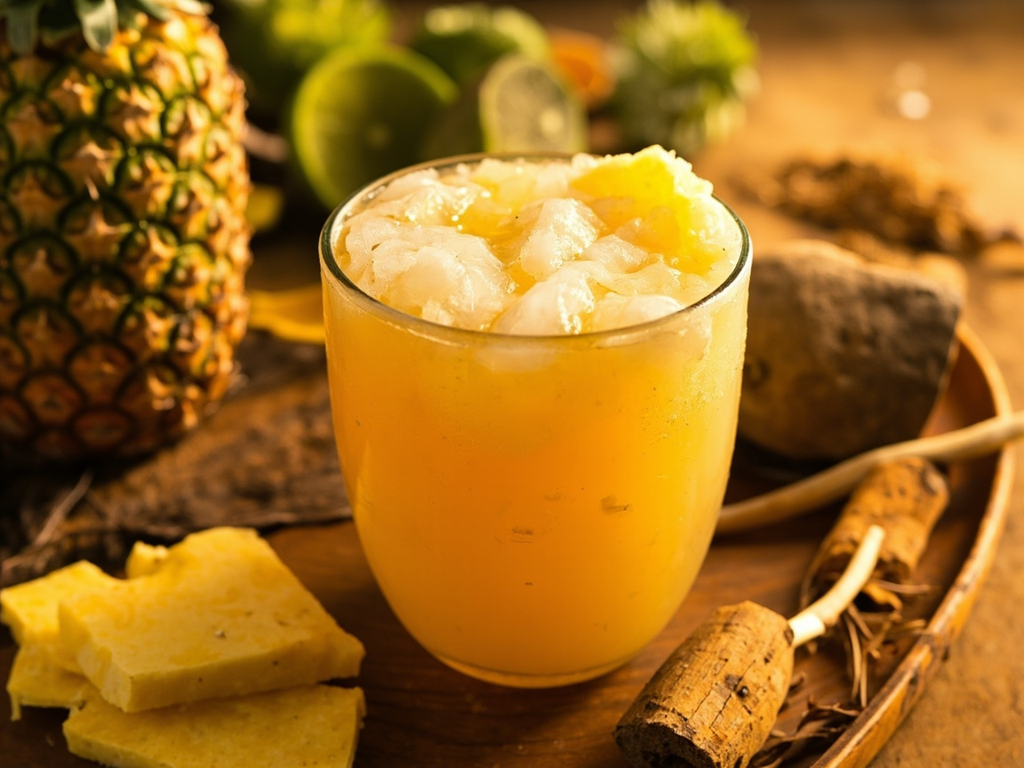
- Quince and pineapple pieces (common modern version) — 1 quince + a few pieces (flavor and acidity)
- Cinnamon and cloves (colonial addition, optional) — 1 stick + 3 cloves (accompanying spices)
- A little sugar or honey — to taste (adjust sweetness)
Method
- Modern non-fermented version (family-friendly and safe): boil the purple corn in water with quince and spices for 45 minutes, until a deep purple liquid.
- Strain, discard the kernels, press the quince.
- Sweeten lightly, add a squeeze of lime juice to brighten the color and acidity.
- Serve well chilled (or warm as a comforting drink).
- Note: authentic chicha was fermented for several days, thus slightly alcoholic — here we present the sweet version, suitable for family audiences.
How it was made : True aqha was fermented: corn was sprouted (or chewed so saliva kick-starts the conversion of starch to sugar, called muko), then boiled and fermented in large jars. The acllacuna produced enormous quantities for the court and rituals. It was a sacred as well as daily drink, offered to the Sun (Inti) and the ancestors before being consumed.
The contemporary twist : Served ice-cold in a qero-style goblet, with a squeeze of lime that turns the purple to magenta before the guests' eyes.
Sources : Bernabé Cobo, Historia del Nuevo Mundo (1653) · Felipe Guamán Poma de Ayala, Nueva Corónica y Buen Gobierno (ca. 1615)
Coya Pacsa · Charactorium