 flip
flipOffrande de chirimoya et lúcuma au Soleil
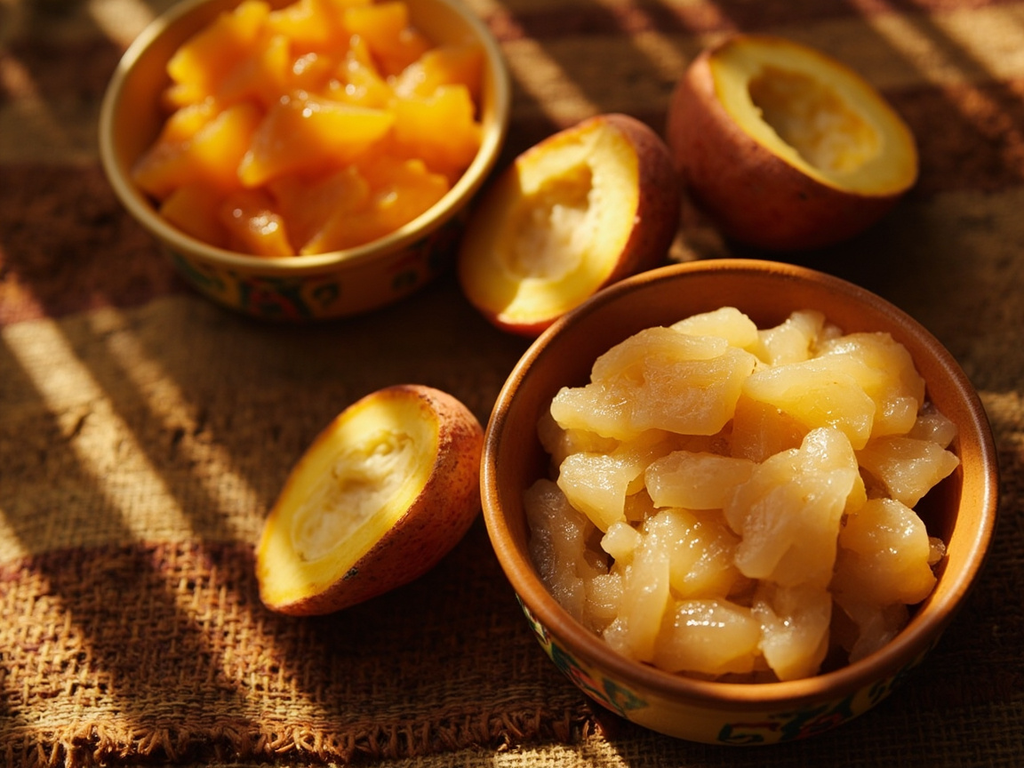
Offrande de chirimoya et lúcuma au Soleil
Why this dish? Chirimoya and lúcuma, sweet fruits from the temperate valleys of the empire, were among the most prized foods. Inspired by the fruit offerings that the Incas presented to the Sun and the ancestors, this simple dessert evokes the portion of sweetness first reserved for the gods, then shared at the coya's table.
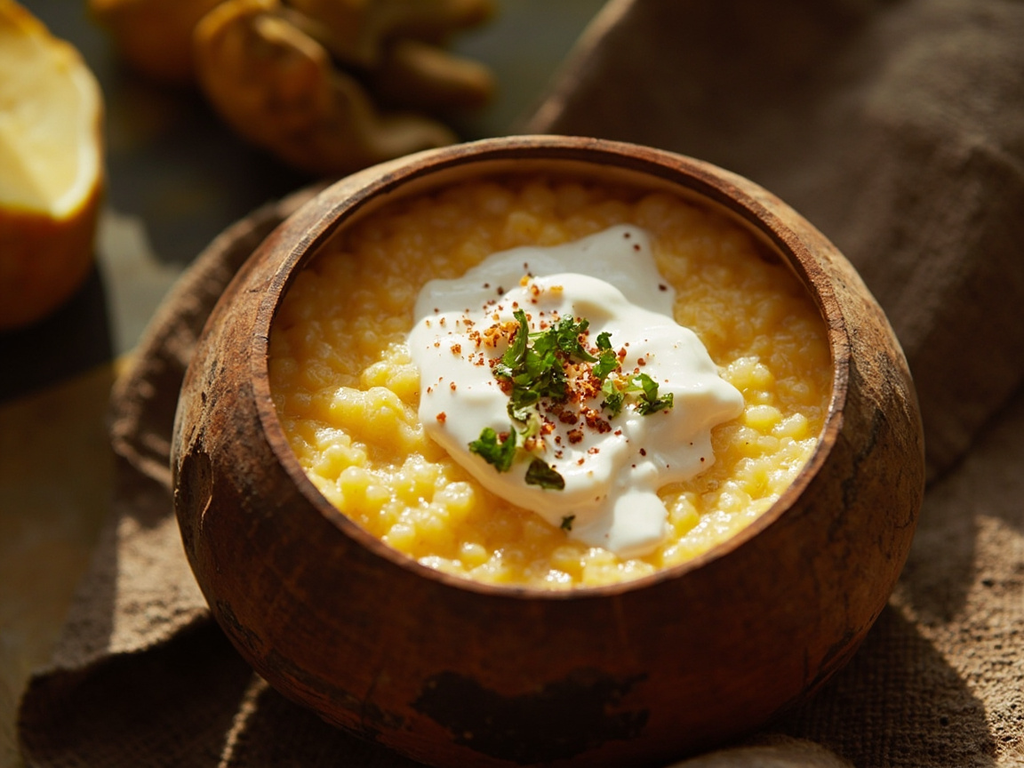
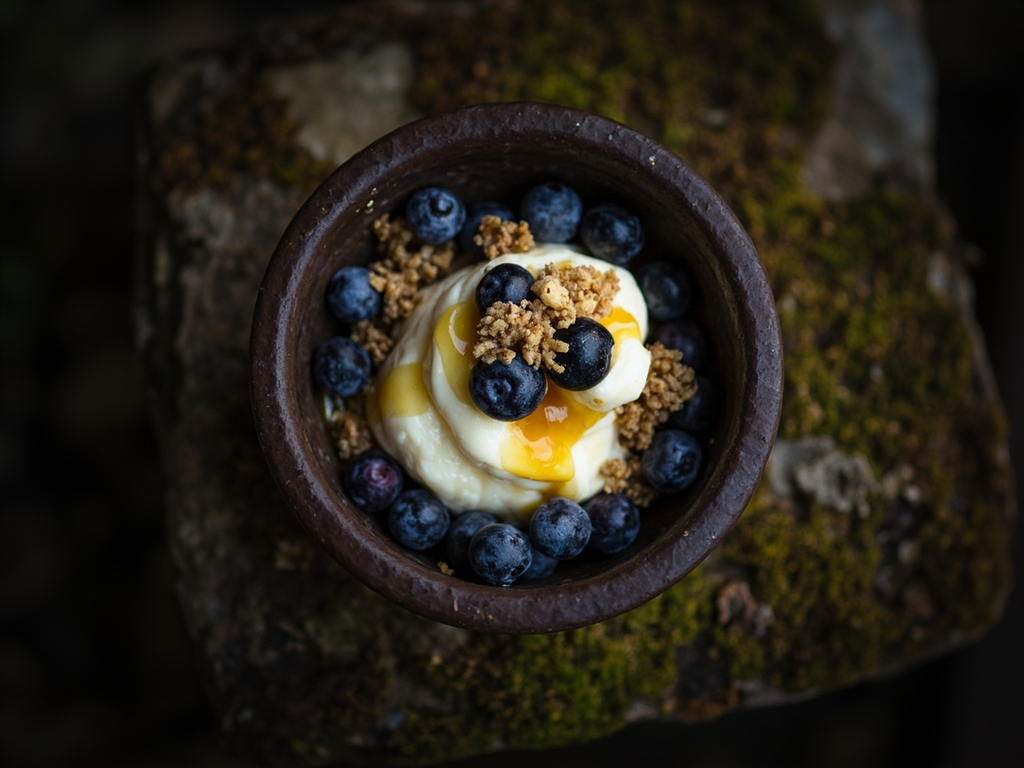
Melt-in-the-mouth chirimoya flesh and caramelized lúcuma pulp, served as is or gently mashed: a natural sweetness, without added sugar, that closes the meal with the generosity of Andean orchards.
Before tasting the sweet flesh of the chirimoya, I have it presented to my father the Sun, for what is sweetest goes first to the gods. The lúcuma, for its part, tastes of a honey that the earth kept for us; we crush it with our fingertips and savor its slowness. These fruits grow only in the warm valleys of the empire, and receiving them in Cusco, on the heights, is in itself a mark of favor.
- •Ripe chirimoya — one, perfect (main sweet fruit)
- •Ripe lúcuma — one (sweet, caramelized pulp)
- •Wild honey (optional) — a few drops (sweet binder)
Offrande de chirimoya et lúcuma au Soleil
Melt-in-the-mouth chirimoya flesh and caramelized lúcuma pulp, served as is or gently mashed: a natural sweetness, without added sugar, that closes the meal with the generosity of Andean orchards.
Why this dish? Chirimoya and lúcuma, sweet fruits from the temperate valleys of the empire, were among the most prized foods. Inspired by the fruit offerings that the Incas presented to the Sun and the ancestors, this simple dessert evokes the portion of sweetness first reserved for the gods, then shared at the coya's table.
Before tasting the sweet flesh of the chirimoya, I have it presented to my father the Sun, for what is sweetest goes first to the gods. The lúcuma, for its part, tastes of a honey that the earth kept for us; we crush it with our fingertips and savor its slowness. These fruits grow only in the warm valleys of the empire, and receiving them in Cusco, on the heights, is in itself a mark of favor.
Ingredients (period version)
- Ripe chirimoya — one, perfect (main sweet fruit)
- Ripe lúcuma — one (sweet, caramelized pulp)
- Wild honey (optional) — a few drops (sweet binder)
Ingredients
- Ripe chirimoya (or cherimoya) — 1 (main sweet fruit)
- Lúcuma pulp or powder — 150 g pulp (or 3 Tbsp powder) (caramelized sweetness)
- Honey — 1 tsp (binder)
- A little lime juice — a few drops (brighten acidity)
Method
- Open the chirimoya, remove the black seeds and scoop out the melting flesh with a spoon.
- Roughly mash the lúcuma (or dissolve the powder with a little water) to obtain a soft paste.
- Gently combine the two pulps, add honey and a few drops of lime juice.
- Portion into small bowls, without refined sugar — the sweetness comes from the fruits.
- Symbolically present the first portion "to the Sun" (evocative gesture), then share.
How it was made : The Incas regularly offered fruits, corn, and chicha to Inti (the Sun), Pachamama, and the mallquis (mummified ancestors) before consuming them themselves. Chirimoya and lúcuma, fruits of temperate climates, were brought to Cusco from the lower valleys: a luxury at the royal table. They were eaten fresh, with lúcuma also dried for preservation.
The contemporary twist : Whipped into an instant ice cream (pulp + ice blended) in the style of "helado de lúcuma", a nod to Peru's most beloved dessert today.
Sources : Bernabé Cobo, Historia del Nuevo Mundo (1653) · Garcilaso de la Vega, Comentarios Reales de los Incas (1609)
Coya Pacsa · Charactorium