 flip
flipChuño — freeze-dried potatoes from the heights
Chuño — freeze-dried potatoes from the heights
Why this dish? Chuño was the great reserve of the empire: potatoes frozen at night by the cold of the high plateaus, trampled underfoot then dried in the sun, which kept for years in the state storehouses. Without this technique, neither the court of Cusco nor the armies of the Sapa Inca would have survived the lean seasons.
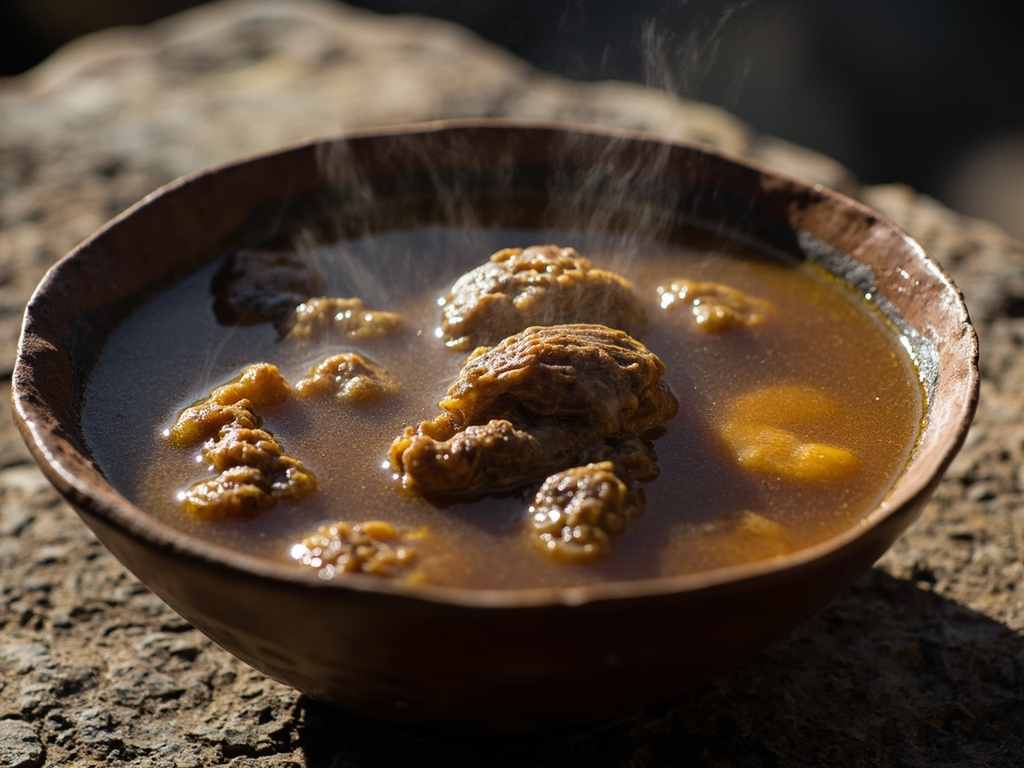
The most ingenious of Andean techniques: transforming the potato into a food that does not rot, thanks to night frost and high-altitude sun. Rehydrated, chuño accompanies soups and stews with a unique, earthy, deep texture.
See the wisdom of my people: we take the papa, we entrust it to the night frost and the day sun, and behold it keeps longer than a reign. When hail ruins the fields or my lord's armies march far, the qollqa full of chuño save us from hunger. Rehydrated in broth, it drinks flavors as the earth drinks rain — humble in appearance, but it is what holds the empire upright.
- •Bitter high-altitude potatoes (papa, ruki varieties) — the whole harvest to preserve (raw material)
- •Night frost of the high plateaus — several nights (natural freezing)
- •High-altitude sun — several days (dehydration)
Chuño — freeze-dried potatoes from the heights
The most ingenious of Andean techniques: transforming the potato into a food that does not rot, thanks to night frost and high-altitude sun. Rehydrated, chuño accompanies soups and stews with a unique, earthy, deep texture.
Why this dish? Chuño was the great reserve of the empire: potatoes frozen at night by the cold of the high plateaus, trampled underfoot then dried in the sun, which kept for years in the state storehouses. Without this technique, neither the court of Cusco nor the armies of the Sapa Inca would have survived the lean seasons.
See the wisdom of my people: we take the papa, we entrust it to the night frost and the day sun, and behold it keeps longer than a reign. When hail ruins the fields or my lord's armies march far, the qollqa full of chuño save us from hunger. Rehydrated in broth, it drinks flavors as the earth drinks rain — humble in appearance, but it is what holds the empire upright.
Ingredients (period version)
- Bitter high-altitude potatoes (papa, ruki varieties) — the whole harvest to preserve (raw material)
- Night frost of the high plateaus — several nights (natural freezing)
- High-altitude sun — several days (dehydration)
Ingredients
- Dried chuño (Andean/Latino grocery) OR small firm potatoes — 250 g (raw material)
- Broth (meat or vegetable) — 1 L (rehydration and flavor)
- Salt — to taste (seasoning)
- Ground ají (optional) — 1 pinch (heat)
Method
- Authentic method (to imitate in a freezer): freeze the small whole potatoes for 2 nights, take them out during the day to thaw and release water, gently press to expel liquid, then dry completely.
- Simple method with store-bought chuño: soak chuño overnight in cold water, changing the water to soften.
- Drain, then cook the chuño in broth for 30 to 40 minutes until tender.
- Salt, add a pinch of ají, and serve as an accompaniment to a stew or soup.
How it was made : The making of chuño exploits the freeze-thaw cycle of the freezing nights and intense sun of the Altiplano (above 3800 m). The tubers were spread on the ground, trampled to expel water and skin, then dried. The nearly imperishable product formed the pillar of the storehouses (qollqa) that supplied food to armies, mita laborers, and the reserve granaries of the Inca state.
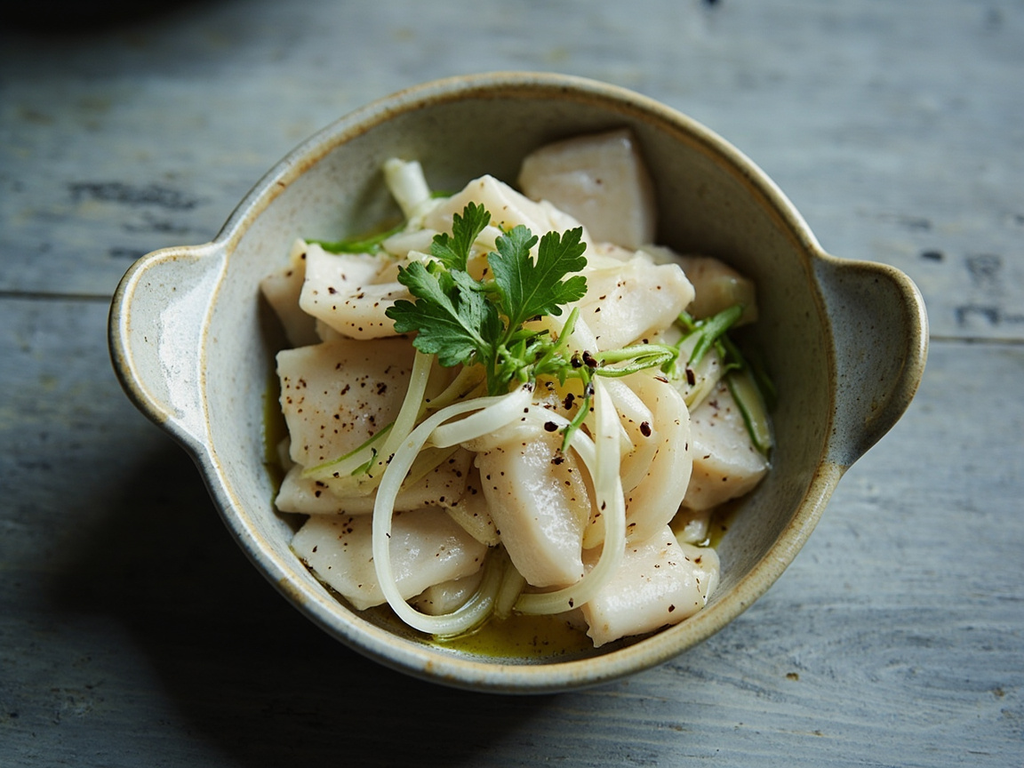
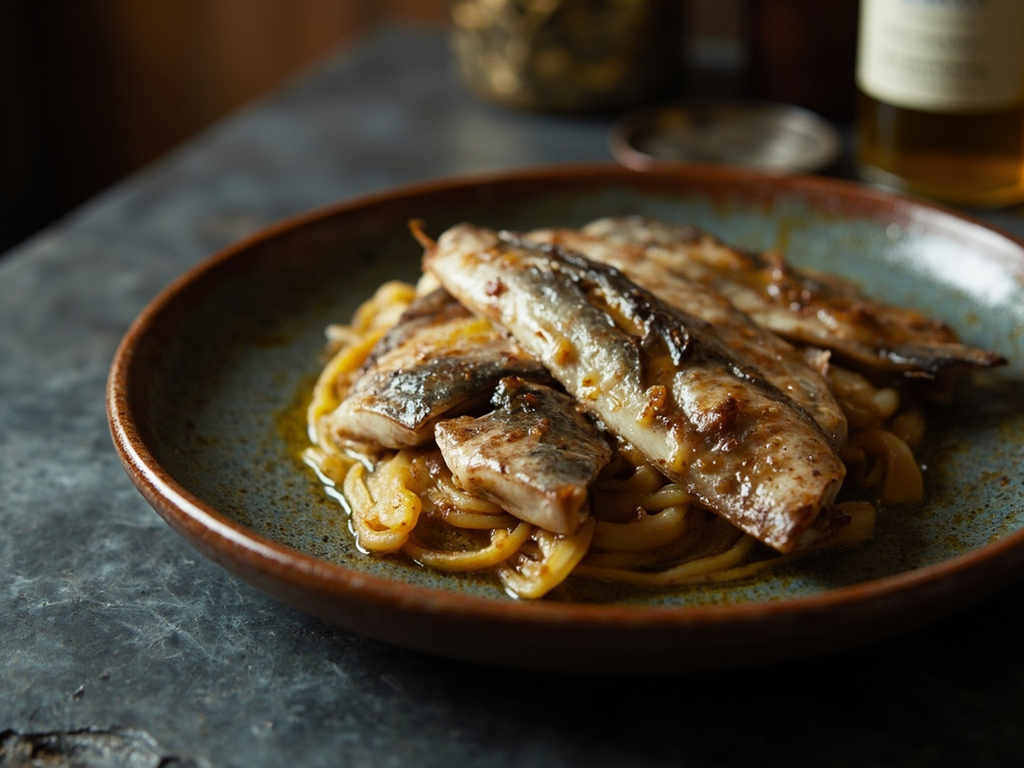
The contemporary twist : Reduced to a fine purée and shaped into a quenelle under a rich broth: a "haute cuisine" homage to the world's oldest freeze-drying.
Sources : Garcilaso de la Vega, Comentarios Reales de los Incas (1609) · John V. Murra, The Economic Organization of the Inka State (1980)
Coya Pacsa · Charactorium