Sitos and opson, extended by thysia
The ancient Greek meal is not structured as starter-main-dessert but revolves around two poles: sitos, the staple grain (barley or wheat in the form of maza, flatbread, or porridge) that forms the core of the meal, and opson, everything eaten "with" it (olives, cheese, legumes, herbs). Beyond the human table, food also rises to the gods: offerings and libations (thysia), where honey, milk, and wine are poured for the ancient powers — Titans and the dead included. Seasonal festivals like the Kronia, in honor of Cronus, overturned the social order and brought masters and servants together around the same harvest cauldron.
Signature : The honey and barley of the Golden Age
Under Cronus's reign, says Hesiod, the earth gave without labor and honey flowed from oaks. Honey and barley are the red thread of these recipes: barley, the grain of the sickle that harvests Cronus's crop; honey, the primordial sweetness that brings the mortal table closer to the nectar of the gods.
Cronos at the table
4 period recipes
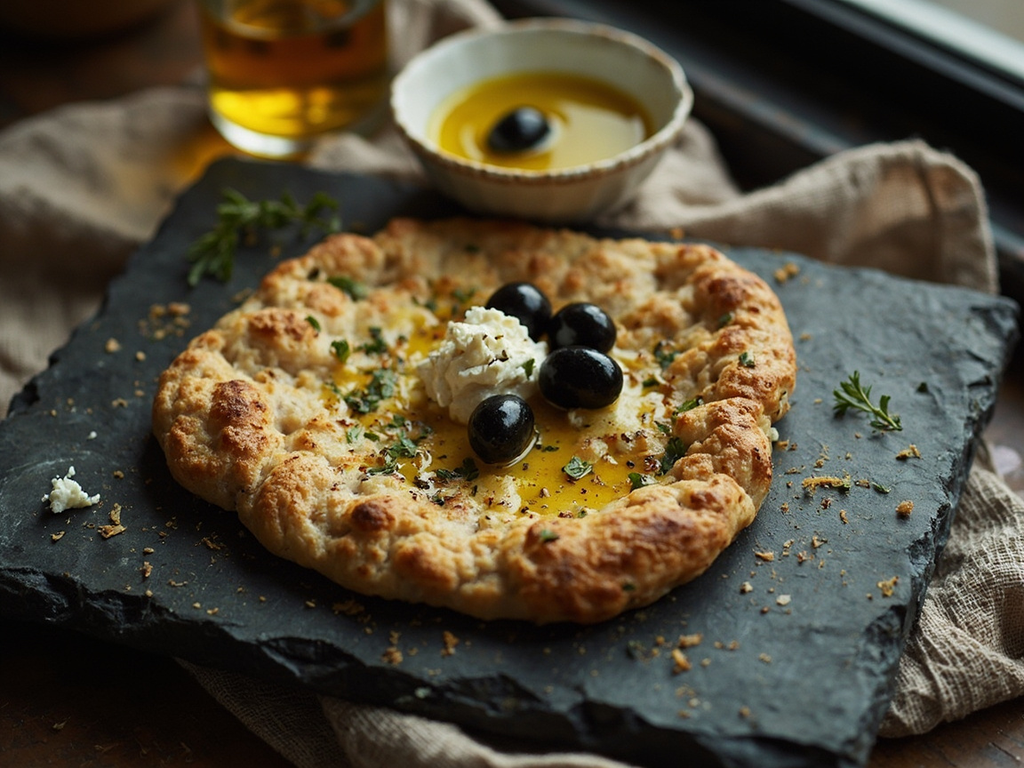 Everyday
Barley Maza with Oil, Olives, and Fresh Cheese
Sitos (staple grain) with its opson
🧂 ☕· 30 min
View the recipe
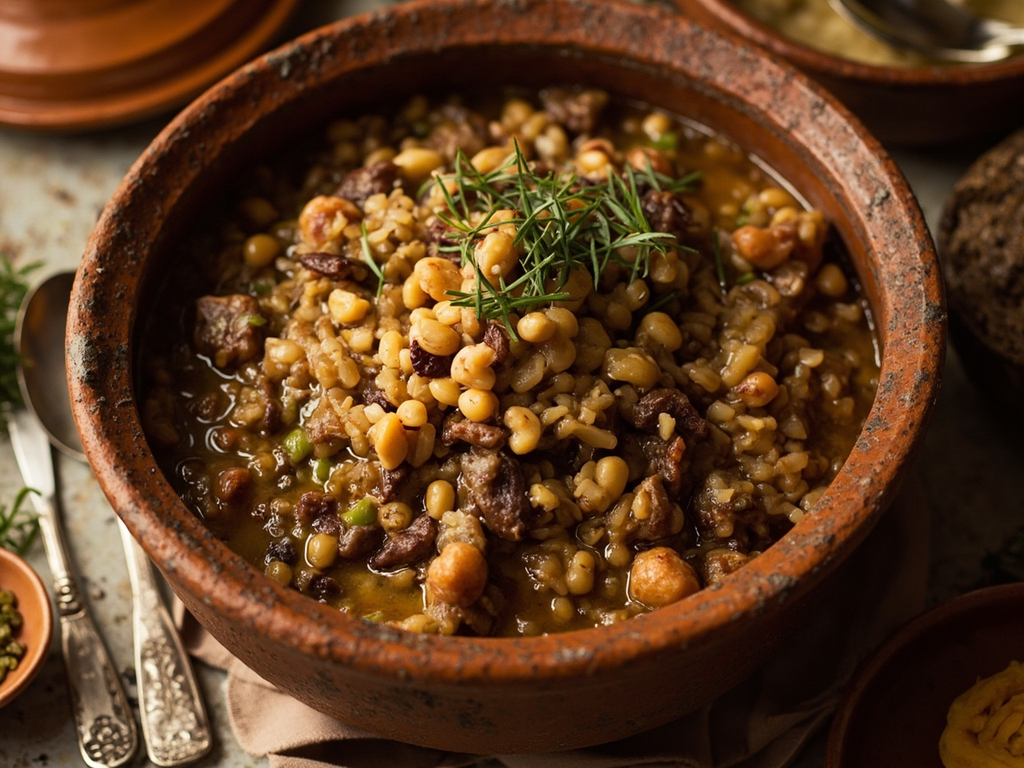 Festive
Panspermia of the Kronia — Cauldron of Grains and Beans with Honey
Communal festival cauldron dish (panspermia)
🍄 🍯· 1 h 30 (plus soaking)
View the recipe
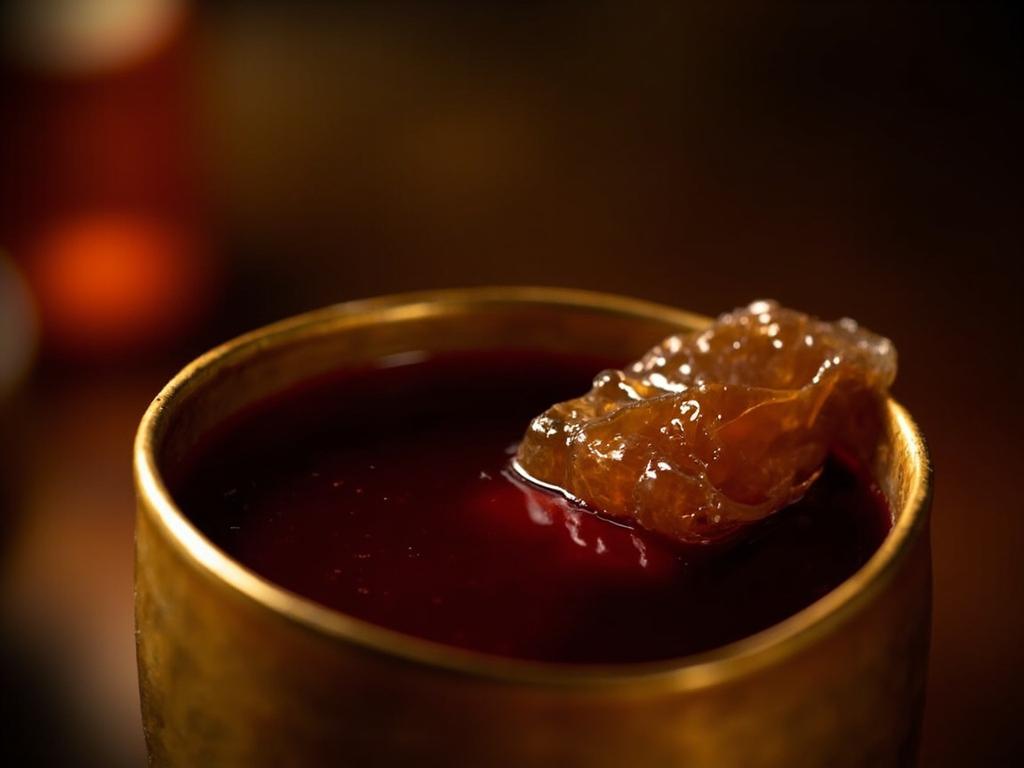 Offering
Melikraton to the Ancient Powers — Libation of Honey and Wine
Libation and offering (thysia) poured to chthonic powers
🍯 🫙· 10 min
View the recipe
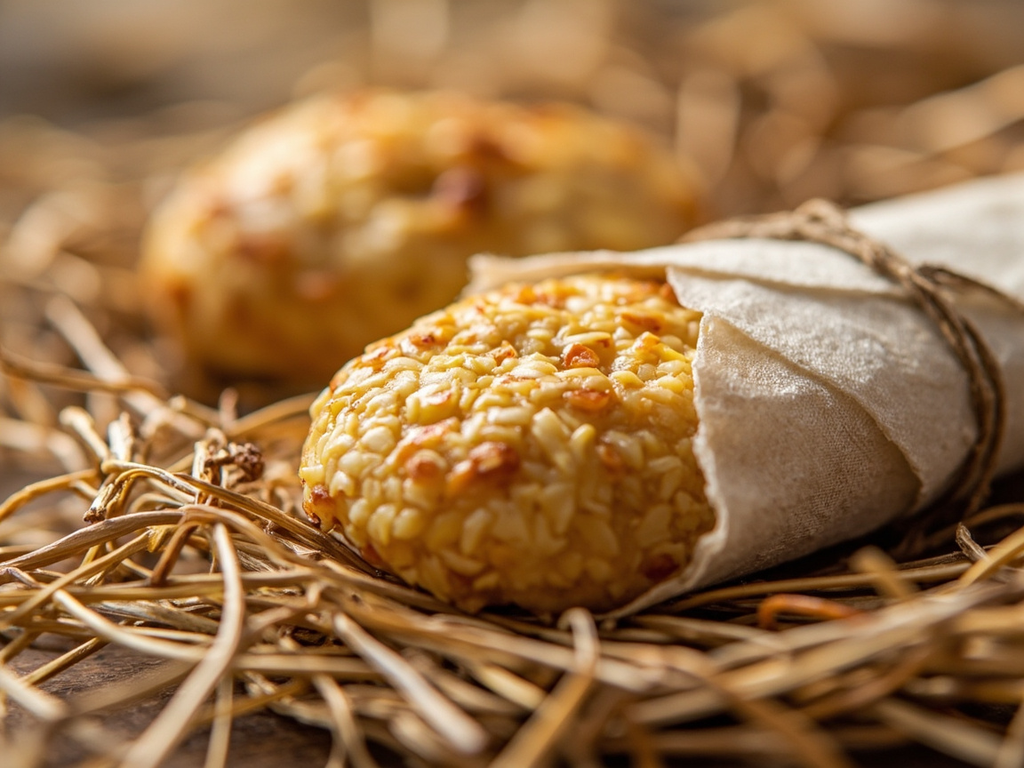 Preserving
Rhea's Stone — Sesame and Honey Flatbread Swaddled
Preserved and travel sweet (itrion sesame)
🍯· 25 min
View the recipe