 flip
flipMelikraton to the Ancient Powers — Libation of Honey and Wine
Melikraton to the Ancient Powers — Libation of Honey and Wine
Why this dish? Cronus is no longer a god of the table of the living: defeated, he belongs to the world before, to the powers chained in Tartarus. To the ancient gods and the dead, the Greeks did not sacrifice a feast but poured sweet libations — honey, milk, wine — to appease what sleeps beneath the earth. This melikraton is the offering made to a fallen Titan.
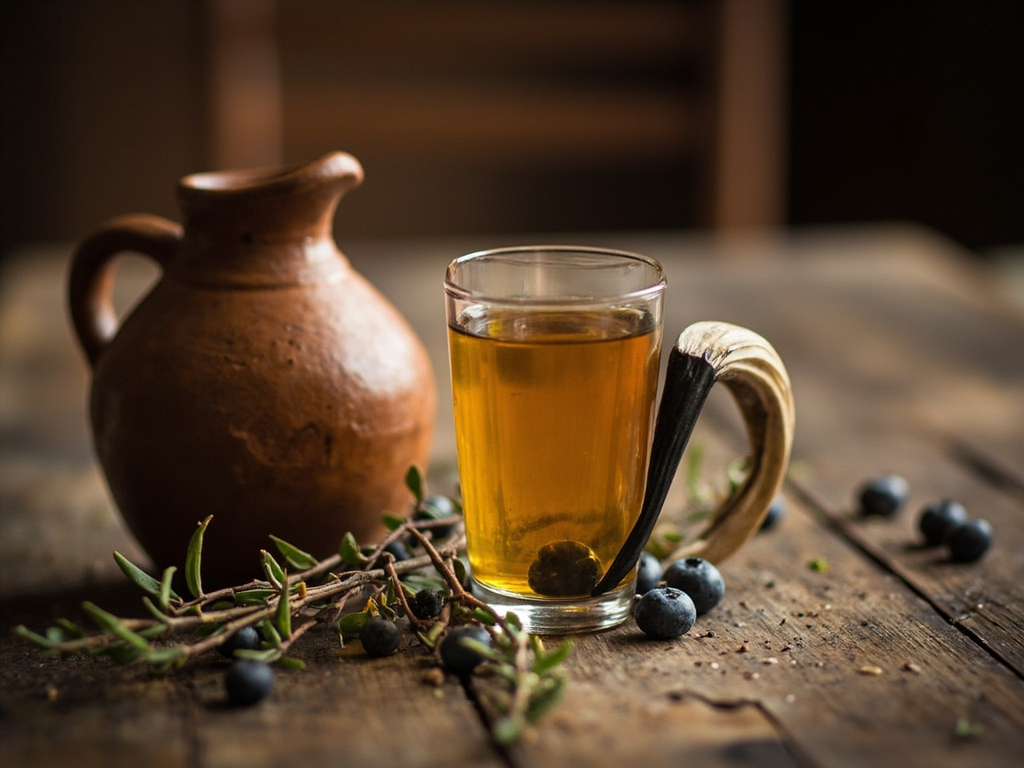
An offering drink mixing honey, a little wine, and water, poured as a libation and sipped. Sweet, deep, and slightly vinous, it honors the primordial powers according to the Greek rite of libations.
I no longer demand fat oxen or smoke rising from altars, mortal: those honors, my sons have taken. To him who rests in the darkness of Tartarus, one does not serve a banquet — one pours. Mix honey with a little wine and clear water, pour it three times on the ground while murmuring the ancient names, and drink the rest without fear. This golden stream that sinks into the soil is my portion: time always drinks its portion.
- •Thyme honey — a good part (sweet base)
- •Red wine — one part (fermented)
- •Spring water — two parts (diluent)
Melikraton to the Ancient Powers — Libation of Honey and Wine
An offering drink mixing honey, a little wine, and water, poured as a libation and sipped. Sweet, deep, and slightly vinous, it honors the primordial powers according to the Greek rite of libations.
Why this dish? Cronus is no longer a god of the table of the living: defeated, he belongs to the world before, to the powers chained in Tartarus. To the ancient gods and the dead, the Greeks did not sacrifice a feast but poured sweet libations — honey, milk, wine — to appease what sleeps beneath the earth. This melikraton is the offering made to a fallen Titan.
I no longer demand fat oxen or smoke rising from altars, mortal: those honors, my sons have taken. To him who rests in the darkness of Tartarus, one does not serve a banquet — one pours. Mix honey with a little wine and clear water, pour it three times on the ground while murmuring the ancient names, and drink the rest without fear. This golden stream that sinks into the soil is my portion: time always drinks its portion.
Ingredients (period version)
- Thyme honey — a good part (sweet base)
- Red wine — one part (fermented)
- Spring water — two parts (diluent)
Ingredients
- Thyme honey (or garrigue honey) — 3 tbsp (sweet base)
- Full-bodied red wine — 100 ml (fermented)
- Water — 200 ml (diluent)
Method
- Warm the water without boiling and dissolve the honey until completely melted.
- Let cool, then incorporate the red wine, stirring gently.
- Taste and adjust the honey/water balance to your liking (the drink should remain sweet and fluid).
- Serve cool in a simple cup; according to tradition, a few drops were first poured as a tribute before drinking.
- Non-alcoholic version: replace the wine with grape juice and a touch of wine vinegar for the vinous note.
How it was made : Melikraton (honey mixed with milk or water) and oinomeli (honey and wine) are among the Greek libations offered to gods, heroes, and especially the dead and chthonic deities. In the *Odyssey*, Odysseus pours a libation of melikraton, then wine and water, to summon the souls of the dead.
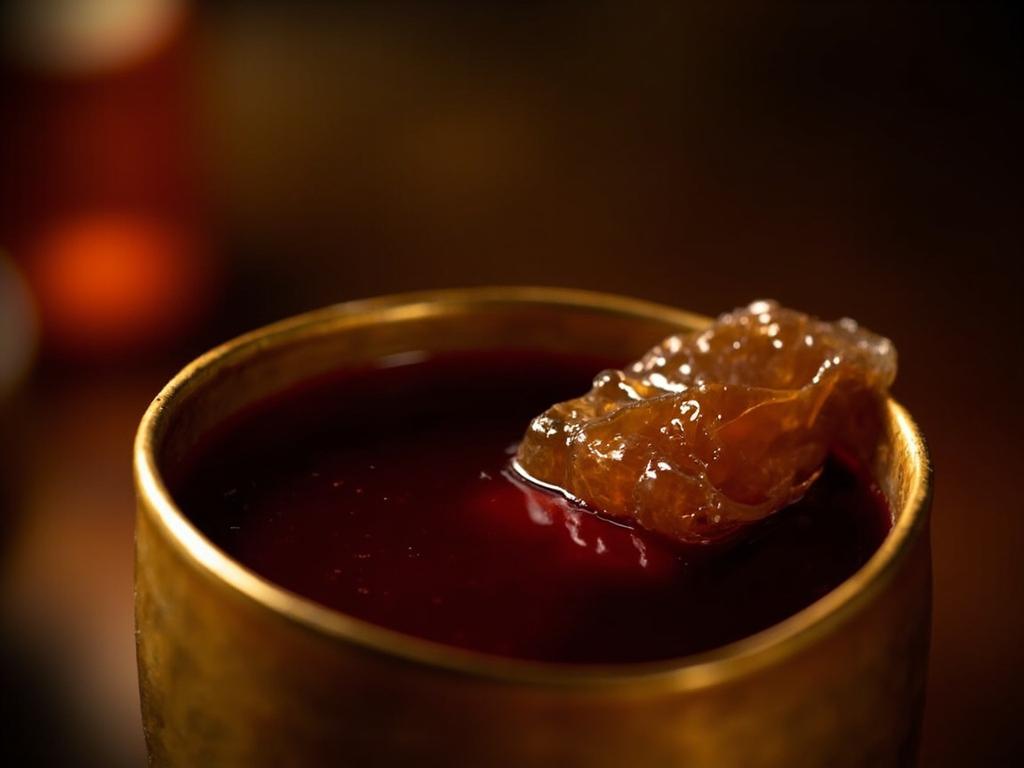
The contemporary twist : Serve it in a small 'digestif' glass with a piece of honeycomb placed on top — a modern libation to sip at the end of the meal.
Sources : Homer, *Odyssey*, Book XI (libations to the dead) · Andrew Dalby, *Food in the Ancient World from A to Z*
Cronos · Charactorium