Ta-henqet — the foundation of bread and beer
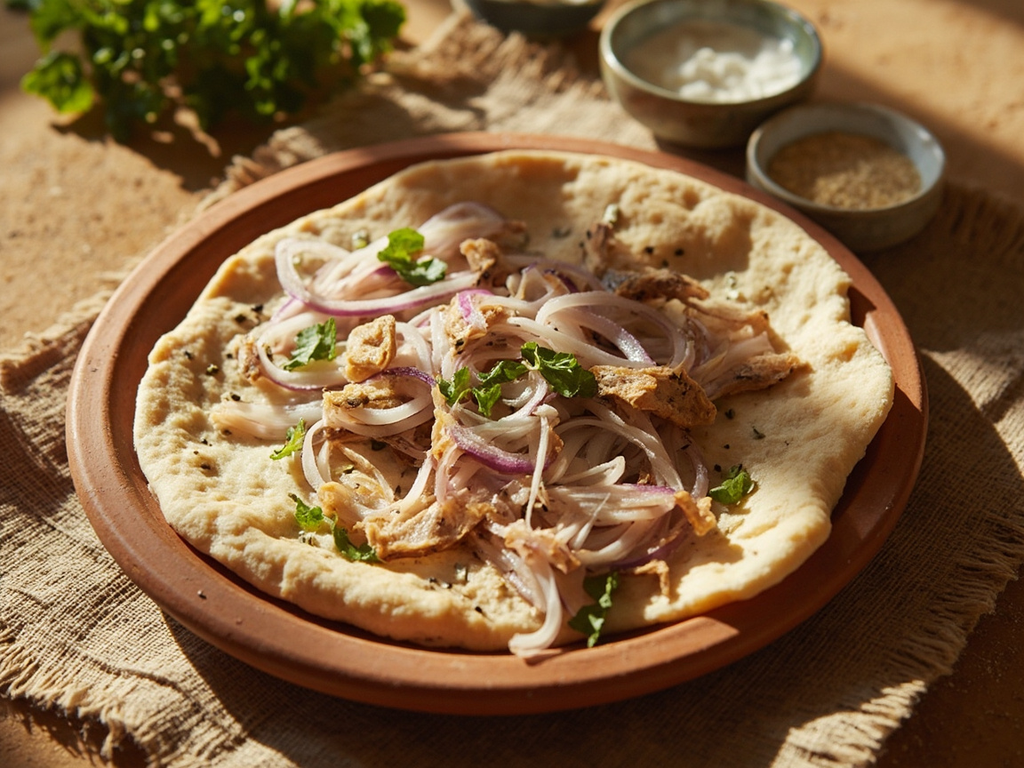
In Old Kingdom Egypt, there is no starter or dessert. Every meal, from the farmer to the pharaoh, revolves around two linked words: "ta" (bread) and "henqet" (beer). Around this foundation, a dish of vegetables or legumes is added on ordinary days, roasted meats on feast days, and sweet offerings placed for the gods and the dead. Meals are thus counted in "loaves and jugs," the very unit used to pay the workers of Saqqarah.
Signature : Emmer wheat and the date
Emmer wheat — this ancient grain with a rustic ear — is the soul of the Egyptian table: it makes both bread and beer. The date and wild honey provide the only known sweetness, which flavors both flatbreads and beer. For the rest, the cuisine is marked by coriander, cumin, and the onion of the Nile.
Djoser at the table
2800 av. J.-C. — 2700 av. J.-C.
5 period recipes
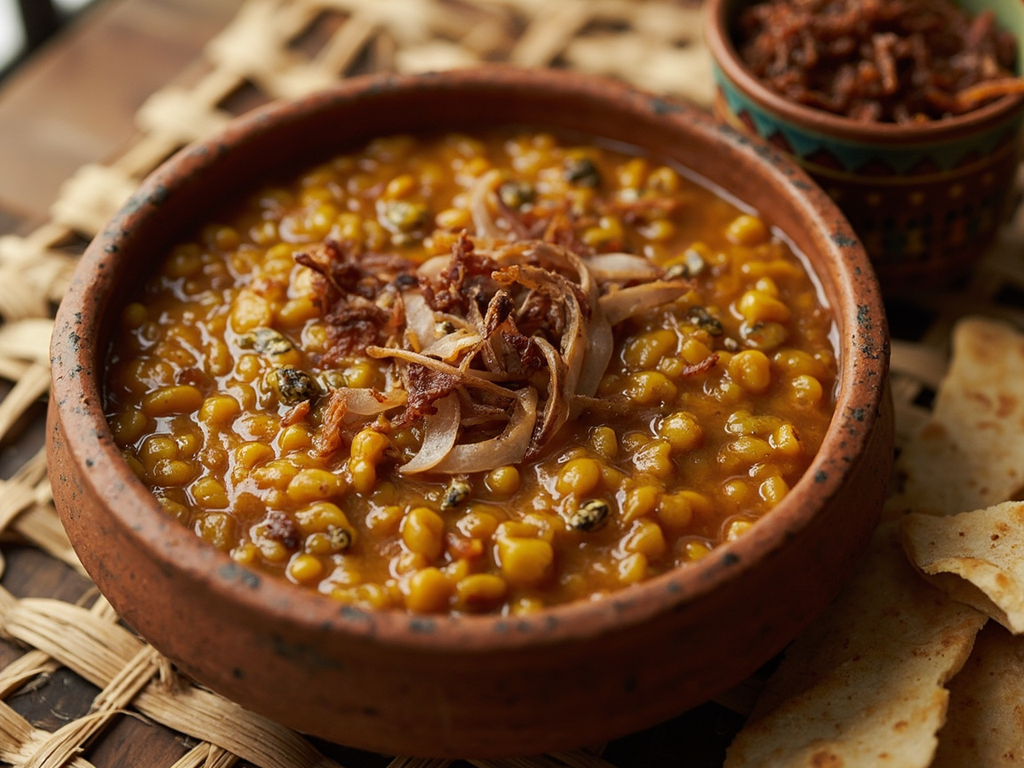 Everyday
Lentil pottage with onion and cumin
Foundation dish accompanying ta-henqet (everyday bread-centered meal)
🧂 🍄· 50 min
View the recipe
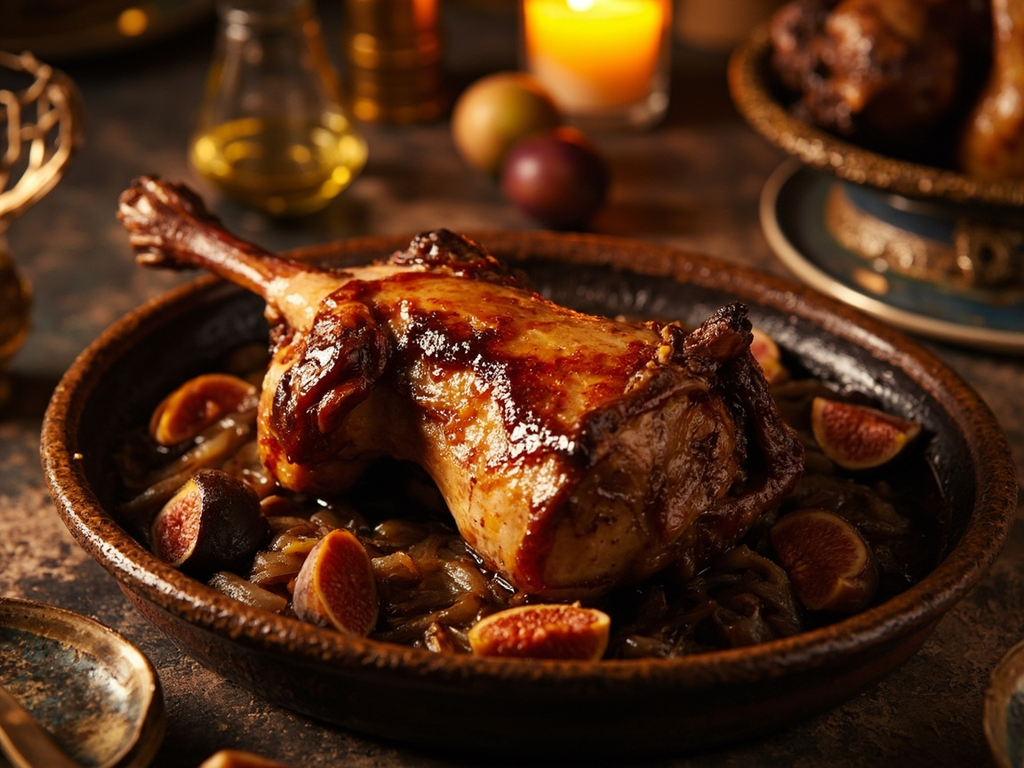 Festive
Honey-roasted goose with figs and coriander
Banquet piece placed on the festive table, between bread and jugs
🍯 🧂· 2 h 30
View the recipe
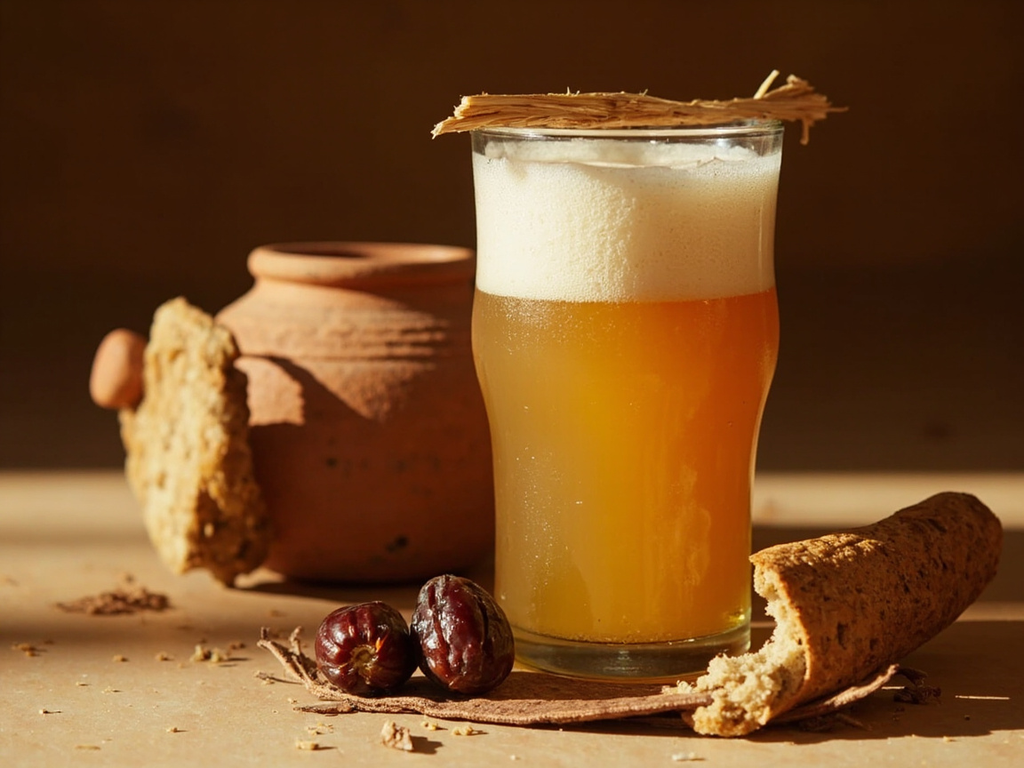 Drink
DrinkHenqet — emmer beer with dates
The jug of the ta-henqet pair: the daily and ritual drink of every table
🫙 🍋· 20 min + 2 to 3 days fermentation
View the recipe
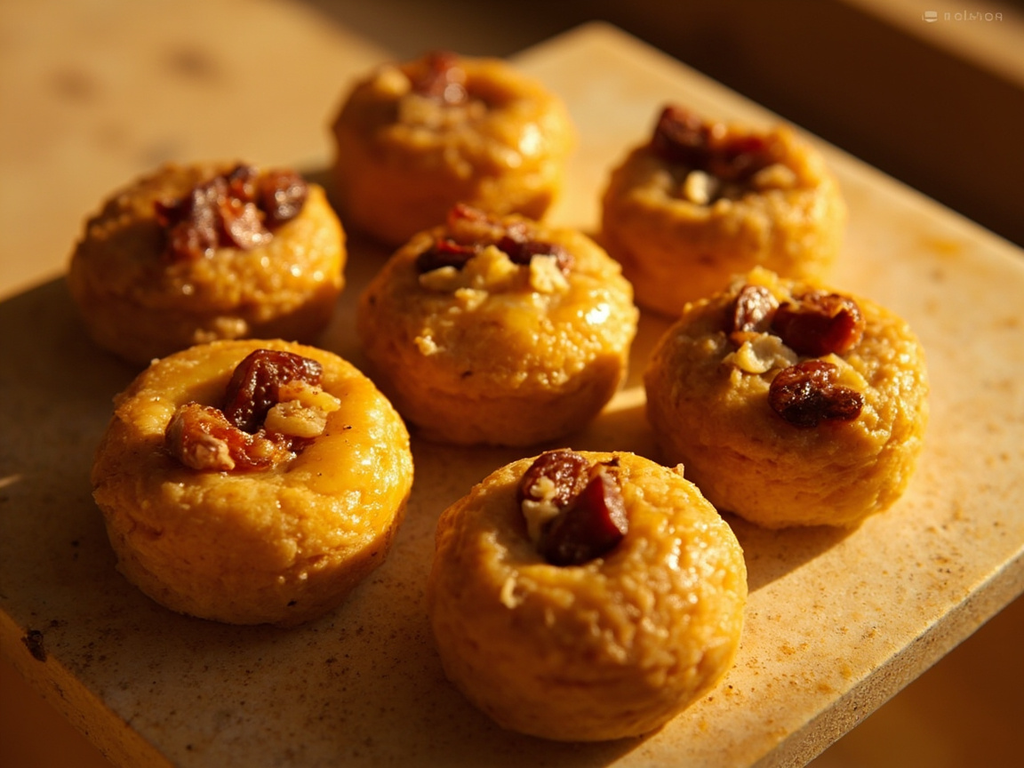 Offering
Shat — honey, date and fig cakes
Sweet offering placed before the gods and in the serdab of the dead
🍯· 40 min
View the recipe
 Preserving
Nile fish dried with salt and coriander
Storage provision, drawn from the granary for long voyages and dry seasons
🧂 🍄 🫙· 30 min + 24 h salting + drying
View the recipe