 flip
flipAnzac biscuits
Anzac biscuits
Why this dish? Marsden arrived in New Zealand in 1915, during the First World War. Anzac biscuits, made without eggs to withstand the long sea journey to soldiers at the front, were born exactly in this period in his adopted country. Robust and durable, they embody the travel cuisine of the era.
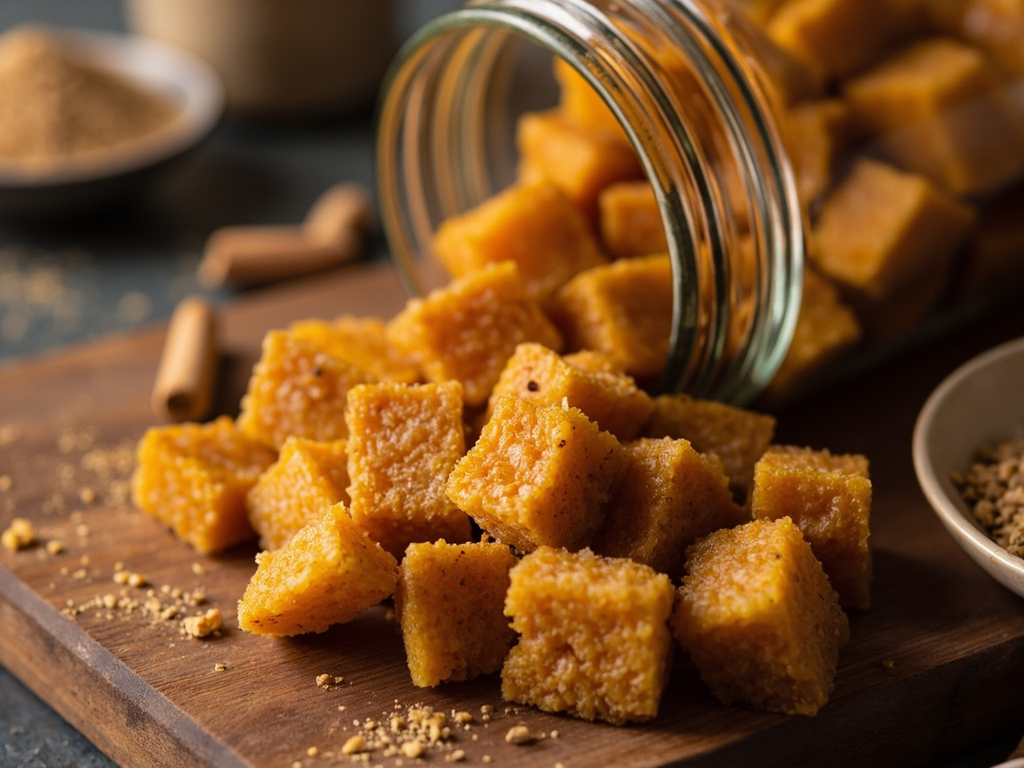
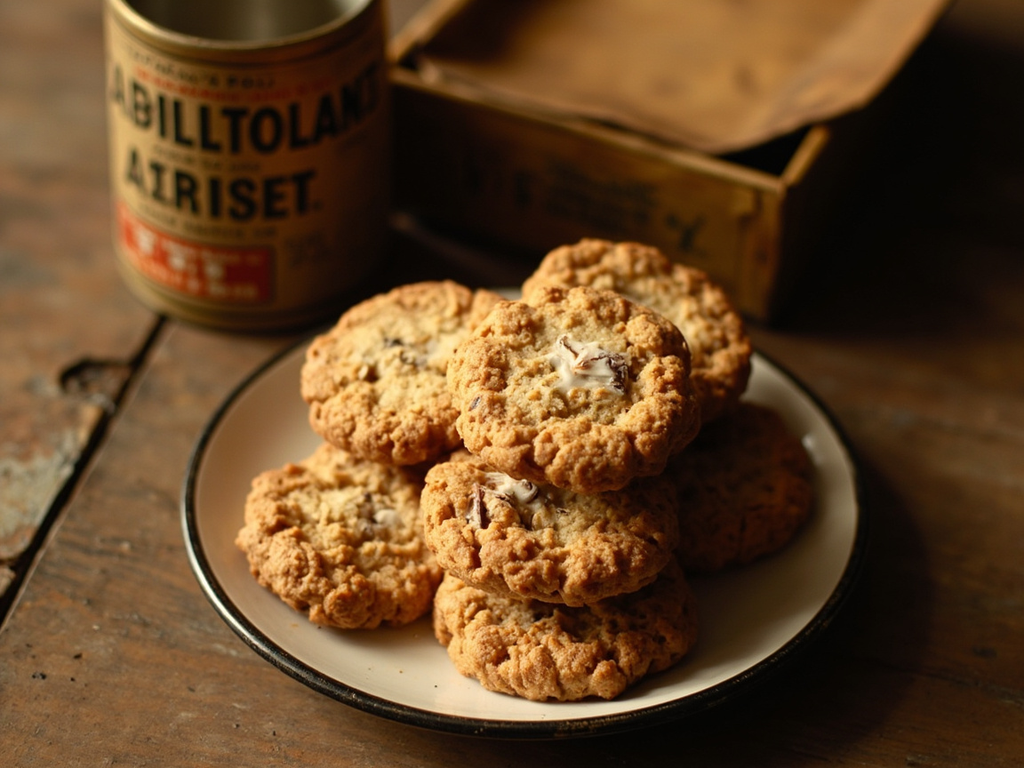
Golden biscuits with oats, coconut and golden syrup, no eggs—perfect for traveling without spoiling. Crisp on the edges, chewy in the center.
They were made without eggs, so they could endure the long voyage to the men gone to fight, without going bad on the way. That is their ingenuity: the oats and syrup retain moisture, and the biscuit keeps for weeks in a closed tin. I see a fine experimenter's lesson in it—when conditions are harsh, you design for robustness, you remove what can spoil, and you keep the essentials. Crisp or chewy, it depends on the baking: each man adjusts his oven.
- •Rolled oats — one cup (structure and texture)
- •Flour — one cup (structure)
- •Desiccated coconut — one cup (flavor and preservation)
- •Sugar — half a cup (sweetness)
- •Golden syrup — two spoonfuls (binder, browning)
- •Butter — a large knob (fat)
- •Bicarbonate dissolved in boiling water — one teaspoon (leavening, replaces egg)
Anzac biscuits
Golden biscuits with oats, coconut and golden syrup, no eggs—perfect for traveling without spoiling. Crisp on the edges, chewy in the center.
Why this dish? Marsden arrived in New Zealand in 1915, during the First World War. Anzac biscuits, made without eggs to withstand the long sea journey to soldiers at the front, were born exactly in this period in his adopted country. Robust and durable, they embody the travel cuisine of the era.
They were made without eggs, so they could endure the long voyage to the men gone to fight, without going bad on the way. That is their ingenuity: the oats and syrup retain moisture, and the biscuit keeps for weeks in a closed tin. I see a fine experimenter's lesson in it—when conditions are harsh, you design for robustness, you remove what can spoil, and you keep the essentials. Crisp or chewy, it depends on the baking: each man adjusts his oven.
Ingredients (period version)
- Rolled oats — one cup (structure and texture)
- Flour — one cup (structure)
- Desiccated coconut — one cup (flavor and preservation)
- Sugar — half a cup (sweetness)
- Golden syrup — two spoonfuls (binder, browning)
- Butter — a large knob (fat)
- Bicarbonate dissolved in boiling water — one teaspoon (leavening, replaces egg)
Ingredients
- Rolled oats — 90 g (structure and texture)
- Flour — 120 g (structure)
- Desiccated coconut — 70 g (flavor, preservation)
- Sugar — 100 g (sweetness)
- Golden syrup — 2 tbsp (binder and browning)
- Butter — 120 g (fat)
- Bicarbonate of soda — 1 tsp (leavening (no egg))
- Boiling water — 2 tbsp (dissolve bicarbonate)
Method
- Preheat oven to 160 °C. Mix oats, flour, coconut and sugar.
- Melt butter with golden syrup over low heat.
- Dissolve bicarbonate in boiling water, then add to the melted butter (it will foam) and pour everything into the dry ingredients.
- Mix to a dough, form flattened balls spaced well apart on a baking sheet.
- Bake for 12 to 15 minutes: less for chewy biscuits, more for crisp ones. Let firm up on the sheet before transferring.
- Store in an airtight container—they keep for one to two weeks.
How it was made : The absence of eggs was no accident: it allowed the biscuits to endure weeks of sea transport without spoiling when sent to soldiers. The name Anzac (Australian and New Zealand Army Corps) is protected in New Zealand and Australia, where the recipe remains a national symbol.
The contemporary twist : Pack a handful in a tin as a travel gift: it is the durable snack par excellence, true to its origin.
Ernest Marsden · Charactorium