 Flip the card
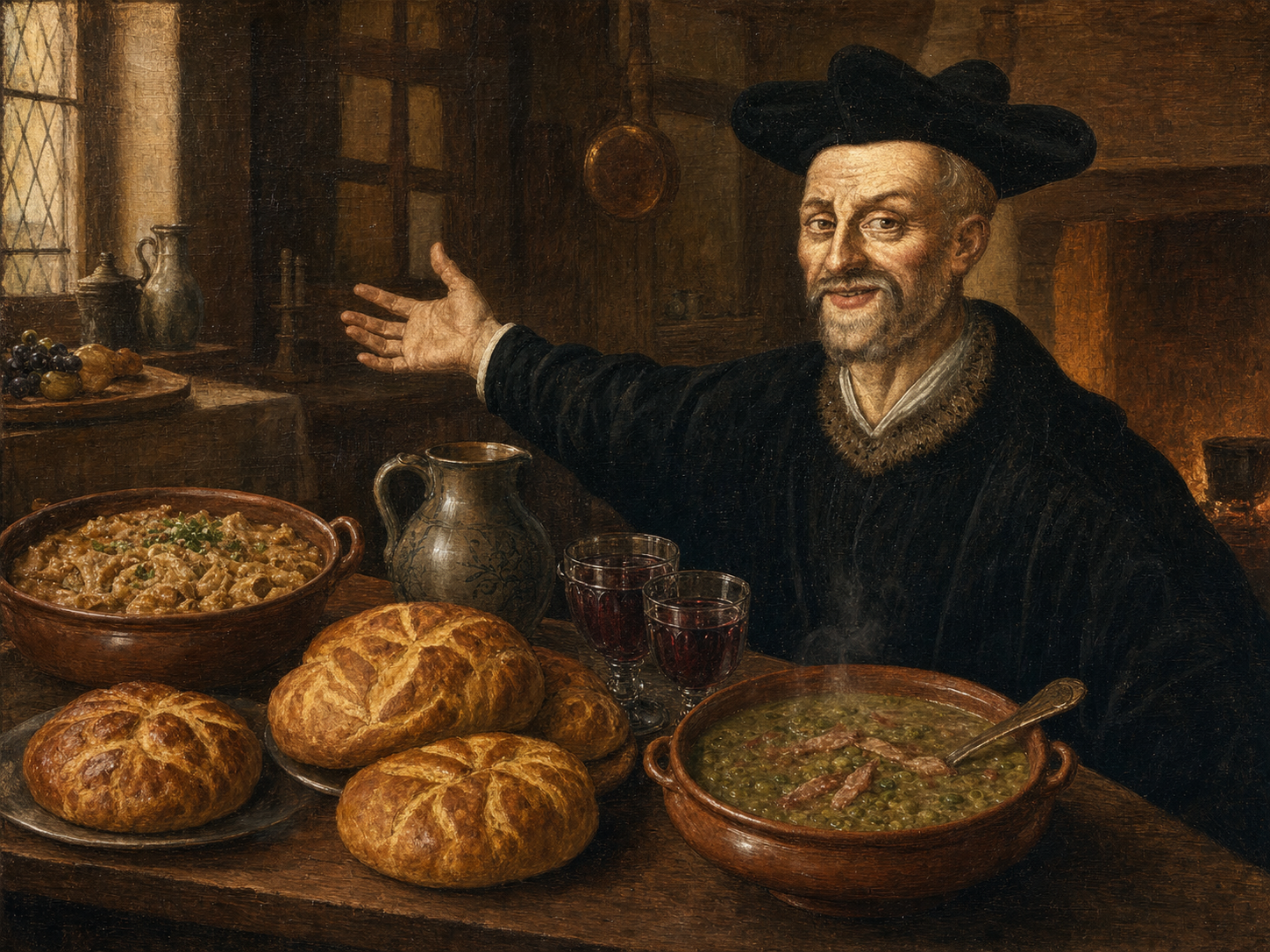
François Rabelais at the table
1500 — 1553
On the menu
Renaissance *service à la française* (the "mets" and "issues de table")
At the Tourangelle table in Rabelais's time, the meal unfolded in several "services" brought all at once and set on the tablecloth: first pottages and entrées of tripe or meat in sauce, then roasts, and finally the "issues de table" — pastries, dragées, fruits, dry preserves, and spiced wine to aid digestion. Sweet and savory were not separated as they are today: sweet spices and tart verjus appeared together in the same dish. Bread and Touraine wine accompanied everything, from first to last course.
Signature : Touraine verjus
Juice of green grapes pressed before maturity, acidic and fruity: it was the reigning souring agent in French cuisine before lemons became common. The son of a winemaker from La Devinière, Rabelais grew up among the vines; verjus sharpens his sauces, pottages, and stews where we would use lemon or vinegar.
click to flip back
François Rabelais at the table
1500 — 1553
5 period recipes
 Festive
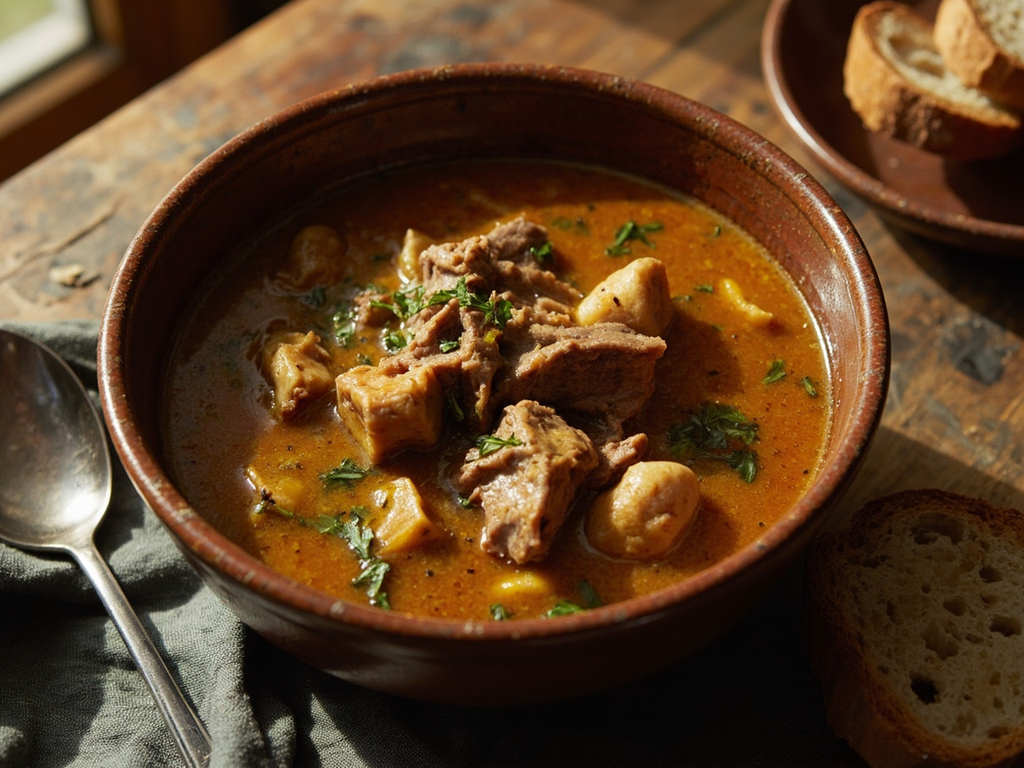
Gaudebillaux — fat beef tripe Tourangelle style
First course / meat entrée (before roasts)
🧂 🍄· 5 h
View the recipe
 Street food
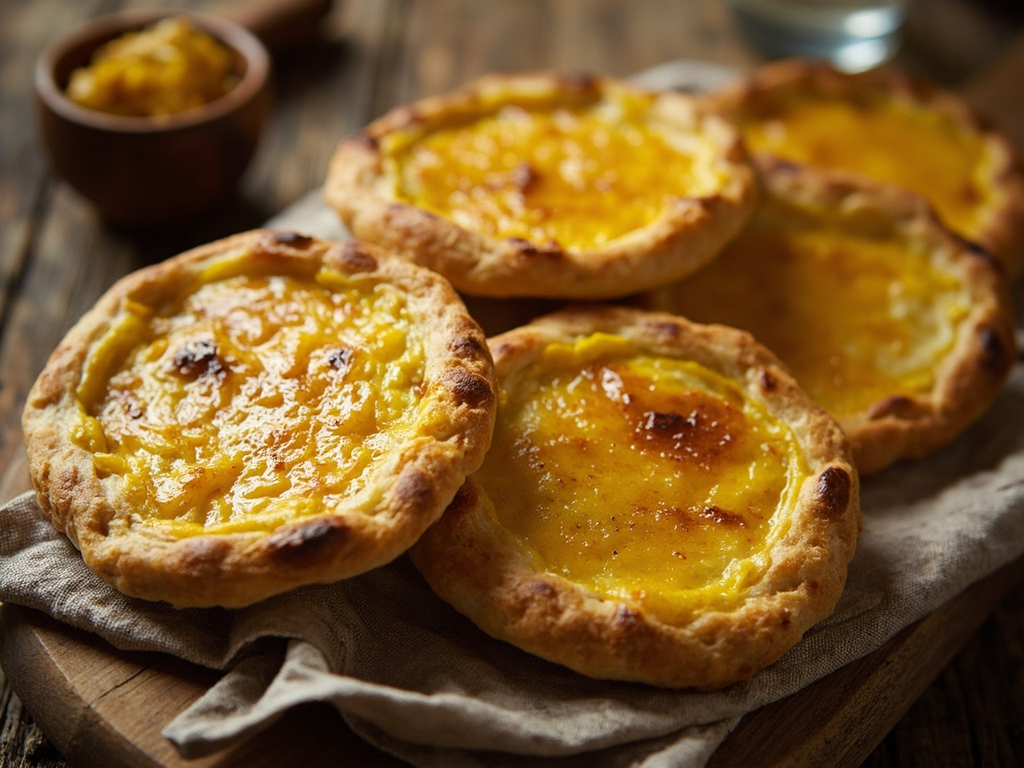
Fouaces of Lerné
Festival bread / snack (issue de table or collation)
🍯 🧂· 2 h 30 (including rising)
View the recipe
 Drink
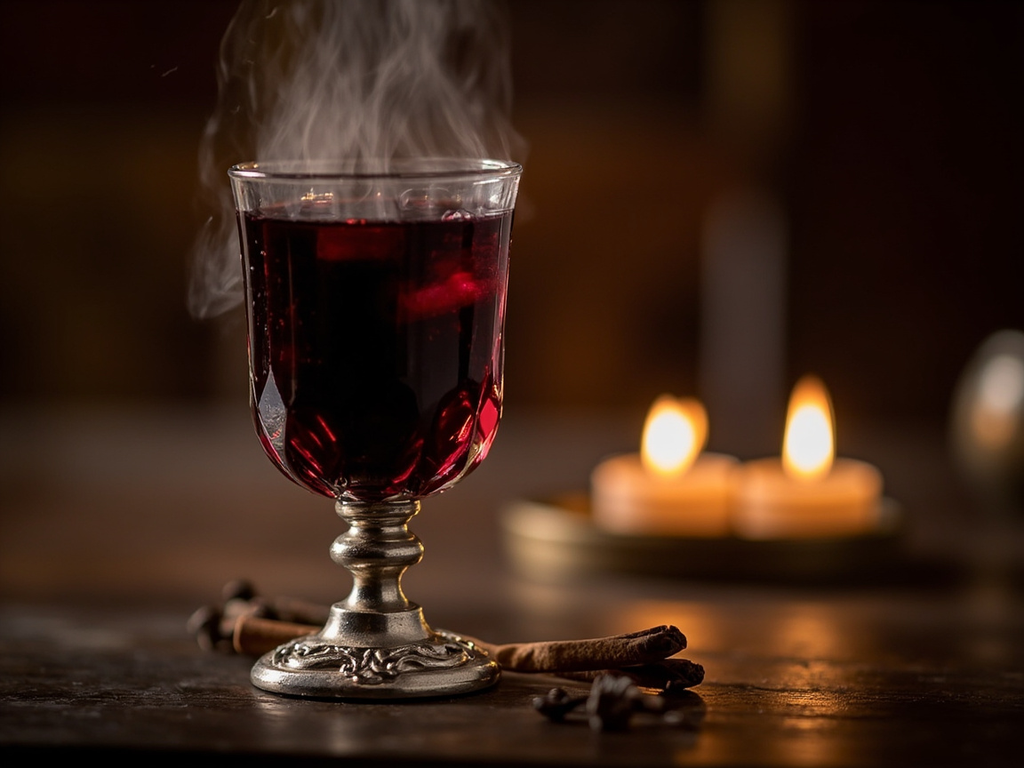
DrinkTouraine hypocras with wine and sweet spices
Issue de table beverage (served with dragées and preserves)
🍯 🌶️· 2 h (including infusion)
View the recipe
 Everyday
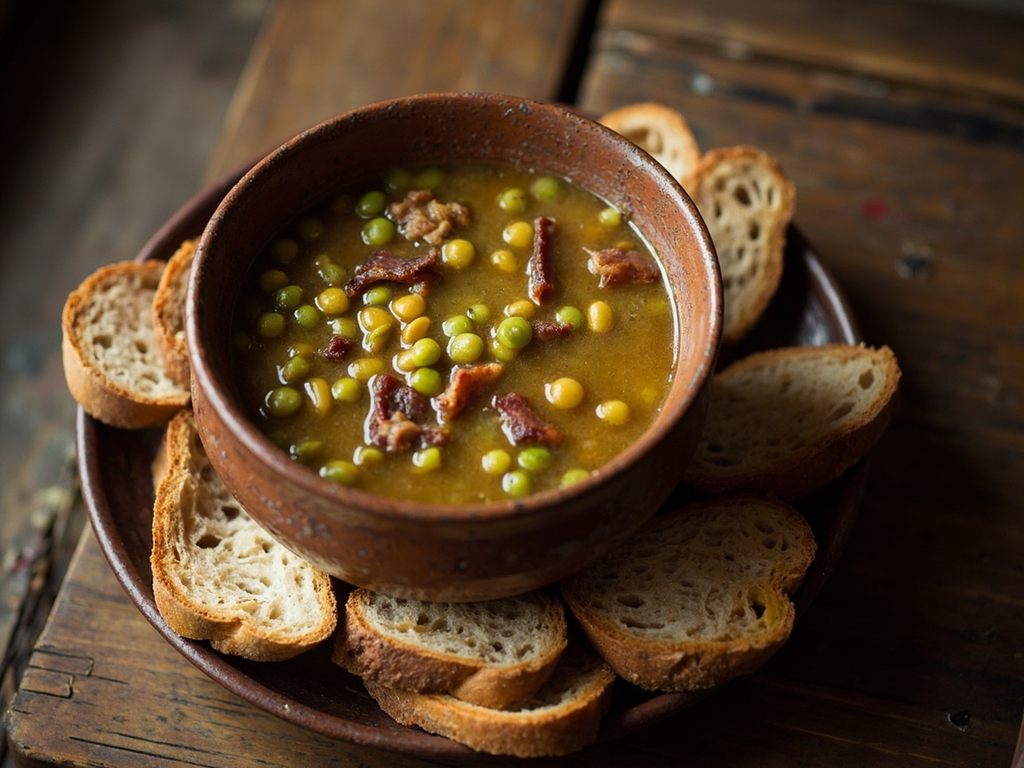
Pea pottage with bacon and verjus
Pottage (first service, basis of daily meal)
🧂 🍋· 1 h 45
View the recipe
 Remedy
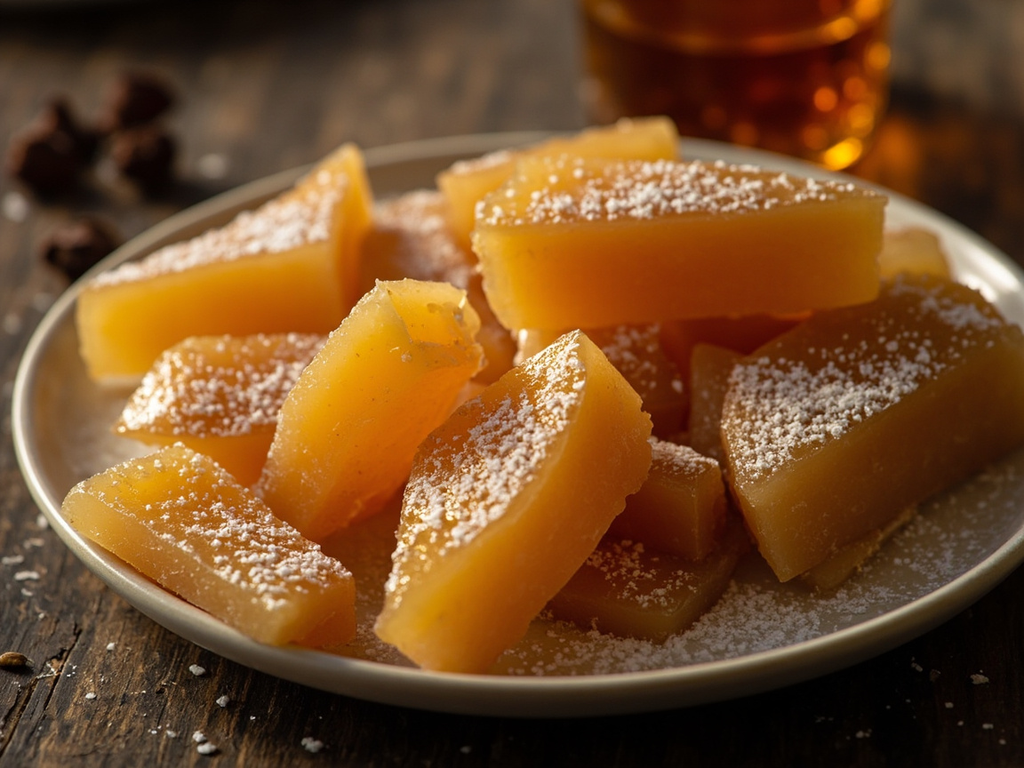
Cotignac — quince paste with honey
Dry preserve from issue de table (sweet and cordial)
🍯 🍋· 2 h + drying 24-48 h
View the recipe