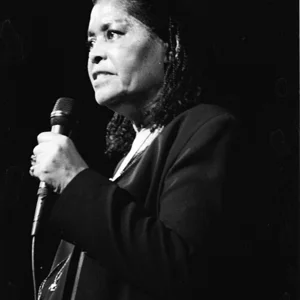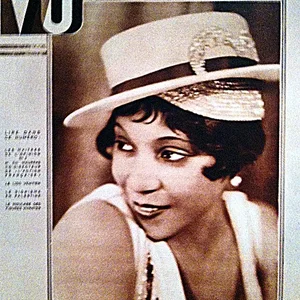

Gala is an Italian pop and dance singer born in 1975 in Turin. She achieved international success in the late 1990s with hits such as “Freed from Desire” (1997), which have become classics of dance music.
Gala(1975 — ?)
Gala
Italie
9 min read
Frequently asked questions
Key Facts
- Born on October 6, 1975 in Turin, Italy
- International breakthrough in 1997 with “Freed from Desire”
- “Freed from Desire” reached the Top 10 in many European countries in 1997
- “Freed from Desire” experienced a viral second life in the 2010s–2020s through football stadiums
- An iconic figure of the 1990s eurodance movement
Works & Achievements
Gala's signature single, which became one of the defining anthems of 1990s European dance music. Its gospel vocal melody and lyrics about emotional freedom earned it lasting popularity, confirmed by its spontaneous revival as a supporters' chant during Euro 2016.
Gala's second major hit, this single tackles male vulnerability and heartbreak in an eurodance format accessible to teenagers. It cemented the artist's artistic mastery and her ability to blend dancefloor appeal with emotional depth.
Another single representative of Gala's style, showcasing the consistency of her artistic world rooted in upbeat pop dance and the optimistic musical aesthetic characteristic of the late 1990s.
Debut studio album gathering the artist's main dance hits. It demonstrates Gala's command of the eurodance genre and reflects the expertise of Italian producers in crafting pop dance with international appeal.
Anecdotes
"Freed from Desire" was released in 1997 and quickly shot up the charts across many European countries, reaching number two in the United Kingdom. Driven by an infectious gospel vocal line and an irresistible 130 BPM dance beat, the track became one of the anthems of the summer of 1997 and a timeless classic of the eurodance genre.
Decades after its release
Freed from Desire" enjoyed an unexpected second life during Euro 2016 in France, where supporters of several national teams — notably the Irish and Welsh — spontaneously sang it in unison in stadiums. This phenomenon demonstrates how a popular hit can transcend generations and establish itself as a collective anthem, far beyond the context in which it was created.
Gala is representative of the Italian eurodance scene of the 1990s, a genre in which Italy excelled at the time with artists such as Corona, Cappella, and Alexia. This Italian dominance can be explained by the concentration of electronic production studios in Milan and by Italy's *bel canto* tradition adapted to modern pop formats.
Gala's success perfectly illustrates the globalization of popular music in the 1990s: an Italian singer performing in English, produced using electronic techniques, became a star in countries as different as Australia, Germany, and Japan. This globalization was made possible by the rise of MTV Europe and commercial radio stations broadcasting the same tracks simultaneously across the whole of Europe.
"Let a Boy Cry
her second major hit released in 1997
tackles universal emotional themes — male vulnerability and heartbreak — in a pop format accessible to a teenage audience. This track confirms Gala
s place in the eurodance musical landscape and illustrates how the genre addresses contemporary emotions through dance and celebration."
Primary Sources
Gala's "Freed from Desire" entered the official UK singles chart at number two in August 1997, confirming its massive commercial success and the enthusiastic reception of English-speaking audiences for Italian dance music.
The track appeared on Billboard's US dance charts, reflecting the transatlantic reach of the eurodance movement and the ability of Italian productions to break into the North American market.
Gold and platinum certifications awarded in several European countries (United Kingdom, Germany, Australia) attest to sales of several hundred thousand units for "Freed from Desire".
In this interview given to the British youth music press, Gala discusses her American gospel and soul influences and her desire to create universal music that transcends cultural and linguistic boundaries.
Key Places
Gala's hometown, Turin was at the time an important Italian industrial and cultural centre. The fourth-largest city in Italy, it saw several artists from the Italian pop and dance scene emerge during the 1990s, benefiting from its proximity to the production studios of Milan.
The capital of the Italian music industry, Milan is home to the main recording studios and record labels that produced the great eurodance hits of the 1990s. It was within this creative ecosystem that Gala built her musical career.
A major music market where "Freed from Desire" achieved particularly resounding success, reaching number two on the UK charts in 1997. London was at the time the world capital of commercial pop music and an essential showcase for European artists.
A landmark of dance music and club culture in Europe, Ibiza was in the 1990s a decisive launchpad for eurodance artists. The DJs who played there could propel a track to commercial success by spinning it at parties attended by thousands of young Europeans.
A symbol of the cultural resurrection of "Freed from Desire", the Stade de France is the setting where, during Euro 2016, tens of thousands of supporters sang Gala's song in unison, transforming a 1990s club track into a collective sporting anthem.
Typical Objects

The singer's core tool, it symbolizes her powerful vocal presence during live performances and studio recordings. Eurodance artists like Gala favored an expressive, direct vocal style, often enhanced by the reverb effects characteristic of the era.

At the heart of 1990s music production, these pieces of equipment allowed Italian producers to craft the electronic dance arrangements characteristic of eurodance. The MIDI sequencer organized the rhythmic loops and synthesizer pads that make up the sonic signature of tracks like “Freed from Desire.”

The dominant distribution format of the 1990s, the “Freed from Desire” CD single is the key object behind Gala's commercial success. These small silver discs, bought at supermarkets or record stores, were the main source of income for pop artists of that era.

The MTV era demanded the production of high-quality music videos to ensure a track's international promotion. The “Freed from Desire” music video was essential for securing airplay on MTV Europe and the cable music channels that decided a single's success or failure.

An iconic instrument of Italian eurodance production, the synthesizer was used to create the deep basslines, melodic pads, and arpeggios characteristic of the genre. The Milanese studios that produced artists from the Italian scene were equipped with these emblematic machines of the 1990s.

Dance artists of the era wore colorful, shiny, and sporty outfits, reflecting the optimistic and celebratory aesthetic of the 1990s. These stage costumes, designed for movement and performance, directly influenced the fashion choices of teenagers who imitated their musical idols.
School Curriculum
Vocabulary & Tags
Key Vocabulary
Daily Life
Morning
A touring artist like Gala typically began her day with vocal warm-up sessions and meetings with her management team to plan the day's media appearances. Eurodance artists of the 1990s devoted their mornings to vocal care and the logistical preparation of travel between European cities.
Afternoon
Afternoons were filled with interviews for the music press, FM radio stations, and MTV channels — all essential for promoting singles in the pre-internet era. In the studio, this time was dedicated to recording sessions and production work with the Italian producers who shaped the distinctive sound of the eurodance scene.
Evening
Evenings were reserved for live performances: concerts in clubs, discotheques, summer festivals, or music television shows. Eurodance artists performed for audiences of young Europeans whose club culture was intimately tied to dance music. Nights often ended very late, after traveling on to the next city or country.
Food
Touring artists in the 1990s ate a mix of local cuisine from the countries they visited and fast food dictated by the demands of travel. As a woman from northern Italy, Gala maintained a Mediterranean culinary anchor — pasta, fresh vegetables, olive oil — which stood in contrast to the excesses sometimes associated with the intense nightlife of European tours.
Clothing
Eurodance artists of the 1990s dressed to match the aesthetics of the era: shiny synthetic fabrics, bold colors, and sporty or sensual cuts inspired by club fashion. Music videos, played on heavy rotation on MTV, demanded polished looks that directly influenced the fashion choices of teenage fans.
Housing
On international tour, successful artists like Gala stayed in hotels of varying quality depending on the record label's budget and the artist's profile in a given market. In Turin, her hometown, she maintained family ties typical of Italian culture, where the family home remains a fundamental anchor even for artists at the height of their international careers.