 flip
flipThin Oat Gruel with Treacle (Water Gruel)
Thin Oat Gruel with Treacle (Water Gruel)
Why this dish? Thin oat gruel was the classic domestic remedy for Victorian fevers and colds. Mentioned here in connection with Boole's fragile health — he died of a lung fever in 1864 — it is the comfort food that every household prepared for a convalescent.
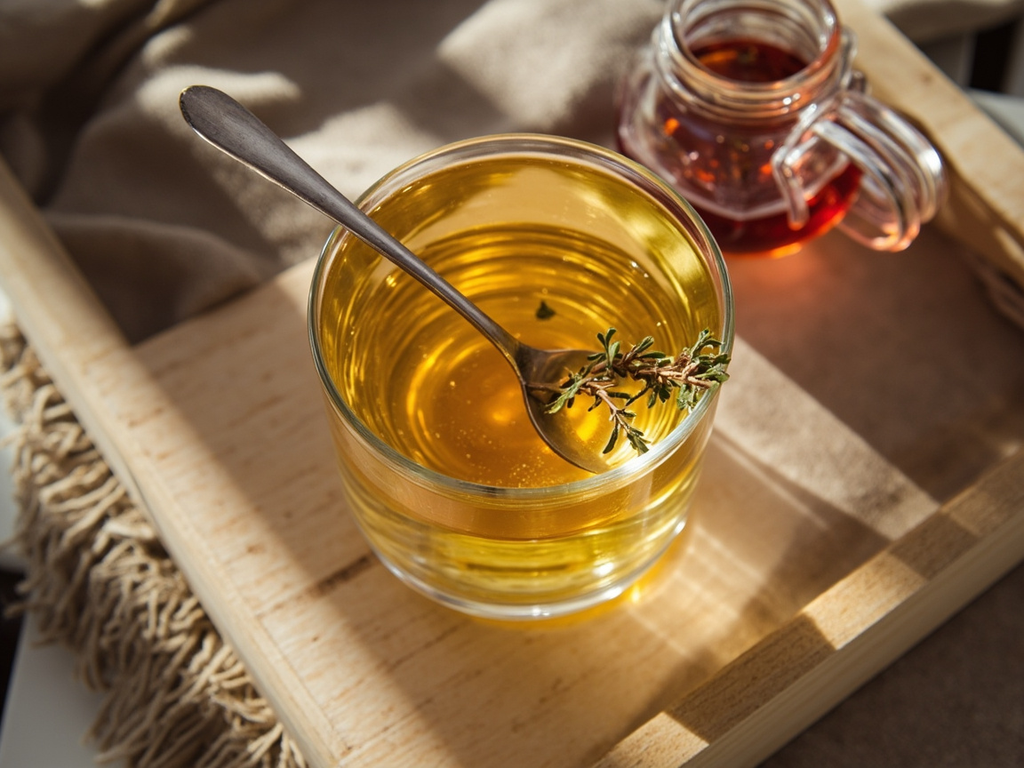
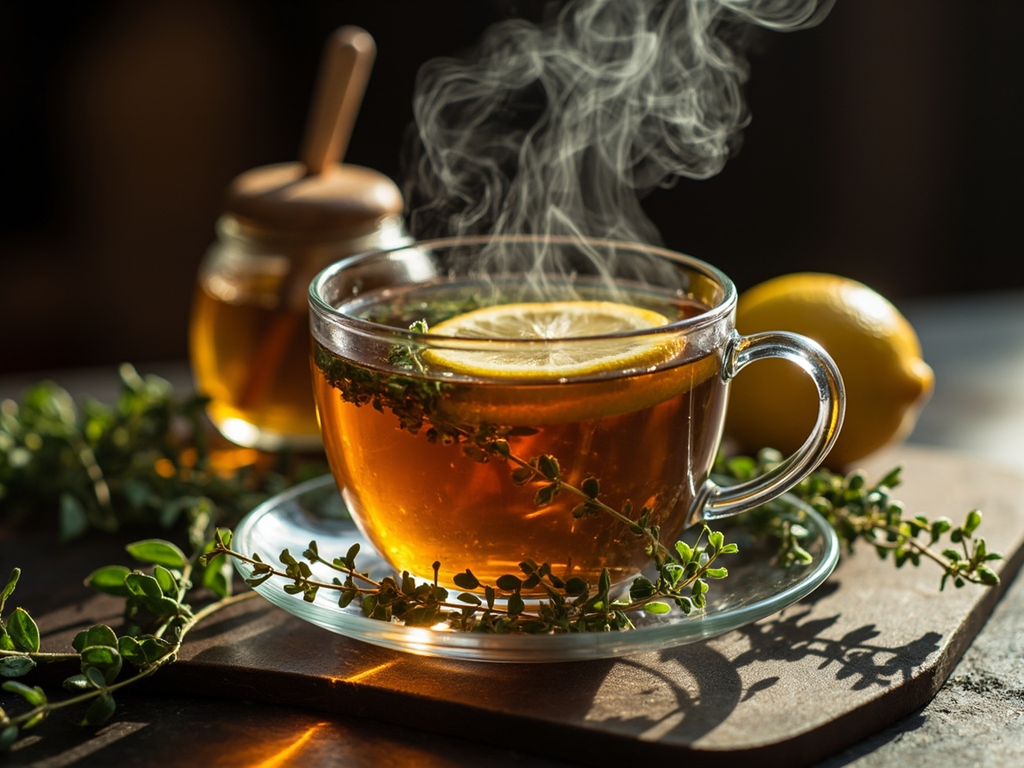
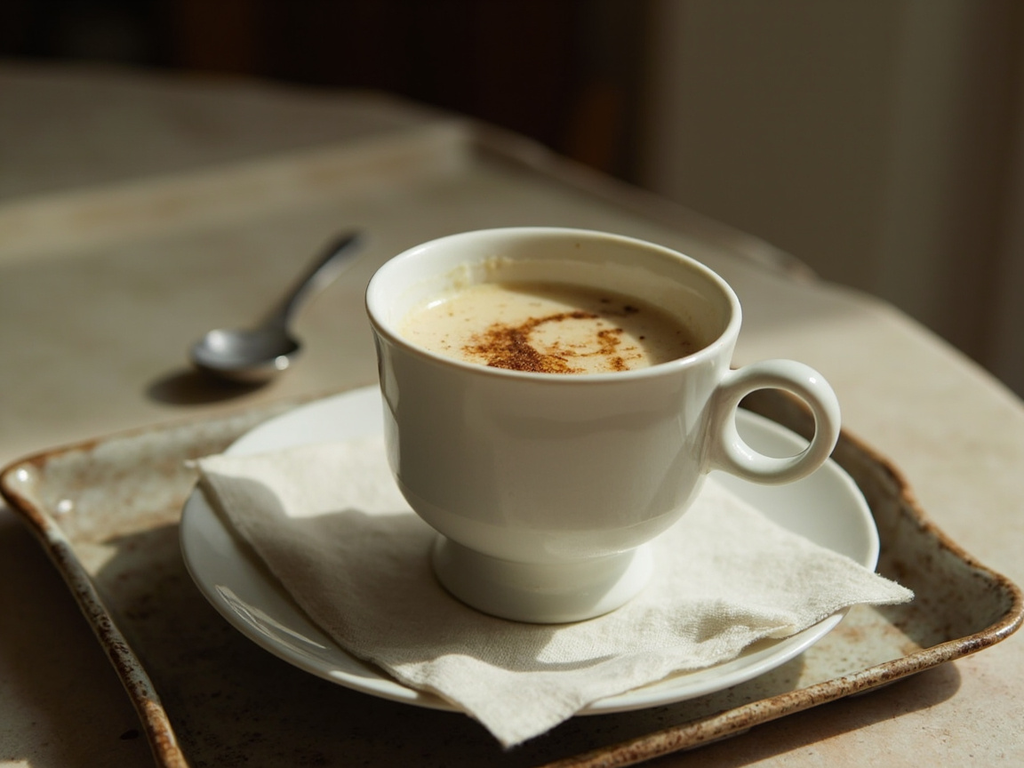
A very thin oat porridge, cooked long and strained, lightly sweetened with treacle and scented with a hint of nutmeg. Light, warm, and digestible, it is the food of the sickroom, to be taken in small sips.
For a weakened body, no heavy foods: we prepare a thin gruel, gentle as a convalescence. Dissolve fine oatmeal in cold water, cook over a very low fire stirring constantly, then pass through a sieve to keep only the velvety liquid. A thread of treacle, a grating of nutmeg, and serve it warm, in small patient spoonfuls. It is a small thing, and yet it is what restores strength when all else repels.
- •Fine oatmeal — two spoonfuls (base)
- •Water — a large cup (cooking)
- •Treacle — a drizzle (sweetness)
- •Nutmeg — a grating (flavouring)
- •Salt — a very small pinch (seasoning)
Thin Oat Gruel with Treacle (Water Gruel)
A very thin oat porridge, cooked long and strained, lightly sweetened with treacle and scented with a hint of nutmeg. Light, warm, and digestible, it is the food of the sickroom, to be taken in small sips.
Why this dish? Thin oat gruel was the classic domestic remedy for Victorian fevers and colds. Mentioned here in connection with Boole's fragile health — he died of a lung fever in 1864 — it is the comfort food that every household prepared for a convalescent.
For a weakened body, no heavy foods: we prepare a thin gruel, gentle as a convalescence. Dissolve fine oatmeal in cold water, cook over a very low fire stirring constantly, then pass through a sieve to keep only the velvety liquid. A thread of treacle, a grating of nutmeg, and serve it warm, in small patient spoonfuls. It is a small thing, and yet it is what restores strength when all else repels.
Ingredients (period version)
- Fine oatmeal — two spoonfuls (base)
- Water — a large cup (cooking)
- Treacle — a drizzle (sweetness)
- Nutmeg — a grating (flavouring)
- Salt — a very small pinch (seasoning)
Ingredients
- Fine oatmeal or blitzed rolled oats — 30 g (base)
- Water (or half milk) — 300 ml (cooking)
- Treacle or honey — 1 tsp (sweetness)
- Freshly grated nutmeg — 1 pinch (flavouring)
- Salt — 1 very small pinch (seasoning)
Method
- Dissolve the fine oatmeal in a little cold water to avoid lumps.
- Add the remaining water, season with a pinch of salt, and bring to a simmer.
- Cook for 15–20 minutes over very low heat, stirring, until well liquid and velvety.
- Pass through a fine sieve to keep only the smooth gruel.
- Sweeten with a drizzle of treacle, grate a little nutmeg on top, and serve warm.
How it was made : Water gruel appears in all 19th-century cookery and nursing manuals, from Mrs Beeton to Florence Nightingale, as a staple food for the sick: easy to digest, inexpensive, quick to prepare. It was made with water (water gruel) or milk (milk gruel) depending on the patient's condition, and sometimes flavoured with a little wine or spices to 'strengthen' it.
The contemporary twist : Serve it in a fine cup rather than a bowl, like a comforting drink: a 'drinkable porridge' spiced with nutmeg, to be sipped under a blanket on winter evenings.
Sources : Florence Nightingale, Notes on Nursing, 1859 · Isabella Beeton, The Book of Household Management, 1861
George Boole · Charactorium