 Flip the card
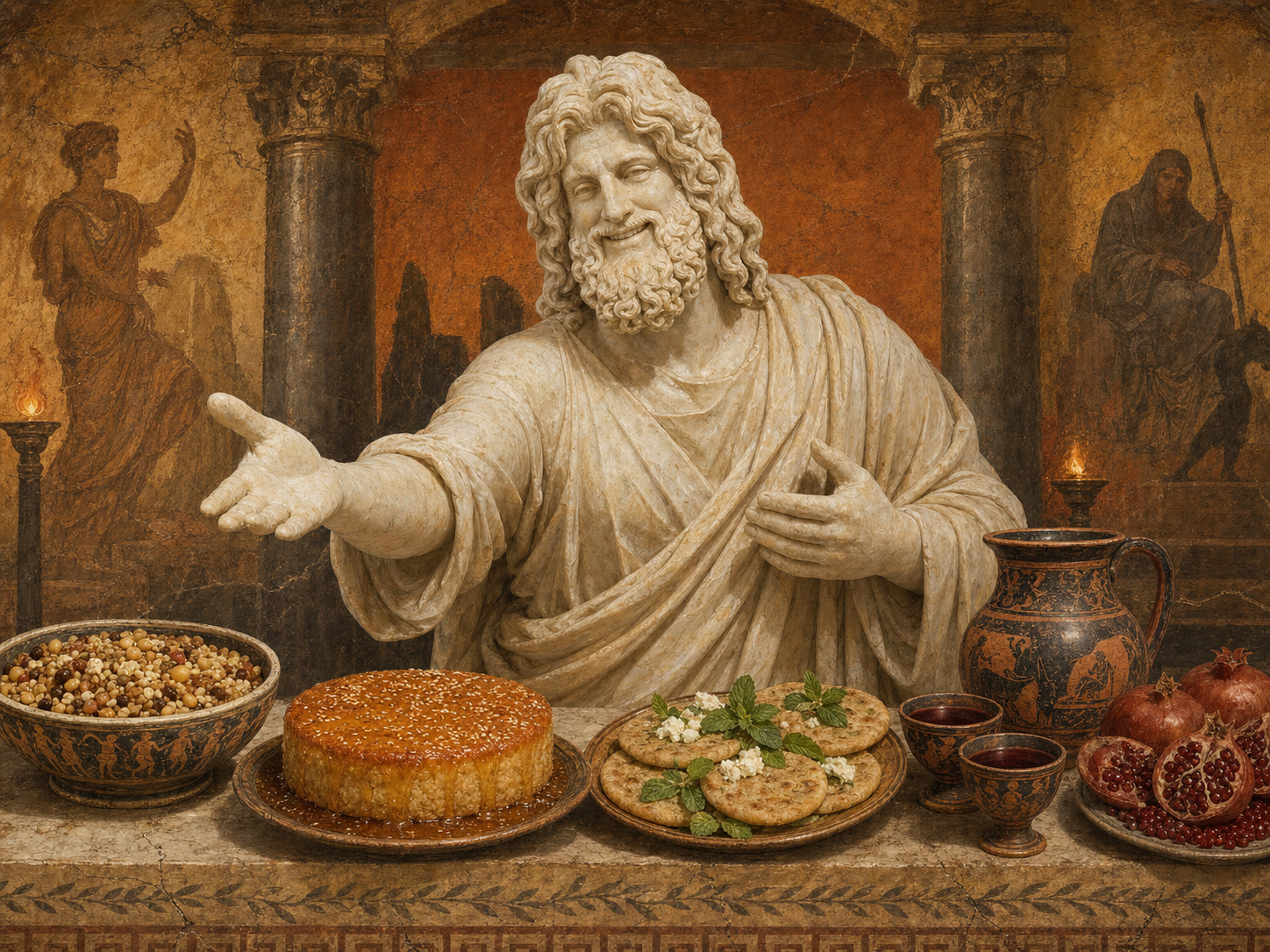
Hades at the table
On the menu
Chthonian thysia & Greek deipnon
In ancient Greece, the meal was built around *sitos* (the staple grain: barley cake or porridge) accompanied by *opson* (what 'enhances' it: vegetables, fish, cheese, honey), followed by *tragêmata* (sweets and dried fruits) washed down with wine cut with water. But for Hades and the powers below, one does not burn the portion on the altar as for the Olympians: they practiced the chthonian *thysia*, a 'downward' sacrifice — libations poured onto the ground into a *bothros* (pit), boiled rather than roasted foods, offerings left for the dead. Pomegranate and honey hold a special place.
Signature : Pomegranate (*rhoa*)
Fruit-emblem of Hades: it was its six seeds that Persephone tasted in the Underworld, binding her forever to the subterranean realm. Symbol of hidden abundance underground and of cyclical return, the pomegranate marks almost everything connected to the lord of the dead.
click to flip back
Hades at the table
5 period recipes
 Offering
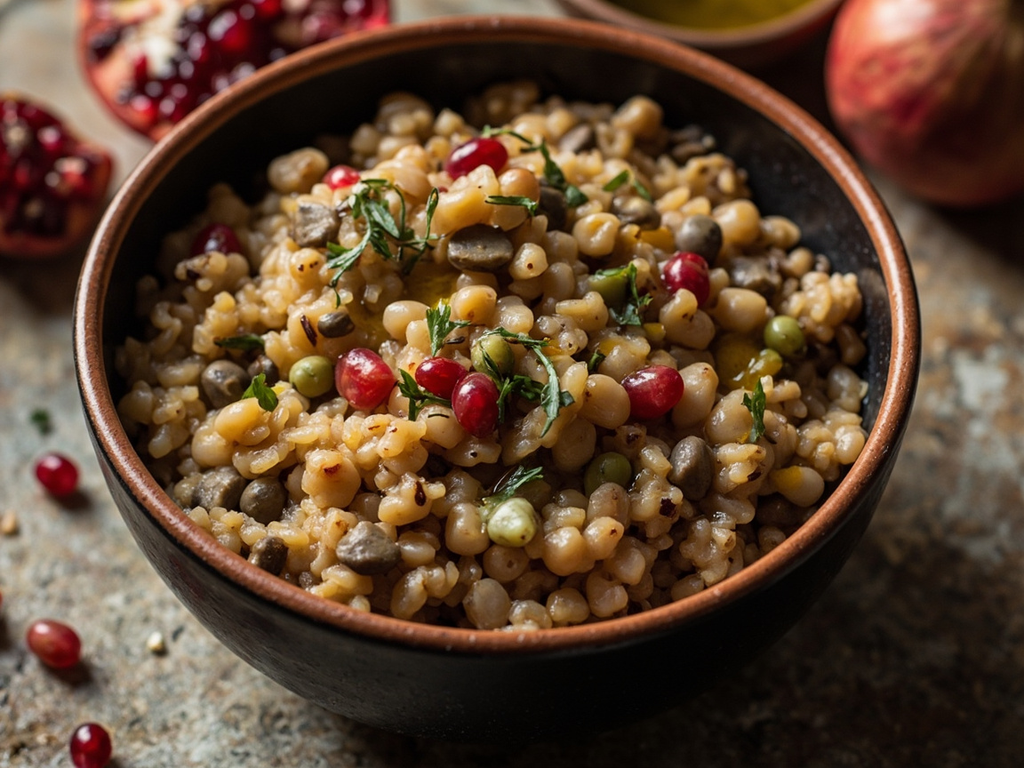
Panspermia of the Chytroi
Chthonian offering (boiled thysia, poured into the pit)
🍯 🧂· 2 h (plus soaking)
View the recipe
 Festive
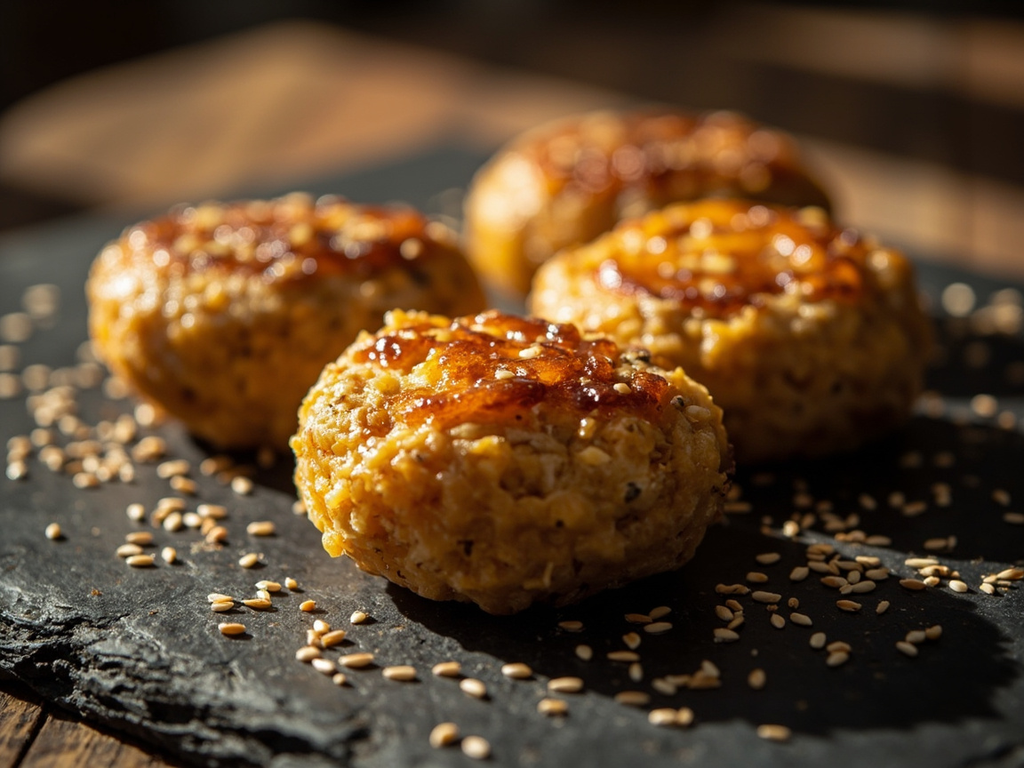
Melitoutta, honey sesame cake
Popanon (offering cake) / festive tragêma
🍯· 45 min
View the recipe
 Everyday
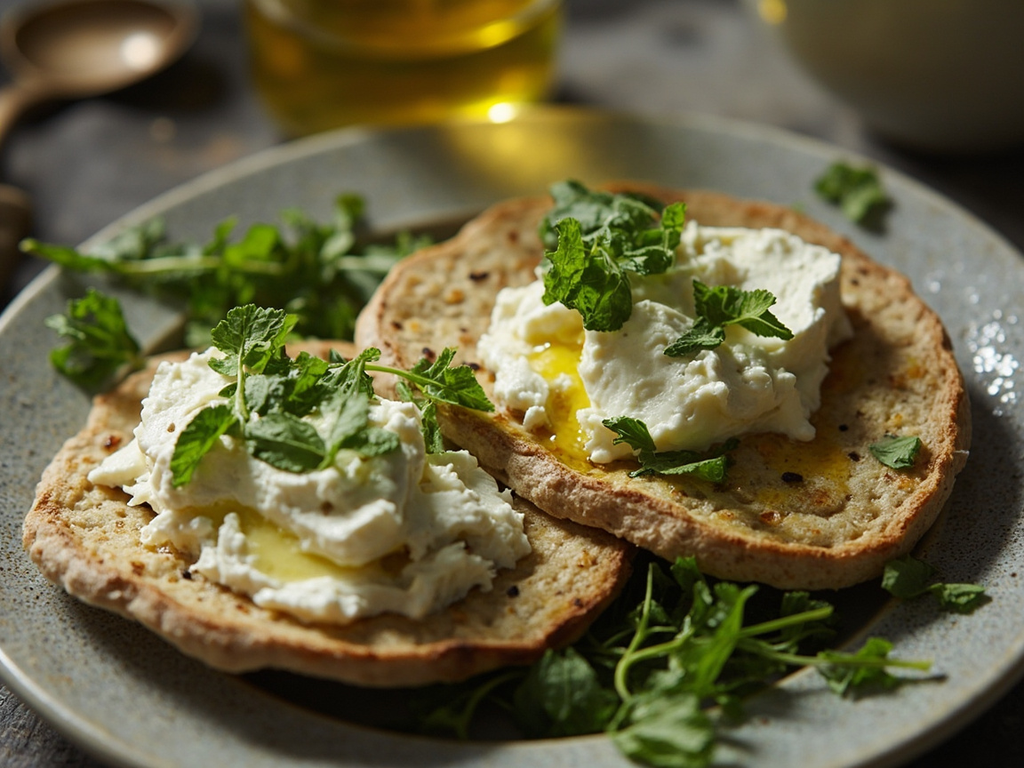
Maza with mint and fresh cheese
Sitos — the staple flatbread of the meal (deipnon)
☕ 🧂· 35 min
View the recipe
 Drink
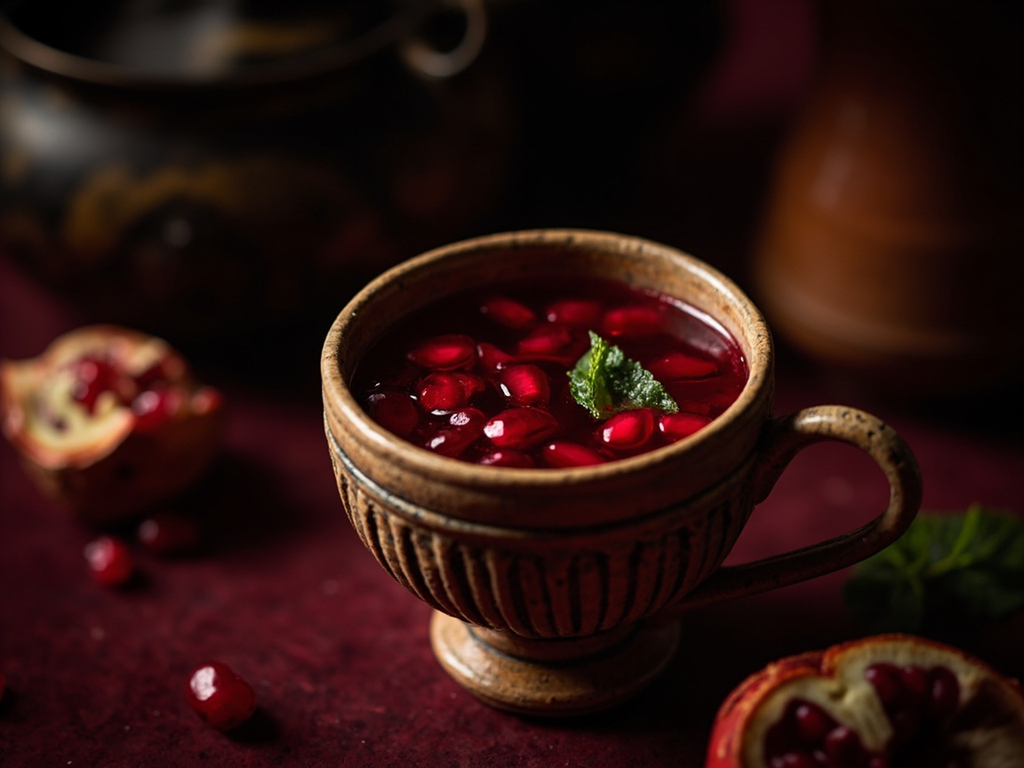
DrinkRhoités — pomegranate wine of the Underworld
Libation drink (sponde) served from the krater
🍋 🍯 🫙· 15 min
View the recipe
 Preserving
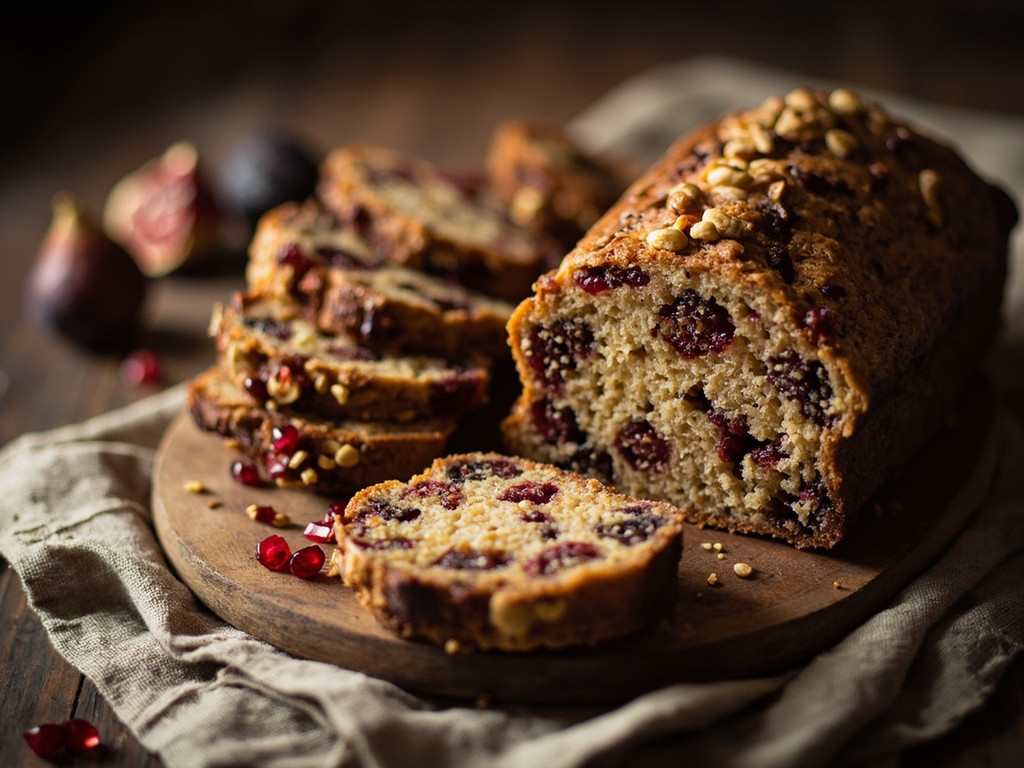
Palathê — dried fig and pomegranate paste
Tragêma for storage (sweet provision for the late season)
🍯 🍋· 30 min (+ 1 to 2 days drying)
View the recipe