 flip
flipSoldier's *puls* — barley porridge with oil and legumes
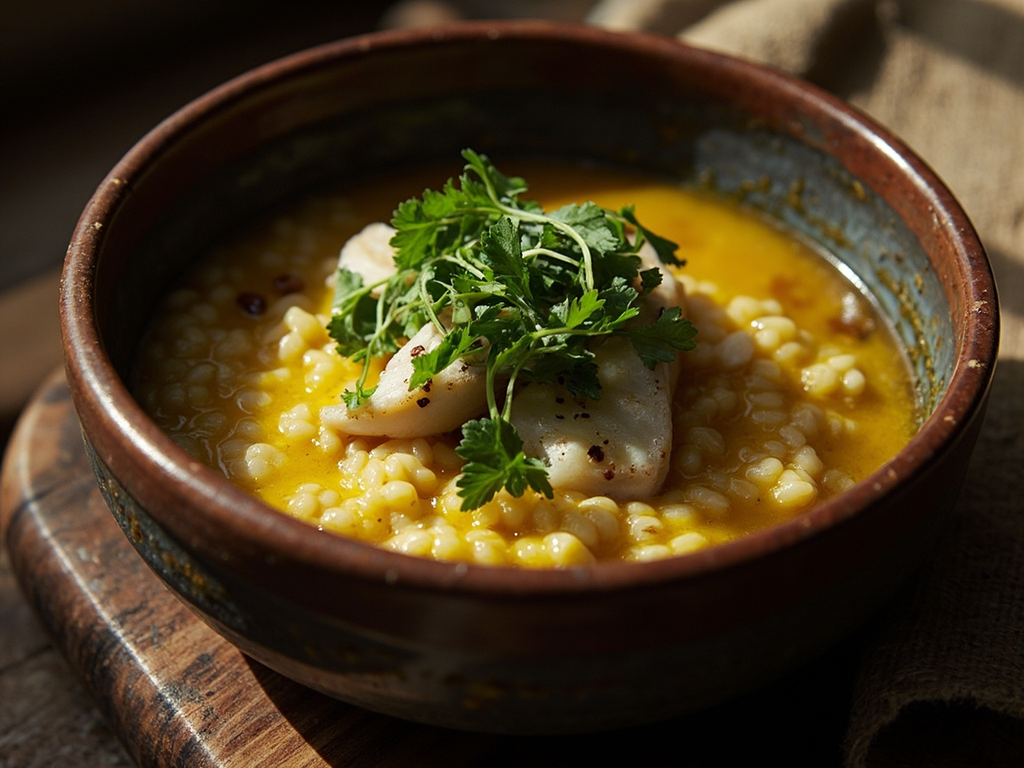
Soldier's *puls* — barley porridge with oil and legumes
Why this dish? This was the daily fare of Hannibal's men during the long march from Iberia to Italy: a thick porridge cooked over a campfire, made from grain taken from the lands crossed, seasoned with oil, salt, and fava beans. Robust and nourishing, it sustained the legs of an army that marched for months.
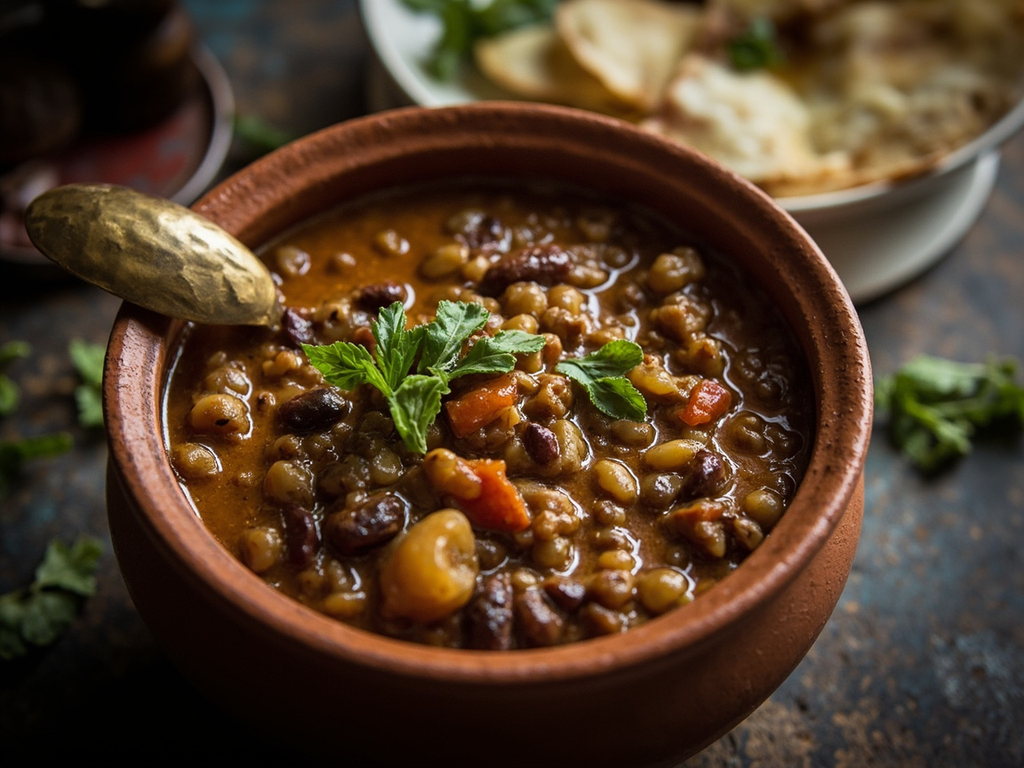
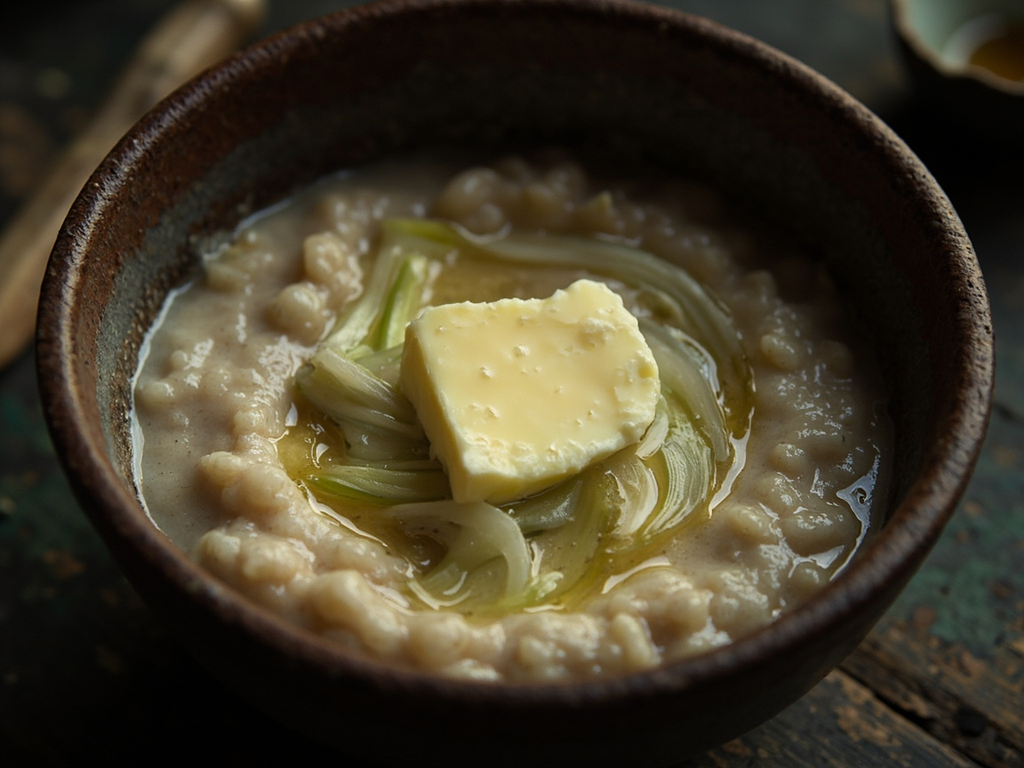
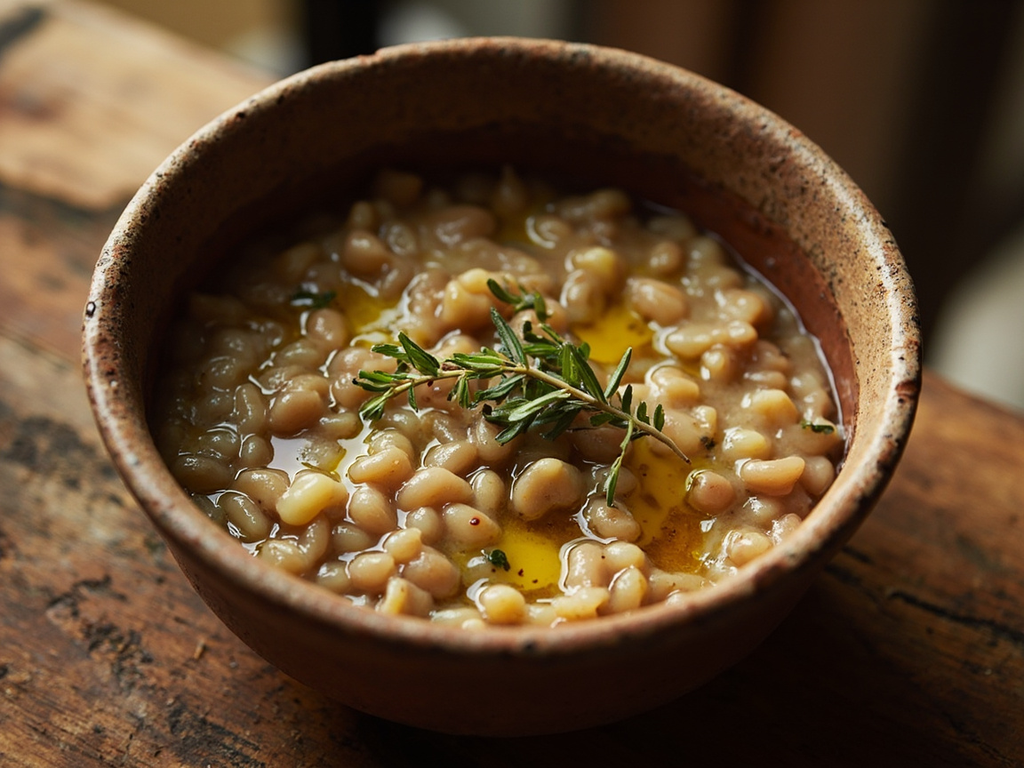
A rustic porridge of hulled barley and crushed fava beans, bound with olive oil, salted, and scented with hillside herbs. The dish that filled the bellies of infantrymen before battle.
Listen well, you who have never marched thirty days under mountain rains. My soldiers did not live on banquets: a handful of grain, a bit of fava bean, a drizzle of oil, and the salt that Baal granted us—that is what forges an army. We threw the barley into the common cauldron, stirred until the spoon stood upright, and each man dipped his bread into the bowl. A well-fed man on honest porridge is worth ten who dream of meat. It was this porridge, not the elephants, that got me across the Alps.
- •Hulled barley — two handfuls per man (base cereal)
- •Dried fava beans — one handful (legume, protein)
- •Olive oil — a generous drizzle (fat, binder)
- •Salt — to taste (seasoning)
- •Fresh herbs (oregano, wild thyme) — a pinch (flavor)
Soldier's *puls* — barley porridge with oil and legumes
A rustic porridge of hulled barley and crushed fava beans, bound with olive oil, salted, and scented with hillside herbs. The dish that filled the bellies of infantrymen before battle.
Why this dish? This was the daily fare of Hannibal's men during the long march from Iberia to Italy: a thick porridge cooked over a campfire, made from grain taken from the lands crossed, seasoned with oil, salt, and fava beans. Robust and nourishing, it sustained the legs of an army that marched for months.
Listen well, you who have never marched thirty days under mountain rains. My soldiers did not live on banquets: a handful of grain, a bit of fava bean, a drizzle of oil, and the salt that Baal granted us—that is what forges an army. We threw the barley into the common cauldron, stirred until the spoon stood upright, and each man dipped his bread into the bowl. A well-fed man on honest porridge is worth ten who dream of meat. It was this porridge, not the elephants, that got me across the Alps.
Ingredients (period version)
- Hulled barley — two handfuls per man (base cereal)
- Dried fava beans — one handful (legume, protein)
- Olive oil — a generous drizzle (fat, binder)
- Salt — to taste (seasoning)
- Fresh herbs (oregano, wild thyme) — a pinch (flavor)
Ingredients
- Pearl barley — 200 g (base cereal)
- Dried split fava beans (or fresh fava beans) — 150 g (legume)
- Extra virgin olive oil — 4 tbsp (fat)
- Water or vegetable broth — 1 liter (cooking liquid)
- Salt — 1 tsp (seasoning)
- Fresh oregano and thyme — 1 tbsp (flavor)
Method
- The night before, soak the dried fava beans in cold water; drain.
- Pour the pearl barley and fava beans into a large pot with the water or broth. Lightly salt.
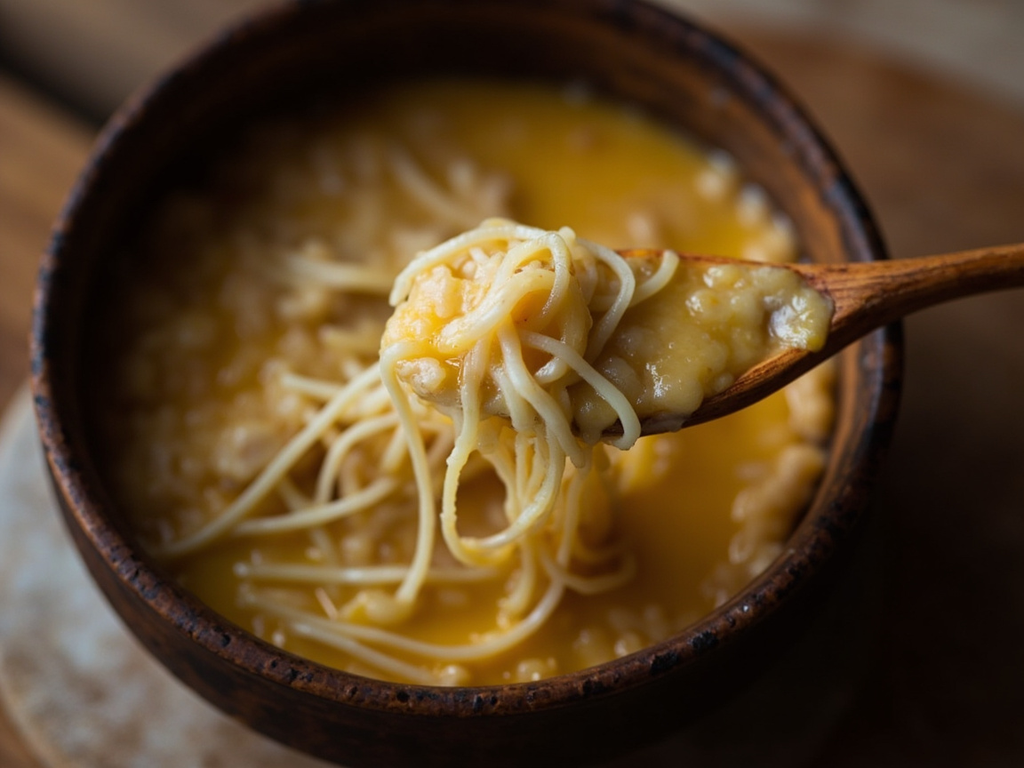
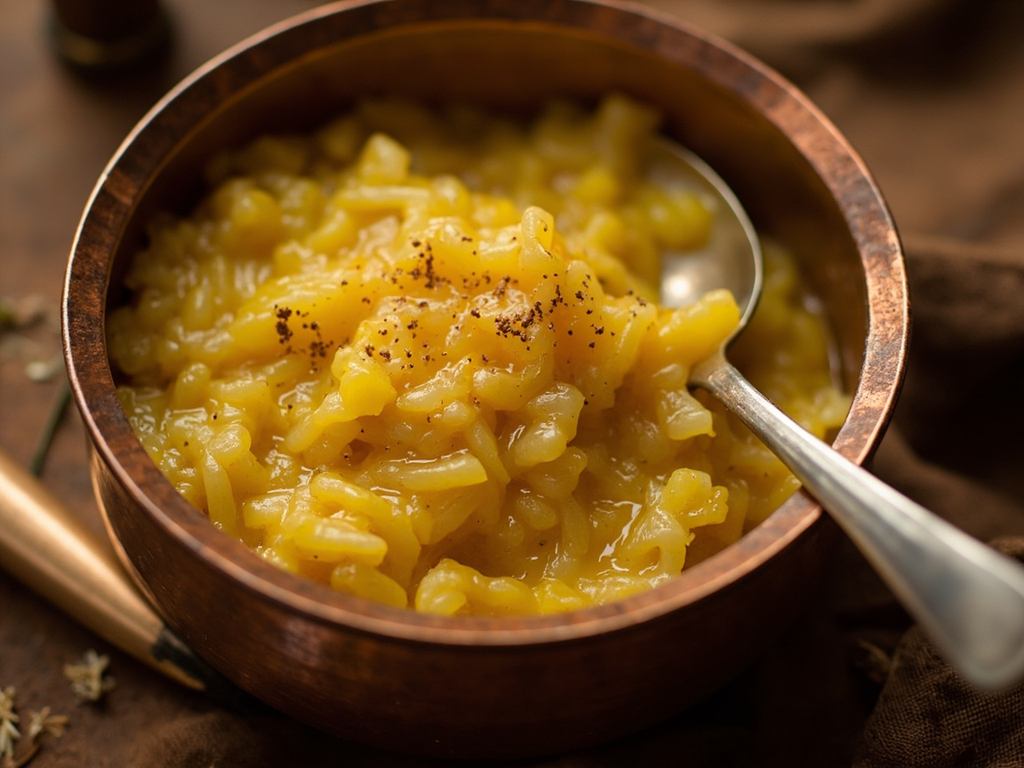
- Bring to a boil, then reduce heat. Simmer for 45 to 50 minutes, stirring often, until a thick porridge forms where the spoon stands almost upright.
- Off the heat, generously stir in the olive oil and chopped herbs.
- Adjust salt and serve piping hot in bowls, with a final drizzle of oil.
How it was made : Ancient armies mainly ate boiled cereals (the Roman and Punic *puls*) rather than bread, as it was quicker to prepare at bivouac. Barley, less noble than wheat, was the soldier's standard ration; fava beans and peas provided protein. It was cooked in large shared bronze cauldrons over improvised hearths, with oil and salt carried in jars.
The contemporary twist : Serve it like an "ancient risotto," very creamy, with a shower of grated pecorino and a drizzle of new oil—a nod to the Italy Hannibal crossed.
Sources : Cato the Elder, De Agricultura · Polybius, Histories, book III (on Hannibal's army) · Andrew Dalby, Food in the Ancient World from A to Z (2003)
Hannibal Barca · Charactorium