 flip
flipBeef Tea, the Convalescent's Broth
Beef Tea, the Convalescent's Broth
Why this dish? Suffering from a chest condition in her later years, Harriet followed a convalescent diet of broths and boiled lean meats. Beef tea was THE strengthening remedy that every Victorian household prepared at the bedside of the sick — a near-liquid food meant to restore strength without fatiguing the stomach.
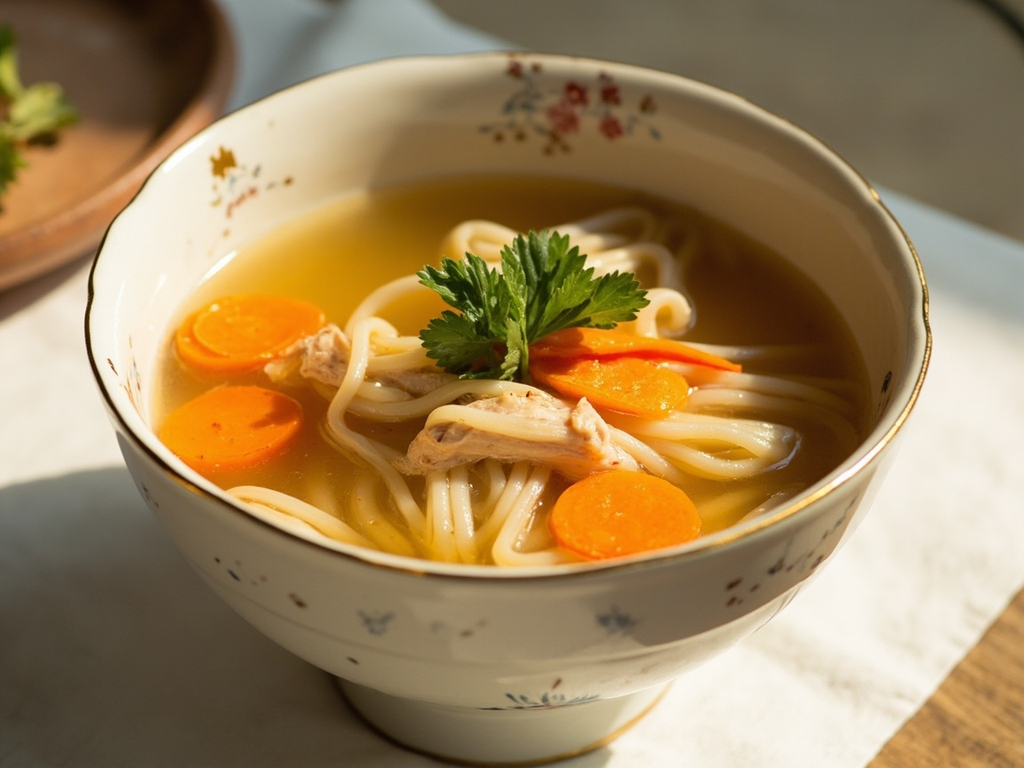
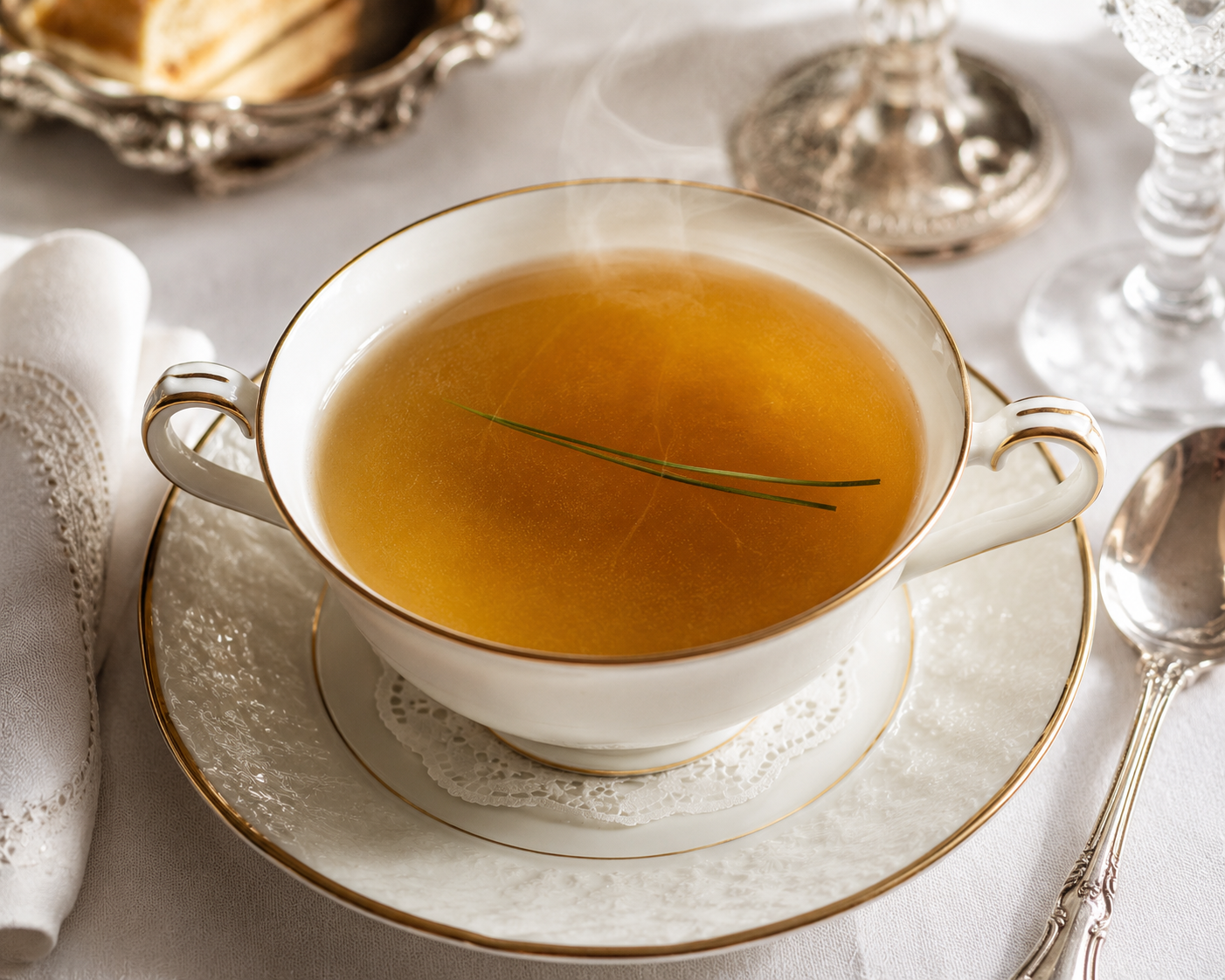
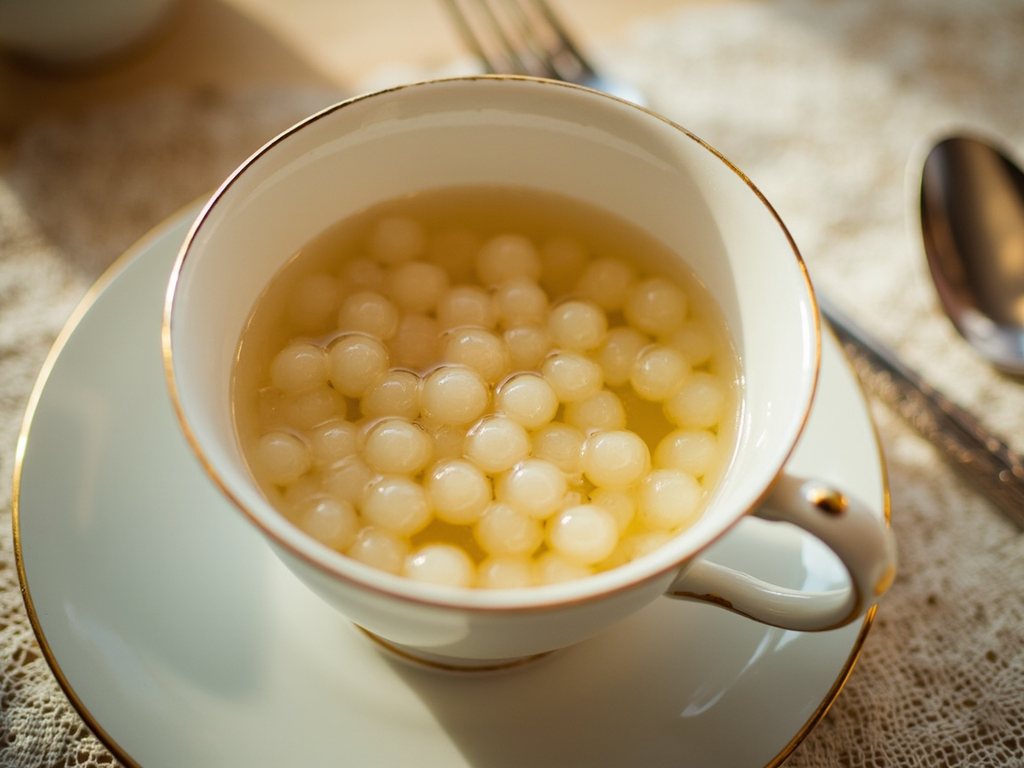
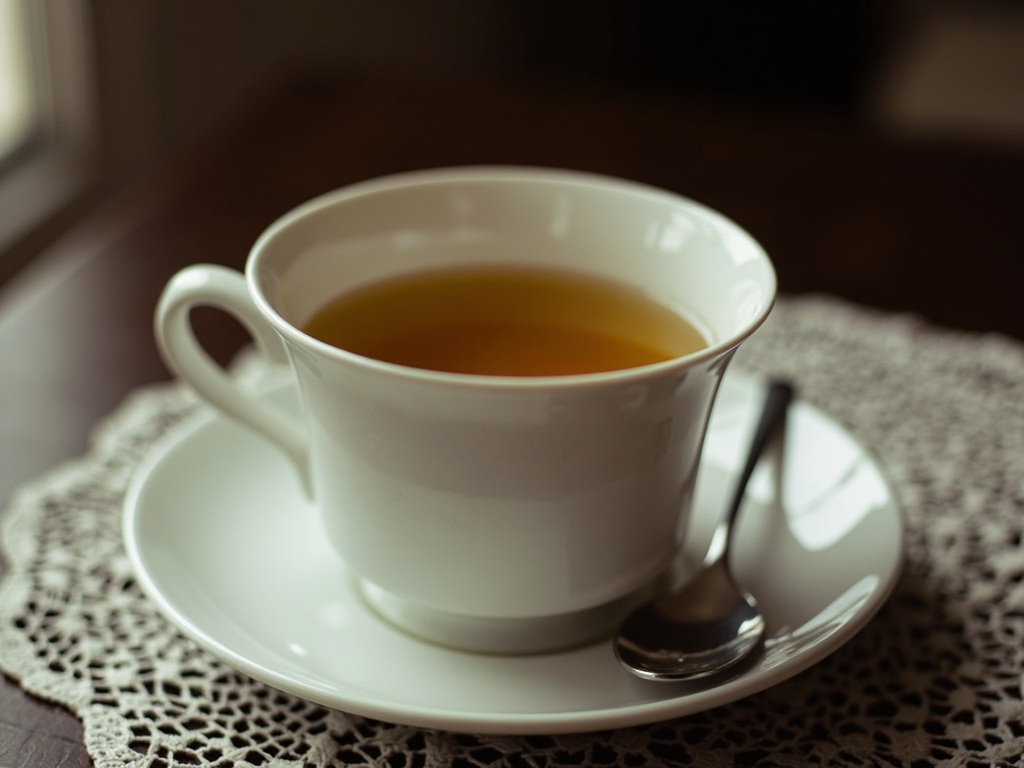
A concentrated beef broth, clear and golden, slowly extracted from lean meat without boiling to preserve all its substance. Served warm, in a cup, by the spoonful.
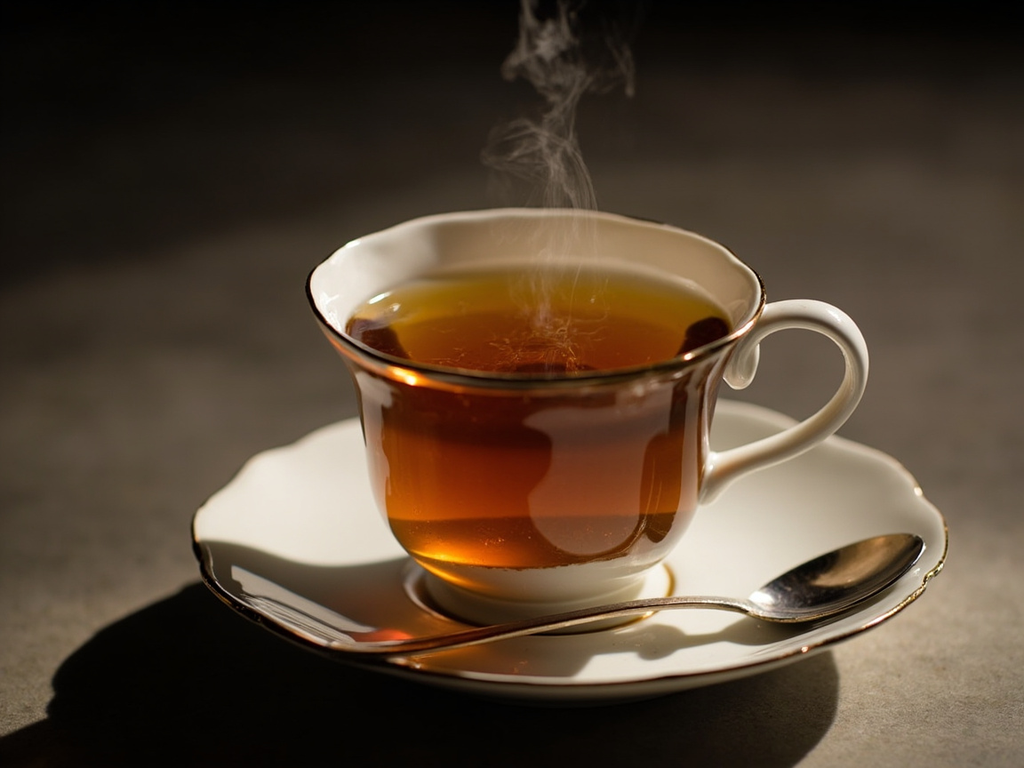
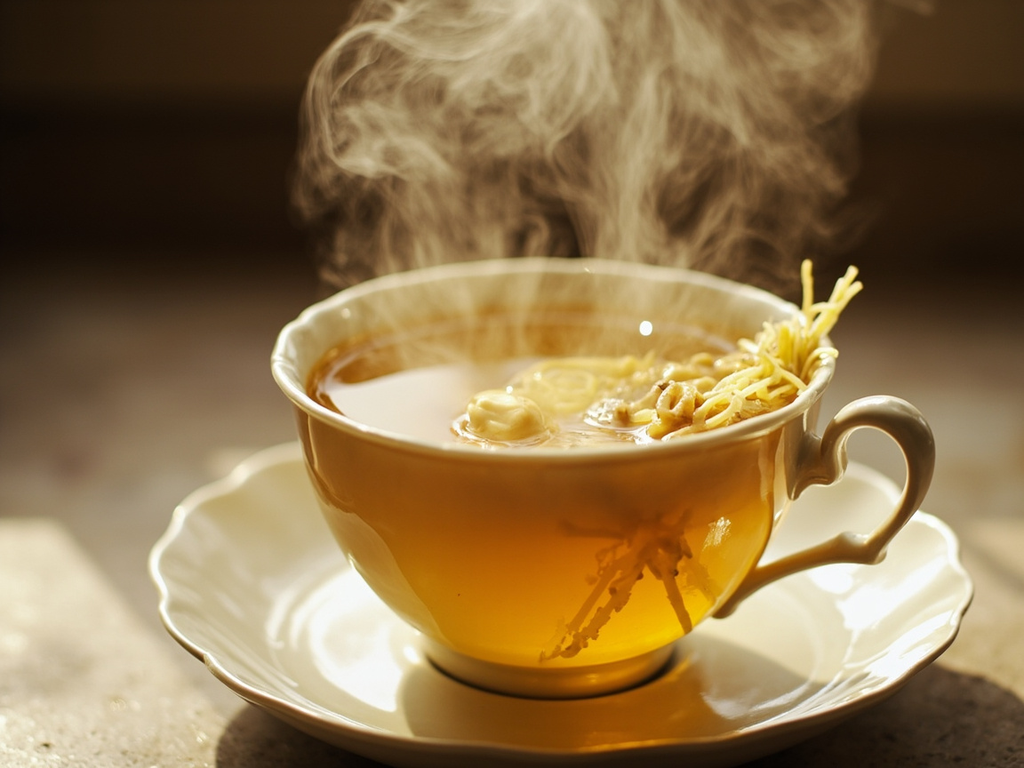
It was brought to me in a porcelain cup, barely steaming, for it must never be allowed to boil: too great a heat spoils its virtue. I took it in small sips between two pages, when the pen wearied me and my chest grew heavy. Believe me, nothing sustains a working mind better than an honest broth drawn from good lean meat and a little salt; the fancies of the kitchen are of no help to one who must husband her strength.
- •Lean beef (shin or round) — a good pound (substance of the broth)
- •Cold water — a pint (extraction)
- •Salt — a pinch (seasoning)
Beef Tea, the Convalescent's Broth
A concentrated beef broth, clear and golden, slowly extracted from lean meat without boiling to preserve all its substance. Served warm, in a cup, by the spoonful.
Why this dish? Suffering from a chest condition in her later years, Harriet followed a convalescent diet of broths and boiled lean meats. Beef tea was THE strengthening remedy that every Victorian household prepared at the bedside of the sick — a near-liquid food meant to restore strength without fatiguing the stomach.
It was brought to me in a porcelain cup, barely steaming, for it must never be allowed to boil: too great a heat spoils its virtue. I took it in small sips between two pages, when the pen wearied me and my chest grew heavy. Believe me, nothing sustains a working mind better than an honest broth drawn from good lean meat and a little salt; the fancies of the kitchen are of no help to one who must husband her strength.
Ingredients (period version)
- Lean beef (shin or round) — a good pound (substance of the broth)
- Cold water — a pint (extraction)
- Salt — a pinch (seasoning)
Ingredients
- Lean beef (shin, chuck) — 500 g (substance of the broth)
- Cold water — 500 ml (extraction)
- Fine salt — 1 pinch (seasoning)
Method
- Finely chop the beef and place it in a jar or saucepan with the cold water.
- Let rest for 30 minutes so the meat begins to release its juices.
- Heat very gently in a bain-marie, never allowing it to simmer: the surface should barely tremble, for 1.5 to 2 hours.
- Strain through a fine cloth, pressing the meat lightly.
- Season sparingly with salt, skim off any fat, and serve warm in a cup.
How it was made : Victorian manuals on sick-room cookery insisted: beef tea must never boil, lest it coagulate the albumen and lose its nutritive qualities. It was prepared in a bain-marie or in a sealed pot placed in a cool oven for hours.
The contemporary twist : Served in a small espresso cup as an amuse-bouche consommé, with a pinch of freshly ground black pepper.
Sources : Isabella Beeton, Mrs Beeton's Book of Household Management, 1861 (chapter on Invalid Cookery) · Florence Nightingale, Notes on Nursing, 1859
Harriet Taylor Mill · Charactorium