Te kai a te iwi — the meal of the Māori community
In pre-literate Māori society, there was no separation into starter, main course, and dessert. The meal was organized around what the forest, sea, and gardens provided, and especially around tapu (the sacred): certain foods were reserved for gods and chiefs, others for daily life. The great communal cooking method was the hāngī, an earth oven where steam from heated stones slowly cooked roots, birds, and fish. Sharing (manaakitanga) mattered as much as what was eaten: feeding a guest honored the ancestors.
Signature : Kūmara and aruhe (fern root)
Two pillars of the traditional Māori table: the sweet potato kūmara, brought by Polynesian ancestors and carefully cultivated under the protection of Rongo, and aruhe, the wild fern root that was roasted and beaten to extract a nourishing paste. These are foods from before any European contact — no wheat, no livestock meat, no products of the New World in the American sense.
Hinetītama at the table
5 period recipes
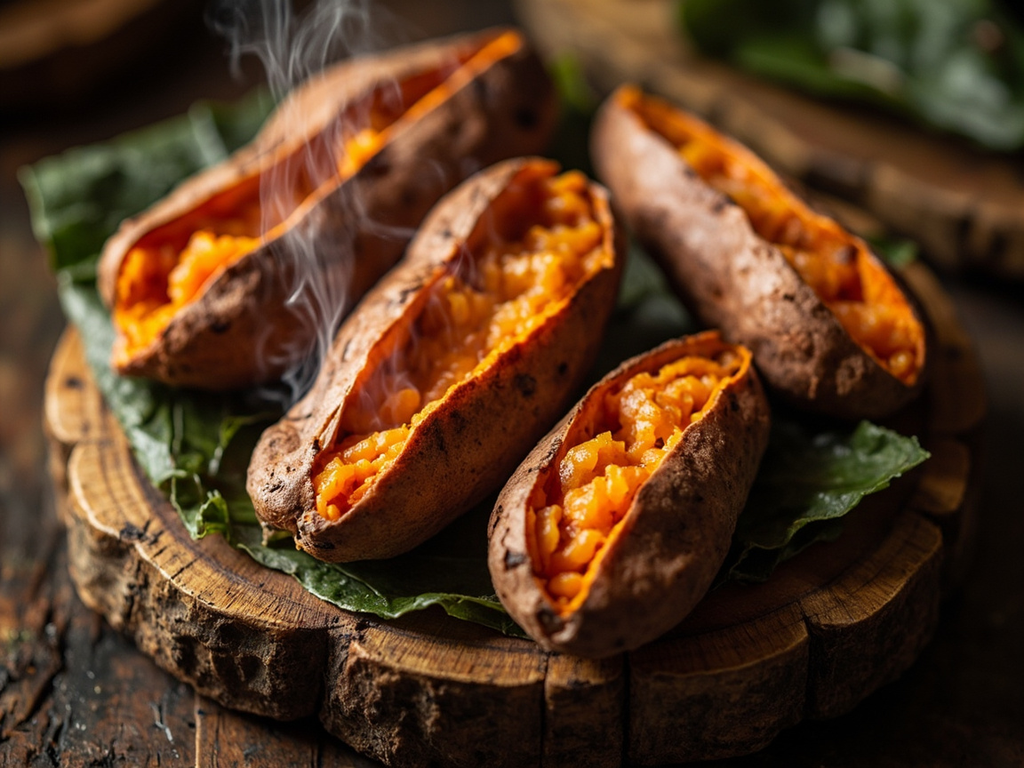 Festive
Kūmara in the hāngī, steamed by the earth
Kai hāngī — earth-oven dish, heart of the feast
🍯 🍄· 1 h
View the recipe
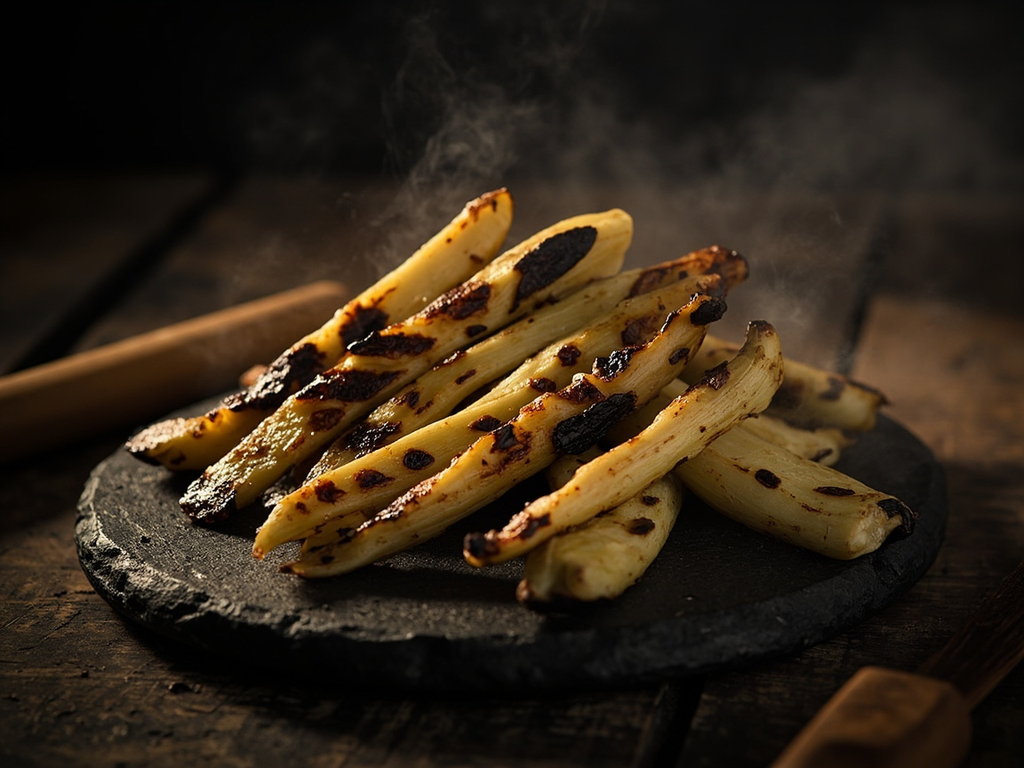 Everyday
Aruhe — roasted and beaten fern root
Kai whenua — staple food of the land, daily fare
☕ 🍄· 30 min
View the recipe
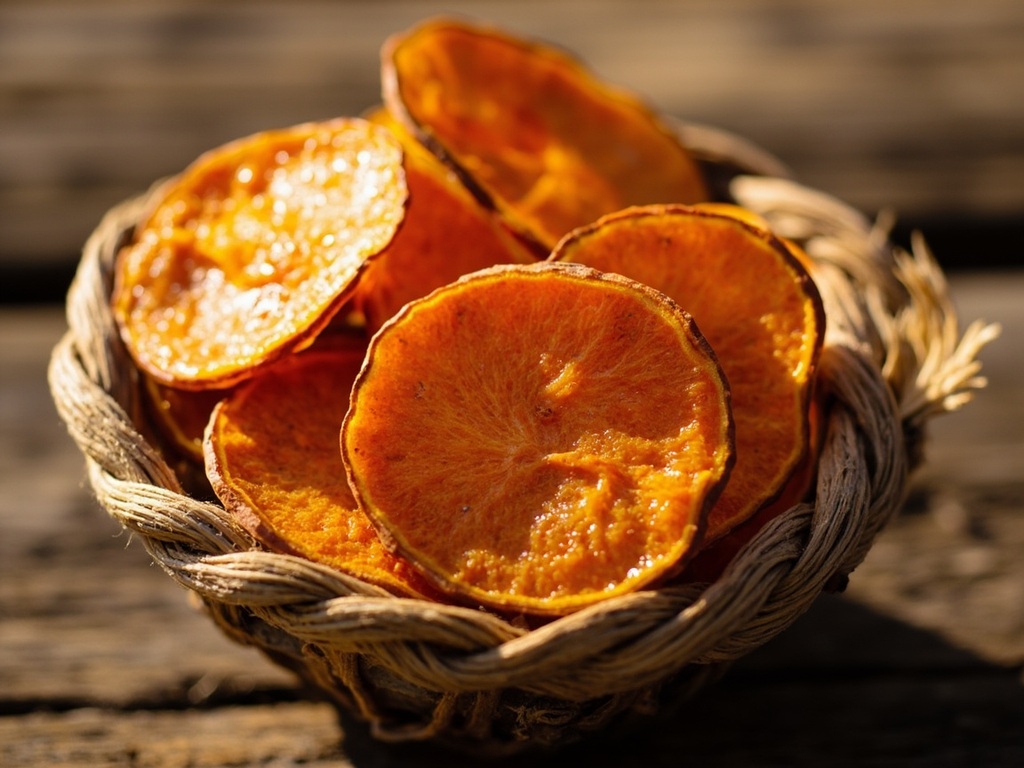 Preserving
Kao — dried kūmara for long journeys
Kai mō te haere — travel and storage provisions
🍯· 8 h (including drying)
View the recipe
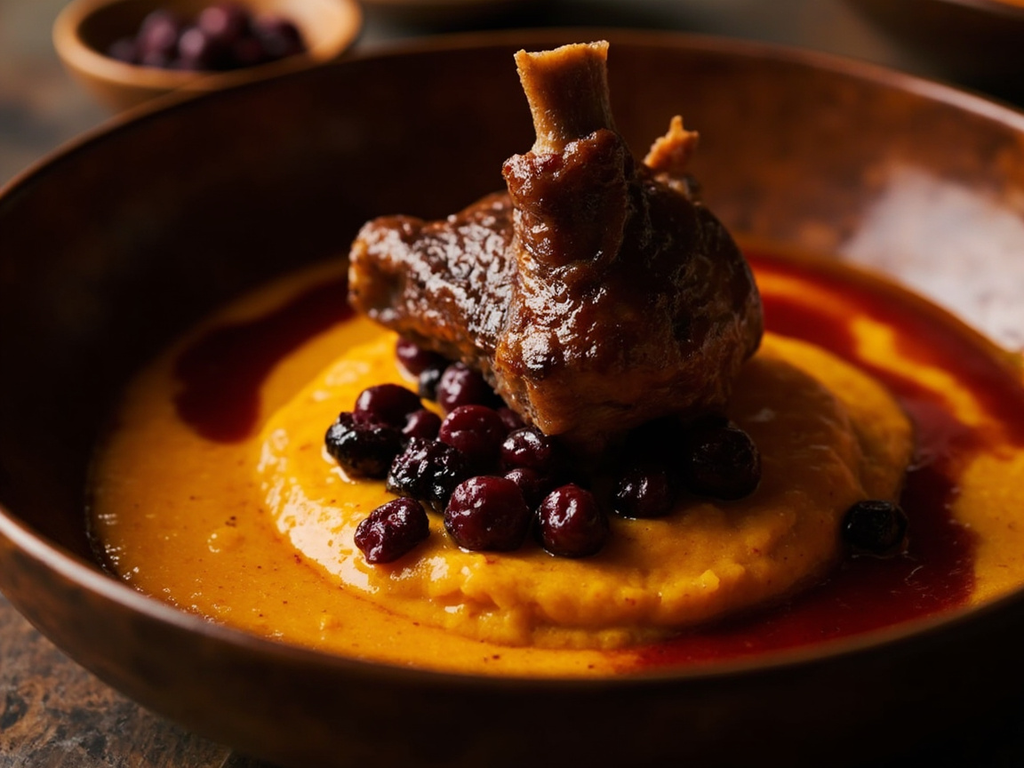 Festive
Manu i te hāngī — forest bird cooked in its fat
Kai rangatira — chief's dish, reserved for great tables
🍄 🧂· 3 h 30
View the recipe
 Drink
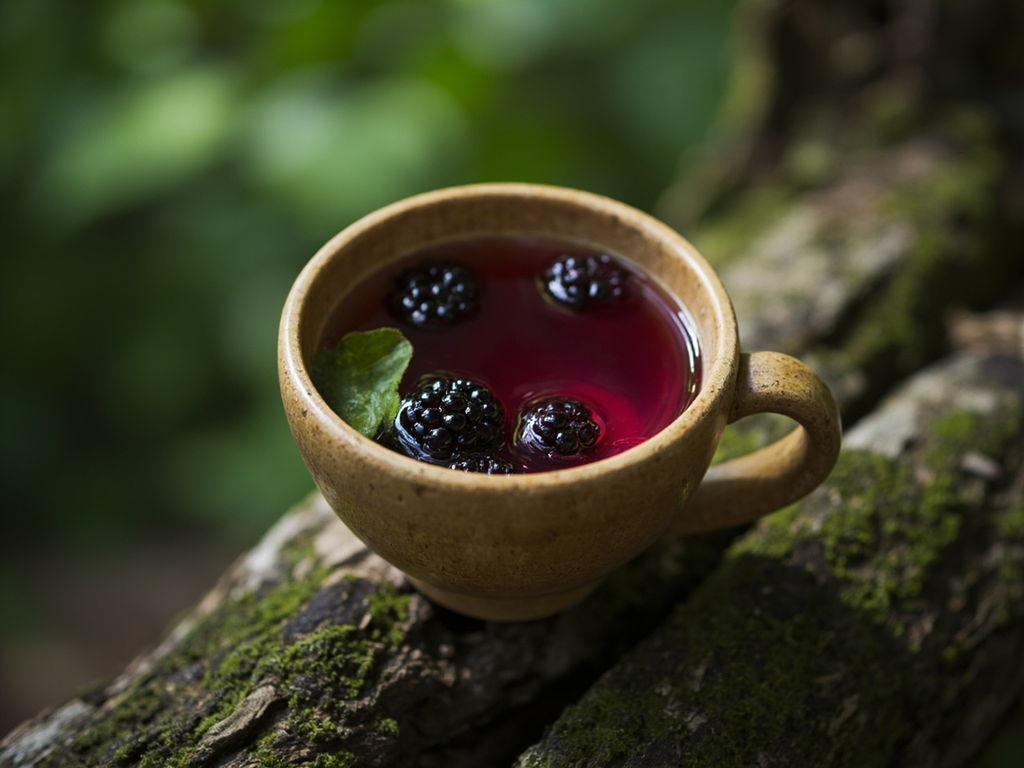
DrinkWai tāwara — infusion of bark and forest berries
Inu — forest beverage, non-alcoholic
🍋 ☕· 15 min
View the recipe