 flip
flipManu i te hāngī — forest bird cooked in its fat
Manu i te hāngī — forest bird cooked in its fat
Why this dish? Tāne, father of Hinetītama, is the god of the forest and all the birds that inhabit it. Honoring the maiden of dawn means offering a gift from her father's domain: the canopy bird, a precious food preserved in its own fat for feasts.
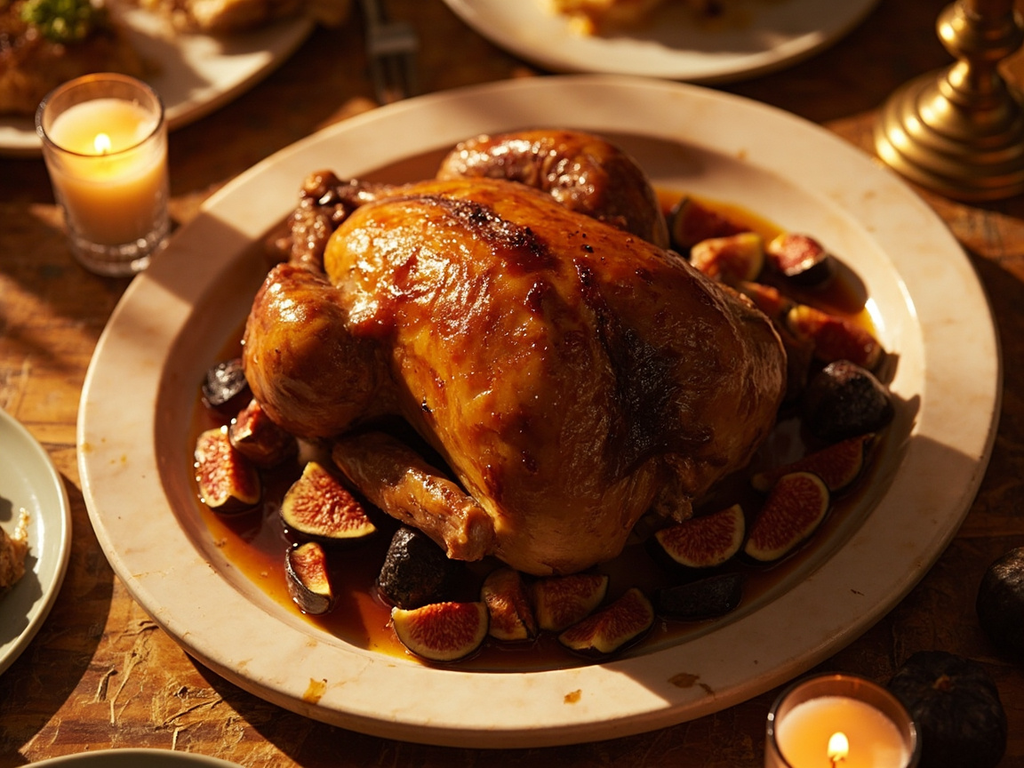
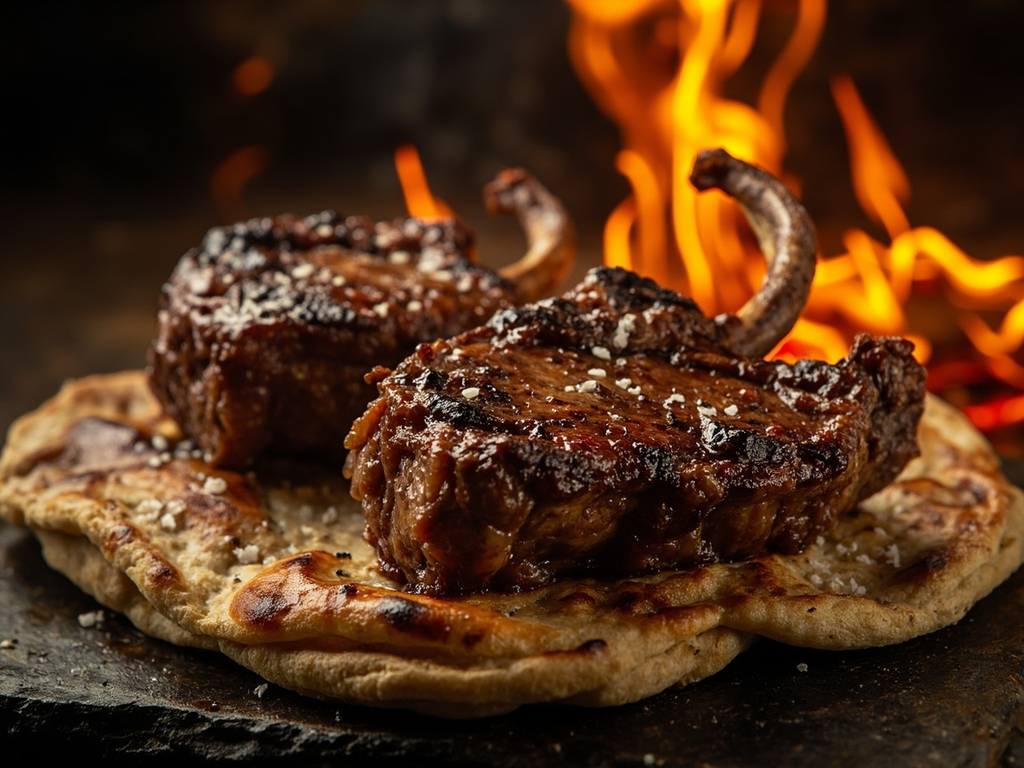
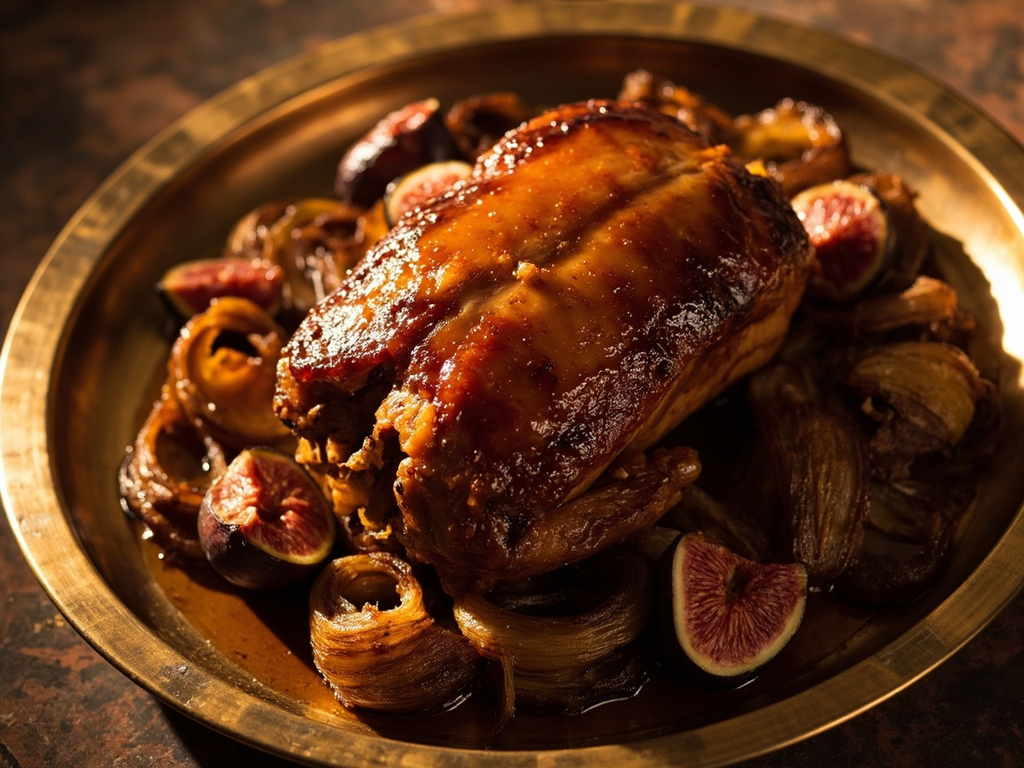
Forest bird (formerly the kererū, Māori pigeon, now protected) slowly cooked in the earth oven then preserved in its rendered fat. Tender, rich and salty flesh, smoky flavored.
Birds are the children of my father Tāne; they are taken only with respect, in season, when they are fat from the forest berries. Cook them long in the earth oven, then place them in their own rendered fat, at the bottom of a gourd: thus kept, they will feed honored guests in the cold season. Offering this bird is offering a piece of the sacred forest — never serve it lightly.
- •Kererū (Māori pigeon) — now protected, do not hunt — several birds (festival meat)
- •Rendered bird fat — enough to cover (cooking and preservation (confit))
- •Calabash (taha) — 1 (storage container)
Manu i te hāngī — forest bird cooked in its fat
Forest bird (formerly the kererū, Māori pigeon, now protected) slowly cooked in the earth oven then preserved in its rendered fat. Tender, rich and salty flesh, smoky flavored.
Why this dish? Tāne, father of Hinetītama, is the god of the forest and all the birds that inhabit it. Honoring the maiden of dawn means offering a gift from her father's domain: the canopy bird, a precious food preserved in its own fat for feasts.
Birds are the children of my father Tāne; they are taken only with respect, in season, when they are fat from the forest berries. Cook them long in the earth oven, then place them in their own rendered fat, at the bottom of a gourd: thus kept, they will feed honored guests in the cold season. Offering this bird is offering a piece of the sacred forest — never serve it lightly.
Ingredients (period version)
- Kererū (Māori pigeon) — now protected, do not hunt — several birds (festival meat)
- Rendered bird fat — enough to cover (cooking and preservation (confit))
- Calabash (taha) — 1 (storage container)
Ingredients
- Duck legs (ethical substitute for protected kererū) — 4 (rich meat)
- Duck fat — 500 g (confit)
- Sea salt — 1 tbsp (salting)
- Juniper berries (evoke forest berries) — 5 (forest aroma)
Method
- Note: the kererū is a protected bird in New Zealand; duck is used here, similar in richness.
- Salt the duck legs with the salt and crushed juniper berries, let rest 4 h in the fridge.
- Rinse, dry, submerge them in melted duck fat.
- Cook very gently (90 °C in oven or minimal heat) 2 h 30 to 3 h, until the meat falls off the bone.
- To preserve in the old way, keep the legs covered in fat in a jar in the fridge; reheat before serving, skin crispy.
How it was made : The Māori preserved fat forest birds (kererū, kākā, tūī) by cooking them then immersing them in their own fat in sealed calabashes (huahua) — a confit technique that kept them for months. This was prestige food, traded and offered at feasts.
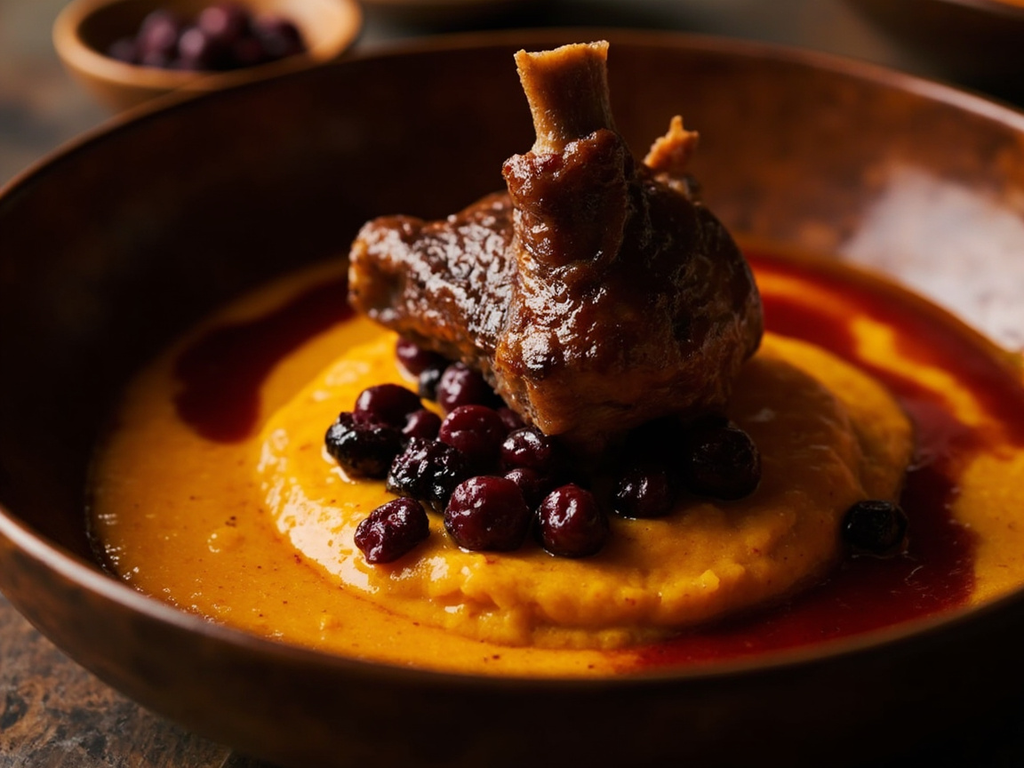
The contemporary twist : Plate the shredded confit leg on a kūmara purée, a few fresh berries: a "forest confit" that tells of Tāne's canopy.
Sources : Best, Elsdon, Forest Lore of the Maori, 1942 · Hiroa, Te Rangi (Peter Buck), The Coming of the Maori, 1949
Hinetītama · Charactorium