Kai māori (Māori meal)
The traditional Māori meal does not follow a sequential service. Kai (food) is shared collectively: kai moana (seafood), kai hua whenua (produce of the land such as kumara and aruhe), and meats roasted or cooked in a hāngi (earth oven). At hākari (feasts), all dishes are presented together on woven mats. Social hierarchy determines who eats first — the rangatira (chief) and his distinguished guests. Food is sacred (tapu) during preparation and becomes noa (accessible) once cooked.
Signature : The hāngi (Māori earth oven)
Ancestral Polynesian technique: a pit dug in the earth, lined with red-hot volcanic stones, where food wrapped in leaves is steamed for hours. The hāngi imparts a unique smoky, earthy flavor, and remains the emblematic technique of Māori cuisine. In Hone Heke's time, the hāngi served both daily meals and great hākari (feasts) marking alliances, victories, or the welcoming of important visitors.
Hone Heke at the table
1807 — 1850
5 period recipes
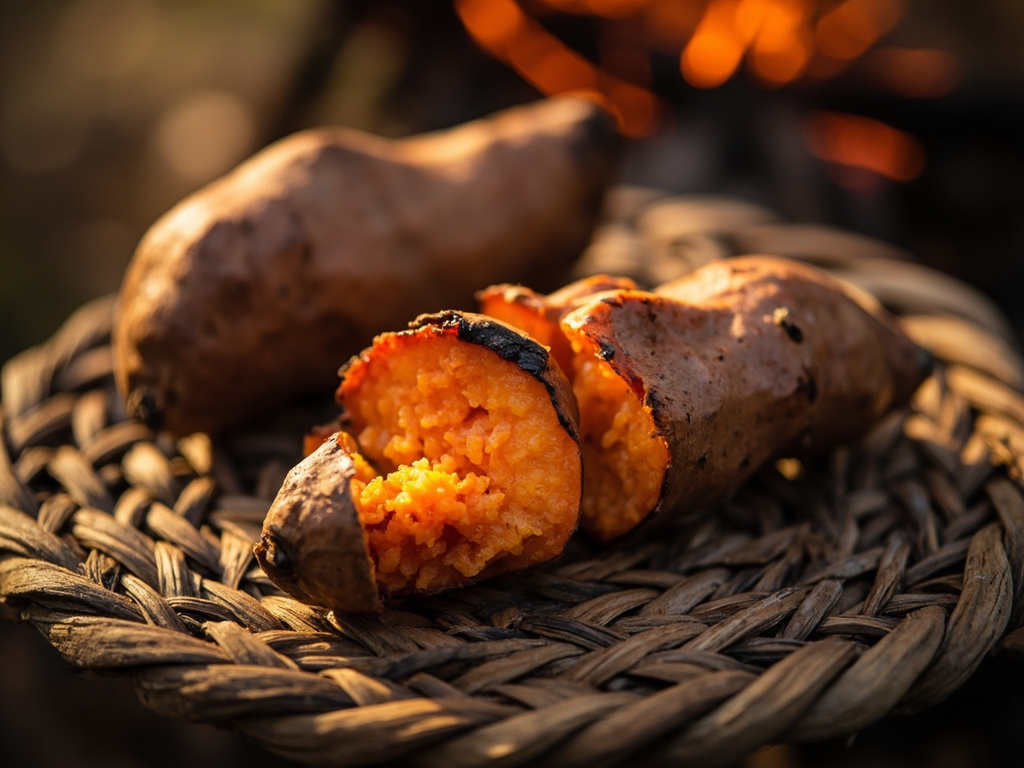 Everyday
Kumara rōhi (Fire-roasted kumara)
Kai hua whenua (food of the land)
🍯· 60 min
View the recipe
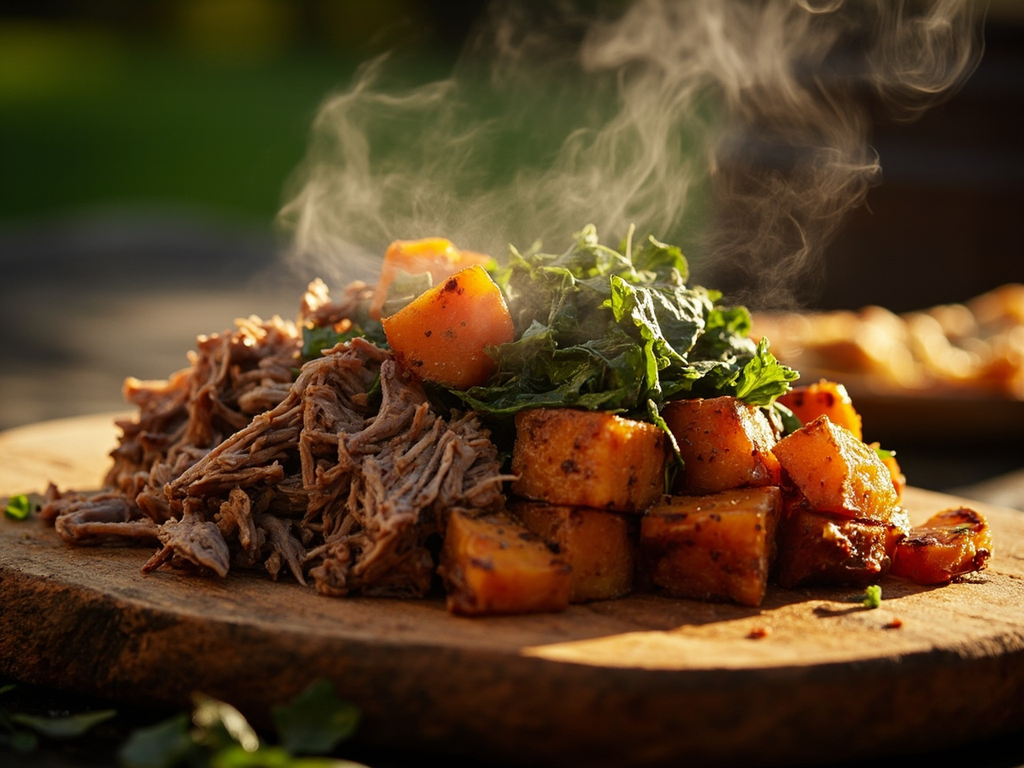 Festive
Hāngi kai (Pork and kumara in an earth oven)
Hākari (collective feast)
🧂 🍄 🍯· 4 h 30 (including 4 h cooking)
View the recipe
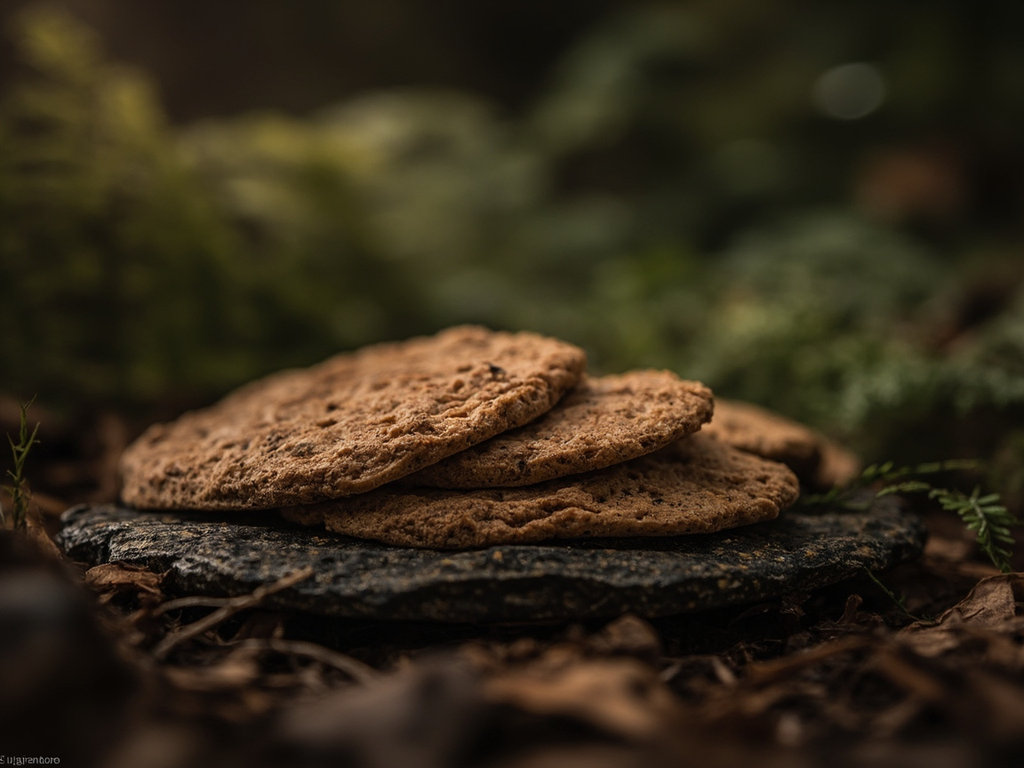 Travel
Aruhe tuki (Pounded fernroot patty)
Kai haerenga (travel and field food)
☕· 30 min
View the recipe
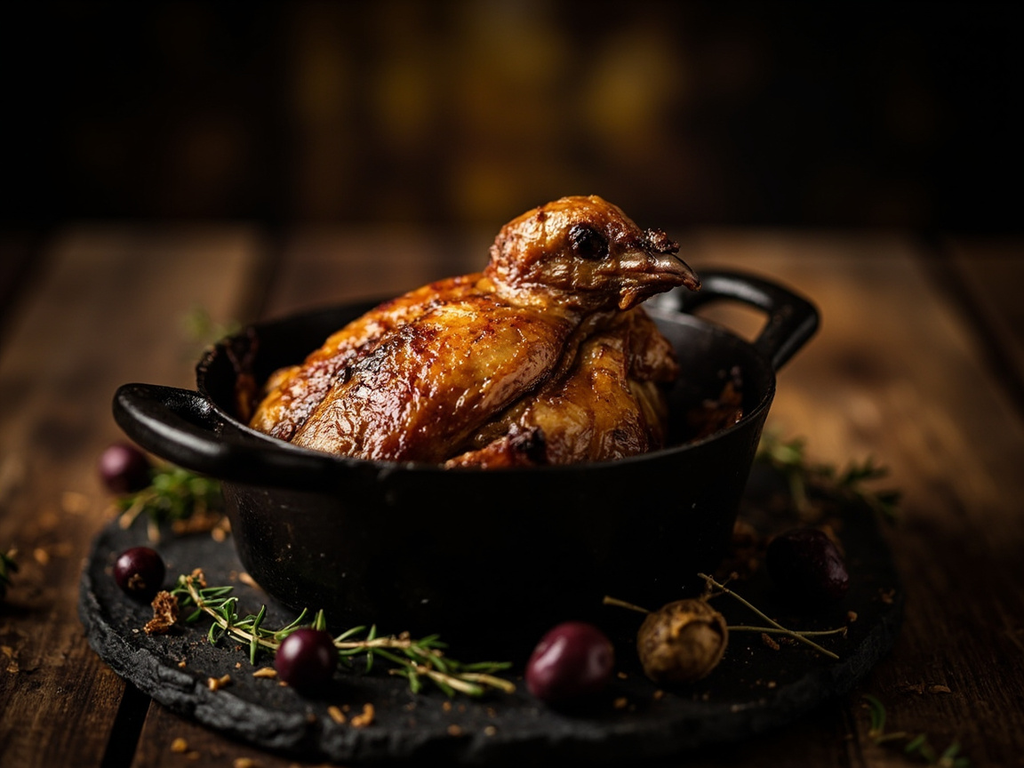 Festive
Kererū tunu (Roasted wood pigeon)
Kai manu (bird food — game)
🍄 🧂· 1 h
View the recipe
 Preserving
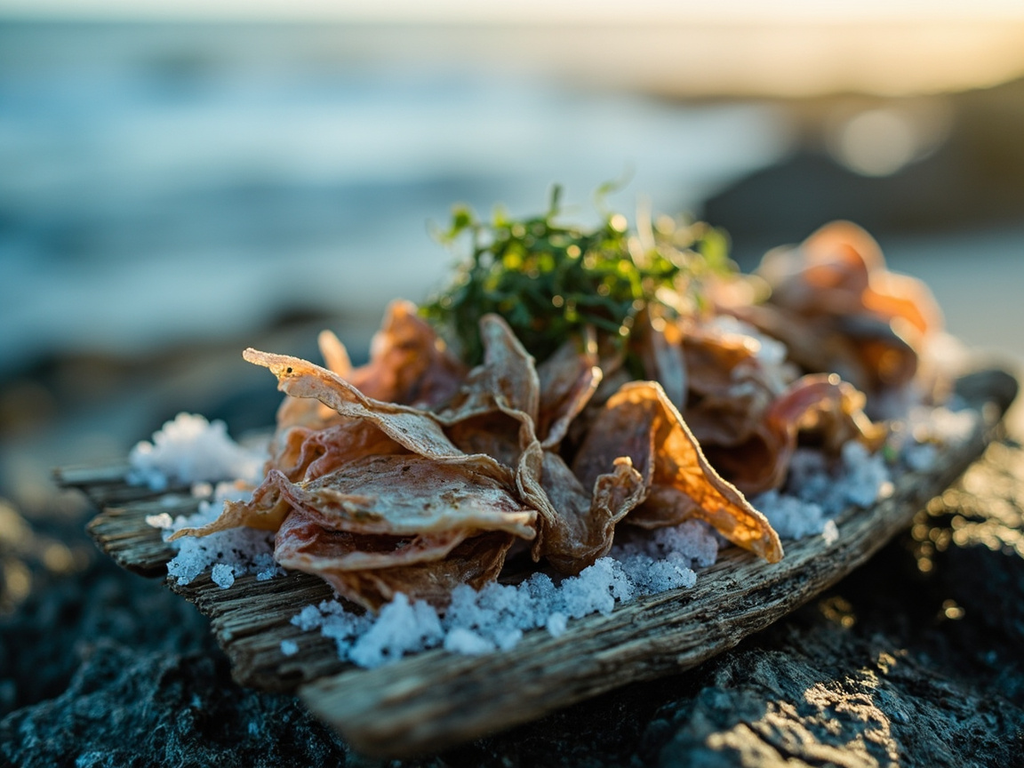
Kai moana pawhara (Wind-dried seafood)
Kai moana (food of the sea)
🧂 🍄 🫙· 30 min active + 24-48 h drying
View the recipe