 flip
flipKererū tunu (Roasted wood pigeon)
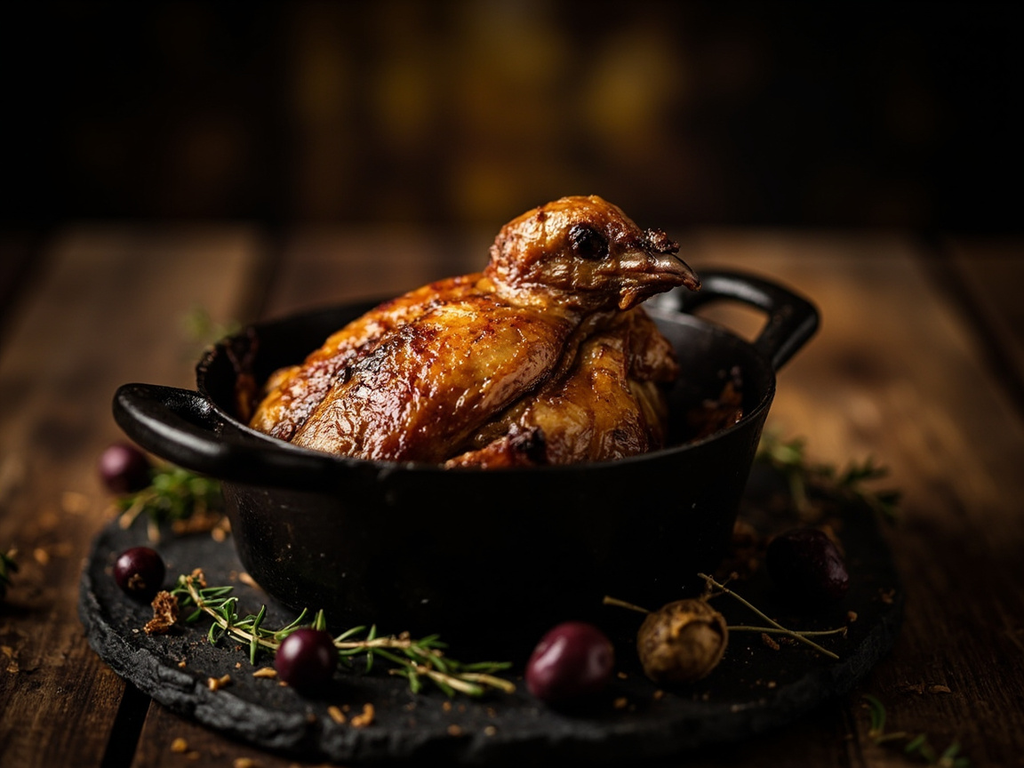
Kererū tunu (Roasted wood pigeon)
Why this dish? The kererū (New Zealand wood pigeon) was the most prized bird of Ngāpuhi chiefs, hunted in the forests of the Bay of Islands. Offering kererū at a hākari was a gesture of great prestige. Hone Heke, as a rangatira, received the best portions of the hunt. The fat bird from the berry season was a luxury food, reserved for special occasions.
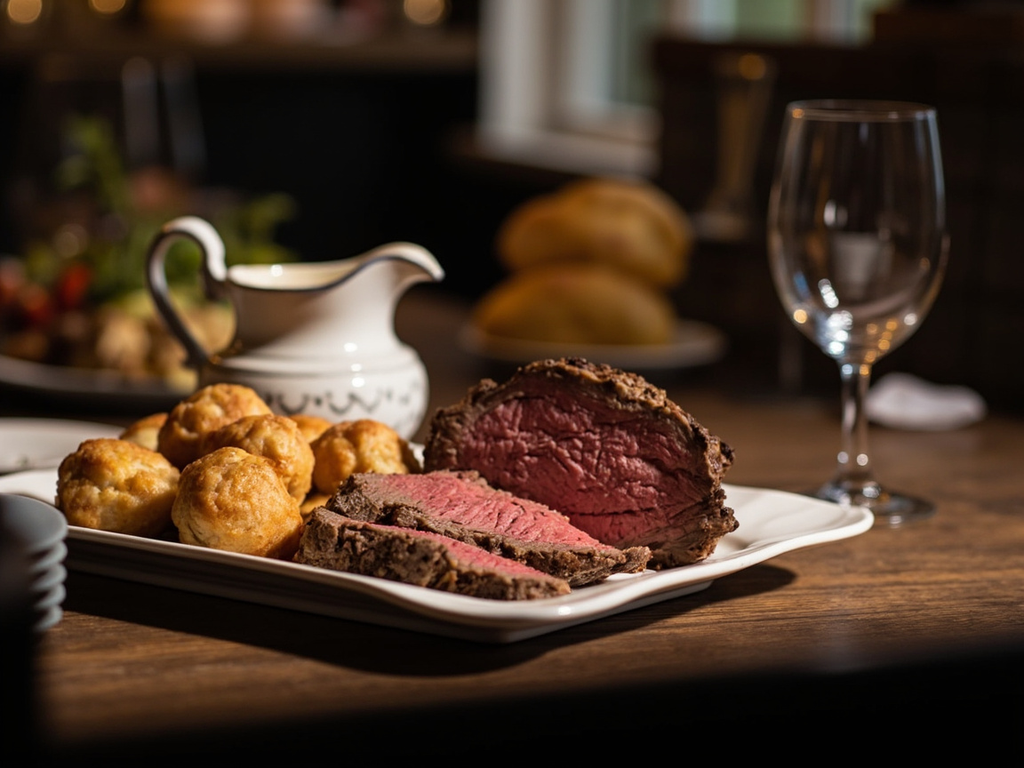
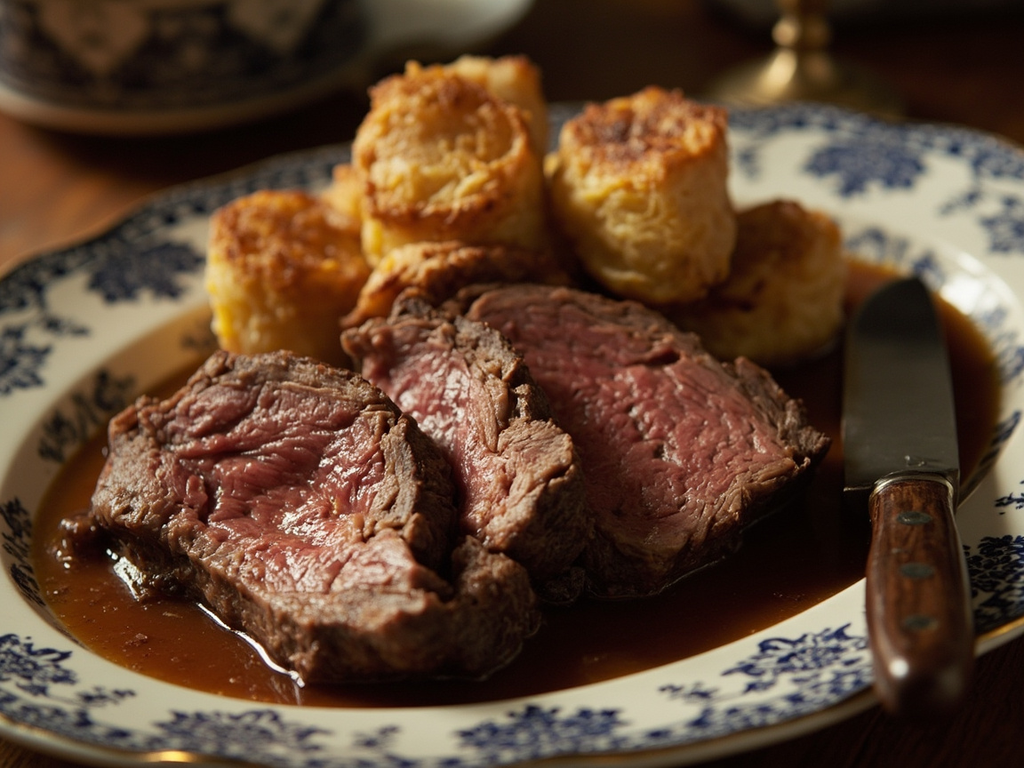
Wood pigeon slowly roasted, traditionally trapped in kahikatea forests and preserved in its own fat (huahua). A fleshy, fatty bird when feeding on berries, its rich, flavorful meat was the most prestigious dish on a rangatira's table.
The kererū — that is the true kai of a rangatira. When the kahikatea berries ripen and the birds are heavy with fat, my hunters go up into the forest with their tāhū. A good hunter brings back twenty birds in a day. We roast them over the fire, and the fat runs, golden as amber. When allied chiefs come to my pā, it is kererū I offer them — not the Pākehā's pork. It is our kai, from our forest, from our whenua. A man who eats the kererū of my lands knows he is my guest.
- •Kererū (wood pigeon) — One per guest (Main game)
- •Kererū fat (huahua) — Rendered during cooking (Cooking juice and preservation)
Kererū tunu (Roasted wood pigeon)
Wood pigeon slowly roasted, traditionally trapped in kahikatea forests and preserved in its own fat (huahua). A fleshy, fatty bird when feeding on berries, its rich, flavorful meat was the most prestigious dish on a rangatira's table.
Why this dish? The kererū (New Zealand wood pigeon) was the most prized bird of Ngāpuhi chiefs, hunted in the forests of the Bay of Islands. Offering kererū at a hākari was a gesture of great prestige. Hone Heke, as a rangatira, received the best portions of the hunt. The fat bird from the berry season was a luxury food, reserved for special occasions.
The kererū — that is the true kai of a rangatira. When the kahikatea berries ripen and the birds are heavy with fat, my hunters go up into the forest with their tāhū. A good hunter brings back twenty birds in a day. We roast them over the fire, and the fat runs, golden as amber. When allied chiefs come to my pā, it is kererū I offer them — not the Pākehā's pork. It is our kai, from our forest, from our whenua. A man who eats the kererū of my lands knows he is my guest.
Ingredients (period version)
- Kererū (wood pigeon) — One per guest (Main game)
- Kererū fat (huahua) — Rendered during cooking (Cooking juice and preservation)
Ingredients
- Wood pigeon (palombe) or farmed quail — 2 pigeons or 4 quails (Substitute for kererū (protected species))
- Duck fat — 2 tbsp (Cooking fat)
- Juniper berries — 6 crushed berries (Evokes the berries kererū feeds on)
- Fresh thyme — 3 sprigs (Aromatic)
- Sea salt — 1 tsp (Seasoning)
- Black pepper — Freshly ground (Seasoning)
Method
- Remove the pigeons from the refrigerator 30 minutes before cooking. Season inside and out with salt and pepper.
- Preheat the oven to 200 °C.
- In an ovenproof pot, melt the duck fat over high heat. Sear the pigeons on all sides until well browned (about 3 minutes per side).
- Add the crushed juniper berries and thyme sprigs around the pigeons.
- Cover and bake for 25 minutes (pink pigeons) or 35 minutes (well done, more faithful to traditional cooking).
- Let rest for 5 minutes out of the oven, lid ajar. Serve with the cooking juices.
How it was made : The kererū (Hemiphaga novaeseelandiae) was the most important game bird for Māori. Captured using perched traps (tāhū/mutu) or snares in fruit trees, it was especially fat in autumn when gorging on kahikatea, miro, and tawa berries. A preservation technique involved cooking it and sealing it in its own rendered fat in bark containers (huahua) — a Māori confit. European observers in the 1830s-1840s report that Ngāpuhi chiefs of the Bay of Islands offered preserved kererū as a diplomatic gift of great value. The kererū is now a protected species in New Zealand and can no longer be hunted.
The contemporary twist : Serve on a bed of wild watercress (echoing pūhā) with a few fresh berries (blueberries or blackberries) reminiscent of the forest berries the kererū gorged on.
Sources : Best, Elsdon. “Forest Lore of the Maori”. Dominion Museum Bulletin, no. 14, 1942. · Orbell, Margaret. The Natural World of the Maori. Auckland: Collins, 1985. · Polack, Joel Samuel. Manners and Customs of the New Zealanders. London, 1840.
Hone Heke · Charactorium