 flip
flipKai moana pawhara (Wind-dried seafood)
Kai moana pawhara (Wind-dried seafood)
Why this dish? Hone Heke lived in the Bay of Islands, one of the richest seafood areas in New Zealand. Kororāreka (Russell), where he cut down the British flagpole, was a fishing port. Drying fish and shellfish in the wind and sun was the main preservation method of coastal Māori, allowing them to store supplies for winter and military campaigns.
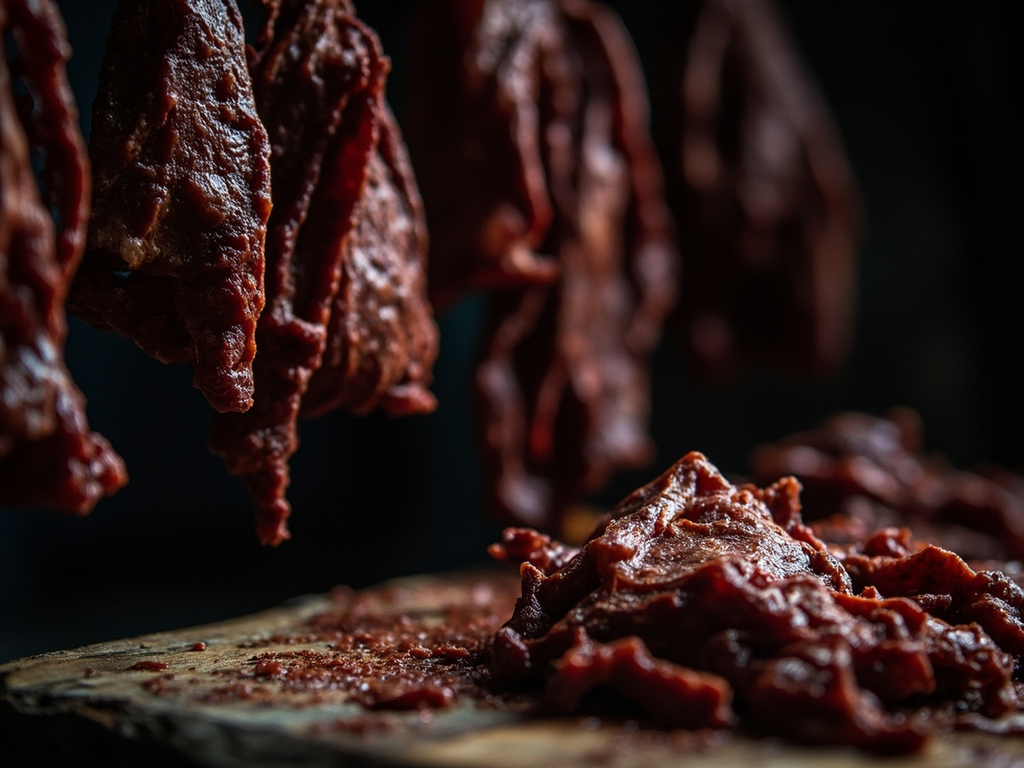
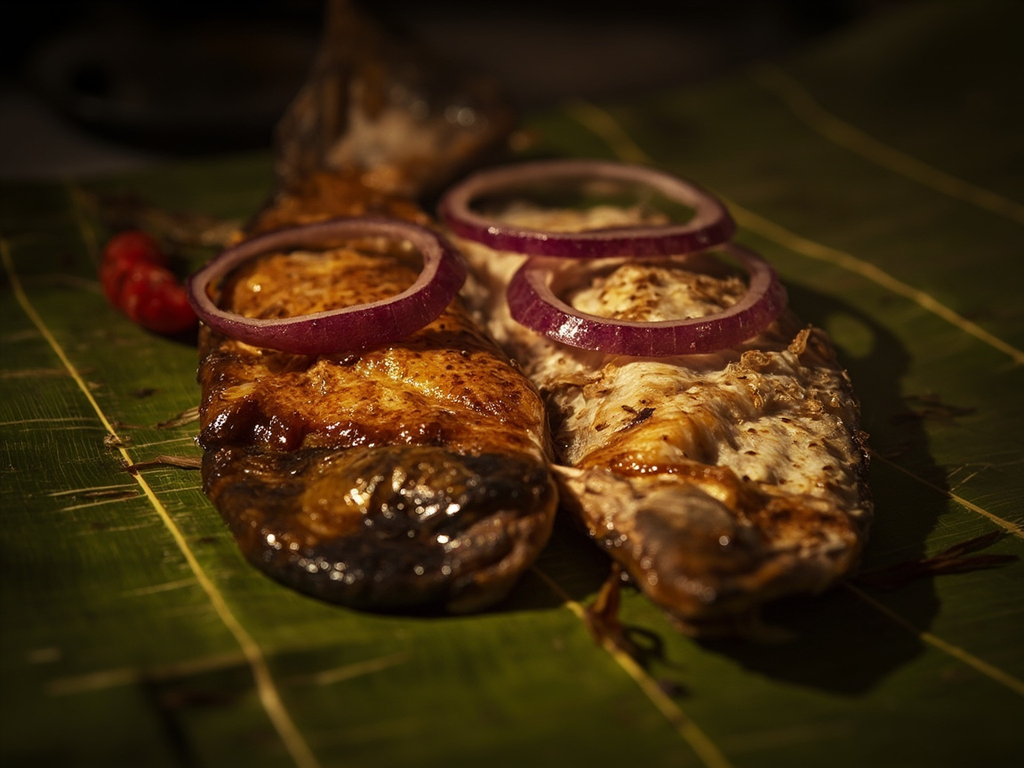
Fish and shellfish opened, salted with seawater, and dried in the sea breeze on wooden racks. This preparation concentrates the iodized flavors and develops a deep umami note over time. It is the sustainable pantry of coastal Māori, especially the Ngāpuhi of the Bay of Islands.
The sea of the Bay of Islands has never refused its treasures to the Ngāpuhi. My women spread the fish on racks above the beach, the wind does the work. When the sun and wind have hardened the flesh, it keeps for whole moons. Before going to cut the Pākehā's flagpole at Kororāreka, each warrior carried his packet of dried fish tied in a piece of flax. The sea feeds, the sea preserves — and we, the Ngāpuhi, we are the children of that sea.
- •Fresh fish (snapper, mullet or shark) — Several pieces (Base)
- •Seawater — For soaking (Natural salting)
- •Shellfish (mussels, abalone / pāua) — In quantity (Complement)
Kai moana pawhara (Wind-dried seafood)
Fish and shellfish opened, salted with seawater, and dried in the sea breeze on wooden racks. This preparation concentrates the iodized flavors and develops a deep umami note over time. It is the sustainable pantry of coastal Māori, especially the Ngāpuhi of the Bay of Islands.
Why this dish? Hone Heke lived in the Bay of Islands, one of the richest seafood areas in New Zealand. Kororāreka (Russell), where he cut down the British flagpole, was a fishing port. Drying fish and shellfish in the wind and sun was the main preservation method of coastal Māori, allowing them to store supplies for winter and military campaigns.
The sea of the Bay of Islands has never refused its treasures to the Ngāpuhi. My women spread the fish on racks above the beach, the wind does the work. When the sun and wind have hardened the flesh, it keeps for whole moons. Before going to cut the Pākehā's flagpole at Kororāreka, each warrior carried his packet of dried fish tied in a piece of flax. The sea feeds, the sea preserves — and we, the Ngāpuhi, we are the children of that sea.
Ingredients (period version)
- Fresh fish (snapper, mullet or shark) — Several pieces (Base)
- Seawater — For soaking (Natural salting)
- Shellfish (mussels, abalone / pāua) — In quantity (Complement)
Ingredients
- Firm white fish fillets (cod, pollock) — 500 g (Base)
- Coarse sea salt — 50 g (Salting)
- Fresh mussels — 500 g (Seafood)
- Lemon juice — 2 tbsp (Seasoning at serving)
Method
- Rinse the fish fillets under cold water. Pat dry thoroughly with paper towels.
- Rub each fillet with the coarse salt on all sides. Place on a rack over a dish and refrigerate uncovered for 12 hours (the salt draws out moisture).
- Briefly rinse the fillets to remove excess salt. Pat dry.
- Place on a rack and refrigerate uncovered for 24 to 48 hours, turning once (the cold, dry air of the fridge simulates wind drying).
- Meanwhile, steam open the mussels (2-3 minutes in a covered pot with a splash of water). Remove from shells.
- Arrange the cooked mussels on another rack and dry them in the same way in the refrigerator for 24 hours.
- Serve the dried fish sliced thinly and the dried mussels as is, with a squeeze of lemon.
How it was made : Drying (pawhara) was the main preservation method of coastal Māori. Fish were opened, gutted, and hung on racks (whata) exposed to the prevailing wind. Shellfish (pipi, tuatua, pāua) were removed from their shells and threaded onto flax cords (muka) to dry. Missionaries in the Bay of Islands in the 1830s-1840s describe Ngāpuhi villages where hundreds of fish dried in the wind on wooden structures. This dried fish was an important trade item between coastal and inland tribes.
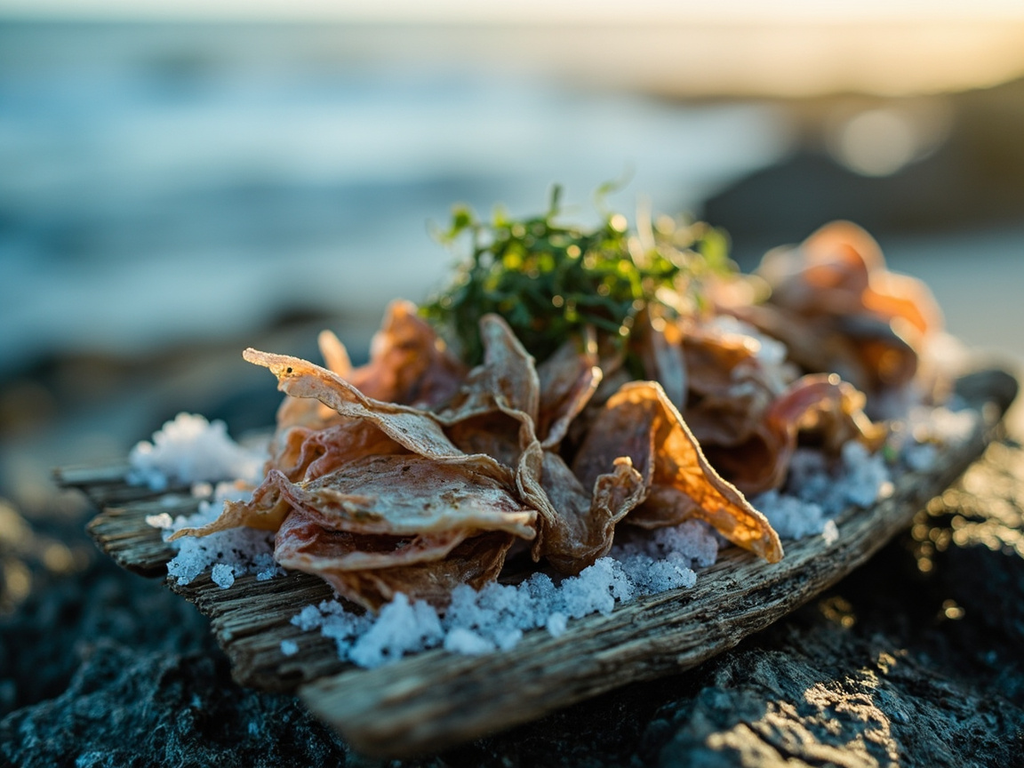
The contemporary twist : Present the dried fish in thin strips on a bed of fresh seaweed (wakame), like smoked sashimi, with the dried mussels arranged like pearls — a plate evoking the marine abundance of the Bay of Islands.
Sources : Best, Elsdon. “Fishing Methods and Devices of the Maori”. Dominion Museum Bulletin, no. 12, 1929. · Anderson, Atholl. “The Welcome of Strangers: An Ethnohistory of Southern Maori”. Otago University Press, 1998. · Cruise, Richard A. Journal of a Ten Months' Residence in New Zealand. London: Longman, 1823.
Hone Heke · Charactorium