 flip
flipSopas de ajo — Garlic and Bread Soup
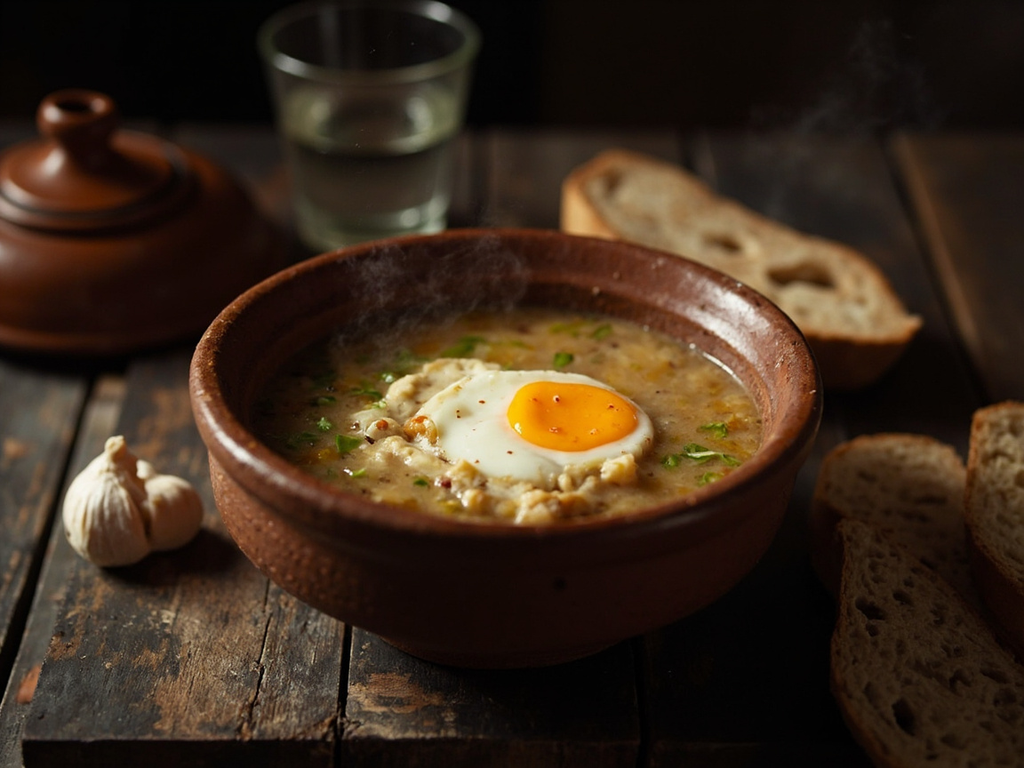
Sopas de ajo — Garlic and Bread Soup
Why this dish? Ignatius ate simply, constrained by his gallstones and stomach ailments: broths, vegetables, bread, little wine. This Castilian soup of garlic and stale bread — hot, light, no red meat — is exactly the kind of austere pittance that suited his penitent table as well as the poor he served.
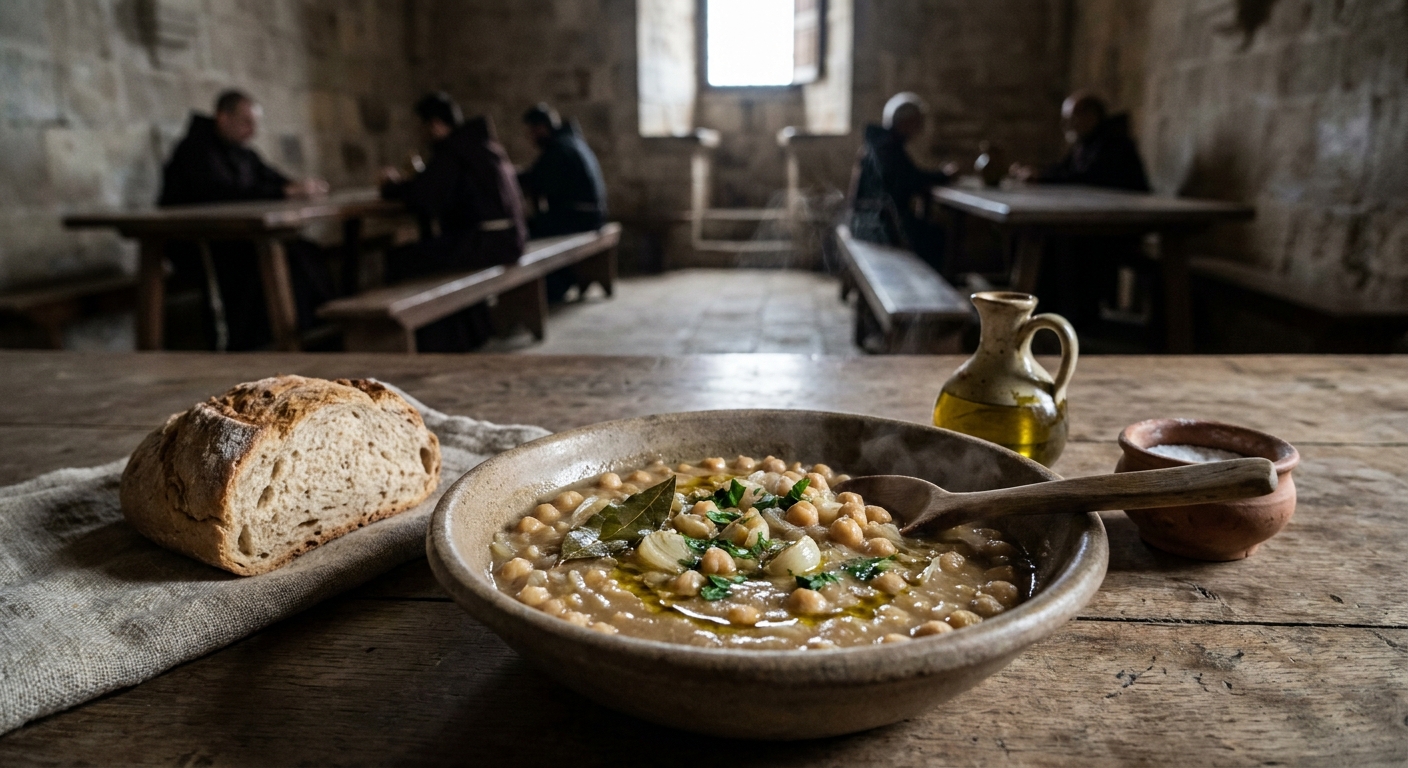
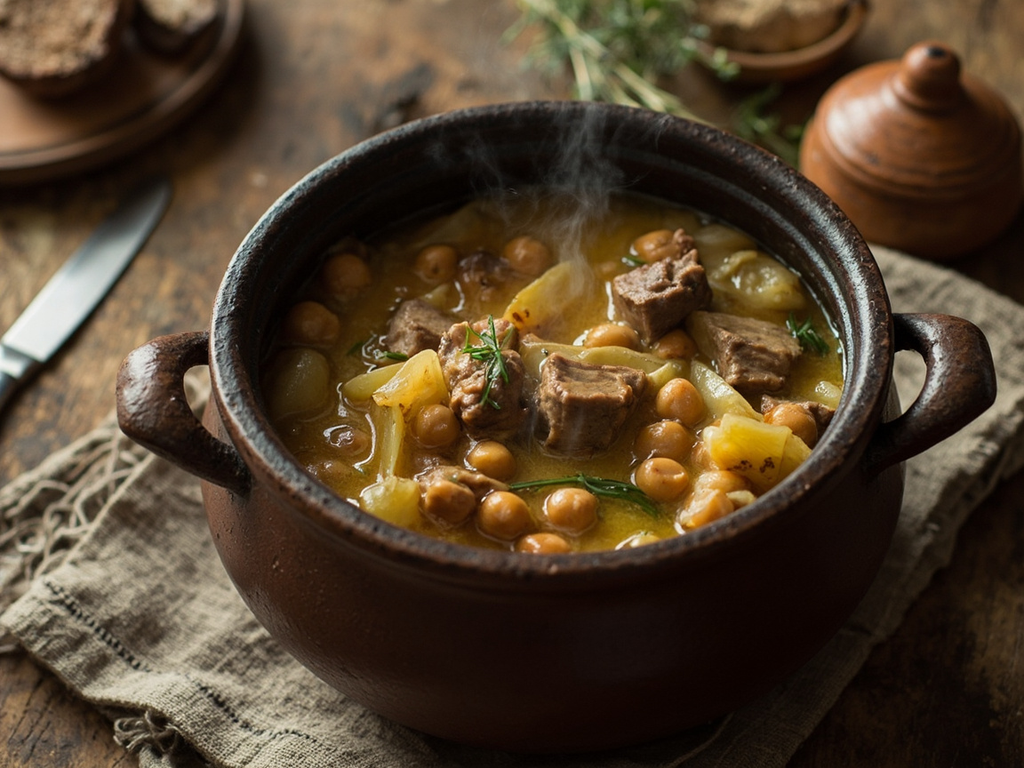
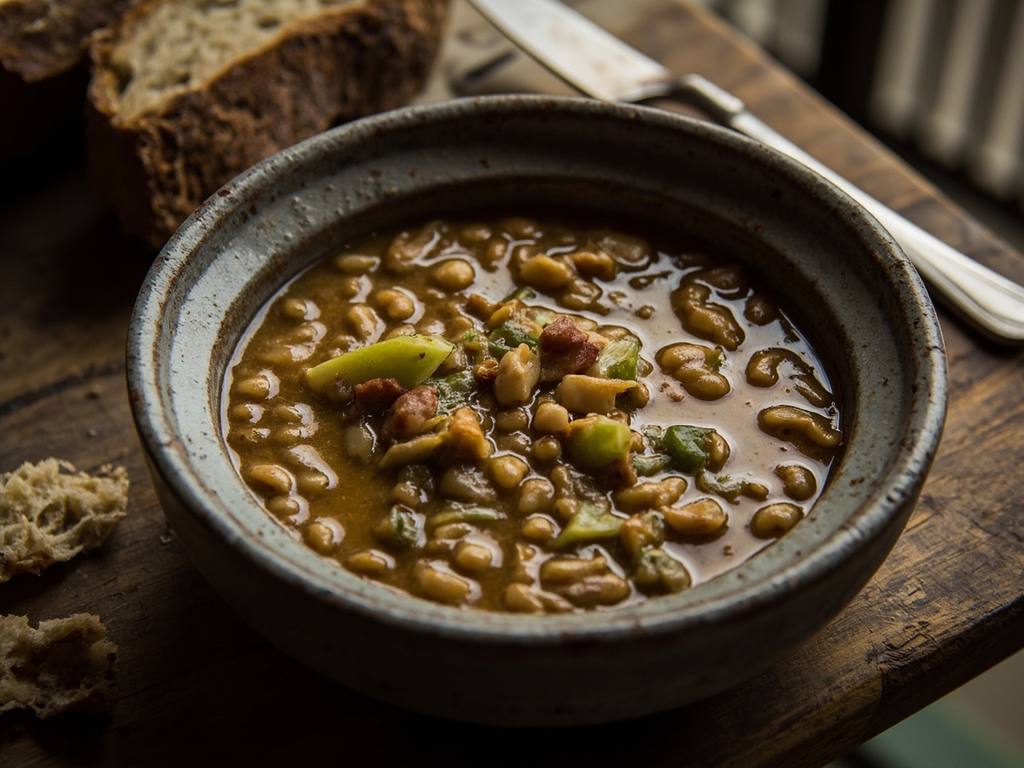
A humble and comforting soup: garlic browned in olive oil, hard bread revived in hot water, sometimes bound with an egg. The dish of the poor and the devout, which satisfies for next to nothing.
Come closer, and do not scorn this poor man's soup. Once, when I carried a sword, I wanted meats and wine; but the Lord broke my pride with the leg, then the stomach. See: a little garlic in oil, bread that others would throw away, hot water — and we give thanks. My doctors cried that I was killing myself with fasting; I say a man is first nourished by obedience, and the body follows as it can.
- •Stale bread (wheat or rye) — a few hard slices (nourishing base)
- •Garlic — several cloves (flavor, signature)
- •Olive oil — a good drizzle (fat)
- •Water or vegetable broth — enough to cover (liquid)
- •Eggs — according to diners (thickener (less lean days))
- •Salt — to taste (seasoning)
Sopas de ajo — Garlic and Bread Soup
A humble and comforting soup: garlic browned in olive oil, hard bread revived in hot water, sometimes bound with an egg. The dish of the poor and the devout, which satisfies for next to nothing.
Why this dish? Ignatius ate simply, constrained by his gallstones and stomach ailments: broths, vegetables, bread, little wine. This Castilian soup of garlic and stale bread — hot, light, no red meat — is exactly the kind of austere pittance that suited his penitent table as well as the poor he served.
Come closer, and do not scorn this poor man's soup. Once, when I carried a sword, I wanted meats and wine; but the Lord broke my pride with the leg, then the stomach. See: a little garlic in oil, bread that others would throw away, hot water — and we give thanks. My doctors cried that I was killing myself with fasting; I say a man is first nourished by obedience, and the body follows as it can.
Ingredients (period version)
- Stale bread (wheat or rye) — a few hard slices (nourishing base)
- Garlic — several cloves (flavor, signature)
- Olive oil — a good drizzle (fat)
- Water or vegetable broth — enough to cover (liquid)
- Eggs — according to diners (thickener (less lean days))
- Salt — to taste (seasoning)
Ingredients
- Stale country bread — 200 g (base)
- Garlic cloves — 4 (signature)
- Olive oil — 4 tbsp (fat)
- Vegetable broth (or water) — 1 liter (liquid)
- Eggs — 2 (thickener)
- Salt — to taste (seasoning)
Method
- Slice the garlic and gently brown it in olive oil, without burning.
- Add the stale bread cut into pieces and let it soak up the oil, stirring.
- Pour in the hot broth, add salt, and simmer for 10–15 minutes until the bread breaks down.
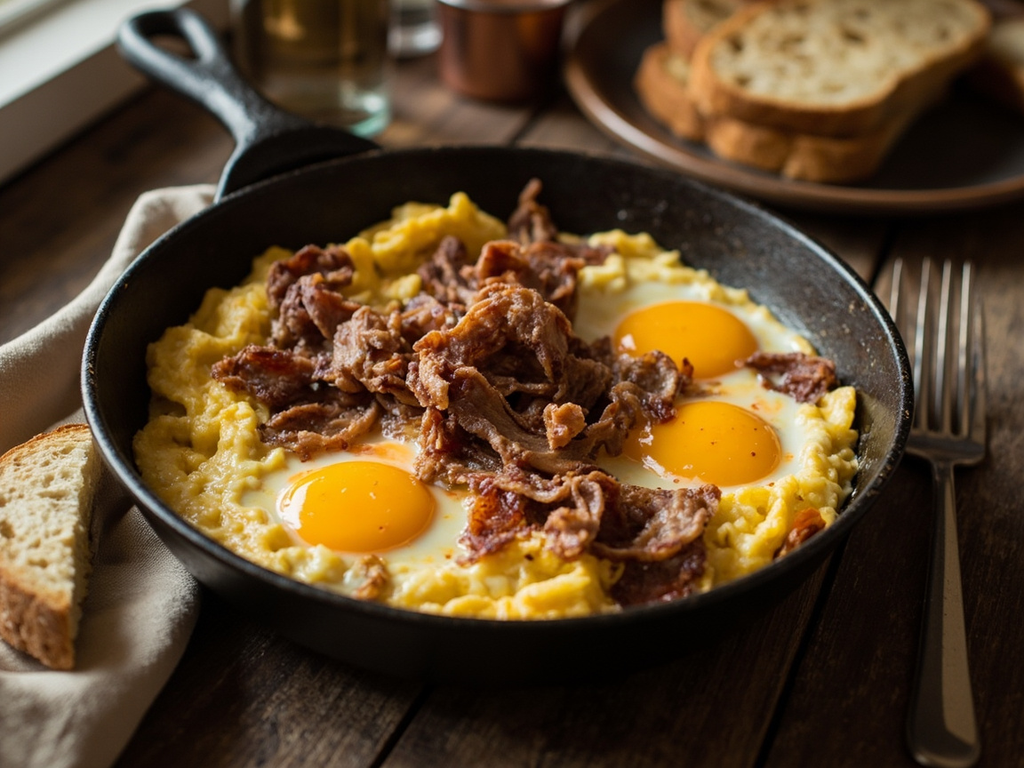
- Off the heat, crack the eggs into the soup and stir (they cook in the heat) or poach them whole.
- Serve very hot in an earthenware bowl.
How it was made : *Sopas de ajo* have been a pillar of modest Castilian cuisine since the Middle Ages: stale bread, a precious commodity, is recycled with garlic and oil, staples always on hand. In religious communities, it was a quintessential lean-day dish. (In Ignatius's time, *pimentón* — paprika from the New World — did not yet exist in these soups: the original version is white.)
The contemporary twist : Serve with a poached egg placed whole in the center and a few drops of raw olive oil: the "ascetic's soup" becomes a comforting bistro dish.
Sources : Ruperto de Nola, Libro de guisados (Libre del Coch), 1525 · Pedro de Ribadeneira, Vida del Padre Ignacio de Loyola, 1583 (on his fasts and health)
Ignatius of Loyola · Charactorium