 flip
flipAgua de anís y ajenjo — Digestive Anise and Wormwood Infusion with Honey
Agua de anís y ajenjo — Digestive Anise and Wormwood Infusion with Honey
Why this dish? Ignatius suffered all his life from gallstones and digestive troubles; his doctors worried about his fasts. Bitter plant infusions — anise, wormwood (*ajenjo*) — sweetened with honey were the classic remedies of the time to soothe the stomach. This drink evokes the care given to a chronic patient of the 16th century.
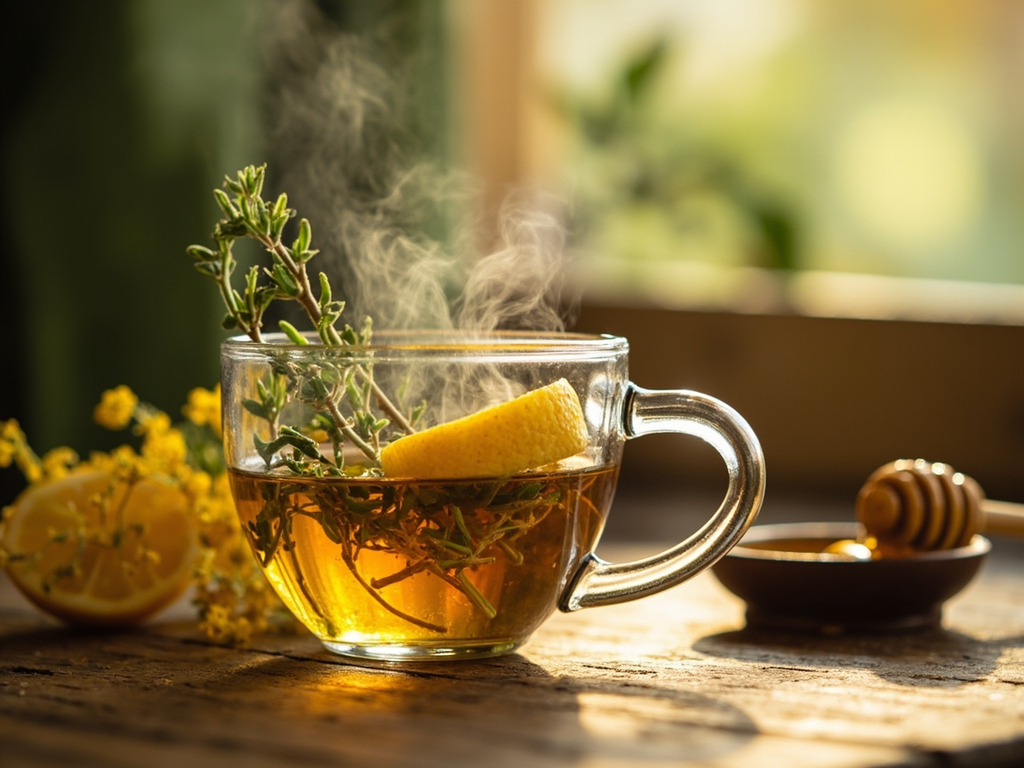
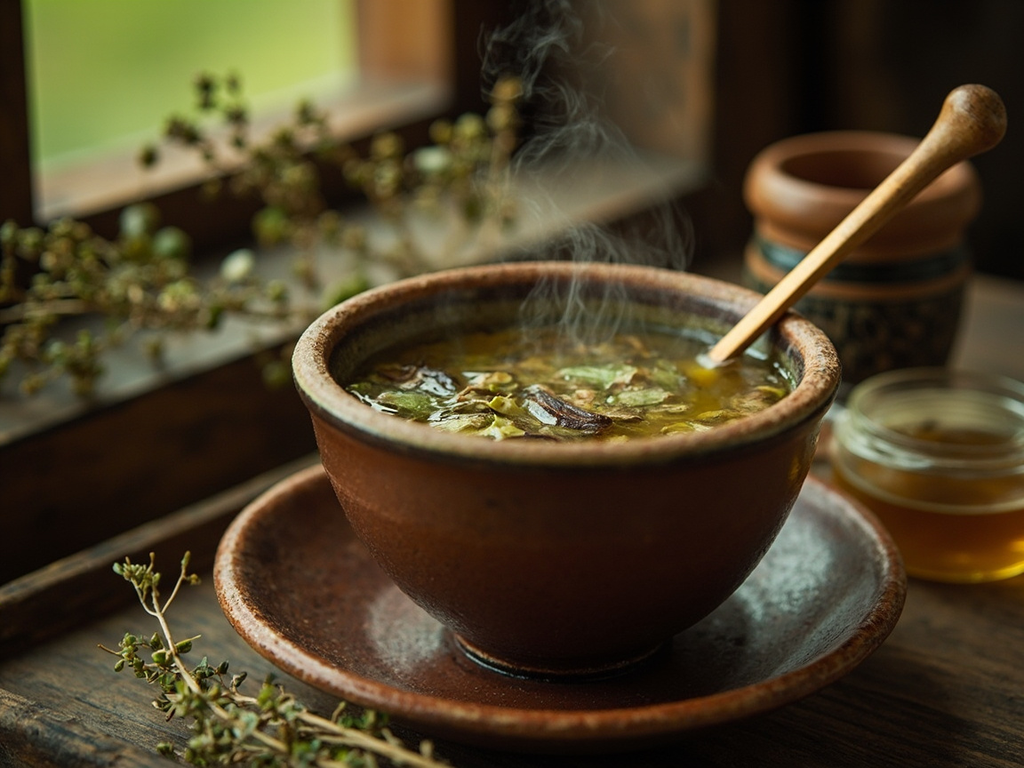
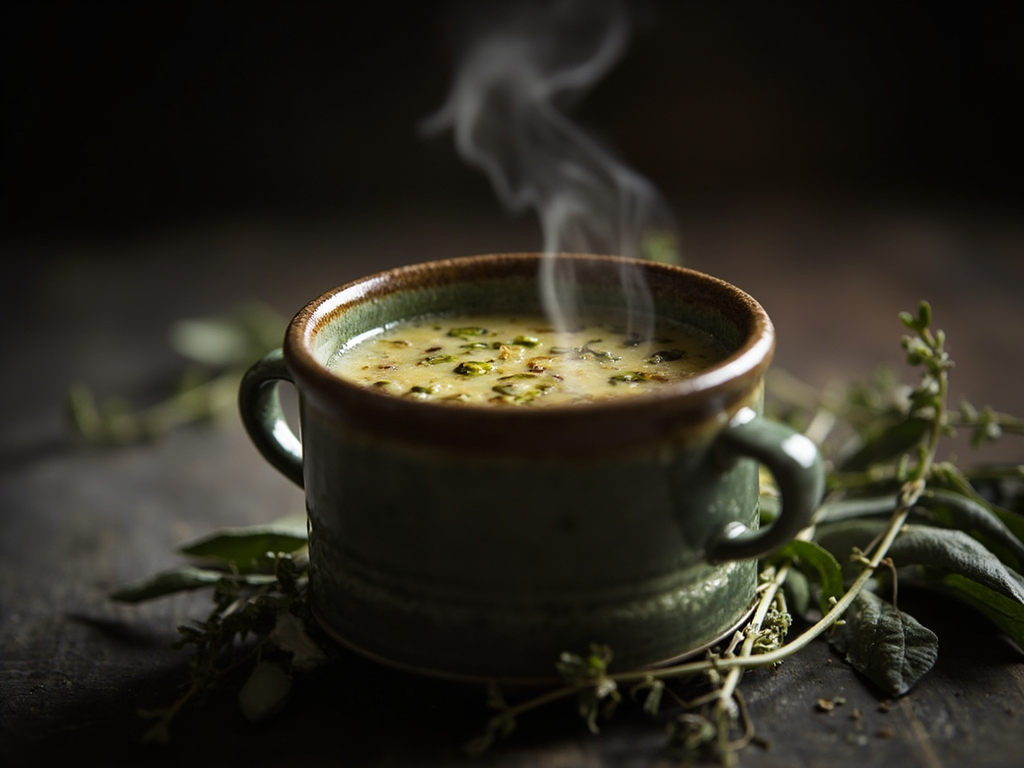
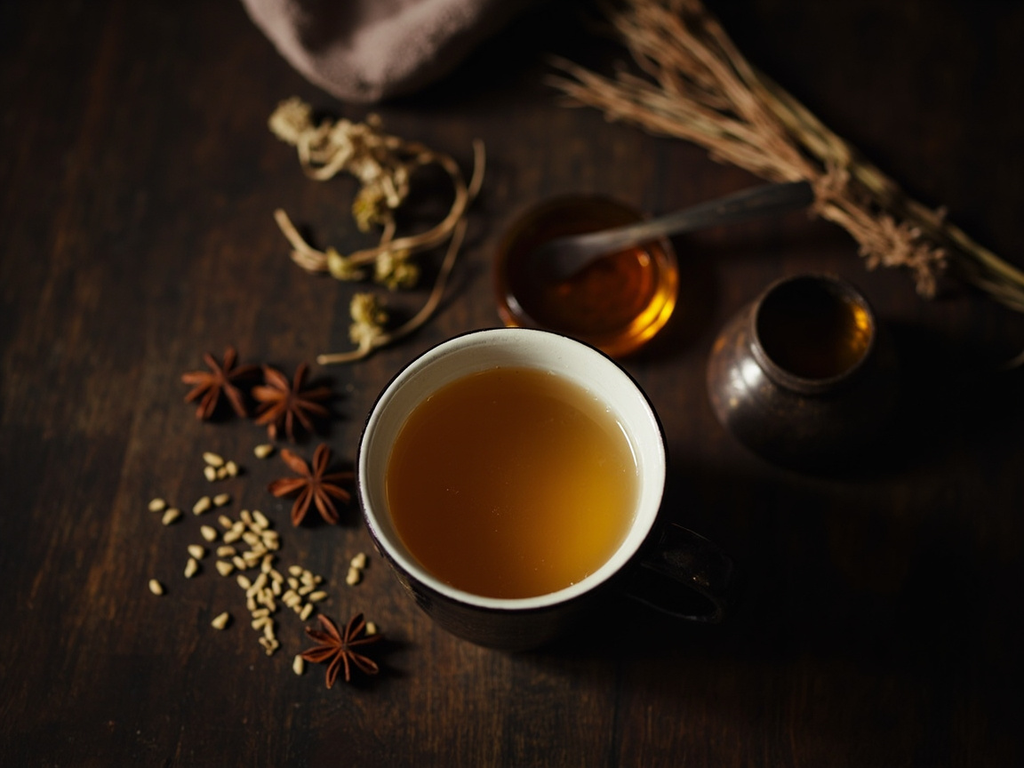
A bitter herbal tea sweetened with honey: anise for the belly, wormwood for digestion. The medicinal comfort of a man with a fragile stomach, as conceived in the Renaissance.
My body has always made war on me — the stone, the belly, the fevers. When pain held me, they prepared this water of anise and wormwood, bitter as a penance, which a little honey made bearable. I drank it thinking that the remedy of the body is nothing without that of the soul. Drink it slowly, hot, and offer your pain to one greater than you: that is the only balm that never fails.
- •Green anise seeds — a pinch (carminative, perfume)
- •Wormwood (*ajenjo*), dried leaves — very little (digestive bitter)
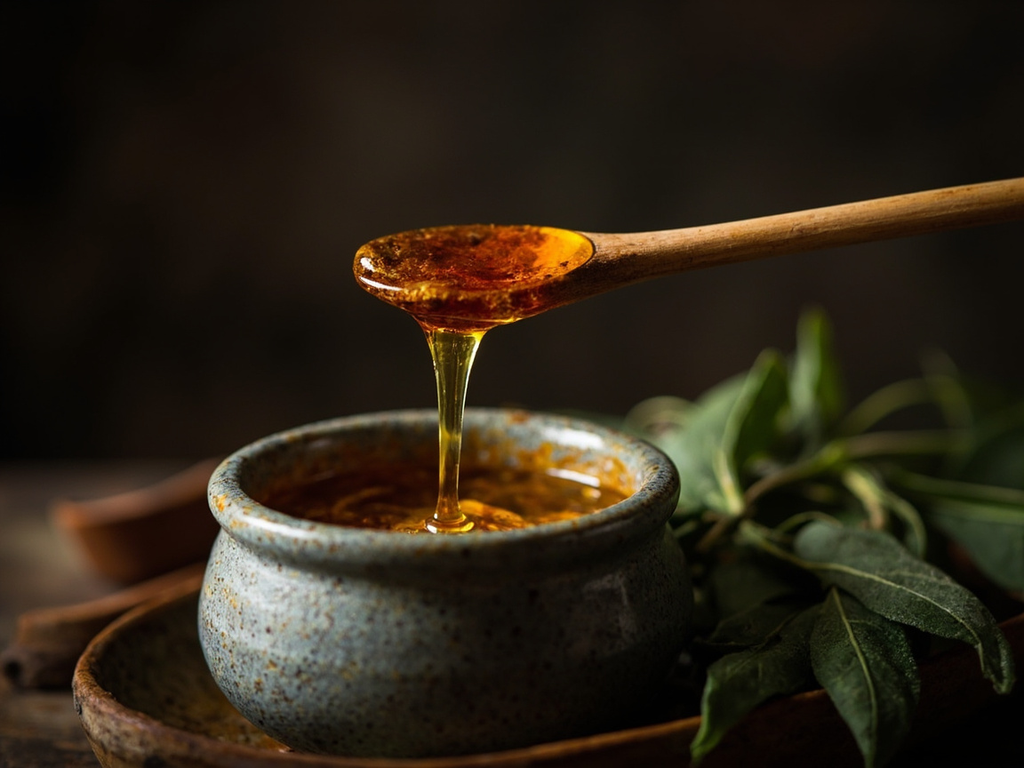
- •Honey — to sweeten (sweetness)
- •Water — a bowl (base)
Agua de anís y ajenjo — Digestive Anise and Wormwood Infusion with Honey
A bitter herbal tea sweetened with honey: anise for the belly, wormwood for digestion. The medicinal comfort of a man with a fragile stomach, as conceived in the Renaissance.
Why this dish? Ignatius suffered all his life from gallstones and digestive troubles; his doctors worried about his fasts. Bitter plant infusions — anise, wormwood (*ajenjo*) — sweetened with honey were the classic remedies of the time to soothe the stomach. This drink evokes the care given to a chronic patient of the 16th century.
My body has always made war on me — the stone, the belly, the fevers. When pain held me, they prepared this water of anise and wormwood, bitter as a penance, which a little honey made bearable. I drank it thinking that the remedy of the body is nothing without that of the soul. Drink it slowly, hot, and offer your pain to one greater than you: that is the only balm that never fails.
Ingredients (period version)
- Green anise seeds — a pinch (carminative, perfume)
- Wormwood (*ajenjo*), dried leaves — very little (digestive bitter)
- Honey — to sweeten (sweetness)
- Water — a bowl (base)
Ingredients
- Green anise seeds — 1 tsp (perfume, digestive)
- Dried wormwood (or lemon balm as substitute) — 1 small pinch (digestive bitterness)
- Honey — 1–2 tsp (sweetness)
- Water — 250 ml (base)
Method
- Bring the water to a simmer.
- Add the anise and the small pinch of wormwood, cover, and steep for 5–7 minutes (wormwood is very bitter: use sparingly).
- Strain carefully.
- Add the honey off the heat and stir.
- Drink hot, in small sips, after the meal.
How it was made : Renaissance medicine, heir to Galen and Dioscorides, treated the stomach with "bitters": wormwood (*ajenjo*) was the quintessential digestive plant, often taken as an infusion or in wine, sweetened with honey. Anise relieved bloating. These home remedies were within reach of a religious house. (Evocation: we do not have the exact recipe for Ignatius's treatments, but these preparations were common practice for his ailments.)
The contemporary twist : Serve in a small warm glass with a cinnamon stick for aesthetics — a non-alcoholic "after-banquet digestive." (Note: wormwood in large doses is inadvisable; replace with lemon balm for daily use.)
Sources : Pedro de Ribadeneira, Vida del Padre Ignacio de Loyola, 1583 (health of Ignatius) · Andrés de Laguna, Pedacio Dioscórides Anazarbeo, 1555 (medicinal properties of plants)
Ignatius of Loyola · Charactorium