 flip
flipSardinas en escabeche — Sardines in Escabeche
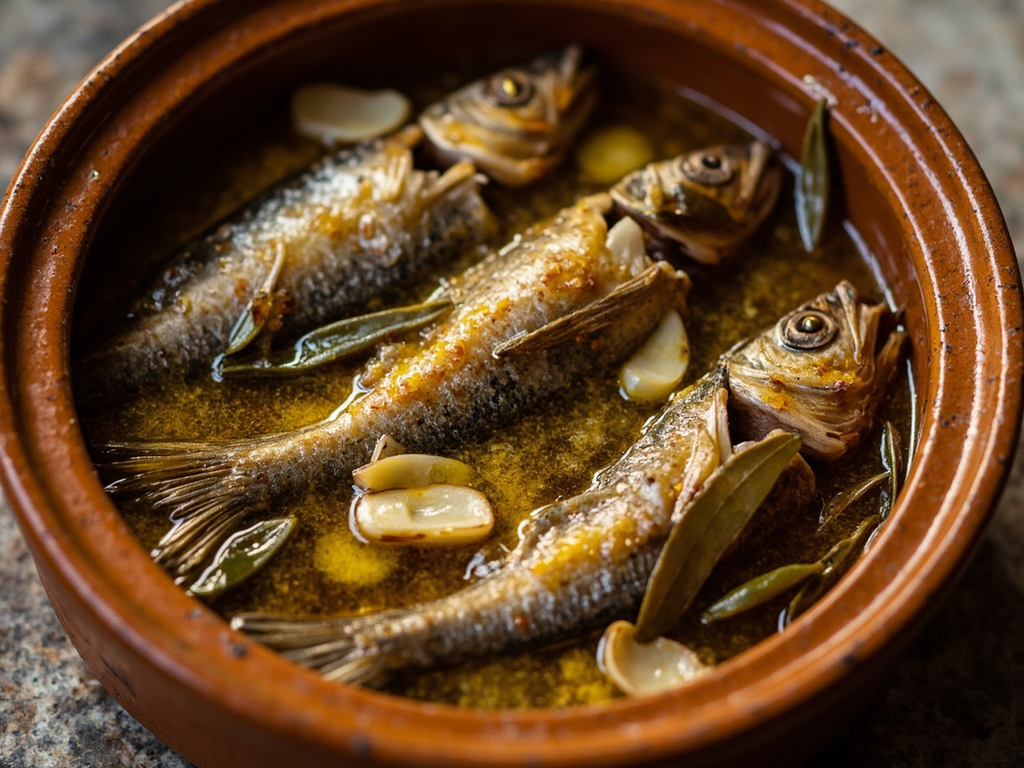
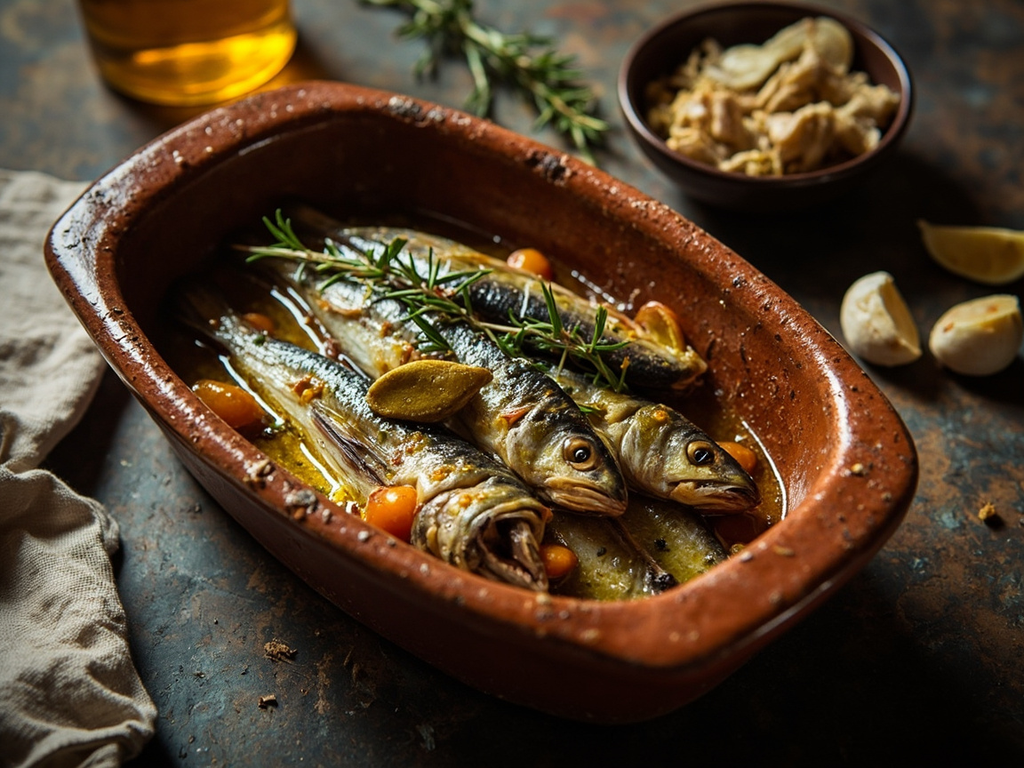
Sardinas en escabeche — Sardines in Escabeche
Why this dish? Loyola is very close to the Cantabrian coast, where fish abounds. Escabeche — fried fish then preserved in vinegar and aromatics — allowed the catch to be kept for several days, ideal for a sober household that wastes nothing and eats lean. This is the kind of provision that nourished Ignatius's Basque table without ostentation.
Fried sardines marinated in a bath of vinegar, olive oil, garlic, and herbs: a tangy and flavorful preserve typical of the northern coasts of Spain.
In the land where I was born, the sea is never far, nor the fish. Fry them first, then lay them in vinegar with garlic, bay, and oil: thus they keep, and Lent accommodates them very well. In my youth as a gentleman, I scorned these Lenten foods; today I know that a well-kept sardine is worth more than a lost feast. Nothing should go to waste when so many poor are hungry.
- •Fresh sardines — according to the catch (base)
- •Wine vinegar — generously (preservation, acidity)
- •Olive oil — for frying and covering (cooking, protection)
- •Garlic — several cloves (aromatic, signature)
- •Bay leaf, thyme, rosemary — a few sprigs (aromatics)
- •Saffron — a few threads (color, perfume)
- •Salt — to taste (seasoning)
Sardinas en escabeche — Sardines in Escabeche
Fried sardines marinated in a bath of vinegar, olive oil, garlic, and herbs: a tangy and flavorful preserve typical of the northern coasts of Spain.
Why this dish? Loyola is very close to the Cantabrian coast, where fish abounds. Escabeche — fried fish then preserved in vinegar and aromatics — allowed the catch to be kept for several days, ideal for a sober household that wastes nothing and eats lean. This is the kind of provision that nourished Ignatius's Basque table without ostentation.
In the land where I was born, the sea is never far, nor the fish. Fry them first, then lay them in vinegar with garlic, bay, and oil: thus they keep, and Lent accommodates them very well. In my youth as a gentleman, I scorned these Lenten foods; today I know that a well-kept sardine is worth more than a lost feast. Nothing should go to waste when so many poor are hungry.
Ingredients (period version)
- Fresh sardines — according to the catch (base)
- Wine vinegar — generously (preservation, acidity)
- Olive oil — for frying and covering (cooking, protection)
- Garlic — several cloves (aromatic, signature)
- Bay leaf, thyme, rosemary — a few sprigs (aromatics)
- Saffron — a few threads (color, perfume)
- Salt — to taste (seasoning)
Ingredients
- Fresh sardines, gutted — 12 (base)
- White wine vinegar — 150 ml (acidity, preservation)
- Olive oil — 200 ml (frying and covering)
- Garlic cloves — 4 (aromatic)
- Bay leaves — 2 (aromatic)
- Thyme and rosemary — 2 sprigs each (aromatics)
- Saffron — 1 pinch (color)
- Salt — to taste (seasoning)
Method
- Salt the sardines and quickly fry them in a little olive oil, then place them in a shallow dish.
- In the same oil, gently sauté the crushed garlic and herbs.
- Add the vinegar (watch for splatters), saffron, and let the mixture warm for a few minutes.
- Pour this aromatic bath over the sardines to cover them completely.
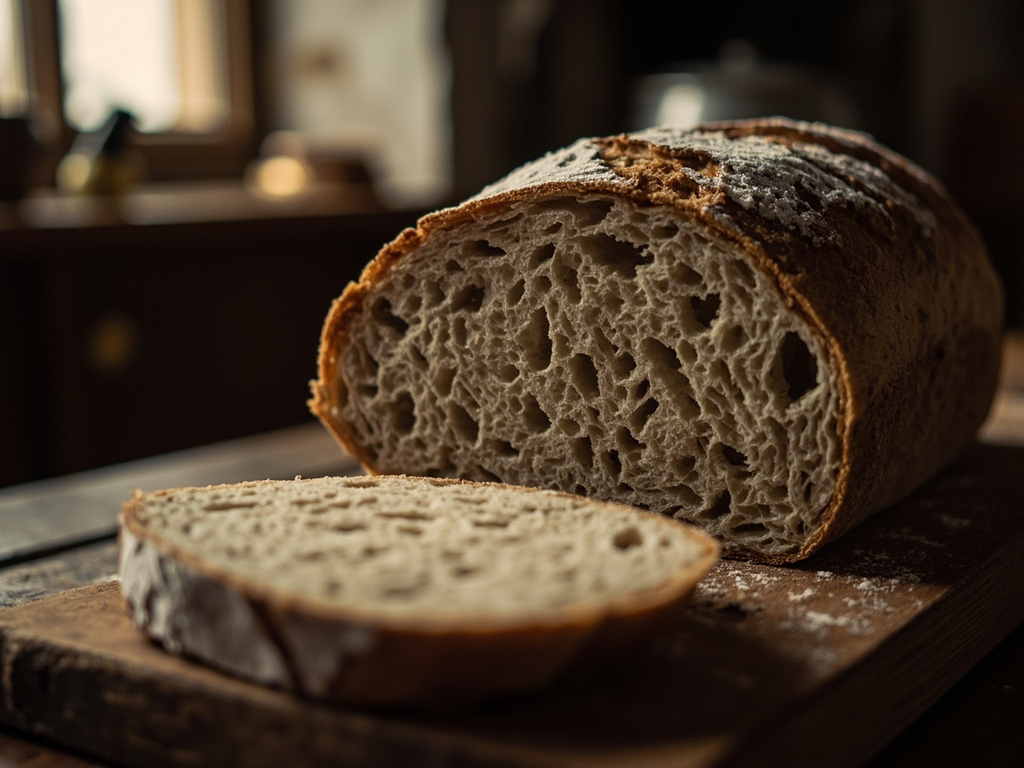
- Let cool, then rest in a cool place for at least 24 hours before serving. Keeps for several days.
How it was made : Escabeche is a preservation technique of Arabo-Andalusian origin (the word comes from Arabo-Persian *sikbāj*), well attested in 16th-century Spanish cuisine, especially by Ruperto de Nola. The fish is fried then immersed in a vinegar bath: acidity and oil protect it. No New World ingredients here — the period version ignores paprika.
The contemporary twist : Serve the sardines cold on a slice of grilled bread rubbed with garlic, Basque pintxo style, with a drizzle of the escabeche juice.
Sources : Ruperto de Nola, Libro de guisados (Libre del Coch), 1525 · Etymology and history of escabeche (Andalusian heritage, sikbāj)
Ignatius of Loyola · Charactorium