 Flip the card
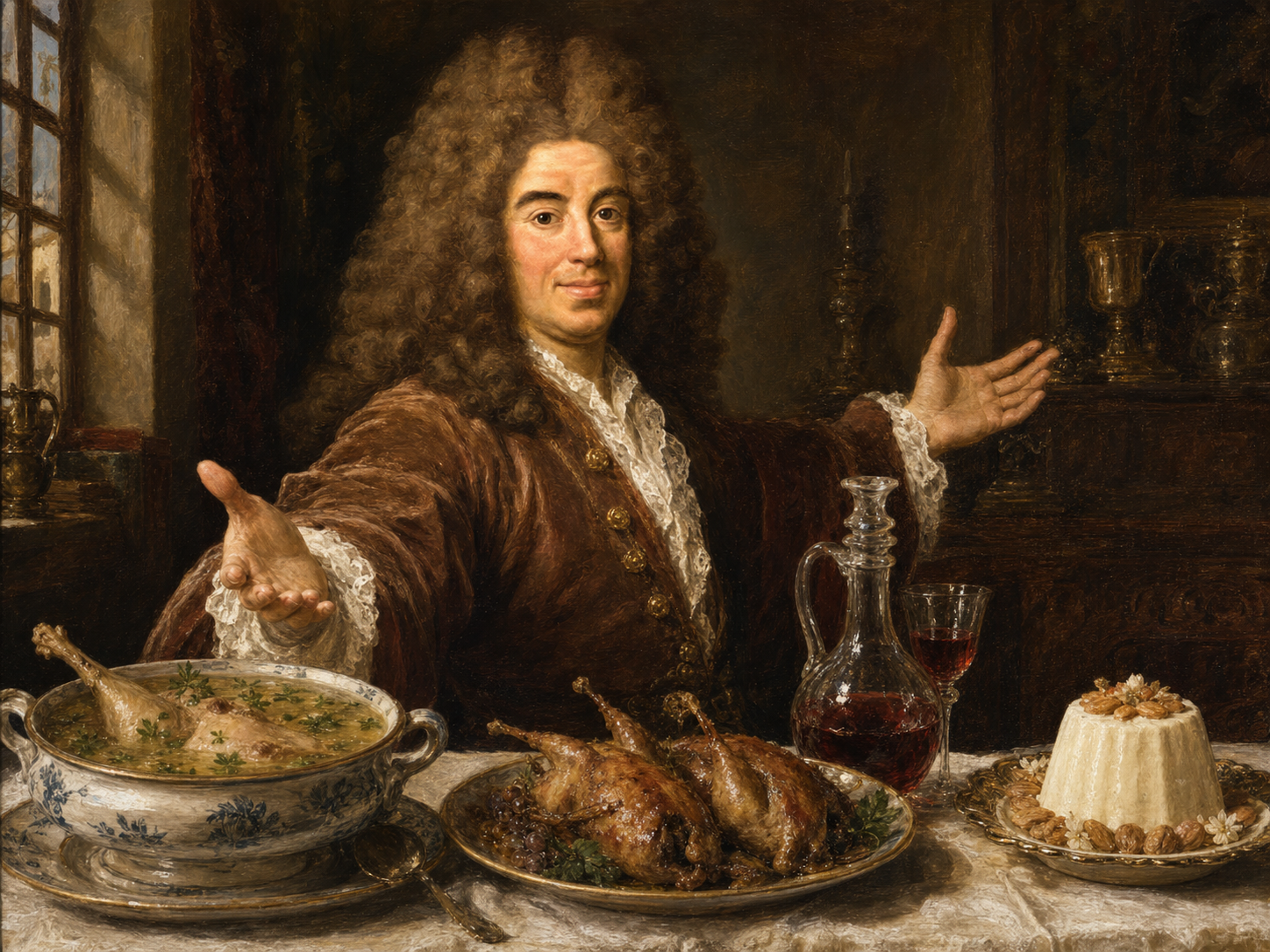
Jean de La Bruyère at the table
1645 — 1696
On the menu
Service à la française
At the table of the Grand Siècle, dishes were not served one after another as they are today: instead, the table was covered all at once, in several successive "services." First came the potages and entrées, then the roast (roasted meats and game accompanied by salads), and finally the sweet entremets, creams, preserves, and fruits. Opulence was measured by the number of dishes displayed simultaneously: at Chantilly, chez Condé, it was a veritable edible architecture. La Bruyère, a sober man, partook sparingly of this abundance.
Signature : Verjus and Sweet Spices
Classic 17th-century French cuisine shunned the heavy spicing of the Middle Ages but retained a queen of acidity: verjus (juice of unripe green grapes) often replaced lemon, while cinnamon, cloves, and sugar sweetened meats as well as sweets. This sweet-and-sour edge is the true gustatory hallmark of the era.
click to flip back
Jean de La Bruyère at the table
1645 — 1696
5 period recipes
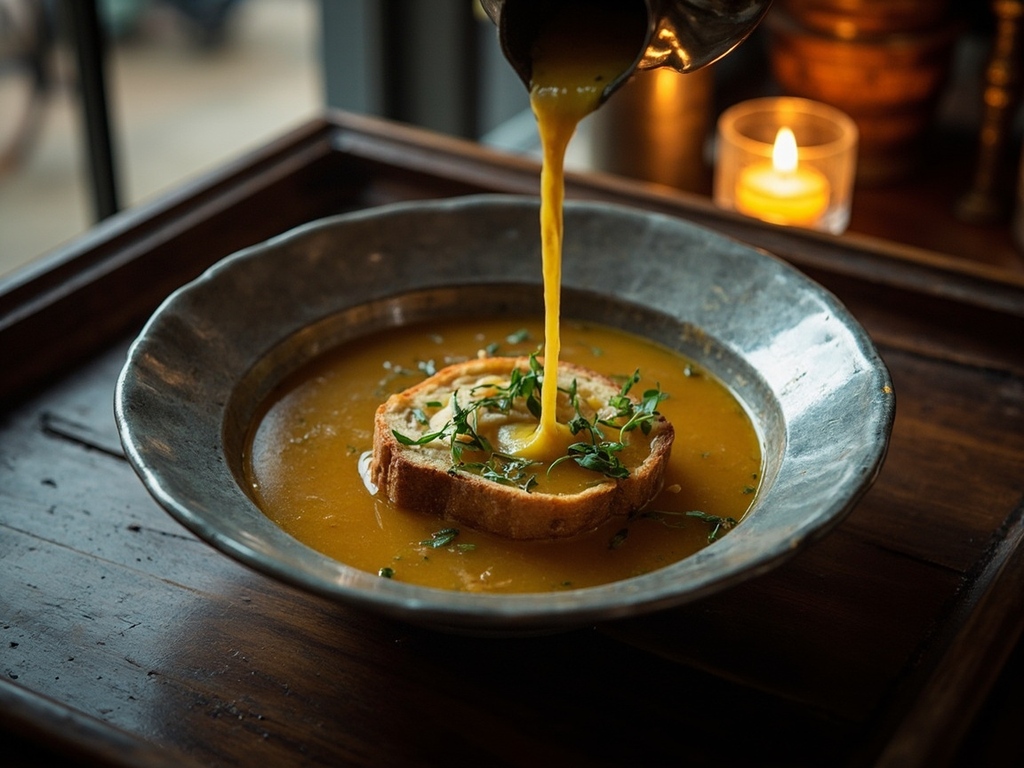 Everyday
Capon and Fine Herb Potage
Potage (first service)
🧂 🍄· 1 h 45
View the recipe
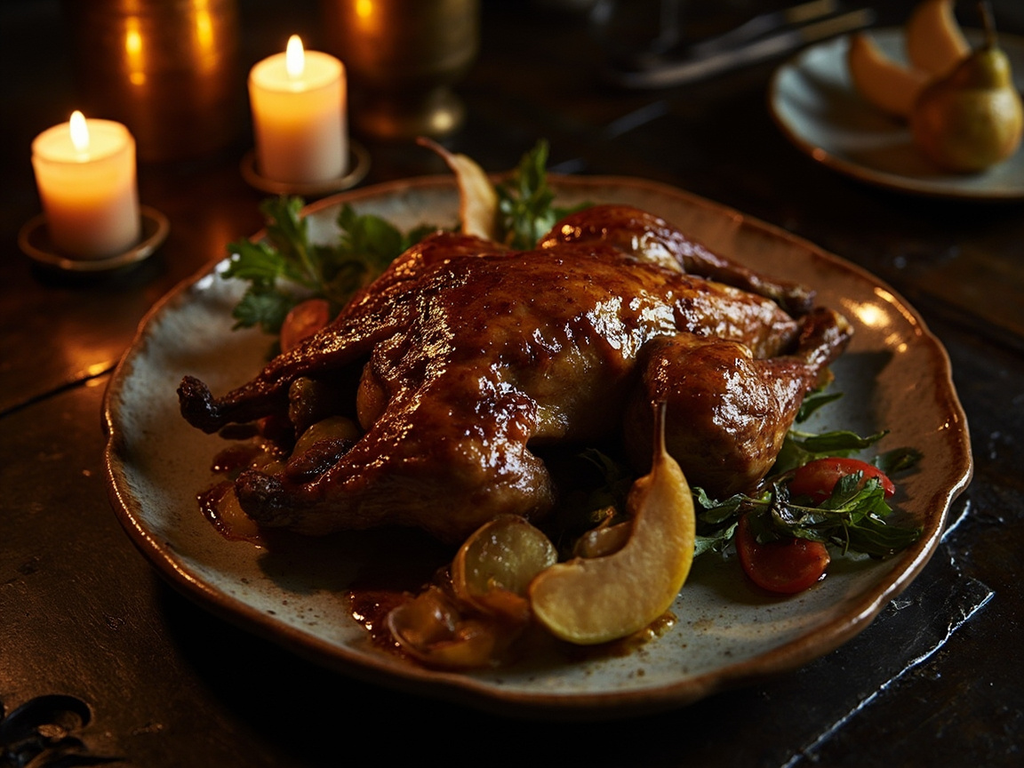 Festive
Roast Partridge with Verjus Sauce
Roast (second service)
🧂 🍋 🍄· 50 min
View the recipe
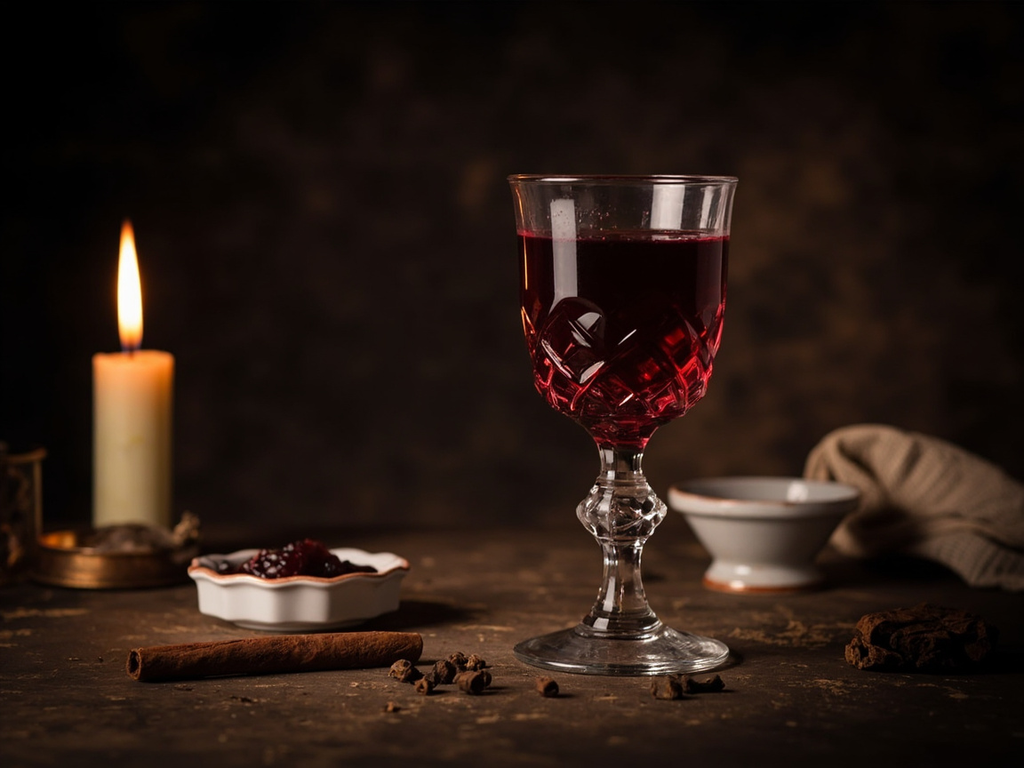 Drink
DrinkChantilly Hypocras
Entremets beverage (office wine)
🌶️ 🍯· 15 min + 12 h infusion
View the recipe
 Festive
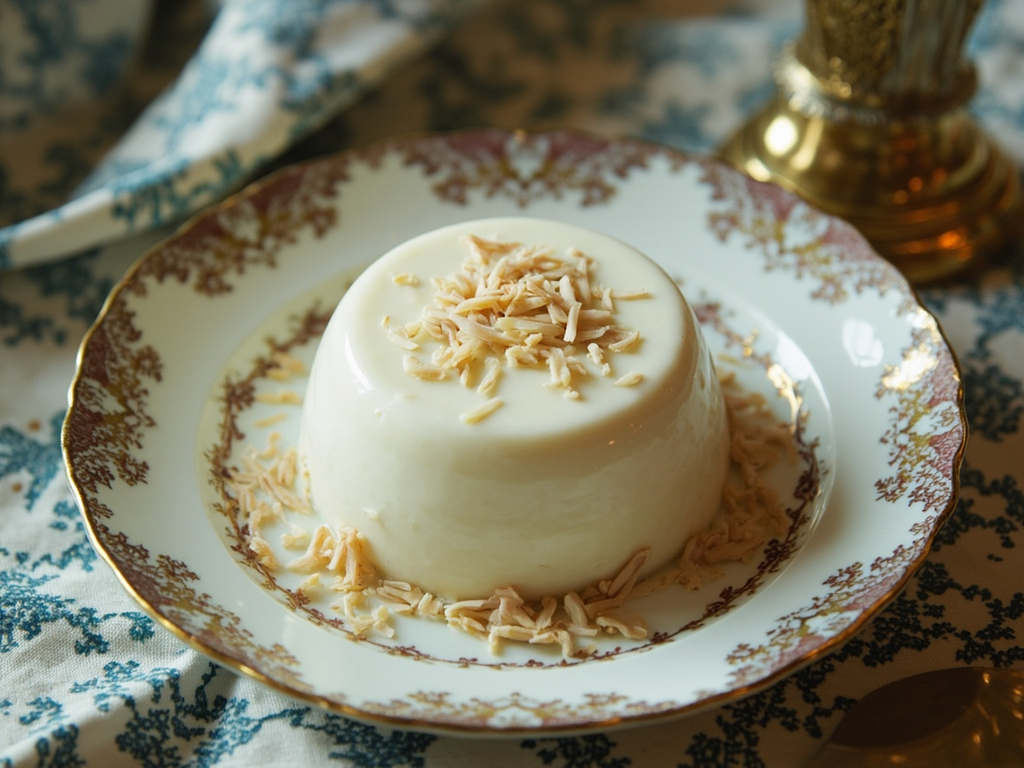
Almond Blancmange
Sweet entremets (last service)
🍯· 40 min + 4 h setting
View the recipe
 Preserving
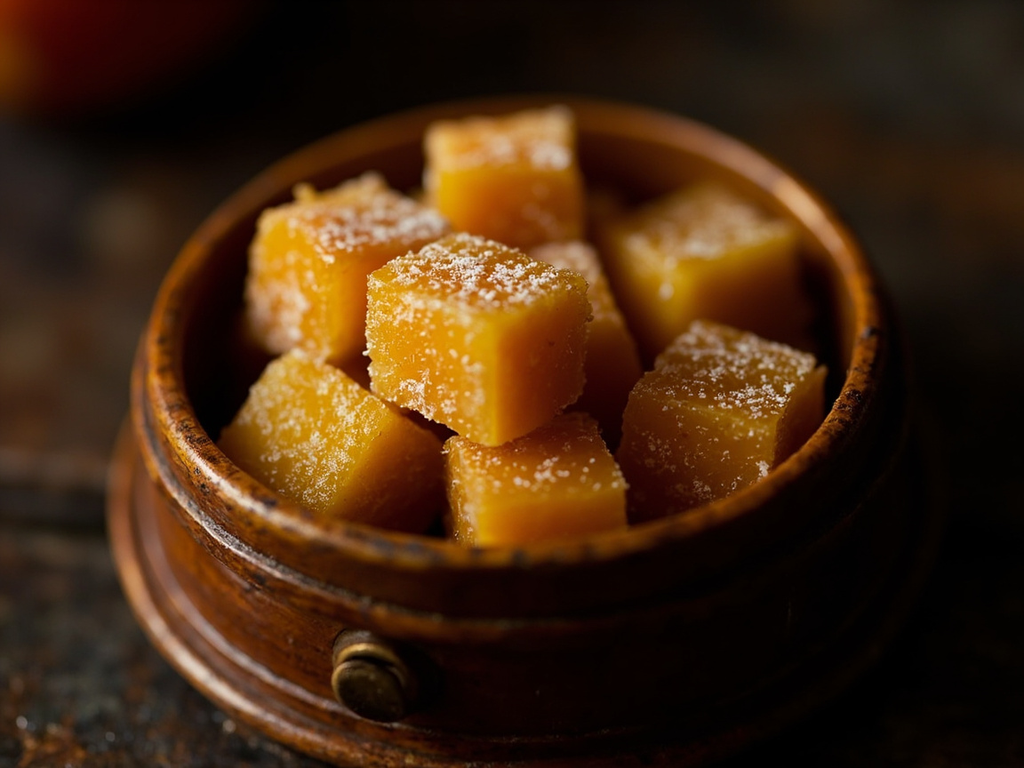
Quince Paste (Cotignac)
Dry preserve from the office (keeping fruit)
🍯 🍋· 1 h 30 + drying
View the recipe