 Flip the card
Jean Racine at the table
1639 — 1699
On the menu
Service à la française
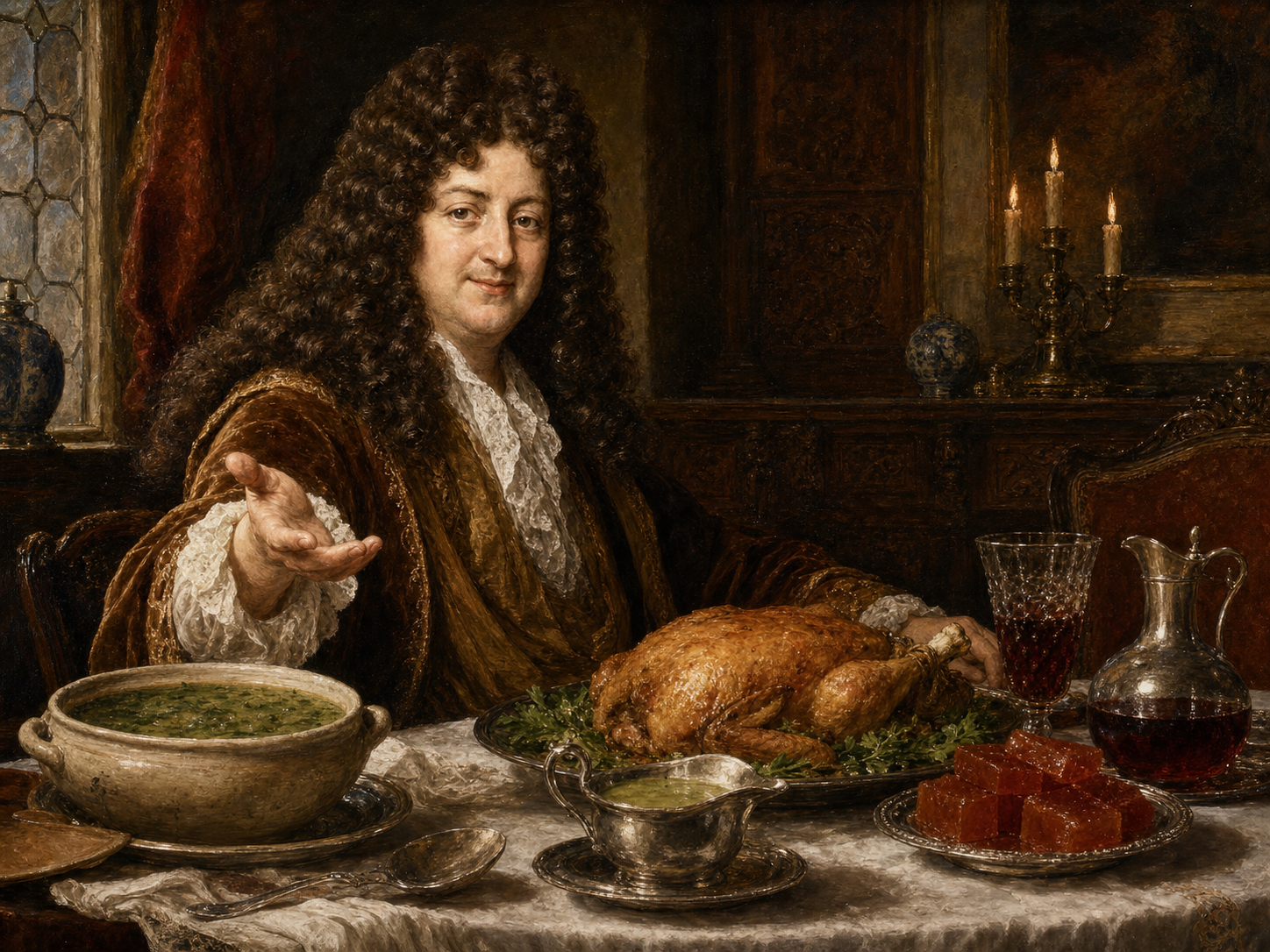
At the table of a Parisian man of letters in the Grand Siècle, dishes are not served one after another as they are today: the table is covered with dishes arranged all together by "services." The first service brings soups and entrées, the second brings roasts and salads, and the last brings sweet entremets, fruits, and preserves. Each guest helps themselves to what is within reach. Mid-century cuisine, under the influence of La Varenne, lightens the heavy medieval spices to exalt butter, fresh herbs, and acidic flavors.
Signature : Le verjus
Juice of green grapes picked before maturity, verjus is the reigning acid of classical French cuisine. Where the Middle Ages drowned everything in cinnamon and saffron, the 17th century prefers this sharp, fresh note that awakens sauces and roasts without masking the taste of meats. It is the mark of a cuisine that seeks balance—just as Racine's tragedy seeks its own.
click to flip back
Jean Racine at the table
1639 — 1699
4 period recipes
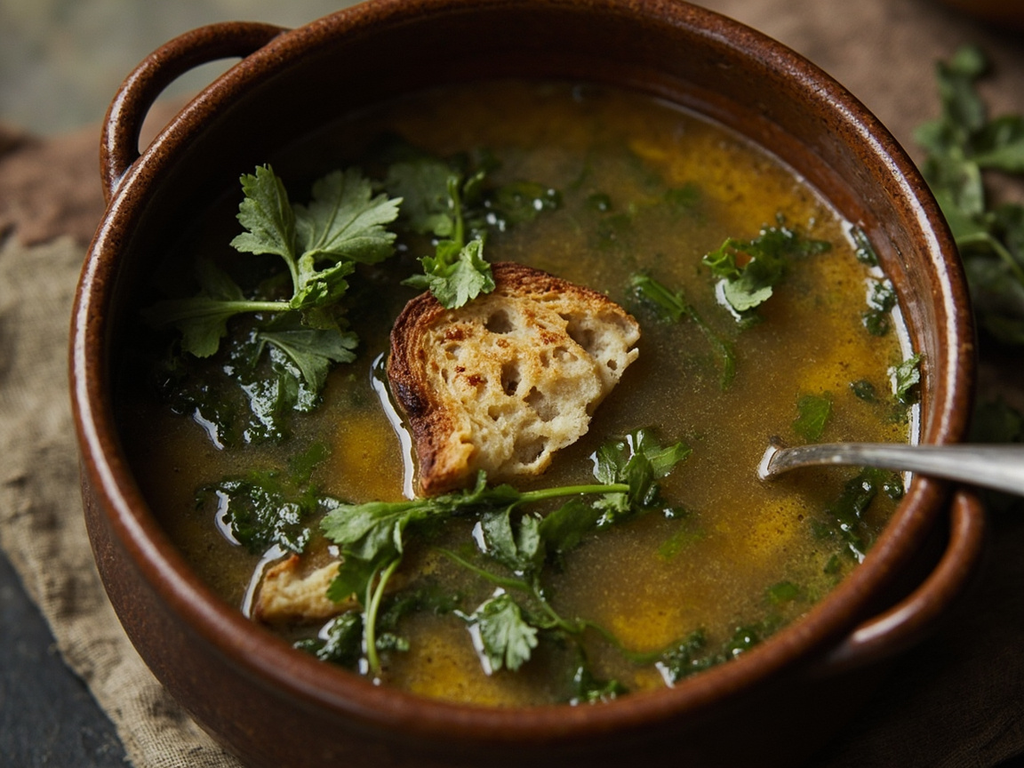 Everyday
Potage aux herbes de Port-Royal
Premier service — potage
🧂 🍄· 20 min
View the recipe
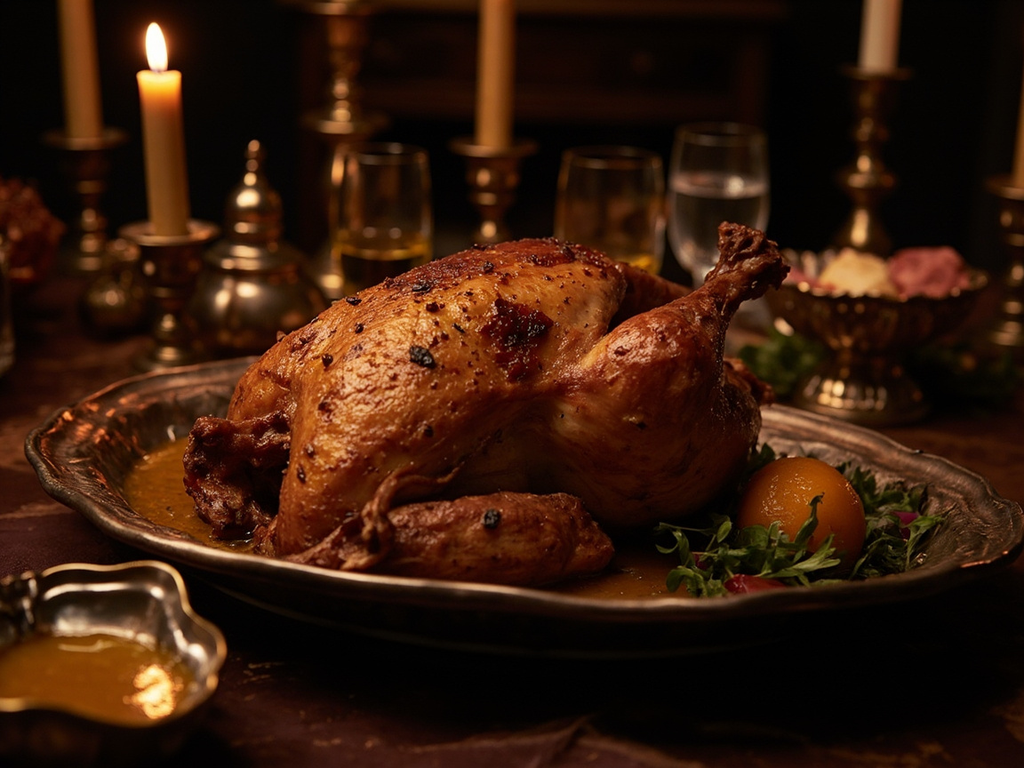 Festive
Chapon rôti, sauce au verjus
Deuxième service — rôt
🧂 🍋· 1 h 45
View the recipe
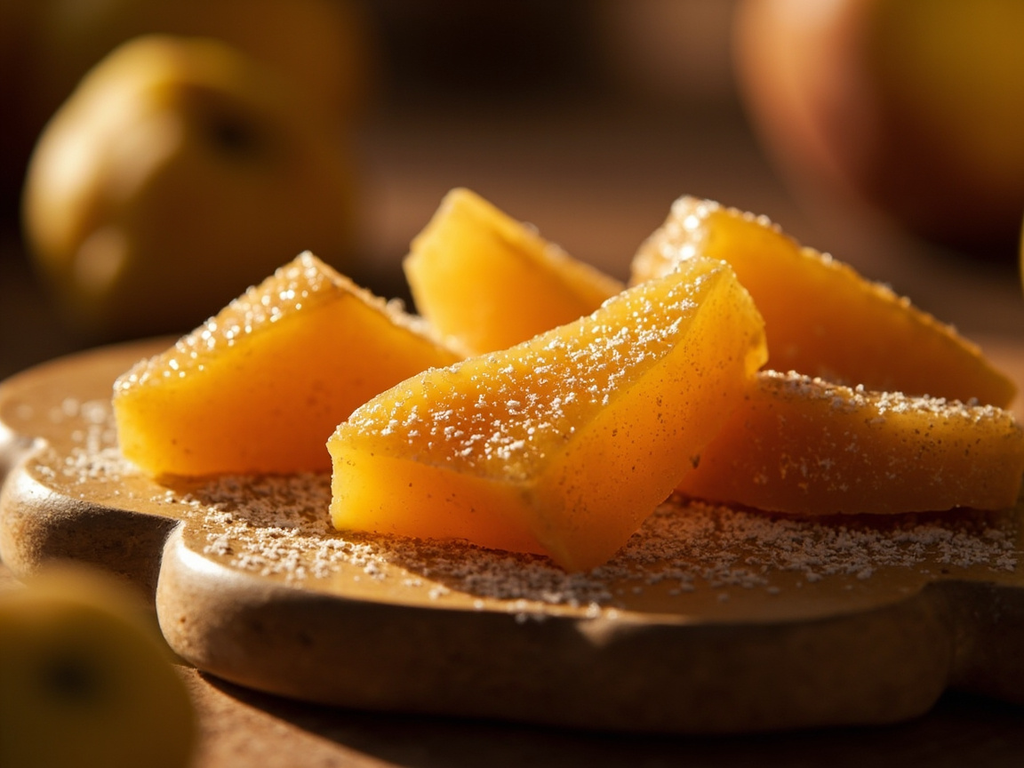 Preserving
Cotignac — pâte de coing
Dernier service — entremets et confitures
🍯 🍋· 2 h (+ 24 à 48 h de séchage)
View the recipe
 Drink
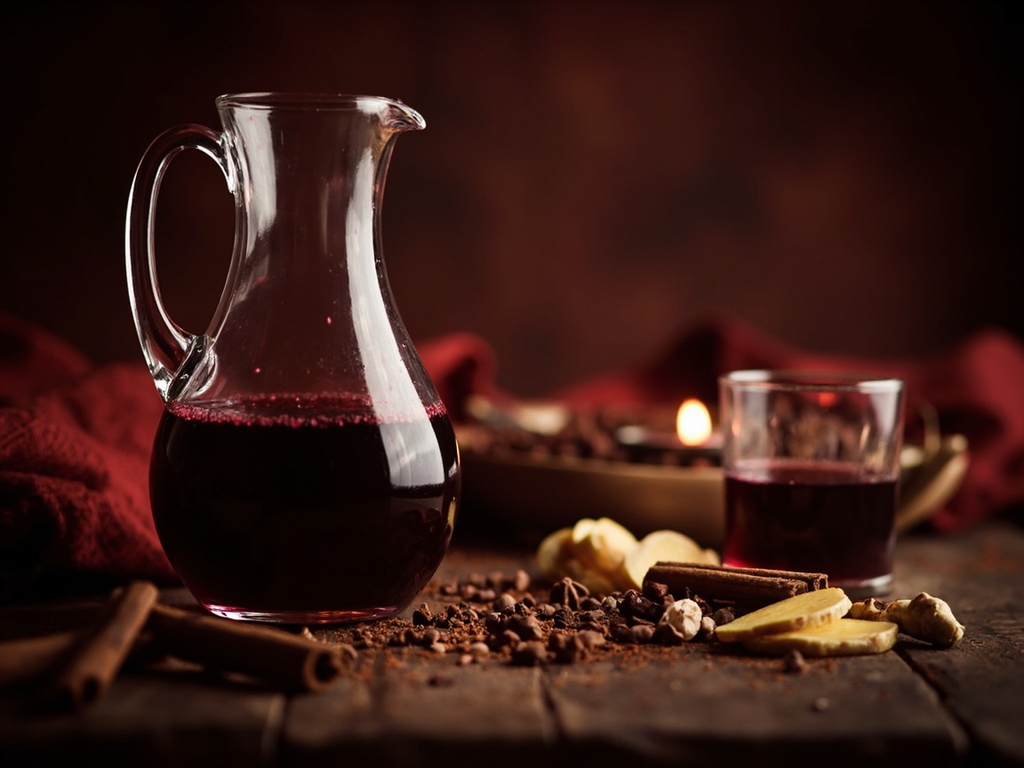
DrinkHypocras — vin épicé et sucré
Boisson de fin de repas (issue de table)
🍯 🌶️· 15 min (+ 12 h d'infusion)
View the recipe