A mesa baiana e o almoço carioca
In Brazil, the midday meal (almoço) revolves around an invariable foundation: white rice and beans, topped with a protein and sides. The cuisine of Bahia, João's homeland, adds the Afro-Brazilian soul — red palm oil (dendê), coconut milk, and fried snacks sold in the squares. In Rio, the day is punctuated by tiny strong coffees drunk standing at the counter, between conversations. There's no separation of starter/main/dessert: everything dialogues around the rice-and-beans base, and tropical sweetness closes the moment.
Signature : Azeite de dendê (red palm oil)
Orange palm oil inherited from West Africa, the absolute emblem of Bahian cuisine. Its saffron color and warm aroma mark Afro-Brazilian dishes (moqueca, acarajé). It is the thread connecting João, a child of Juazeiro in Bahia, to the flavors of his land.
João Gilberto at the table
1931 — 2019
5 period recipes
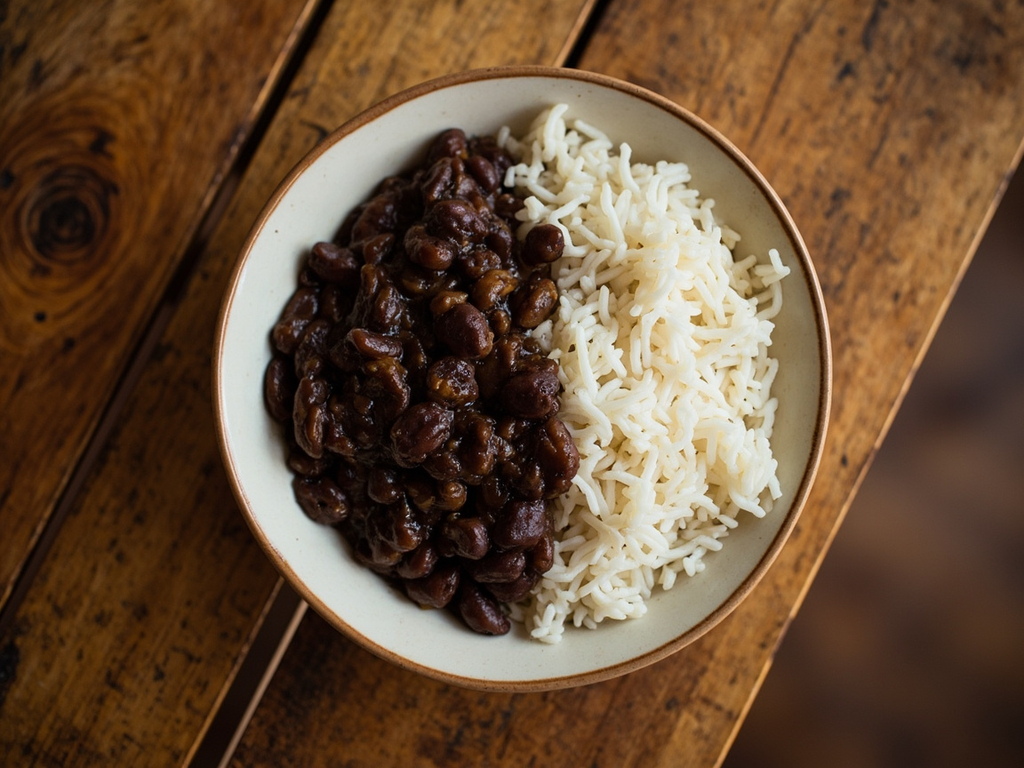 Everyday
Arroz com feijão (rice and black beans)
Prato do dia — the foundation of almoço
🧂 🍄· 1 h 45 (plus soaking)
View the recipe
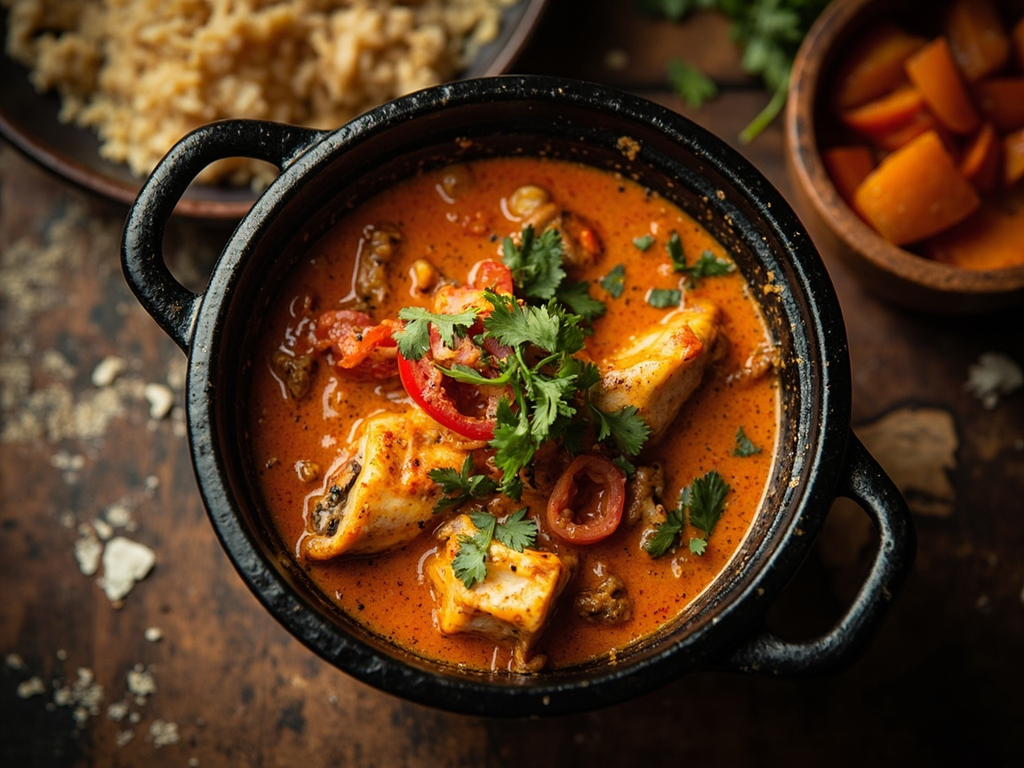 Festive
Moqueca baiana (fish in coconut milk and dendê)
Prato de festa — the dish of great Bahian gatherings
🧂 🍄 🍋· 1 h (including marinade)
View the recipe
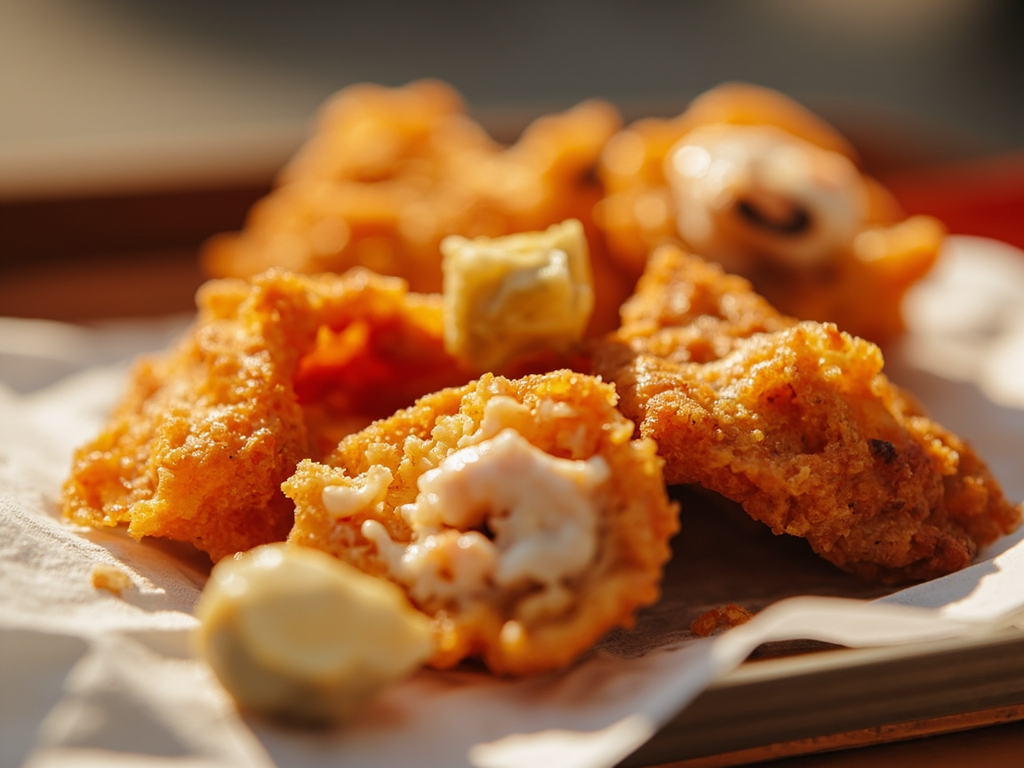 Street food
Acarajé (black-eyed pea fritters in palm oil)
Comida de rua — the fried snack of Bahia's squares
🧂 🍄 🌶️· 40 min (plus soaking)
View the recipe
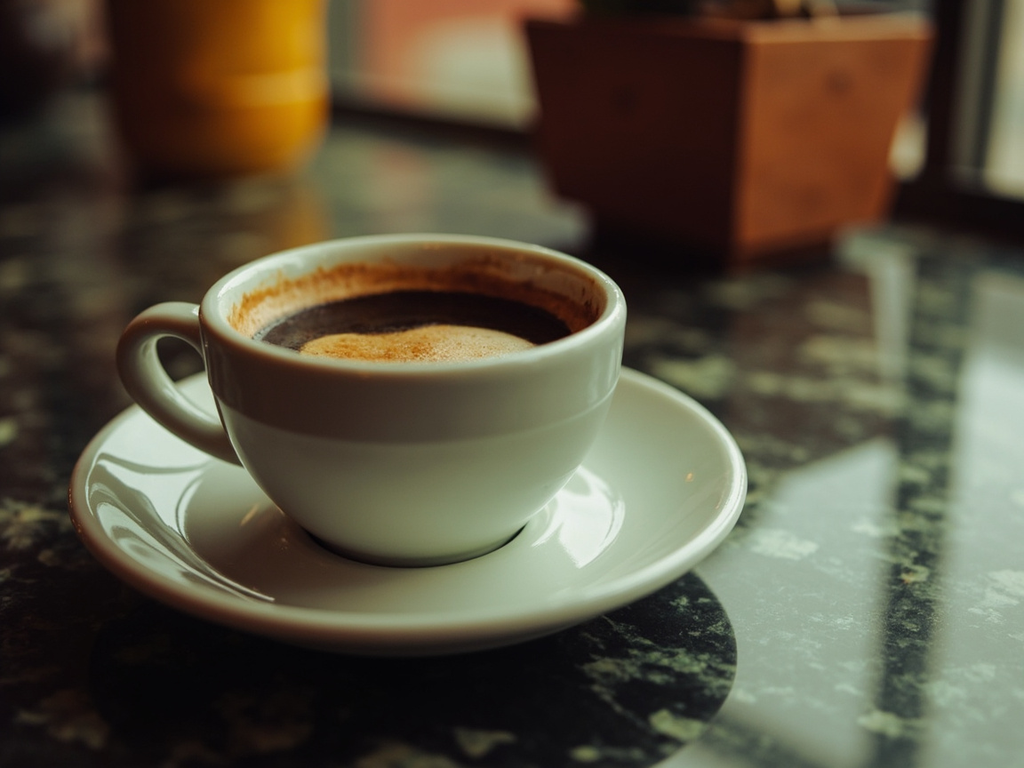 Drink
DrinkCafezinho (tiny strong coffee from the counter)
Boisson rituelle — the shared coffee at any hour
☕ 🍯· 10 min
View the recipe
 Preserving
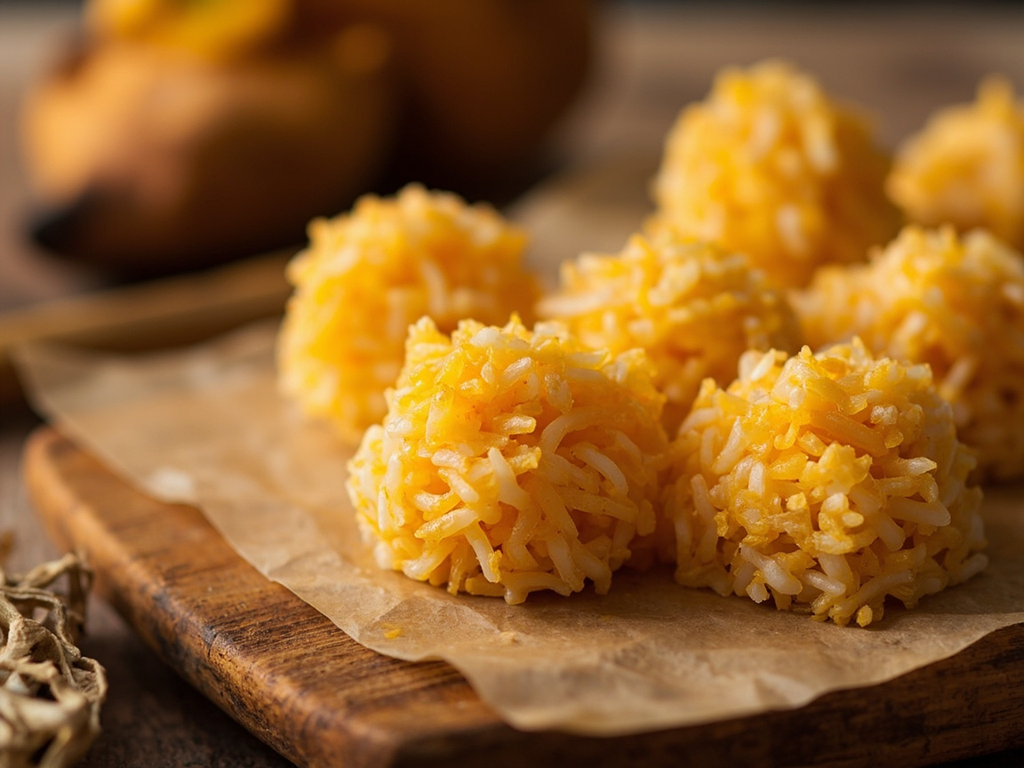
Cocada (coconut candy)
Doce — the tropical sweetness of the end of the day
🍯· 30 min
View the recipe