 flip
flipMoqueca baiana (fish in coconut milk and dendê)
Moqueca baiana (fish in coconut milk and dendê)
Why this dish? João was born in Juazeiro, Bahia, land of the most exuberant Afro-Brazilian cuisine. Moqueca, simmered in its clay pot, is THE Bahian celebration dish — the one for family reunions and Sundays by the water, the taste roots of the Northeastern child who became the pope of bossa nova.
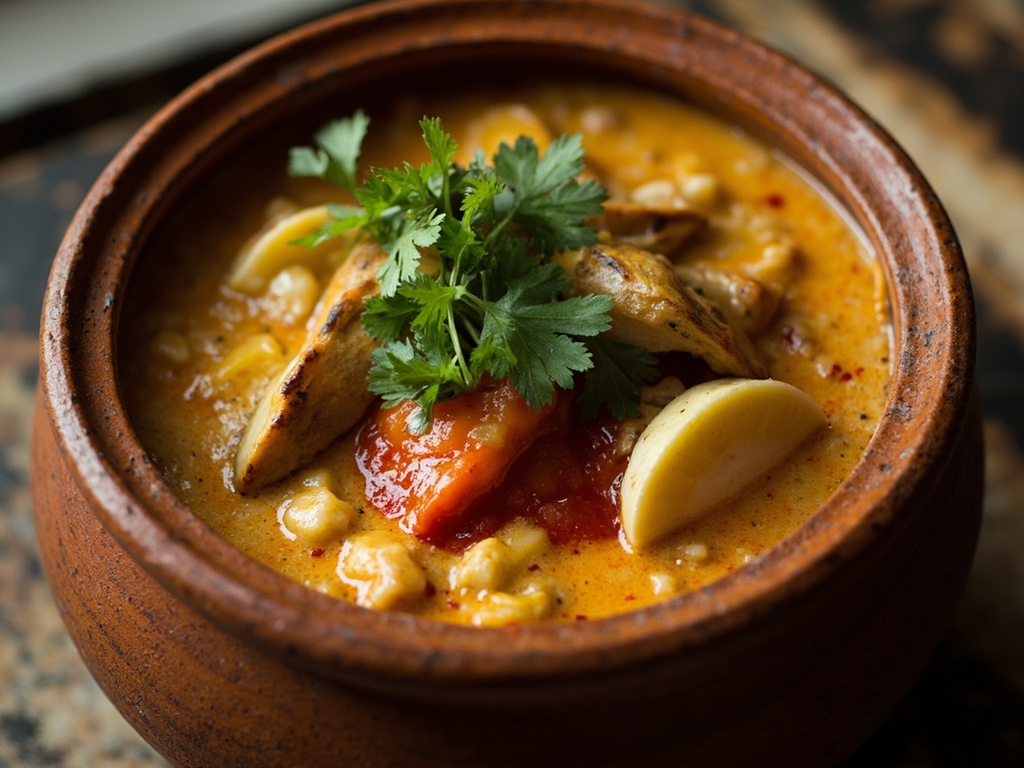
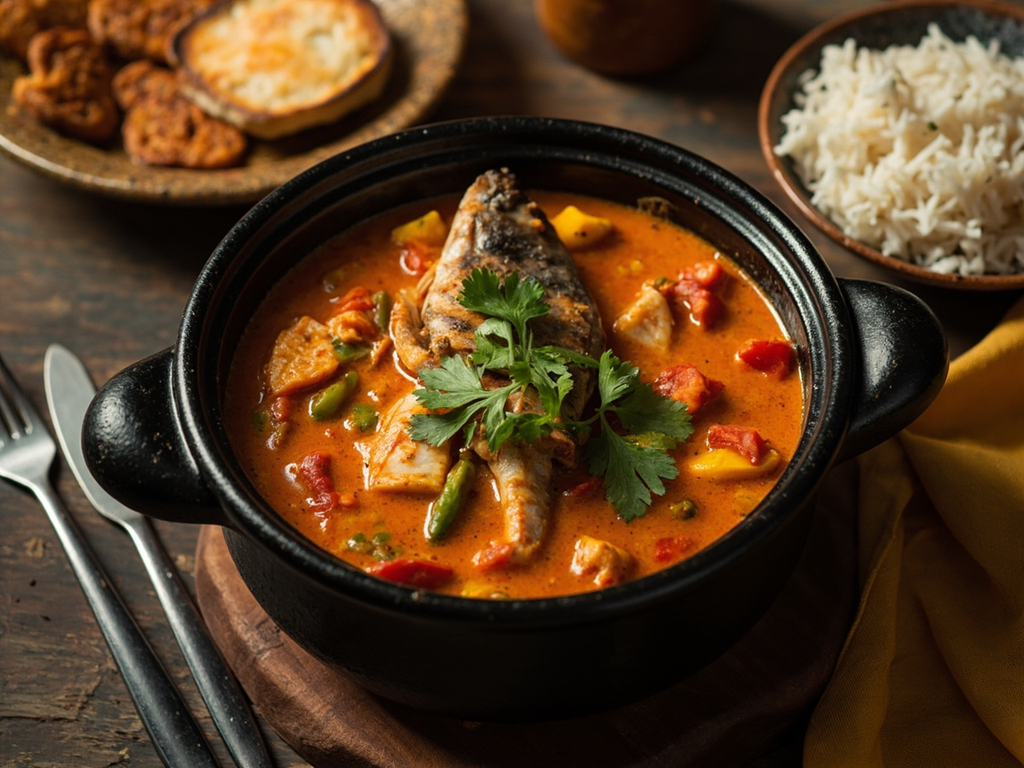
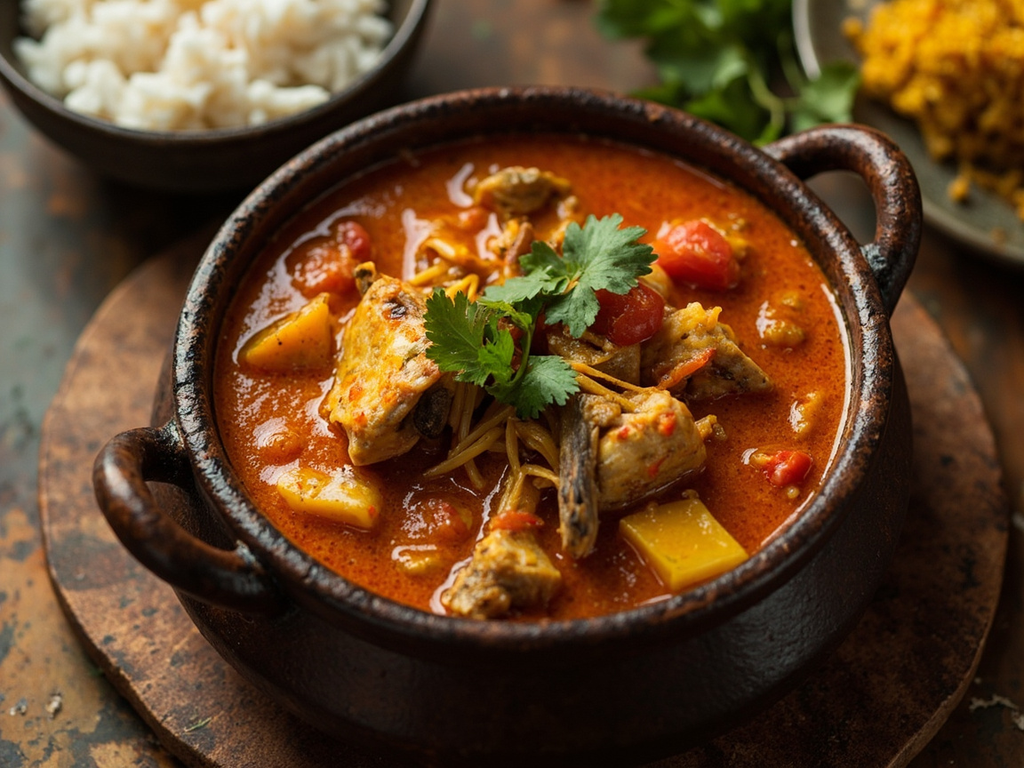
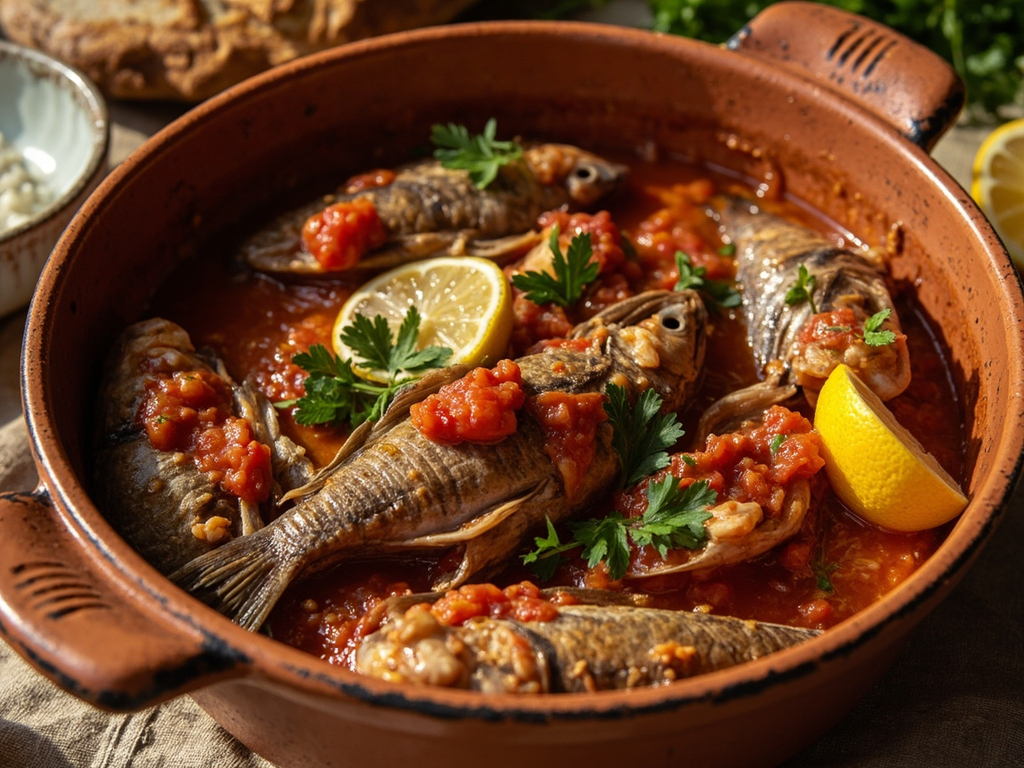
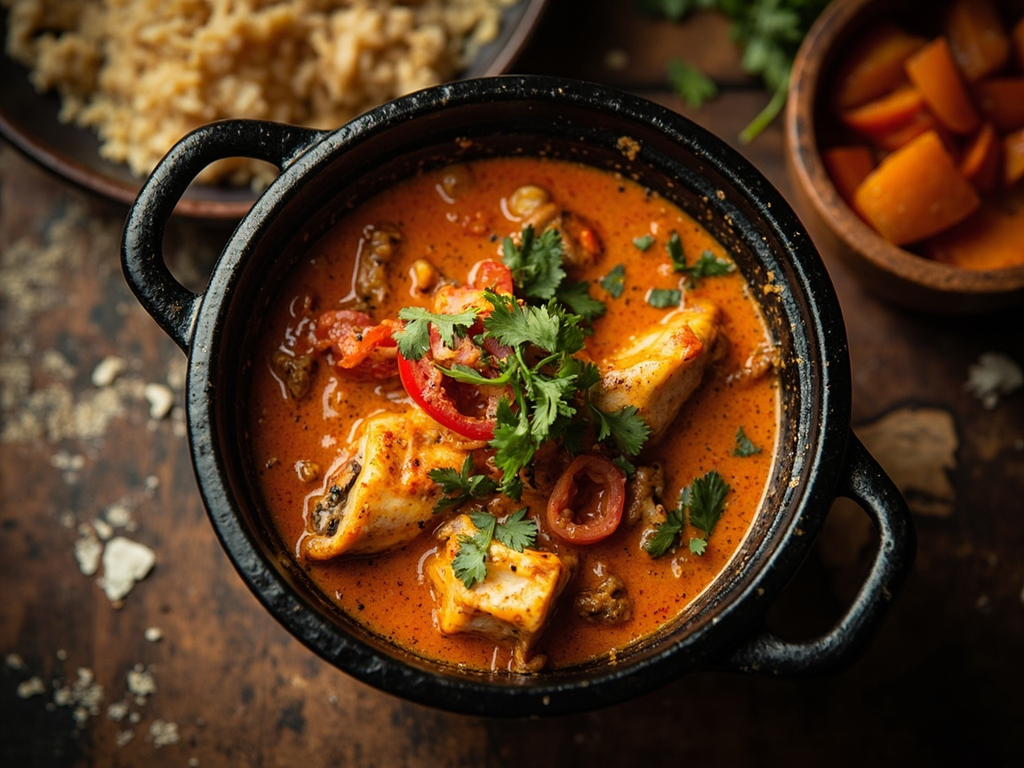
Fish gently simmered in an orange sauce of coconut milk, red palm oil, tomatoes, peppers, and cilantro. Creamy, aromatic, slightly tangy — a dish to share among several people, straight from the steaming clay pot.
Lá na Bahia, moqueca means celebration. We make it in a panela de barro, a black clay pot, never metal — the taste wouldn't be the same, acredite. Dendê, that red oil like the sunset over the sea, gives everything: color, the scent of Africa flowing in our veins. You don't stir it with a brutal spoon, no — you gently shake the pot, like caressing the strings, and let the fish soak up the sauce without breaking it.
- •Firm white fish (grouper, snapper) — steaks for the table (base)
- •Red palm oil (dendê) — a good drizzle (signature)
- •Fresh coconut milk — a large cup (binder)
- •Tomatoes — a few (sauce)
- •Bell peppers — two, of different colors (sauce)
- •Onion — one large (aromatic)
- •Fresh cilantro and green onion — a bunch (flavoring)
- •Lime and salt — for marinating (seasoning)
Moqueca baiana (fish in coconut milk and dendê)
Fish gently simmered in an orange sauce of coconut milk, red palm oil, tomatoes, peppers, and cilantro. Creamy, aromatic, slightly tangy — a dish to share among several people, straight from the steaming clay pot.
Why this dish? João was born in Juazeiro, Bahia, land of the most exuberant Afro-Brazilian cuisine. Moqueca, simmered in its clay pot, is THE Bahian celebration dish — the one for family reunions and Sundays by the water, the taste roots of the Northeastern child who became the pope of bossa nova.
Lá na Bahia, moqueca means celebration. We make it in a panela de barro, a black clay pot, never metal — the taste wouldn't be the same, acredite. Dendê, that red oil like the sunset over the sea, gives everything: color, the scent of Africa flowing in our veins. You don't stir it with a brutal spoon, no — you gently shake the pot, like caressing the strings, and let the fish soak up the sauce without breaking it.
Ingredients (period version)
- Firm white fish (grouper, snapper) — steaks for the table (base)
- Red palm oil (dendê) — a good drizzle (signature)
- Fresh coconut milk — a large cup (binder)
- Tomatoes — a few (sauce)
- Bell peppers — two, of different colors (sauce)
- Onion — one large (aromatic)
- Fresh cilantro and green onion — a bunch (flavoring)
- Lime and salt — for marinating (seasoning)
Ingredients
- Cod or pollock steaks — 800 g (base)
- Red palm oil (dendê) — 3 tbsp (signature)
- Coconut milk — 400 ml (binder)
- Tomatoes — 3 ripe (sauce)
- Red and yellow bell peppers — 2 (sauce)
- Onion — 1 large (aromatic)
- Cilantro + green onion — 1 bunch (flavoring)
- Lime — 2 (marinade)
- Garlic, salt — 3 cloves, to taste (seasoning)
Method
- Marinate the steaks for 30 minutes with lime juice, crushed garlic, and salt.
- In a pot (ideally clay), layer the onion, tomatoes, and bell peppers cut into rings.
- Place the fish on top, cover with another layer of vegetables, pour in coconut milk and dendê oil.
- Cover and simmer for 20-25 minutes over low heat without stirring, just shaking the pot occasionally.
- Sprinkle with chopped cilantro and green onion just before serving, with white rice and farofa.
How it was made : Moqueca descends from Indigenous cooking techniques (fish wrapped and steamed) blended with African contributions of dendê and coconut milk arrived via trade routes. In Bahia, it is traditionally cooked in a panela de barro handcrafted in Maragogipinho, which diffuses slow, even heat.
The contemporary twist : Serve the moqueca directly in the clay pot at the center of the table, with lime wedges and a pinch of smoked sea salt to recall the wood fire.
João Gilberto · Charactorium